What to Know About Commercial Land Valuation in Rural Kansas
Alec Horton
•
Rural Realty
•
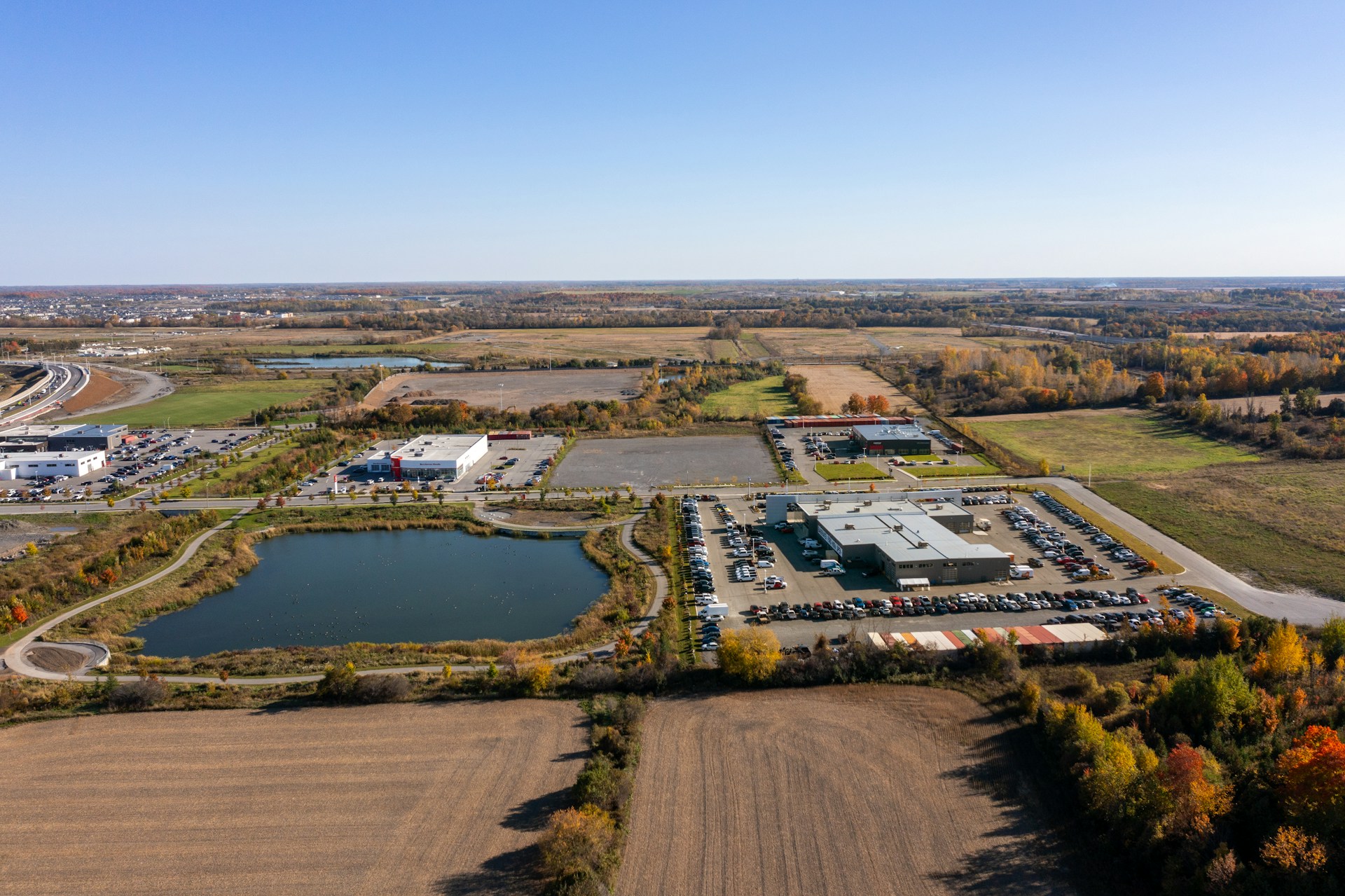
Commercial land valuation is not just about counting acres and running numbers. It’s about how a piece of land fits into its surroundings and what it can do in the future. In Kansas, especially across rural counties, this kind of valuation looks a little different than it does near bigger towns or cities.
The things that affect a land’s value in rural Kansas go beyond simple size. Roads, soil, past use, location, and even the time of year can all shift what is fair or expected. If you are thinking about buying, selling, or planning for the future, it helps to know what impacts the value before making any moves. Here are the key pieces that affect commercial land valuation in rural Kansas.
Location Matters More Than You Think
In rural Kansas, location is more than zip codes or street names. It is about how the land is used day to day and how it connects to other things around it. A property off a major road with easy access might be worth more than one tucked away behind unreliable dirt paths.
Here is why that matters:
Distance to local towns, grain elevators, or feed centers can change how the land is used and who wants it
Road conditions in winter or wet seasons often affect how dependable access really is
Nearby land use, such as active farms or long-standing ranches, adds meaning to what buyers expect or need
Two parcels might look the same on a map, but small differences, like how consistent the soil is or whether utilities are nearby, can affect value. Kansas has a wide mix of townships, counties, and land histories. Paying attention to where a property sits makes a big difference from the start.
What Features Can Change Land Value
Looking at a wide-open stretch of land does not always tell the whole story. Several features make properties more (or less) appealing once someone looks more closely. These details are not always obvious at first glance, but they matter just as much as size.
Some examples include:
Access to water, whether from wells, rural taps, or existing irrigation lines
Current or past use, such as cropland, grazing pasture, or unused grass
Entry points and driveways, especially if they connect to usable roads in all seasons
Natural features like slope, low spots, or hardpan layers that affect how a piece of land can be worked
Good soil with level ground is usually a big plus, especially for commercial use. Certain grasslands or uneven areas might suit cattle or storage better. What may look like a minor ridge could end up changing how water drains or where a road gets placed. This means it pays to walk the land thoroughly before making big choices.
Why Timing Plays a Role in Land Value
The calendar affects land value more than most people realize. Even in the middle of winter, timing matters. Conditions in January or February can be quieter, which sometimes means there is less competition. But that calm does not mean land values freeze.
What we see during this time of year:
Field visibility is better because crop residue is low and grasses are dormant
Roads, especially in rural areas, may show wear or flooding areas after snow or ice
Buyers preparing for spring plantings may start scouting properties early
Most people do not want to move equipment or start big changes in the cold, which can slow down activity. Still, this slower period gives people a chance to check condition, sort paperwork, or gather input before busier months start. Being aware of what the land looks like in winter is just as important as seeing it in July. Every season shows something different.
Getting a Clear Picture Beyond the Surface
Land does not always reveal its full story upfront. What appears open and ready might have agreements, limitations, or details that are not visible at a glance. This is where experience and asking good questions matter.
Look out for things like:
Leases or shared access rights that stay with the property
Zoning rules that define how land can be used now or later
Past inputs, possible contamination, or field work that might impact long-term plans
These factors may not be clear without maps, deeds, or checks with local authorities, but they make a big difference. That is why commercial land valuation depends on more than a walk around the fence line. Knowing the history and rules tied to a piece of land helps avoid trouble down the road and surprises during closing.
Confidence Comes from Asking the Right Questions
Commercial land in rural Kansas has plenty of potential, and it is easier to see that when we step back and ask the right questions. Seasonal timing, location, and hidden details all shape the value of what is out there.
Rural Realty offers land valuation services for farmland, ranchland, and commercial rural properties across Kansas, helping landowners with property assessments and market-based recommendations. When you know where the land sits, what it offers, and what is underneath the surface, you can make stronger choices. Instead of guessing or rushing, you take time to measure what matters and plan with purpose. Kansas land is never just blank space. It tells a story. The clearer you listen, the better your next move will be.
Getting a clear grip on commercial land valuation in Kansas can make your next move feel more certain. At Rural Realty, we have worked with a wide range of landowners and know how factors like soil, access, and timing affect decisions. Even during quieter seasons, the real value of your property can stand out if you know what to watch for. Connect with us when you are ready to talk about how your land goals can move forward.

Alec Horton- Licensed KS Broker
Weekly Newsletter Update!
Join the Newsletter to Receive Kansas Market Updates
Stay up-to-date with the latest land prices, properties for sale, and tips for managing and selling your farm!
Blog Articles

Unexpected Income Streams on Kansas Ranch Land for Sale
Alec Horton
Learn More

Evaluating Kansas Farmland Rental History Before You Buy
Alec Horton
Learn More

Kansas Ranch Listing Terms: Stocking Rate, AUMs, Carrying Capacity
Alec Horton
Learn More

Leasing vs. Selling Kansas Farmland: Choosing the Right Path
Alec Horton
Learn More

Reading Kansas Land Listings When You Want Hunting Income
Alec Horton
Learn More
What to Know About Commercial Land Valuation in Rural Kansas
Alec Horton
•
Rural Realty
Commercial land valuation is not just about counting acres and running numbers. It’s about how a piece of land fits into its surroundings and what it can do in the future. In Kansas, especially across rural counties, this kind of valuation looks a little different than it does near bigger towns or cities.
The things that affect a land’s value in rural Kansas go beyond simple size. Roads, soil, past use, location, and even the time of year can all shift what is fair or expected. If you are thinking about buying, selling, or planning for the future, it helps to know what impacts the value before making any moves. Here are the key pieces that affect commercial land valuation in rural Kansas.
Location Matters More Than You Think
In rural Kansas, location is more than zip codes or street names. It is about how the land is used day to day and how it connects to other things around it. A property off a major road with easy access might be worth more than one tucked away behind unreliable dirt paths.
Here is why that matters:
Distance to local towns, grain elevators, or feed centers can change how the land is used and who wants it
Road conditions in winter or wet seasons often affect how dependable access really is
Nearby land use, such as active farms or long-standing ranches, adds meaning to what buyers expect or need
Two parcels might look the same on a map, but small differences, like how consistent the soil is or whether utilities are nearby, can affect value. Kansas has a wide mix of townships, counties, and land histories. Paying attention to where a property sits makes a big difference from the start.
What Features Can Change Land Value
Looking at a wide-open stretch of land does not always tell the whole story. Several features make properties more (or less) appealing once someone looks more closely. These details are not always obvious at first glance, but they matter just as much as size.
Some examples include:
Access to water, whether from wells, rural taps, or existing irrigation lines
Current or past use, such as cropland, grazing pasture, or unused grass
Entry points and driveways, especially if they connect to usable roads in all seasons
Natural features like slope, low spots, or hardpan layers that affect how a piece of land can be worked
Good soil with level ground is usually a big plus, especially for commercial use. Certain grasslands or uneven areas might suit cattle or storage better. What may look like a minor ridge could end up changing how water drains or where a road gets placed. This means it pays to walk the land thoroughly before making big choices.
Why Timing Plays a Role in Land Value
The calendar affects land value more than most people realize. Even in the middle of winter, timing matters. Conditions in January or February can be quieter, which sometimes means there is less competition. But that calm does not mean land values freeze.
What we see during this time of year:
Field visibility is better because crop residue is low and grasses are dormant
Roads, especially in rural areas, may show wear or flooding areas after snow or ice
Buyers preparing for spring plantings may start scouting properties early
Most people do not want to move equipment or start big changes in the cold, which can slow down activity. Still, this slower period gives people a chance to check condition, sort paperwork, or gather input before busier months start. Being aware of what the land looks like in winter is just as important as seeing it in July. Every season shows something different.
Getting a Clear Picture Beyond the Surface
Land does not always reveal its full story upfront. What appears open and ready might have agreements, limitations, or details that are not visible at a glance. This is where experience and asking good questions matter.
Look out for things like:
Leases or shared access rights that stay with the property
Zoning rules that define how land can be used now or later
Past inputs, possible contamination, or field work that might impact long-term plans
These factors may not be clear without maps, deeds, or checks with local authorities, but they make a big difference. That is why commercial land valuation depends on more than a walk around the fence line. Knowing the history and rules tied to a piece of land helps avoid trouble down the road and surprises during closing.
Confidence Comes from Asking the Right Questions
Commercial land in rural Kansas has plenty of potential, and it is easier to see that when we step back and ask the right questions. Seasonal timing, location, and hidden details all shape the value of what is out there.
Rural Realty offers land valuation services for farmland, ranchland, and commercial rural properties across Kansas, helping landowners with property assessments and market-based recommendations. When you know where the land sits, what it offers, and what is underneath the surface, you can make stronger choices. Instead of guessing or rushing, you take time to measure what matters and plan with purpose. Kansas land is never just blank space. It tells a story. The clearer you listen, the better your next move will be.
Getting a clear grip on commercial land valuation in Kansas can make your next move feel more certain. At Rural Realty, we have worked with a wide range of landowners and know how factors like soil, access, and timing affect decisions. Even during quieter seasons, the real value of your property can stand out if you know what to watch for. Connect with us when you are ready to talk about how your land goals can move forward.
What to Know About Commercial Land Valuation in Rural Kansas
Alec Horton
•
Rural Realty
•
Commercial land valuation is not just about counting acres and running numbers. It’s about how a piece of land fits into its surroundings and what it can do in the future. In Kansas, especially across rural counties, this kind of valuation looks a little different than it does near bigger towns or cities.
The things that affect a land’s value in rural Kansas go beyond simple size. Roads, soil, past use, location, and even the time of year can all shift what is fair or expected. If you are thinking about buying, selling, or planning for the future, it helps to know what impacts the value before making any moves. Here are the key pieces that affect commercial land valuation in rural Kansas.
Location Matters More Than You Think
In rural Kansas, location is more than zip codes or street names. It is about how the land is used day to day and how it connects to other things around it. A property off a major road with easy access might be worth more than one tucked away behind unreliable dirt paths.
Here is why that matters:
Distance to local towns, grain elevators, or feed centers can change how the land is used and who wants it
Road conditions in winter or wet seasons often affect how dependable access really is
Nearby land use, such as active farms or long-standing ranches, adds meaning to what buyers expect or need
Two parcels might look the same on a map, but small differences, like how consistent the soil is or whether utilities are nearby, can affect value. Kansas has a wide mix of townships, counties, and land histories. Paying attention to where a property sits makes a big difference from the start.
What Features Can Change Land Value
Looking at a wide-open stretch of land does not always tell the whole story. Several features make properties more (or less) appealing once someone looks more closely. These details are not always obvious at first glance, but they matter just as much as size.
Some examples include:
Access to water, whether from wells, rural taps, or existing irrigation lines
Current or past use, such as cropland, grazing pasture, or unused grass
Entry points and driveways, especially if they connect to usable roads in all seasons
Natural features like slope, low spots, or hardpan layers that affect how a piece of land can be worked
Good soil with level ground is usually a big plus, especially for commercial use. Certain grasslands or uneven areas might suit cattle or storage better. What may look like a minor ridge could end up changing how water drains or where a road gets placed. This means it pays to walk the land thoroughly before making big choices.
Why Timing Plays a Role in Land Value
The calendar affects land value more than most people realize. Even in the middle of winter, timing matters. Conditions in January or February can be quieter, which sometimes means there is less competition. But that calm does not mean land values freeze.
What we see during this time of year:
Field visibility is better because crop residue is low and grasses are dormant
Roads, especially in rural areas, may show wear or flooding areas after snow or ice
Buyers preparing for spring plantings may start scouting properties early
Most people do not want to move equipment or start big changes in the cold, which can slow down activity. Still, this slower period gives people a chance to check condition, sort paperwork, or gather input before busier months start. Being aware of what the land looks like in winter is just as important as seeing it in July. Every season shows something different.
Getting a Clear Picture Beyond the Surface
Land does not always reveal its full story upfront. What appears open and ready might have agreements, limitations, or details that are not visible at a glance. This is where experience and asking good questions matter.
Look out for things like:
Leases or shared access rights that stay with the property
Zoning rules that define how land can be used now or later
Past inputs, possible contamination, or field work that might impact long-term plans
These factors may not be clear without maps, deeds, or checks with local authorities, but they make a big difference. That is why commercial land valuation depends on more than a walk around the fence line. Knowing the history and rules tied to a piece of land helps avoid trouble down the road and surprises during closing.
Confidence Comes from Asking the Right Questions
Commercial land in rural Kansas has plenty of potential, and it is easier to see that when we step back and ask the right questions. Seasonal timing, location, and hidden details all shape the value of what is out there.
Rural Realty offers land valuation services for farmland, ranchland, and commercial rural properties across Kansas, helping landowners with property assessments and market-based recommendations. When you know where the land sits, what it offers, and what is underneath the surface, you can make stronger choices. Instead of guessing or rushing, you take time to measure what matters and plan with purpose. Kansas land is never just blank space. It tells a story. The clearer you listen, the better your next move will be.
Getting a clear grip on commercial land valuation in Kansas can make your next move feel more certain. At Rural Realty, we have worked with a wide range of landowners and know how factors like soil, access, and timing affect decisions. Even during quieter seasons, the real value of your property can stand out if you know what to watch for. Connect with us when you are ready to talk about how your land goals can move forward.
Meet the Founder of Rural Realty
Alec Horton
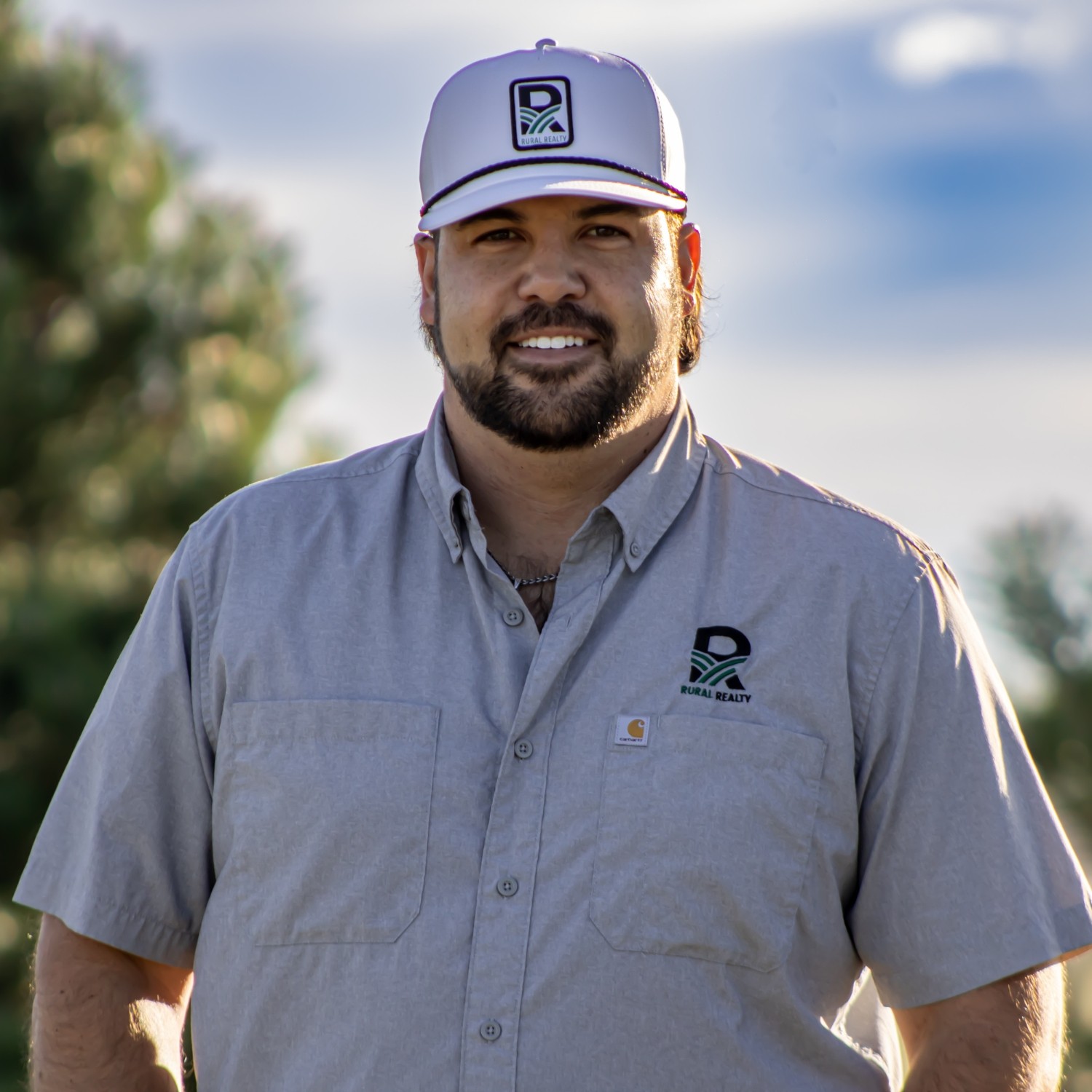
Alec Horton founded Rural Realty in 2025 to help Western Kansas landowners navigate the complexities of buying and selling rural properties with confidence. Born and raised in Leoti, Alec comes from four generations of farmers, giving him a deep understanding of the land and the people who work it. After 16 years of buying and selling agricultural land for his own family’s farm, he saw firsthand the challenges landowners face—uncertain pricing, complex transactions, and a lack of dedicated rural real estate expertise. Determined to bridge that gap, he launched Rural Realty to provide honest, knowledgeable, and personalized service to farmers, ranchers, and investors. As a licensed land broker, Alec and his team brings local insight, industry expertise, and a passion for helping clients achieve their landownership goals.
Meet the Founder of Rural Realty
Alec Horton
Alec Horton founded Rural Realty in 2025 to give landowners across Western Kansas a trusted partner in buying and selling rural properties. A fourth-generation farmer from Leoti with 16 years of experience in agricultural land deals, Alec saw the need for a brokerage that truly understands the land and the people who work it. With a deep knowledge of local markets and a commitment to honest, personalized service, Rural Realty helps farmers, ranchers, and investors navigate complex transactions with confidence.
Meet the Founder of Rural Realty
Alec Horton
Alec Horton founded Rural Realty in 2025 to help Western Kansas landowners navigate the complexities of buying and selling rural properties with confidence. Born and raised in Leoti, Alec comes from four generations of farmers, giving him a deep understanding of the land and the people who work it. After 16 years of buying and selling agricultural land for his own family’s farm, he saw firsthand the challenges landowners face—uncertain pricing, complex transactions, and a lack of dedicated rural real estate expertise. Determined to bridge that gap, he launched Rural Realty to provide honest, knowledgeable, and personalized service to farmers, ranchers, and investors. As a licensed land broker, Alec and his team brings local insight, industry expertise, and a passion for helping clients achieve their landownership goals.
Farm Experience You Can Trust
Local Knowledge. Proven Results.
46+
2023-2025 Farm Transactions
18+
Years of Farmland Experience
700+
Network of Kansas Farmers
Farm Experience You Can Trust
Local Knowledge. Proven Results.
46+
2023-2025 Farm Transactions
18+
Years of Farmland Experience
700+
Network of Kansas Farmers
Farm Experience You Can Trust
Local Knowledge. Proven Results.
46+
2023-2025 Farm Transactions
18+
Years of Farmland Experience
700+
Network of Kansas Farmers
Rural Realty Services
Comprehensive Farmland Services
Explore the Comprehensive Real Estate Solutions for Kansas farmers, landowners, families, and investors at Rural Realty
Buy a Farm
Expert guidance in finding the perfect agricultural property.
Sell Your Farm
Strategic marketing and valuation for maximum return.
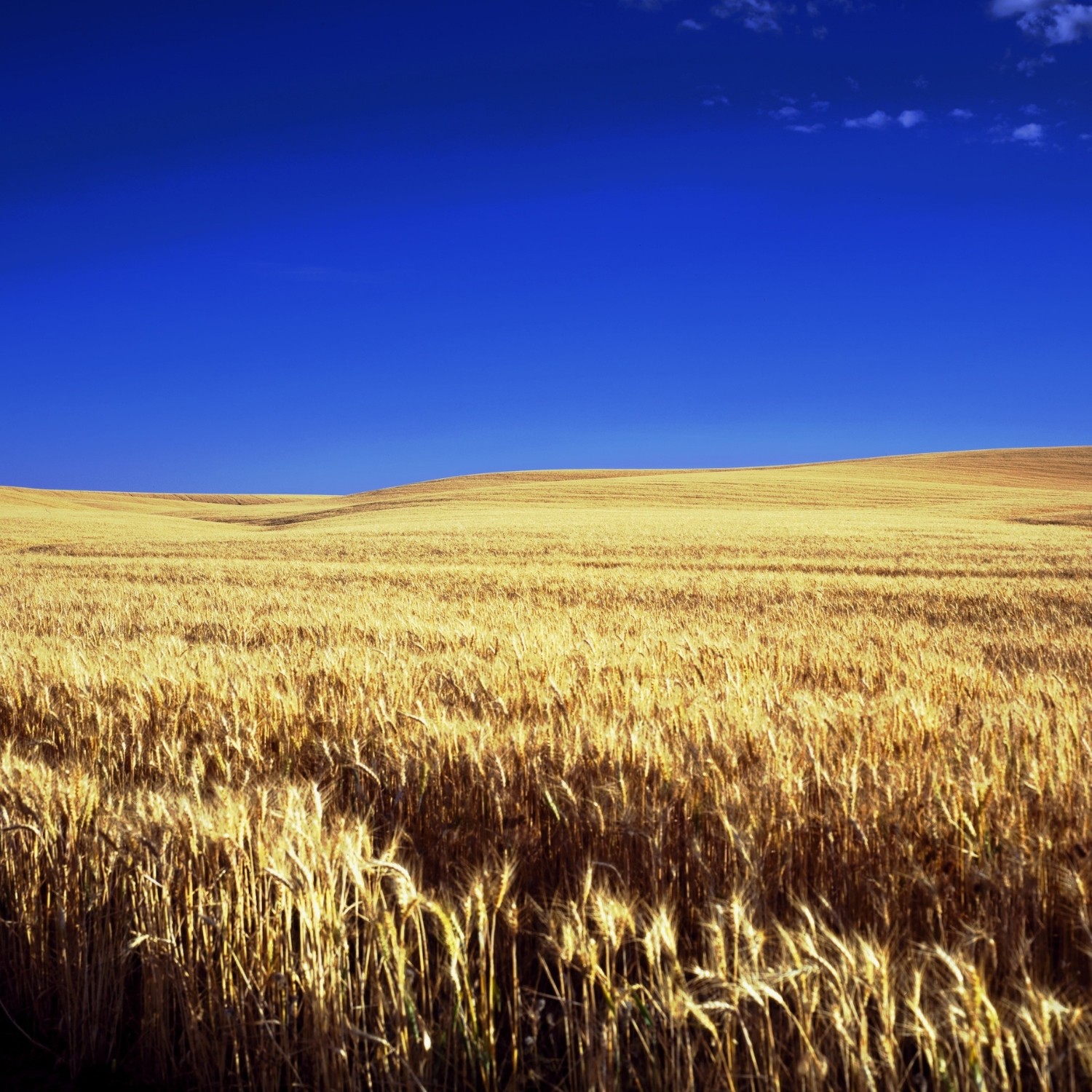
Land Valuation
Receive an accurate property valuation to inform your decisions.
Rural Realty Services
Comprehensive Farmland Services
Explore the Comprehensive Real Estate Solutions for Kansas farmers, landowners, families, and investors at Rural Realty
Buy a Farm
Expert guidance in finding the perfect agricultural property.
Sell Your Farm
Strategic marketing and valuation for maximum return.
Land Valuation
Receive an accurate property valuation to inform your decisions.
Rural Realty Services
Comprehensive Farmland Services
Explore the Comprehensive Real Estate Solutions for Kansas farmers, landowners, families, and investors at Rural Realty
Buy a Farm
Expert guidance in finding the perfect agricultural property.
Sell Your Farm
Strategic marketing and valuation for maximum return.
Land Valuation
Receive an accurate property valuation to inform your decisions.
Kansas Property Expertise
From farmland to family homes, Rural Realty brings generations of local expertise to every real estate transaction.
Kansas
Rural Homes
Rural Realty helps families find their perfect country property, specializing in homes with acreage across Kansas.

Kansas
Farmland
With over four generations of farming experience, Rural Realty brings unique insight to every agricultural land transaction.

Kansas
Ranchland
Rural Realty's deep understanding of ranch operations helps buyers and sellers make confident decisions about ranching properties.

Kansas
Hunting Properties
Rural Realty combines recreational value with agricultural opportunities to maximize returns on hunting property investments.

Kansas
Commercial Properties
From retail spaces to agricultural warehouses, Rural Realty guides clients through every commercial real estate transaction.

Kansas Property Expertise
From farmland to family homes, Rural Realty brings generations of local expertise to every real estate transaction.
Kansas
Rural Homes
Rural Realty helps families find their perfect country property, specializing in homes with acreage across Kansas.
Kansas
Farmland
With over four generations of farming experience, Rural Realty brings unique insight to every agricultural land transaction.
Kansas
Ranchland
Rural Realty's deep understanding of ranch operations helps buyers and sellers make confident decisions about ranching properties.
Kansas
Hunting Properties
Rural Realty combines recreational value with agricultural opportunities to maximize returns on hunting property investments.
Kansas
Commercial Properties
From retail spaces to agricultural warehouses, Rural Realty guides clients through every commercial real estate transaction.
Kansas Property Expertise
From farmland to family homes, Rural Realty brings generations of local expertise to every real estate transaction.
Kansas
Rural Homes
Rural Realty helps families find their perfect country property, specializing in homes with acreage across Kansas.
Kansas
Farmland
With over four generations of farming experience, Rural Realty brings unique insight to every agricultural land transaction.
Kansas
Ranchland
Rural Realty's deep understanding of ranch operations helps buyers and sellers make confident decisions about ranching properties.
Kansas
Hunting Properties
Rural Realty combines recreational value with agricultural opportunities to maximize returns on hunting property investments.
Kansas
Commercial Properties
From retail spaces to agricultural warehouses, Rural Realty guides clients through every commercial real estate transaction.
Ready to Buy or Sell Your Farm in Kansas?
Contact Rural Realty today for a personalized consultation about your farmland goals. Your agricultural future starts with the right land real estate agent.
Find an Agent in your Area
Contact Rural Realty
Find an Agent in your Area
Ready to Buy or Sell Your Farm in Kansas?
Contact Rural Realty today for a personalized consultation about your farmland goals. Your agricultural future starts with the right land real estate agent.
Find an Agent in your Area