What Financing Options Are Available for Agriculture Real Estate Purchases?
Alec Horton
•
Rural Realty
•

When stepping into agriculture real estate, understanding financing options becomes key. Just like choosing the right tractor or selecting the best seeds, the financing option you decide on can impact your farming business's growth and sustainability. Whether you're looking to expand your current operations or plant roots for the first time, understanding these financial tools ensures you make informed decisions, helping you achieve your long-term agricultural goals.
In Kansas, various financing solutions cater to the diverse needs of farmers, landowners, and investors. Identifying the right option often involves weighing benefits and drawbacks and matching them with your unique requirements. Unlike other investments, agriculture real estate needs specific considerations. The right financial backing can smooth the path to ownership, whether you aim to buy a sprawling cornfield or a quaint pasture.
Traditional Bank Loans
Traditional bank loans are a well-known path for financing agricultural purchases. These loans allow you to borrow directly from a bank, with repayment structured over several years. Here's a closer look at what they offer:
- Accessibility: Many farmers find bank loans accessible, as they're widely available and supported by many branches.
- Interest Rates: Banks often provide competitive interest rates, which can be advantageous. However, rates vary based on the lender and your creditworthiness.
- Repayment Schedule: Usually fixed, allowing for predictable budgeting within your farming operations.
There are pros and cons to this method. Traditional loans offer reliability and the comfort of dealing with an established institution. On the flip side, banks may have stringent eligibility criteria and require extensive documentation, which could be challenging for first-time borrowers.
Here's a quick overview:
- Pros:
- Established process with predictable terms.
- Access to large loan amounts.
- Cons:
- Requires good credit history.
- May have lengthy approval times.
To access a traditional bank loan:
1. Check your credit score to know where you stand.
2. Gather the necessary documents, including financial statements and property details.
3. Approach your bank to discuss the loan terms and interest rates.
4. Complete and submit the application form.
Understanding these basic steps empowers you to navigate the borrowing process seamlessly, making it easier to secure the funding you need for your agricultural ambitions.
Government-Backed Loans
Government-backed loan programs provide another route for financing agriculture real estate. These loans are tailored for those who may face traditional hurdles. The United States Department of Agriculture (USDA) is a major player in this space, offering several types of loans with favorable terms.
USDA loans are designed to support farmers and rural property buyers by providing funding with lower interest rates and flexible terms. They aim to encourage rural development and agricultural growth, making them an attractive option for many.
For example, you might consider a loan through the Farm Service Agency (FSA), which is known for:
- Targeted Support: Aimed at assisting new and disadvantaged farmers who are unable to secure funding from traditional sources.
- Longer Terms: These options can extend repayment periods, reducing annual financial pressure.
- Lower Down Payments: Lower initial investment requirements ease entry into agricultural ventures.
Choosing government-backed loans means understanding the specific requirements that come with them. They often have eligibility criteria, such as income caps or location restrictions, catering specifically to those in rural areas like Kansas.
Researching these government options can lead to significant savings and opportunities for those looking to invest in agriculture real estate. Being aware of these pathways helps in selecting an option aligned with your financial goals and commitment level.
Private Lenders and Financing
Sometimes, traditional or government-backed loan options might not fit every farmer's particular situation, and that's where private lenders come into play. These lenders offer unique financial products tailored for the agricultural sector. With private financing, you get flexibility and swift service, which can be essential when you're looking to move quickly on a piece of land.
One of the exciting benefits of private lenders is their ability to tailor lending products that suit your specific needs. You might find terms that accommodate seasonal cash flow better, or those that require unique repayment setups. Since these lenders often focus on customer relationships, you might enjoy more personal service and personalized terms.
However, keep in mind the potential risks associated with private loans. Interest rates can be higher than traditional bank loans, and terms may vary widely between lenders. It’s wise to:
- Research Reputable Lenders: Explore reviews and check credentials before committing.
- Understand Terms: Dive into the fine print to ensure you're comfortable with rates and repayment schedules.
- Evaluate Risks: Consider how interest rates and terms impact your long-term financial health.
By assessing these key points, you can make an informed decision when dealing with private lenders, ensuring they align with your agricultural real estate plans.
Farm Credit Services
Farm Credit Services is another valuable resource for farmers looking to finance their real estate purchases. As a network of agricultural and rural lending institutions, Farm Credit specializes in understanding the unique needs of farming operations.
The key advantage of using Farm Credit is their deep-rooted understanding of agriculture. They offer financial products tailored specifically for farmers, with terms designed to accommodate the unique cash flow and income patterns of agriculture businesses. Their loans often include flexible repayment plans and options to refinance, which can be particularly helpful during lean seasons.
To qualify for Farm Credit:
1. Understand Eligibility: Ensure your operation fits the size and type requirements set by Farm Credit.
2. Collect Financial Records: Have documentation ready, including balance sheets and income statements.
3. Submit an Application: Work with a Farm Credit representative to explore customized financing options.
Farm Credit's dedication to farmer success makes it an attractive choice, and their specialized services can be transformative in managing existing operations or expanding further.
Tailoring Financing to Your Needs
Choosing the right financing option means understanding your unique situation and the specific requirements of your farm. You should weigh each option carefully, considering factors like loan terms, interest rates, and eligibility requirements.
To tailor financing best suited for your needs:
- Assess Your Goals: Define your short-term and long-term objectives.
- Review Financial Health: Get a realistic sense of your current financial state and future projections.
- Seek Professional Advice: Consider consulting with a financial advisor who understands agriculture to guide your decision.
By approaching the process thoughtfully, you create a financial plan aligned with your farming ambitions.
Moving Forward with Confidence
Exploring the various financing options for agricultural real estate unlocks countless opportunities. Whether you opt for traditional bank loans, government-backed programs, or explore the flexibility offered by private lenders or Farm Credit Services, understanding each route ensures you choose wisely.
Taking the time to evaluate different options helps set a strong foundation for your agricultural endeavors in Kansas. With the right financial backing, you can confidently expand your operations or start new ventures on solid ground. Agriculture is filled with possibilities, and the right financing can help make those possibilities a reality.
Exploring the right agriculture real estate financing is a stepping stone to enhancing your farming endeavors. Whether starting a new venture or expanding your current operation, having a solid financial plan is key. At Rural Realty, we're here to help you make smart choices that support your long-term success. Let’s build your agricultural future together in Kansas.

Alec Horton- Licensed KS Broker
Weekly Newsletter Update!
Join the Newsletter to Receive Kansas Market Updates
Stay up-to-date with the latest land prices, properties for sale, and tips for managing and selling your farm!
Blog Articles

Unexpected Income Streams on Kansas Ranch Land for Sale
Alec Horton
Learn More

Evaluating Kansas Farmland Rental History Before You Buy
Alec Horton
Learn More

Kansas Ranch Listing Terms: Stocking Rate, AUMs, Carrying Capacity
Alec Horton
Learn More

Leasing vs. Selling Kansas Farmland: Choosing the Right Path
Alec Horton
Learn More

Reading Kansas Land Listings When You Want Hunting Income
Alec Horton
Learn More
What Financing Options Are Available for Agriculture Real Estate Purchases?
Alec Horton
•
Rural Realty
When stepping into agriculture real estate, understanding financing options becomes key. Just like choosing the right tractor or selecting the best seeds, the financing option you decide on can impact your farming business's growth and sustainability. Whether you're looking to expand your current operations or plant roots for the first time, understanding these financial tools ensures you make informed decisions, helping you achieve your long-term agricultural goals.
In Kansas, various financing solutions cater to the diverse needs of farmers, landowners, and investors. Identifying the right option often involves weighing benefits and drawbacks and matching them with your unique requirements. Unlike other investments, agriculture real estate needs specific considerations. The right financial backing can smooth the path to ownership, whether you aim to buy a sprawling cornfield or a quaint pasture.
Traditional Bank Loans
Traditional bank loans are a well-known path for financing agricultural purchases. These loans allow you to borrow directly from a bank, with repayment structured over several years. Here's a closer look at what they offer:
- Accessibility: Many farmers find bank loans accessible, as they're widely available and supported by many branches.
- Interest Rates: Banks often provide competitive interest rates, which can be advantageous. However, rates vary based on the lender and your creditworthiness.
- Repayment Schedule: Usually fixed, allowing for predictable budgeting within your farming operations.
There are pros and cons to this method. Traditional loans offer reliability and the comfort of dealing with an established institution. On the flip side, banks may have stringent eligibility criteria and require extensive documentation, which could be challenging for first-time borrowers.
Here's a quick overview:
- Pros:
- Established process with predictable terms.
- Access to large loan amounts.
- Cons:
- Requires good credit history.
- May have lengthy approval times.
To access a traditional bank loan:
1. Check your credit score to know where you stand.
2. Gather the necessary documents, including financial statements and property details.
3. Approach your bank to discuss the loan terms and interest rates.
4. Complete and submit the application form.
Understanding these basic steps empowers you to navigate the borrowing process seamlessly, making it easier to secure the funding you need for your agricultural ambitions.
Government-Backed Loans
Government-backed loan programs provide another route for financing agriculture real estate. These loans are tailored for those who may face traditional hurdles. The United States Department of Agriculture (USDA) is a major player in this space, offering several types of loans with favorable terms.
USDA loans are designed to support farmers and rural property buyers by providing funding with lower interest rates and flexible terms. They aim to encourage rural development and agricultural growth, making them an attractive option for many.
For example, you might consider a loan through the Farm Service Agency (FSA), which is known for:
- Targeted Support: Aimed at assisting new and disadvantaged farmers who are unable to secure funding from traditional sources.
- Longer Terms: These options can extend repayment periods, reducing annual financial pressure.
- Lower Down Payments: Lower initial investment requirements ease entry into agricultural ventures.
Choosing government-backed loans means understanding the specific requirements that come with them. They often have eligibility criteria, such as income caps or location restrictions, catering specifically to those in rural areas like Kansas.
Researching these government options can lead to significant savings and opportunities for those looking to invest in agriculture real estate. Being aware of these pathways helps in selecting an option aligned with your financial goals and commitment level.
Private Lenders and Financing
Sometimes, traditional or government-backed loan options might not fit every farmer's particular situation, and that's where private lenders come into play. These lenders offer unique financial products tailored for the agricultural sector. With private financing, you get flexibility and swift service, which can be essential when you're looking to move quickly on a piece of land.
One of the exciting benefits of private lenders is their ability to tailor lending products that suit your specific needs. You might find terms that accommodate seasonal cash flow better, or those that require unique repayment setups. Since these lenders often focus on customer relationships, you might enjoy more personal service and personalized terms.
However, keep in mind the potential risks associated with private loans. Interest rates can be higher than traditional bank loans, and terms may vary widely between lenders. It’s wise to:
- Research Reputable Lenders: Explore reviews and check credentials before committing.
- Understand Terms: Dive into the fine print to ensure you're comfortable with rates and repayment schedules.
- Evaluate Risks: Consider how interest rates and terms impact your long-term financial health.
By assessing these key points, you can make an informed decision when dealing with private lenders, ensuring they align with your agricultural real estate plans.
Farm Credit Services
Farm Credit Services is another valuable resource for farmers looking to finance their real estate purchases. As a network of agricultural and rural lending institutions, Farm Credit specializes in understanding the unique needs of farming operations.
The key advantage of using Farm Credit is their deep-rooted understanding of agriculture. They offer financial products tailored specifically for farmers, with terms designed to accommodate the unique cash flow and income patterns of agriculture businesses. Their loans often include flexible repayment plans and options to refinance, which can be particularly helpful during lean seasons.
To qualify for Farm Credit:
1. Understand Eligibility: Ensure your operation fits the size and type requirements set by Farm Credit.
2. Collect Financial Records: Have documentation ready, including balance sheets and income statements.
3. Submit an Application: Work with a Farm Credit representative to explore customized financing options.
Farm Credit's dedication to farmer success makes it an attractive choice, and their specialized services can be transformative in managing existing operations or expanding further.
Tailoring Financing to Your Needs
Choosing the right financing option means understanding your unique situation and the specific requirements of your farm. You should weigh each option carefully, considering factors like loan terms, interest rates, and eligibility requirements.
To tailor financing best suited for your needs:
- Assess Your Goals: Define your short-term and long-term objectives.
- Review Financial Health: Get a realistic sense of your current financial state and future projections.
- Seek Professional Advice: Consider consulting with a financial advisor who understands agriculture to guide your decision.
By approaching the process thoughtfully, you create a financial plan aligned with your farming ambitions.
Moving Forward with Confidence
Exploring the various financing options for agricultural real estate unlocks countless opportunities. Whether you opt for traditional bank loans, government-backed programs, or explore the flexibility offered by private lenders or Farm Credit Services, understanding each route ensures you choose wisely.
Taking the time to evaluate different options helps set a strong foundation for your agricultural endeavors in Kansas. With the right financial backing, you can confidently expand your operations or start new ventures on solid ground. Agriculture is filled with possibilities, and the right financing can help make those possibilities a reality.
Exploring the right agriculture real estate financing is a stepping stone to enhancing your farming endeavors. Whether starting a new venture or expanding your current operation, having a solid financial plan is key. At Rural Realty, we're here to help you make smart choices that support your long-term success. Let’s build your agricultural future together in Kansas.
What Financing Options Are Available for Agriculture Real Estate Purchases?
Alec Horton
•
Rural Realty
•
When stepping into agriculture real estate, understanding financing options becomes key. Just like choosing the right tractor or selecting the best seeds, the financing option you decide on can impact your farming business's growth and sustainability. Whether you're looking to expand your current operations or plant roots for the first time, understanding these financial tools ensures you make informed decisions, helping you achieve your long-term agricultural goals.
In Kansas, various financing solutions cater to the diverse needs of farmers, landowners, and investors. Identifying the right option often involves weighing benefits and drawbacks and matching them with your unique requirements. Unlike other investments, agriculture real estate needs specific considerations. The right financial backing can smooth the path to ownership, whether you aim to buy a sprawling cornfield or a quaint pasture.
Traditional Bank Loans
Traditional bank loans are a well-known path for financing agricultural purchases. These loans allow you to borrow directly from a bank, with repayment structured over several years. Here's a closer look at what they offer:
- Accessibility: Many farmers find bank loans accessible, as they're widely available and supported by many branches.
- Interest Rates: Banks often provide competitive interest rates, which can be advantageous. However, rates vary based on the lender and your creditworthiness.
- Repayment Schedule: Usually fixed, allowing for predictable budgeting within your farming operations.
There are pros and cons to this method. Traditional loans offer reliability and the comfort of dealing with an established institution. On the flip side, banks may have stringent eligibility criteria and require extensive documentation, which could be challenging for first-time borrowers.
Here's a quick overview:
- Pros:
- Established process with predictable terms.
- Access to large loan amounts.
- Cons:
- Requires good credit history.
- May have lengthy approval times.
To access a traditional bank loan:
1. Check your credit score to know where you stand.
2. Gather the necessary documents, including financial statements and property details.
3. Approach your bank to discuss the loan terms and interest rates.
4. Complete and submit the application form.
Understanding these basic steps empowers you to navigate the borrowing process seamlessly, making it easier to secure the funding you need for your agricultural ambitions.
Government-Backed Loans
Government-backed loan programs provide another route for financing agriculture real estate. These loans are tailored for those who may face traditional hurdles. The United States Department of Agriculture (USDA) is a major player in this space, offering several types of loans with favorable terms.
USDA loans are designed to support farmers and rural property buyers by providing funding with lower interest rates and flexible terms. They aim to encourage rural development and agricultural growth, making them an attractive option for many.
For example, you might consider a loan through the Farm Service Agency (FSA), which is known for:
- Targeted Support: Aimed at assisting new and disadvantaged farmers who are unable to secure funding from traditional sources.
- Longer Terms: These options can extend repayment periods, reducing annual financial pressure.
- Lower Down Payments: Lower initial investment requirements ease entry into agricultural ventures.
Choosing government-backed loans means understanding the specific requirements that come with them. They often have eligibility criteria, such as income caps or location restrictions, catering specifically to those in rural areas like Kansas.
Researching these government options can lead to significant savings and opportunities for those looking to invest in agriculture real estate. Being aware of these pathways helps in selecting an option aligned with your financial goals and commitment level.
Private Lenders and Financing
Sometimes, traditional or government-backed loan options might not fit every farmer's particular situation, and that's where private lenders come into play. These lenders offer unique financial products tailored for the agricultural sector. With private financing, you get flexibility and swift service, which can be essential when you're looking to move quickly on a piece of land.
One of the exciting benefits of private lenders is their ability to tailor lending products that suit your specific needs. You might find terms that accommodate seasonal cash flow better, or those that require unique repayment setups. Since these lenders often focus on customer relationships, you might enjoy more personal service and personalized terms.
However, keep in mind the potential risks associated with private loans. Interest rates can be higher than traditional bank loans, and terms may vary widely between lenders. It’s wise to:
- Research Reputable Lenders: Explore reviews and check credentials before committing.
- Understand Terms: Dive into the fine print to ensure you're comfortable with rates and repayment schedules.
- Evaluate Risks: Consider how interest rates and terms impact your long-term financial health.
By assessing these key points, you can make an informed decision when dealing with private lenders, ensuring they align with your agricultural real estate plans.
Farm Credit Services
Farm Credit Services is another valuable resource for farmers looking to finance their real estate purchases. As a network of agricultural and rural lending institutions, Farm Credit specializes in understanding the unique needs of farming operations.
The key advantage of using Farm Credit is their deep-rooted understanding of agriculture. They offer financial products tailored specifically for farmers, with terms designed to accommodate the unique cash flow and income patterns of agriculture businesses. Their loans often include flexible repayment plans and options to refinance, which can be particularly helpful during lean seasons.
To qualify for Farm Credit:
1. Understand Eligibility: Ensure your operation fits the size and type requirements set by Farm Credit.
2. Collect Financial Records: Have documentation ready, including balance sheets and income statements.
3. Submit an Application: Work with a Farm Credit representative to explore customized financing options.
Farm Credit's dedication to farmer success makes it an attractive choice, and their specialized services can be transformative in managing existing operations or expanding further.
Tailoring Financing to Your Needs
Choosing the right financing option means understanding your unique situation and the specific requirements of your farm. You should weigh each option carefully, considering factors like loan terms, interest rates, and eligibility requirements.
To tailor financing best suited for your needs:
- Assess Your Goals: Define your short-term and long-term objectives.
- Review Financial Health: Get a realistic sense of your current financial state and future projections.
- Seek Professional Advice: Consider consulting with a financial advisor who understands agriculture to guide your decision.
By approaching the process thoughtfully, you create a financial plan aligned with your farming ambitions.
Moving Forward with Confidence
Exploring the various financing options for agricultural real estate unlocks countless opportunities. Whether you opt for traditional bank loans, government-backed programs, or explore the flexibility offered by private lenders or Farm Credit Services, understanding each route ensures you choose wisely.
Taking the time to evaluate different options helps set a strong foundation for your agricultural endeavors in Kansas. With the right financial backing, you can confidently expand your operations or start new ventures on solid ground. Agriculture is filled with possibilities, and the right financing can help make those possibilities a reality.
Exploring the right agriculture real estate financing is a stepping stone to enhancing your farming endeavors. Whether starting a new venture or expanding your current operation, having a solid financial plan is key. At Rural Realty, we're here to help you make smart choices that support your long-term success. Let’s build your agricultural future together in Kansas.
Meet the Founder of Rural Realty
Alec Horton
Alec Horton founded Rural Realty in 2025 to help Western Kansas landowners navigate the complexities of buying and selling rural properties with confidence. Born and raised in Leoti, Alec comes from four generations of farmers, giving him a deep understanding of the land and the people who work it. After 16 years of buying and selling agricultural land for his own family’s farm, he saw firsthand the challenges landowners face—uncertain pricing, complex transactions, and a lack of dedicated rural real estate expertise. Determined to bridge that gap, he launched Rural Realty to provide honest, knowledgeable, and personalized service to farmers, ranchers, and investors. As a licensed land broker, Alec and his team brings local insight, industry expertise, and a passion for helping clients achieve their landownership goals.
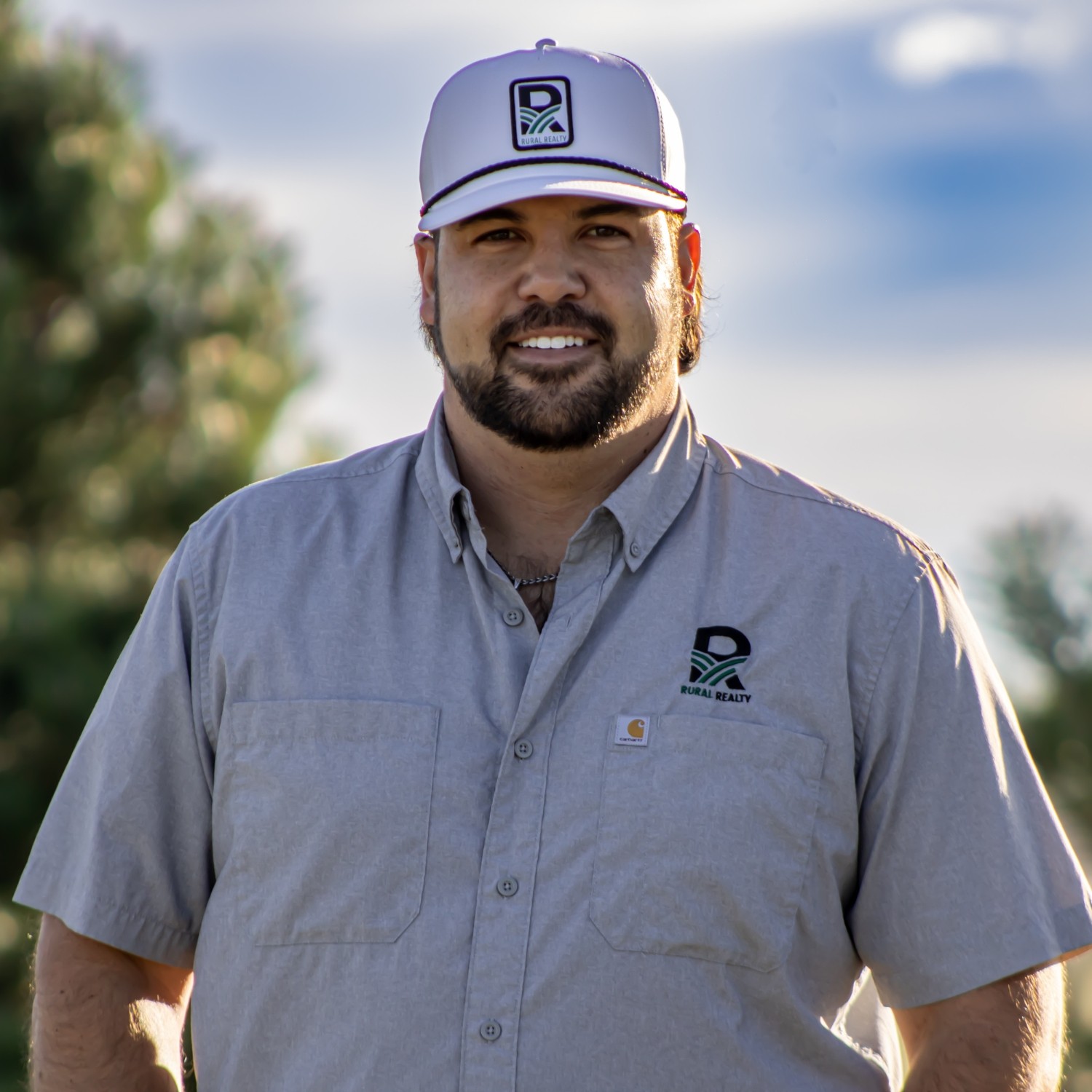
Meet the Founder of Rural Realty
Alec Horton
Alec Horton founded Rural Realty in 2025 to give landowners across Western Kansas a trusted partner in buying and selling rural properties. A fourth-generation farmer from Leoti with 16 years of experience in agricultural land deals, Alec saw the need for a brokerage that truly understands the land and the people who work it. With a deep knowledge of local markets and a commitment to honest, personalized service, Rural Realty helps farmers, ranchers, and investors navigate complex transactions with confidence.
Meet the Founder of Rural Realty
Alec Horton
Alec Horton founded Rural Realty in 2025 to help Western Kansas landowners navigate the complexities of buying and selling rural properties with confidence. Born and raised in Leoti, Alec comes from four generations of farmers, giving him a deep understanding of the land and the people who work it. After 16 years of buying and selling agricultural land for his own family’s farm, he saw firsthand the challenges landowners face—uncertain pricing, complex transactions, and a lack of dedicated rural real estate expertise. Determined to bridge that gap, he launched Rural Realty to provide honest, knowledgeable, and personalized service to farmers, ranchers, and investors. As a licensed land broker, Alec and his team brings local insight, industry expertise, and a passion for helping clients achieve their landownership goals.
Farm Experience You Can Trust
Local Knowledge. Proven Results.
46+
2023-2025 Farm Transactions
18+
Years of Farmland Experience
700+
Network of Kansas Farmers
Farm Experience You Can Trust
Local Knowledge. Proven Results.
46+
2023-2025 Farm Transactions
18+
Years of Farmland Experience
700+
Network of Kansas Farmers
Farm Experience You Can Trust
Local Knowledge. Proven Results.
46+
2023-2025 Farm Transactions
18+
Years of Farmland Experience
700+
Network of Kansas Farmers
Rural Realty Services
Comprehensive Farmland Services
Explore the Comprehensive Real Estate Solutions for Kansas farmers, landowners, families, and investors at Rural Realty
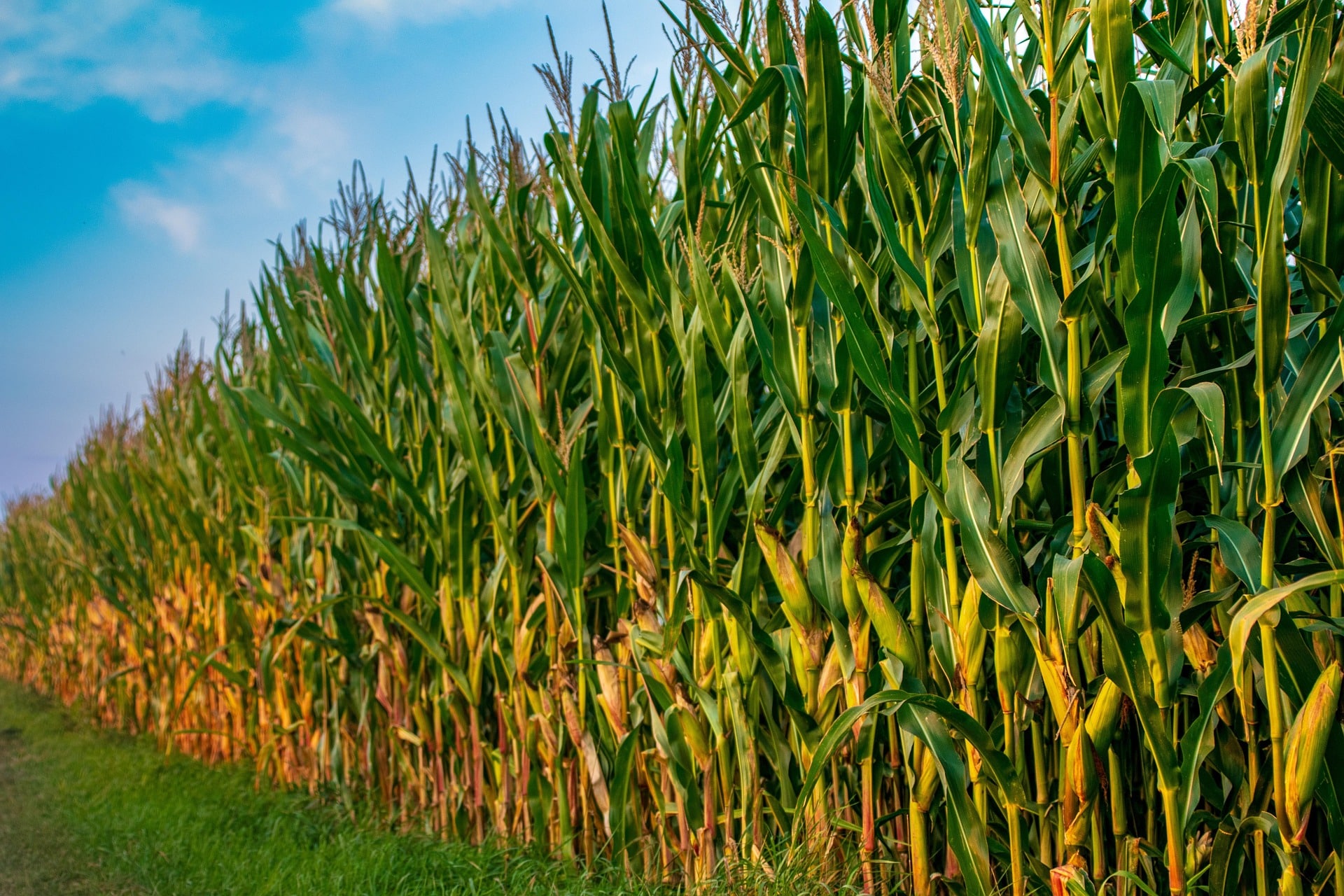
Buy a Farm
Expert guidance in finding the perfect agricultural property.
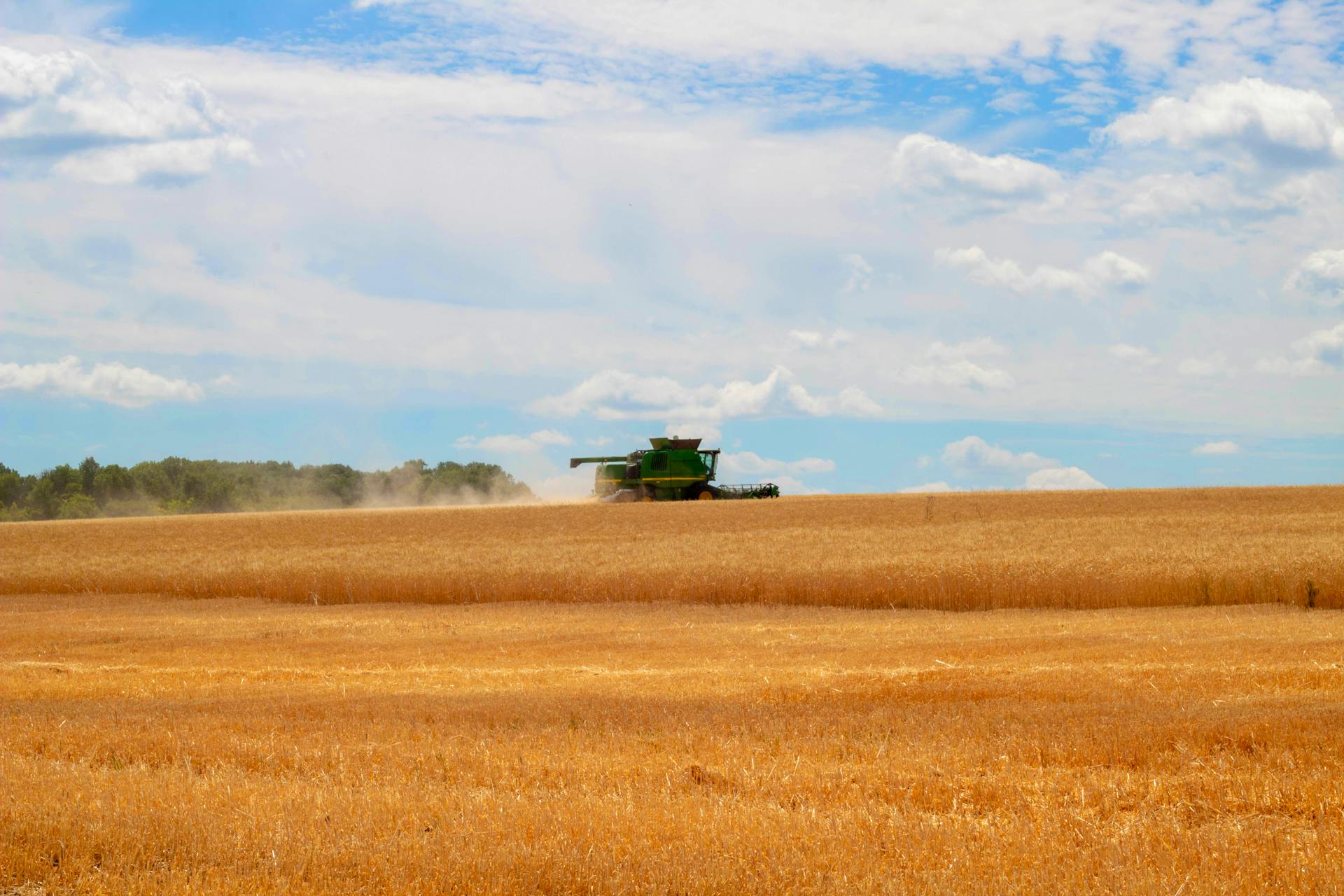
Sell Your Farm
Strategic marketing and valuation for maximum return.

Land Valuation
Receive an accurate property valuation to inform your decisions.
Rural Realty Services
Comprehensive Farmland Services
Explore the Comprehensive Real Estate Solutions for Kansas farmers, landowners, families, and investors at Rural Realty
Buy a Farm
Expert guidance in finding the perfect agricultural property.
Sell Your Farm
Strategic marketing and valuation for maximum return.
Land Valuation
Receive an accurate property valuation to inform your decisions.
Rural Realty Services
Comprehensive Farmland Services
Explore the Comprehensive Real Estate Solutions for Kansas farmers, landowners, families, and investors at Rural Realty
Buy a Farm
Expert guidance in finding the perfect agricultural property.
Sell Your Farm
Strategic marketing and valuation for maximum return.
Land Valuation
Receive an accurate property valuation to inform your decisions.
Kansas Property Expertise
From farmland to family homes, Rural Realty brings generations of local expertise to every real estate transaction.
Kansas
Rural Homes
Rural Realty helps families find their perfect country property, specializing in homes with acreage across Kansas.

Kansas
Farmland
With over four generations of farming experience, Rural Realty brings unique insight to every agricultural land transaction.

Kansas
Ranchland
Rural Realty's deep understanding of ranch operations helps buyers and sellers make confident decisions about ranching properties.

Kansas
Hunting Properties
Rural Realty combines recreational value with agricultural opportunities to maximize returns on hunting property investments.

Kansas
Commercial Properties
From retail spaces to agricultural warehouses, Rural Realty guides clients through every commercial real estate transaction.

Kansas Property Expertise
From farmland to family homes, Rural Realty brings generations of local expertise to every real estate transaction.
Kansas
Rural Homes
Rural Realty helps families find their perfect country property, specializing in homes with acreage across Kansas.
Kansas
Farmland
With over four generations of farming experience, Rural Realty brings unique insight to every agricultural land transaction.
Kansas
Ranchland
Rural Realty's deep understanding of ranch operations helps buyers and sellers make confident decisions about ranching properties.
Kansas
Hunting Properties
Rural Realty combines recreational value with agricultural opportunities to maximize returns on hunting property investments.
Kansas
Commercial Properties
From retail spaces to agricultural warehouses, Rural Realty guides clients through every commercial real estate transaction.
Kansas Property Expertise
From farmland to family homes, Rural Realty brings generations of local expertise to every real estate transaction.
Kansas
Rural Homes
Rural Realty helps families find their perfect country property, specializing in homes with acreage across Kansas.
Kansas
Farmland
With over four generations of farming experience, Rural Realty brings unique insight to every agricultural land transaction.
Kansas
Ranchland
Rural Realty's deep understanding of ranch operations helps buyers and sellers make confident decisions about ranching properties.
Kansas
Hunting Properties
Rural Realty combines recreational value with agricultural opportunities to maximize returns on hunting property investments.
Kansas
Commercial Properties
From retail spaces to agricultural warehouses, Rural Realty guides clients through every commercial real estate transaction.
Ready to Buy or Sell Your Farm in Kansas?
Contact Rural Realty today for a personalized consultation about your farmland goals. Your agricultural future starts with the right land real estate agent.
Find an Agent in your Area
Contact Rural Realty
Find an Agent in your Area
Ready to Buy or Sell Your Farm in Kansas?
Contact Rural Realty today for a personalized consultation about your farmland goals. Your agricultural future starts with the right land real estate agent.
Find an Agent in your Area