How Farmland in Kansas Changes as Spring Approaches
Alec Horton
•
Rural Realty
•
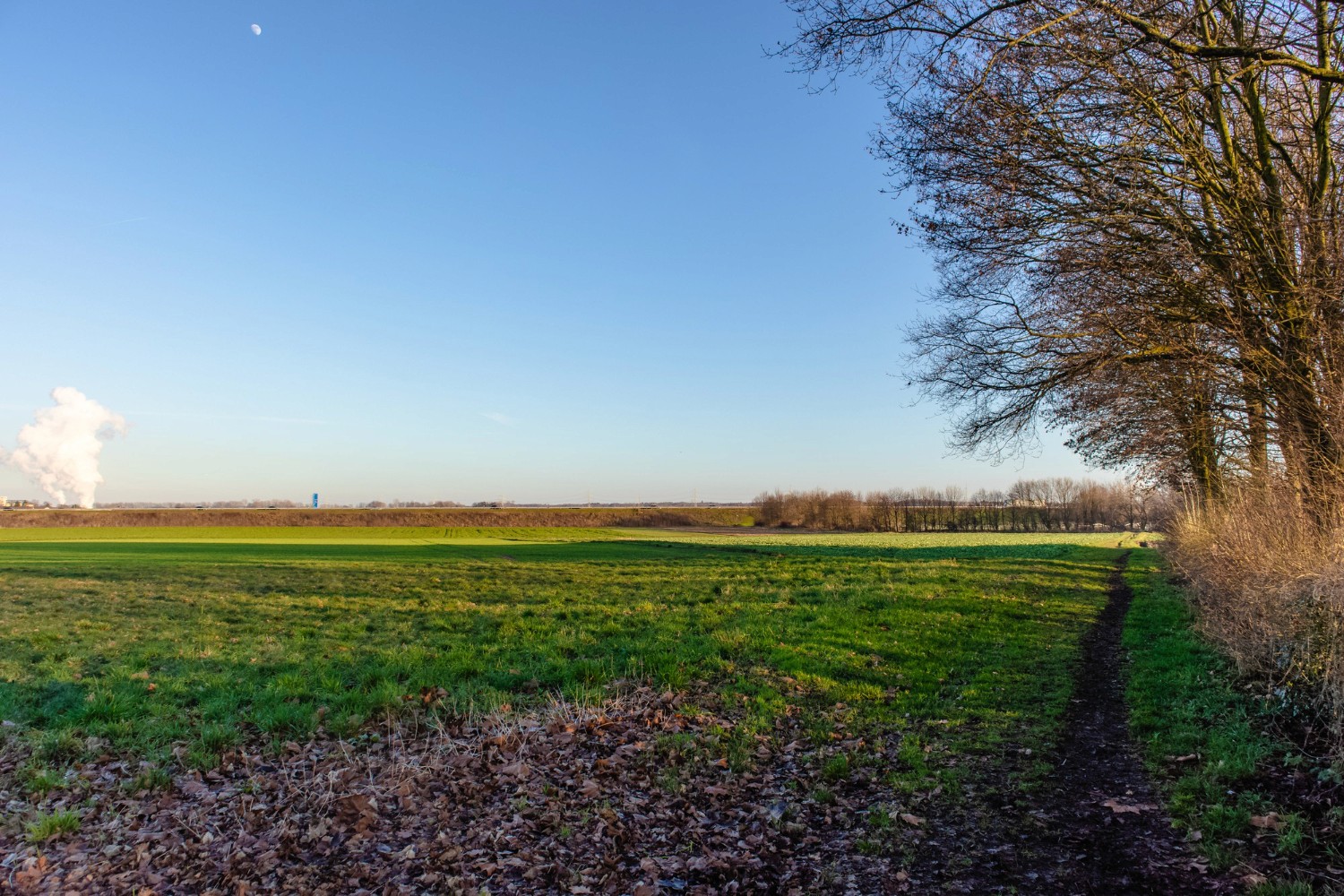
Spring in Kansas doesn’t rush in all at once. Around early March, we usually start seeing small signs that change is on the way. The days stretch a bit longer, the sun feels warmer on our backs, and the snow that once covered everything starts to melt back into the ground. It’s a slow change, but an important one, especially when you’re looking at farmland in Kansas.
This quiet shift in the season tells us a lot about how the land has held up through winter. Each field, pasture, and creek bed reacts a little differently as things thaw out and get moving again. From the surface down to the roots, spring starts waking everything up.
Signs of Winter Fading from the Fields
Winter never leaves without leaving clues behind. In early March, the topsoil might still be hard in places, but it begins to soften. You can usually walk a field and feel the difference under your boots. That cold, solid crunch gives way to small patches of give in the dirt. This softening shows us that the soil is opening back up, ready to breathe again.
Melted snow pools up in the low spots, which can help you spot problem areas like soggy patches or poor drainage.
Ice that once covered ponds and ditches breaks apart, giving you a better look at water levels and flow.
Access roads that held firm during freezes might now turn to slush or mud, showing you how hard they’ll be to use if spring comes in wet.
Paying attention to how the water moves and where it sticks around helps us plan for what comes next. These aren’t just leftovers from winter, they are reminders of what to check before rolling out equipment or fencing off grazing ground.
How Soil Starts to Shift in Spring
When the ground starts warming, the soil begins telling its own story. We notice it when we walk across a field and feel the difference in each step. Some spots stay wet longer, others dry out quicker, and there is often a clear line between where the sun hits hardest and where the shade still holds the chill.
As the frost lifts, the top layer loosens, and we can start testing how firm the ground is underneath.
Early spring gives a good chance to check for compaction or thin topsoil, things that are harder to spot after fresh growth kicks in.
Ruts made by equipment last fall may still be visible, or they might deepen as water fills them in.
This is when we start paying close attention to spots that might need rest. Soil doesn’t fix itself right away, and worn-out areas from heavy use last season can pop up now, long before planting begins.
Rural Realty often recommends that buyers and owners walk land when the thaw begins to check for soil health, drainage, and any visible issues that were hidden during winter. Our knowledge of Kansas farmland conditions comes from years in the community and hands-on experience with property all across the region.
What to Watch for with Water
Water makes a big difference in how we use the ground during spring. Not just how much there is, but how it moves. When snow melts, it doesn’t spread evenly. It runs downhill, fills ditches, and settles in the same places year after year, unless something has shifted.
Runoff from melting snow can cause overflow in ponds and creeks, especially if debris from the fall buildup wasn’t cleared.
Low-lying ground can hold water much longer than you expect, turning into soft spots that drag down equipment or delay planting.
If you run livestock, those wet patches can keep you from opening up pasture ground for weeks.
Watching how spring water shows up and hangs around gives us a better idea of how workable the ground really is. Even if fields look dry from the road, a quick walk can tell another story.
How Spring Prepares the Land for What's Next
Early spring may feel quiet, but the land is getting ready. Dormant grass begins to push through, and weeds hidden under snow show signs of life. Things that looked bare just a few weeks ago now have texture. While everything might still look brown or gray, new growth starts taking root.
Crop fields that went untouched over winter begin loosening, and the freeze-thaw cycle works air back into the ground.
Pastures start to recover, even if they don't look fresh yet. The roots begin soaking up warmth and moisture again.
Edges of fields, fence lines, and shaded areas often start growing differently than the open ground, giving clues about soil health and moisture.
Walking the land in March helps us spot these early habits. We're not planting yet, but we can see signs of what the land will take or resist. It’s a good time to map out plans and make quiet adjustments before the busier days arrive.
Small Changes That Mean a Lot Later
What we notice now can shape how the rest of the year plays out. That small pond that stayed fuller than usual? It could affect flooding in May. A fence line with standing water might hint at a blocked ditch or change in runoff. And that worn-out path? It might be time to think about improving access before heavy traffic returns.
Early in the season, farmland in Kansas begins to show what it’s ready for. It’s in these quiet weeks, when the cold breaks and the thaw begins, that we get our best look at how the winter held up. That’s why we try not to rush past this season. It’s not flashy, but it’s full of quiet signs that help us make smarter decisions.
As March arrives, we slow down and walk the land. We pay attention. Because that’s where the next season begins, not when machines roll out, but when the ground starts to change beneath our feet.
As spring progresses, staying attentive to changes in soil, water, and weather can help you make more informed land management decisions. Whether you are preparing for planting, grazing, or making adjustments to your property, now is an ideal time to evaluate your land’s condition. We have helped many landowners recognize that noticing early signs in their fields leads to stronger outcomes over time. When you are considering buying or selling farmland in Kansas, Rural Realty is here to guide you through what to watch for and what to expect, reach out to us when you’re ready to discuss your next step.

Alec Horton- Licensed KS Broker
Weekly Newsletter Update!
Join the Newsletter to Receive Kansas Market Updates
Stay up-to-date with the latest land prices, properties for sale, and tips for managing and selling your farm!
Blog Articles

Unexpected Income Streams on Kansas Ranch Land for Sale
Alec Horton
Learn More

Evaluating Kansas Farmland Rental History Before You Buy
Alec Horton
Learn More

Kansas Ranch Listing Terms: Stocking Rate, AUMs, Carrying Capacity
Alec Horton
Learn More

Leasing vs. Selling Kansas Farmland: Choosing the Right Path
Alec Horton
Learn More

Reading Kansas Land Listings When You Want Hunting Income
Alec Horton
Learn More
How Farmland in Kansas Changes as Spring Approaches
Alec Horton
•
Rural Realty
Spring in Kansas doesn’t rush in all at once. Around early March, we usually start seeing small signs that change is on the way. The days stretch a bit longer, the sun feels warmer on our backs, and the snow that once covered everything starts to melt back into the ground. It’s a slow change, but an important one, especially when you’re looking at farmland in Kansas.
This quiet shift in the season tells us a lot about how the land has held up through winter. Each field, pasture, and creek bed reacts a little differently as things thaw out and get moving again. From the surface down to the roots, spring starts waking everything up.
Signs of Winter Fading from the Fields
Winter never leaves without leaving clues behind. In early March, the topsoil might still be hard in places, but it begins to soften. You can usually walk a field and feel the difference under your boots. That cold, solid crunch gives way to small patches of give in the dirt. This softening shows us that the soil is opening back up, ready to breathe again.
Melted snow pools up in the low spots, which can help you spot problem areas like soggy patches or poor drainage.
Ice that once covered ponds and ditches breaks apart, giving you a better look at water levels and flow.
Access roads that held firm during freezes might now turn to slush or mud, showing you how hard they’ll be to use if spring comes in wet.
Paying attention to how the water moves and where it sticks around helps us plan for what comes next. These aren’t just leftovers from winter, they are reminders of what to check before rolling out equipment or fencing off grazing ground.
How Soil Starts to Shift in Spring
When the ground starts warming, the soil begins telling its own story. We notice it when we walk across a field and feel the difference in each step. Some spots stay wet longer, others dry out quicker, and there is often a clear line between where the sun hits hardest and where the shade still holds the chill.
As the frost lifts, the top layer loosens, and we can start testing how firm the ground is underneath.
Early spring gives a good chance to check for compaction or thin topsoil, things that are harder to spot after fresh growth kicks in.
Ruts made by equipment last fall may still be visible, or they might deepen as water fills them in.
This is when we start paying close attention to spots that might need rest. Soil doesn’t fix itself right away, and worn-out areas from heavy use last season can pop up now, long before planting begins.
Rural Realty often recommends that buyers and owners walk land when the thaw begins to check for soil health, drainage, and any visible issues that were hidden during winter. Our knowledge of Kansas farmland conditions comes from years in the community and hands-on experience with property all across the region.
What to Watch for with Water
Water makes a big difference in how we use the ground during spring. Not just how much there is, but how it moves. When snow melts, it doesn’t spread evenly. It runs downhill, fills ditches, and settles in the same places year after year, unless something has shifted.
Runoff from melting snow can cause overflow in ponds and creeks, especially if debris from the fall buildup wasn’t cleared.
Low-lying ground can hold water much longer than you expect, turning into soft spots that drag down equipment or delay planting.
If you run livestock, those wet patches can keep you from opening up pasture ground for weeks.
Watching how spring water shows up and hangs around gives us a better idea of how workable the ground really is. Even if fields look dry from the road, a quick walk can tell another story.
How Spring Prepares the Land for What's Next
Early spring may feel quiet, but the land is getting ready. Dormant grass begins to push through, and weeds hidden under snow show signs of life. Things that looked bare just a few weeks ago now have texture. While everything might still look brown or gray, new growth starts taking root.
Crop fields that went untouched over winter begin loosening, and the freeze-thaw cycle works air back into the ground.
Pastures start to recover, even if they don't look fresh yet. The roots begin soaking up warmth and moisture again.
Edges of fields, fence lines, and shaded areas often start growing differently than the open ground, giving clues about soil health and moisture.
Walking the land in March helps us spot these early habits. We're not planting yet, but we can see signs of what the land will take or resist. It’s a good time to map out plans and make quiet adjustments before the busier days arrive.
Small Changes That Mean a Lot Later
What we notice now can shape how the rest of the year plays out. That small pond that stayed fuller than usual? It could affect flooding in May. A fence line with standing water might hint at a blocked ditch or change in runoff. And that worn-out path? It might be time to think about improving access before heavy traffic returns.
Early in the season, farmland in Kansas begins to show what it’s ready for. It’s in these quiet weeks, when the cold breaks and the thaw begins, that we get our best look at how the winter held up. That’s why we try not to rush past this season. It’s not flashy, but it’s full of quiet signs that help us make smarter decisions.
As March arrives, we slow down and walk the land. We pay attention. Because that’s where the next season begins, not when machines roll out, but when the ground starts to change beneath our feet.
As spring progresses, staying attentive to changes in soil, water, and weather can help you make more informed land management decisions. Whether you are preparing for planting, grazing, or making adjustments to your property, now is an ideal time to evaluate your land’s condition. We have helped many landowners recognize that noticing early signs in their fields leads to stronger outcomes over time. When you are considering buying or selling farmland in Kansas, Rural Realty is here to guide you through what to watch for and what to expect, reach out to us when you’re ready to discuss your next step.
How Farmland in Kansas Changes as Spring Approaches
Alec Horton
•
Rural Realty
•
Spring in Kansas doesn’t rush in all at once. Around early March, we usually start seeing small signs that change is on the way. The days stretch a bit longer, the sun feels warmer on our backs, and the snow that once covered everything starts to melt back into the ground. It’s a slow change, but an important one, especially when you’re looking at farmland in Kansas.
This quiet shift in the season tells us a lot about how the land has held up through winter. Each field, pasture, and creek bed reacts a little differently as things thaw out and get moving again. From the surface down to the roots, spring starts waking everything up.
Signs of Winter Fading from the Fields
Winter never leaves without leaving clues behind. In early March, the topsoil might still be hard in places, but it begins to soften. You can usually walk a field and feel the difference under your boots. That cold, solid crunch gives way to small patches of give in the dirt. This softening shows us that the soil is opening back up, ready to breathe again.
Melted snow pools up in the low spots, which can help you spot problem areas like soggy patches or poor drainage.
Ice that once covered ponds and ditches breaks apart, giving you a better look at water levels and flow.
Access roads that held firm during freezes might now turn to slush or mud, showing you how hard they’ll be to use if spring comes in wet.
Paying attention to how the water moves and where it sticks around helps us plan for what comes next. These aren’t just leftovers from winter, they are reminders of what to check before rolling out equipment or fencing off grazing ground.
How Soil Starts to Shift in Spring
When the ground starts warming, the soil begins telling its own story. We notice it when we walk across a field and feel the difference in each step. Some spots stay wet longer, others dry out quicker, and there is often a clear line between where the sun hits hardest and where the shade still holds the chill.
As the frost lifts, the top layer loosens, and we can start testing how firm the ground is underneath.
Early spring gives a good chance to check for compaction or thin topsoil, things that are harder to spot after fresh growth kicks in.
Ruts made by equipment last fall may still be visible, or they might deepen as water fills them in.
This is when we start paying close attention to spots that might need rest. Soil doesn’t fix itself right away, and worn-out areas from heavy use last season can pop up now, long before planting begins.
Rural Realty often recommends that buyers and owners walk land when the thaw begins to check for soil health, drainage, and any visible issues that were hidden during winter. Our knowledge of Kansas farmland conditions comes from years in the community and hands-on experience with property all across the region.
What to Watch for with Water
Water makes a big difference in how we use the ground during spring. Not just how much there is, but how it moves. When snow melts, it doesn’t spread evenly. It runs downhill, fills ditches, and settles in the same places year after year, unless something has shifted.
Runoff from melting snow can cause overflow in ponds and creeks, especially if debris from the fall buildup wasn’t cleared.
Low-lying ground can hold water much longer than you expect, turning into soft spots that drag down equipment or delay planting.
If you run livestock, those wet patches can keep you from opening up pasture ground for weeks.
Watching how spring water shows up and hangs around gives us a better idea of how workable the ground really is. Even if fields look dry from the road, a quick walk can tell another story.
How Spring Prepares the Land for What's Next
Early spring may feel quiet, but the land is getting ready. Dormant grass begins to push through, and weeds hidden under snow show signs of life. Things that looked bare just a few weeks ago now have texture. While everything might still look brown or gray, new growth starts taking root.
Crop fields that went untouched over winter begin loosening, and the freeze-thaw cycle works air back into the ground.
Pastures start to recover, even if they don't look fresh yet. The roots begin soaking up warmth and moisture again.
Edges of fields, fence lines, and shaded areas often start growing differently than the open ground, giving clues about soil health and moisture.
Walking the land in March helps us spot these early habits. We're not planting yet, but we can see signs of what the land will take or resist. It’s a good time to map out plans and make quiet adjustments before the busier days arrive.
Small Changes That Mean a Lot Later
What we notice now can shape how the rest of the year plays out. That small pond that stayed fuller than usual? It could affect flooding in May. A fence line with standing water might hint at a blocked ditch or change in runoff. And that worn-out path? It might be time to think about improving access before heavy traffic returns.
Early in the season, farmland in Kansas begins to show what it’s ready for. It’s in these quiet weeks, when the cold breaks and the thaw begins, that we get our best look at how the winter held up. That’s why we try not to rush past this season. It’s not flashy, but it’s full of quiet signs that help us make smarter decisions.
As March arrives, we slow down and walk the land. We pay attention. Because that’s where the next season begins, not when machines roll out, but when the ground starts to change beneath our feet.
As spring progresses, staying attentive to changes in soil, water, and weather can help you make more informed land management decisions. Whether you are preparing for planting, grazing, or making adjustments to your property, now is an ideal time to evaluate your land’s condition. We have helped many landowners recognize that noticing early signs in their fields leads to stronger outcomes over time. When you are considering buying or selling farmland in Kansas, Rural Realty is here to guide you through what to watch for and what to expect, reach out to us when you’re ready to discuss your next step.
Meet the Founder of Rural Realty
Alec Horton
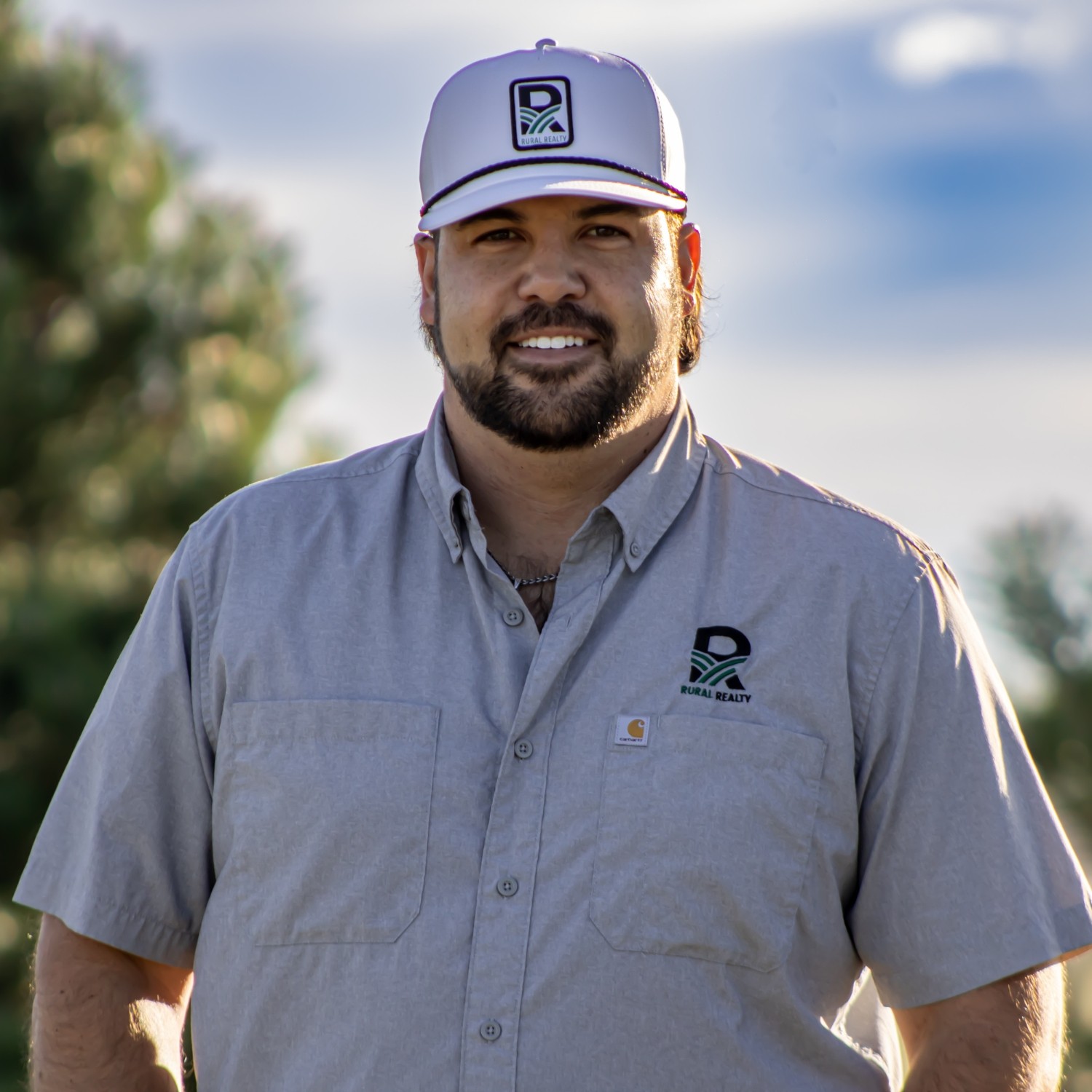
Alec Horton founded Rural Realty in 2025 to help Western Kansas landowners navigate the complexities of buying and selling rural properties with confidence. Born and raised in Leoti, Alec comes from four generations of farmers, giving him a deep understanding of the land and the people who work it. After 16 years of buying and selling agricultural land for his own family’s farm, he saw firsthand the challenges landowners face—uncertain pricing, complex transactions, and a lack of dedicated rural real estate expertise. Determined to bridge that gap, he launched Rural Realty to provide honest, knowledgeable, and personalized service to farmers, ranchers, and investors. As a licensed land broker, Alec and his team brings local insight, industry expertise, and a passion for helping clients achieve their landownership goals.
Meet the Founder of Rural Realty
Alec Horton
Alec Horton founded Rural Realty in 2025 to give landowners across Western Kansas a trusted partner in buying and selling rural properties. A fourth-generation farmer from Leoti with 16 years of experience in agricultural land deals, Alec saw the need for a brokerage that truly understands the land and the people who work it. With a deep knowledge of local markets and a commitment to honest, personalized service, Rural Realty helps farmers, ranchers, and investors navigate complex transactions with confidence.
Meet the Founder of Rural Realty
Alec Horton
Alec Horton founded Rural Realty in 2025 to help Western Kansas landowners navigate the complexities of buying and selling rural properties with confidence. Born and raised in Leoti, Alec comes from four generations of farmers, giving him a deep understanding of the land and the people who work it. After 16 years of buying and selling agricultural land for his own family’s farm, he saw firsthand the challenges landowners face—uncertain pricing, complex transactions, and a lack of dedicated rural real estate expertise. Determined to bridge that gap, he launched Rural Realty to provide honest, knowledgeable, and personalized service to farmers, ranchers, and investors. As a licensed land broker, Alec and his team brings local insight, industry expertise, and a passion for helping clients achieve their landownership goals.
Farm Experience You Can Trust
Local Knowledge. Proven Results.
46+
2023-2025 Farm Transactions
18+
Years of Farmland Experience
700+
Network of Kansas Farmers
Farm Experience You Can Trust
Local Knowledge. Proven Results.
46+
2023-2025 Farm Transactions
18+
Years of Farmland Experience
700+
Network of Kansas Farmers
Farm Experience You Can Trust
Local Knowledge. Proven Results.
46+
2023-2025 Farm Transactions
18+
Years of Farmland Experience
700+
Network of Kansas Farmers
Rural Realty Services
Comprehensive Farmland Services
Explore the Comprehensive Real Estate Solutions for Kansas farmers, landowners, families, and investors at Rural Realty
Buy a Farm
Expert guidance in finding the perfect agricultural property.
Sell Your Farm
Strategic marketing and valuation for maximum return.
Land Valuation
Receive an accurate property valuation to inform your decisions.
Rural Realty Services
Comprehensive Farmland Services
Explore the Comprehensive Real Estate Solutions for Kansas farmers, landowners, families, and investors at Rural Realty
Buy a Farm
Expert guidance in finding the perfect agricultural property.
Sell Your Farm
Strategic marketing and valuation for maximum return.
Land Valuation
Receive an accurate property valuation to inform your decisions.
Rural Realty Services
Comprehensive Farmland Services
Explore the Comprehensive Real Estate Solutions for Kansas farmers, landowners, families, and investors at Rural Realty
Buy a Farm
Expert guidance in finding the perfect agricultural property.
Sell Your Farm
Strategic marketing and valuation for maximum return.
Land Valuation
Receive an accurate property valuation to inform your decisions.
Kansas Property Expertise
From farmland to family homes, Rural Realty brings generations of local expertise to every real estate transaction.
Kansas
Rural Homes
Rural Realty helps families find their perfect country property, specializing in homes with acreage across Kansas.

Kansas
Farmland
With over four generations of farming experience, Rural Realty brings unique insight to every agricultural land transaction.

Kansas
Ranchland
Rural Realty's deep understanding of ranch operations helps buyers and sellers make confident decisions about ranching properties.

Kansas
Hunting Properties
Rural Realty combines recreational value with agricultural opportunities to maximize returns on hunting property investments.

Kansas
Commercial Properties
From retail spaces to agricultural warehouses, Rural Realty guides clients through every commercial real estate transaction.

Kansas Property Expertise
From farmland to family homes, Rural Realty brings generations of local expertise to every real estate transaction.
Kansas
Rural Homes
Rural Realty helps families find their perfect country property, specializing in homes with acreage across Kansas.
Kansas
Farmland
With over four generations of farming experience, Rural Realty brings unique insight to every agricultural land transaction.
Kansas
Ranchland
Rural Realty's deep understanding of ranch operations helps buyers and sellers make confident decisions about ranching properties.
Kansas
Hunting Properties
Rural Realty combines recreational value with agricultural opportunities to maximize returns on hunting property investments.
Kansas
Commercial Properties
From retail spaces to agricultural warehouses, Rural Realty guides clients through every commercial real estate transaction.
Kansas Property Expertise
From farmland to family homes, Rural Realty brings generations of local expertise to every real estate transaction.
Kansas
Rural Homes
Rural Realty helps families find their perfect country property, specializing in homes with acreage across Kansas.
Kansas
Farmland
With over four generations of farming experience, Rural Realty brings unique insight to every agricultural land transaction.
Kansas
Ranchland
Rural Realty's deep understanding of ranch operations helps buyers and sellers make confident decisions about ranching properties.
Kansas
Hunting Properties
Rural Realty combines recreational value with agricultural opportunities to maximize returns on hunting property investments.
Kansas
Commercial Properties
From retail spaces to agricultural warehouses, Rural Realty guides clients through every commercial real estate transaction.
Ready to Buy or Sell Your Farm in Kansas?
Contact Rural Realty today for a personalized consultation about your farmland goals. Your agricultural future starts with the right land real estate agent.
Find an Agent in your Area
Contact Rural Realty
Find an Agent in your Area
Ready to Buy or Sell Your Farm in Kansas?
Contact Rural Realty today for a personalized consultation about your farmland goals. Your agricultural future starts with the right land real estate agent.
Find an Agent in your Area