Where to Start When Looking at Agriculture Lands for Sale
Alec Horton
•
Rural Realty
•

Looking at agriculture lands for sale can feel like a big deal, especially if it’s your first time. Land in Kansas can vary a lot from one county to the next, and there’s a lot more to it than just picking a place that looks open and flat. Some spots are great for crops, others for cattle, and some just don’t work well for either. Choosing where to begin can take a little time, but it gets easier when you break things down into smaller pieces.
If you’re starting your search during the winter, like early January, now’s the time to focus on learning and planning. The growing season hasn’t started yet, which gives you more room to make steady decisions without rushing. Here’s how we suggest getting your boots on the ground and making sense of what’s out there.
Know Your Purpose for Buying
Before anything else, be clear about what you want to do with the land. That sounds simple, but it’s one of the most important steps. Different plans need different types of land.
• If you're planning to farm, you’ll want to look at soil types, water access, and past land use.
• If you're thinking about ranching, fencing, grazing areas, and shelter become top priorities.
• If your goal is leasing the land or keeping it as an investment, make sure it’s in a location where demand stays steady over time.
Having a clear goal up front makes it easier to compare properties. It also helps you avoid going down the wrong path. A piece of ground that’s great for cattle might be a bad fit for grain crops or vice versa. Once you know how you want to use the land, you can begin to look at properties through the right lens.
Choose the Right Location in Kansas
Kansas is a big state with a lot of variety. What works in Wallace County might not work the same in Bourbon County. Some areas have rougher ground better suited for pasture, while others have flat land with higher yield potential for crops.
Think about what matters most to you. For example:
• Do you want to be close to town or near a grain elevator, highway, or rail line?
• Do you need strong road access even during wet seasons?
• Is hunting or recreational use part of your plan?
Kansas weather plays a role, too. Winters can be tough, and wind is always a factor. The farther west you go, the drier it tends to be. Make sure the local conditions match up with your long-term goals.
If you are buying land for a specific purpose, the location can be just as significant as the land itself. Some areas are known for consistently strong yields, while others offer excellent grazing conditions. Access to markets, services, and infrastructure should play into your decisions. Reliability of road access is worth checking, especially if you anticipate needing to haul equipment, crop, or livestock on a regular basis, including through muddy or icy conditions.
Get Familiar With Common Land Features
Once you start visiting properties, you’ll notice how different each one can be, even if they’re only a few miles apart. Getting familiar with common features helps you read the land better.
• Soil: You want to know not just what type it is, but how deep and healthy it is for your intended use.
• Slope and drainage: Flat isn’t always better. Some slope is good for water movement, but too much can lead to erosion.
• Previous use: Ground that’s been worked hard for years may need time to recover, while untouched grassland might still have native value.
In the winter, many features are easier to see. If the ground is frozen, you can walk it without mud slowing you down. Dormant crops, leftover stalks, and lack of plant cover might help reveal erosion spots, compacted soil, or signs of heavy wildlife use.
Take notes of both good and bad aspects as you visit different parcels. Beyond the basics, look at property boundaries, field size, and possible obstacles. This might include wooded sections, creeks, or sandier ground. Maps and aerial photos can offer helpful perspective, but nothing compares to seeing a place in person and talking to others who know it well.
Talk to Someone Who Knows the Local Land
It’s one thing to drive by a piece of dirt and have a good feeling. It’s something else entirely to understand what’s really going on under the surface. This is where experienced help saves time.
For example, our team is based in Leoti, Kansas, and brings firsthand insights from working directly within the region’s agriculture communities. Our deep ties to Kansas farmland mean we understand the seasonal cycles, zoning, and water rights regulations that affect property value. Someone who works closely with land in Kansas every week can point out red flags or strengths you might not think to look for. They know which areas have dependable yields, which roads stay passable, and where water access is more reliable.
We can also connect you to properties that might not be listed on big sites. Not all agriculture lands for sale make it to public listings. In some rural areas, good land changes hands through word of mouth or private contact. You don’t want to miss those chances.
You might learn about unique challenges, such as wind erosion prevention or irrigation needs, that do not show up in listings. These kinds of details can mean the difference between a solid investment and an ongoing problem.
Understand What Comes With the Land
Not every piece of land includes everything you think it does. Before getting serious about any one place, you’ll want to ask a few questions:
• Does the sale include water rights or mineral rights?
• Are there any agreements in place with neighbors, like shared fences or road easements?
• Are parts of the land currently being leased out, or locked into agreements you’ll need to honor?
It’s also common for a section of the land to be less usable than it looks. That low-lying area might not drain well, or those trees could sit on a floodplain. Take time to check aerial maps and ask about past use. You don’t want surprises after you’ve made a decision.
Keep in mind that some transactions come with existing leases, government program contracts, or conservation easements. Being aware of legal obligations or restrictions on the property helps make sure that there are no delays or disappointments after closing the deal.
Set Yourself Up for a Successful Land Search
Starting a search like this can feel like a big task, but it doesn’t need to happen all at once. By looking at how you’ll use the land, narrowing down the right part of Kansas, and getting familiar with features that matter, you’ll work your way into choices that fit.
Winter gives you some breathing room. Most fields are resting, and fewer buyers are pushing hard. It's the perfect time to learn what’s out there, get your questions ready, and eventually walk land that matches your plan. With steady steps and the right help, you’ll be better prepared to find a property you feel confident about.
At Rural Realty, we’re dedicated to helping you make informed decisions when buying land in Kansas. From evaluating the right soil and understanding local access to considering weather and long-term value, our team is here to guide you every step of the way. Whether your goals include pasture ground, row crops, or a lasting investment, we want to help you find the perfect match. Explore our available agriculture lands for sale and get in touch with us when you’re ready to talk.

Alec Horton- Licensed KS Broker
Weekly Newsletter Update!
Join the Newsletter to Receive Kansas Market Updates
Stay up-to-date with the latest land prices, properties for sale, and tips for managing and selling your farm!
Blog Articles

Unexpected Income Streams on Kansas Ranch Land for Sale
Alec Horton
Learn More

Evaluating Kansas Farmland Rental History Before You Buy
Alec Horton
Learn More

Kansas Ranch Listing Terms: Stocking Rate, AUMs, Carrying Capacity
Alec Horton
Learn More

Leasing vs. Selling Kansas Farmland: Choosing the Right Path
Alec Horton
Learn More

Reading Kansas Land Listings When You Want Hunting Income
Alec Horton
Learn More
Where to Start When Looking at Agriculture Lands for Sale
Alec Horton
•
Rural Realty
Looking at agriculture lands for sale can feel like a big deal, especially if it’s your first time. Land in Kansas can vary a lot from one county to the next, and there’s a lot more to it than just picking a place that looks open and flat. Some spots are great for crops, others for cattle, and some just don’t work well for either. Choosing where to begin can take a little time, but it gets easier when you break things down into smaller pieces.
If you’re starting your search during the winter, like early January, now’s the time to focus on learning and planning. The growing season hasn’t started yet, which gives you more room to make steady decisions without rushing. Here’s how we suggest getting your boots on the ground and making sense of what’s out there.
Know Your Purpose for Buying
Before anything else, be clear about what you want to do with the land. That sounds simple, but it’s one of the most important steps. Different plans need different types of land.
• If you're planning to farm, you’ll want to look at soil types, water access, and past land use.
• If you're thinking about ranching, fencing, grazing areas, and shelter become top priorities.
• If your goal is leasing the land or keeping it as an investment, make sure it’s in a location where demand stays steady over time.
Having a clear goal up front makes it easier to compare properties. It also helps you avoid going down the wrong path. A piece of ground that’s great for cattle might be a bad fit for grain crops or vice versa. Once you know how you want to use the land, you can begin to look at properties through the right lens.
Choose the Right Location in Kansas
Kansas is a big state with a lot of variety. What works in Wallace County might not work the same in Bourbon County. Some areas have rougher ground better suited for pasture, while others have flat land with higher yield potential for crops.
Think about what matters most to you. For example:
• Do you want to be close to town or near a grain elevator, highway, or rail line?
• Do you need strong road access even during wet seasons?
• Is hunting or recreational use part of your plan?
Kansas weather plays a role, too. Winters can be tough, and wind is always a factor. The farther west you go, the drier it tends to be. Make sure the local conditions match up with your long-term goals.
If you are buying land for a specific purpose, the location can be just as significant as the land itself. Some areas are known for consistently strong yields, while others offer excellent grazing conditions. Access to markets, services, and infrastructure should play into your decisions. Reliability of road access is worth checking, especially if you anticipate needing to haul equipment, crop, or livestock on a regular basis, including through muddy or icy conditions.
Get Familiar With Common Land Features
Once you start visiting properties, you’ll notice how different each one can be, even if they’re only a few miles apart. Getting familiar with common features helps you read the land better.
• Soil: You want to know not just what type it is, but how deep and healthy it is for your intended use.
• Slope and drainage: Flat isn’t always better. Some slope is good for water movement, but too much can lead to erosion.
• Previous use: Ground that’s been worked hard for years may need time to recover, while untouched grassland might still have native value.
In the winter, many features are easier to see. If the ground is frozen, you can walk it without mud slowing you down. Dormant crops, leftover stalks, and lack of plant cover might help reveal erosion spots, compacted soil, or signs of heavy wildlife use.
Take notes of both good and bad aspects as you visit different parcels. Beyond the basics, look at property boundaries, field size, and possible obstacles. This might include wooded sections, creeks, or sandier ground. Maps and aerial photos can offer helpful perspective, but nothing compares to seeing a place in person and talking to others who know it well.
Talk to Someone Who Knows the Local Land
It’s one thing to drive by a piece of dirt and have a good feeling. It’s something else entirely to understand what’s really going on under the surface. This is where experienced help saves time.
For example, our team is based in Leoti, Kansas, and brings firsthand insights from working directly within the region’s agriculture communities. Our deep ties to Kansas farmland mean we understand the seasonal cycles, zoning, and water rights regulations that affect property value. Someone who works closely with land in Kansas every week can point out red flags or strengths you might not think to look for. They know which areas have dependable yields, which roads stay passable, and where water access is more reliable.
We can also connect you to properties that might not be listed on big sites. Not all agriculture lands for sale make it to public listings. In some rural areas, good land changes hands through word of mouth or private contact. You don’t want to miss those chances.
You might learn about unique challenges, such as wind erosion prevention or irrigation needs, that do not show up in listings. These kinds of details can mean the difference between a solid investment and an ongoing problem.
Understand What Comes With the Land
Not every piece of land includes everything you think it does. Before getting serious about any one place, you’ll want to ask a few questions:
• Does the sale include water rights or mineral rights?
• Are there any agreements in place with neighbors, like shared fences or road easements?
• Are parts of the land currently being leased out, or locked into agreements you’ll need to honor?
It’s also common for a section of the land to be less usable than it looks. That low-lying area might not drain well, or those trees could sit on a floodplain. Take time to check aerial maps and ask about past use. You don’t want surprises after you’ve made a decision.
Keep in mind that some transactions come with existing leases, government program contracts, or conservation easements. Being aware of legal obligations or restrictions on the property helps make sure that there are no delays or disappointments after closing the deal.
Set Yourself Up for a Successful Land Search
Starting a search like this can feel like a big task, but it doesn’t need to happen all at once. By looking at how you’ll use the land, narrowing down the right part of Kansas, and getting familiar with features that matter, you’ll work your way into choices that fit.
Winter gives you some breathing room. Most fields are resting, and fewer buyers are pushing hard. It's the perfect time to learn what’s out there, get your questions ready, and eventually walk land that matches your plan. With steady steps and the right help, you’ll be better prepared to find a property you feel confident about.
At Rural Realty, we’re dedicated to helping you make informed decisions when buying land in Kansas. From evaluating the right soil and understanding local access to considering weather and long-term value, our team is here to guide you every step of the way. Whether your goals include pasture ground, row crops, or a lasting investment, we want to help you find the perfect match. Explore our available agriculture lands for sale and get in touch with us when you’re ready to talk.
Where to Start When Looking at Agriculture Lands for Sale
Alec Horton
•
Rural Realty
•
Looking at agriculture lands for sale can feel like a big deal, especially if it’s your first time. Land in Kansas can vary a lot from one county to the next, and there’s a lot more to it than just picking a place that looks open and flat. Some spots are great for crops, others for cattle, and some just don’t work well for either. Choosing where to begin can take a little time, but it gets easier when you break things down into smaller pieces.
If you’re starting your search during the winter, like early January, now’s the time to focus on learning and planning. The growing season hasn’t started yet, which gives you more room to make steady decisions without rushing. Here’s how we suggest getting your boots on the ground and making sense of what’s out there.
Know Your Purpose for Buying
Before anything else, be clear about what you want to do with the land. That sounds simple, but it’s one of the most important steps. Different plans need different types of land.
• If you're planning to farm, you’ll want to look at soil types, water access, and past land use.
• If you're thinking about ranching, fencing, grazing areas, and shelter become top priorities.
• If your goal is leasing the land or keeping it as an investment, make sure it’s in a location where demand stays steady over time.
Having a clear goal up front makes it easier to compare properties. It also helps you avoid going down the wrong path. A piece of ground that’s great for cattle might be a bad fit for grain crops or vice versa. Once you know how you want to use the land, you can begin to look at properties through the right lens.
Choose the Right Location in Kansas
Kansas is a big state with a lot of variety. What works in Wallace County might not work the same in Bourbon County. Some areas have rougher ground better suited for pasture, while others have flat land with higher yield potential for crops.
Think about what matters most to you. For example:
• Do you want to be close to town or near a grain elevator, highway, or rail line?
• Do you need strong road access even during wet seasons?
• Is hunting or recreational use part of your plan?
Kansas weather plays a role, too. Winters can be tough, and wind is always a factor. The farther west you go, the drier it tends to be. Make sure the local conditions match up with your long-term goals.
If you are buying land for a specific purpose, the location can be just as significant as the land itself. Some areas are known for consistently strong yields, while others offer excellent grazing conditions. Access to markets, services, and infrastructure should play into your decisions. Reliability of road access is worth checking, especially if you anticipate needing to haul equipment, crop, or livestock on a regular basis, including through muddy or icy conditions.
Get Familiar With Common Land Features
Once you start visiting properties, you’ll notice how different each one can be, even if they’re only a few miles apart. Getting familiar with common features helps you read the land better.
• Soil: You want to know not just what type it is, but how deep and healthy it is for your intended use.
• Slope and drainage: Flat isn’t always better. Some slope is good for water movement, but too much can lead to erosion.
• Previous use: Ground that’s been worked hard for years may need time to recover, while untouched grassland might still have native value.
In the winter, many features are easier to see. If the ground is frozen, you can walk it without mud slowing you down. Dormant crops, leftover stalks, and lack of plant cover might help reveal erosion spots, compacted soil, or signs of heavy wildlife use.
Take notes of both good and bad aspects as you visit different parcels. Beyond the basics, look at property boundaries, field size, and possible obstacles. This might include wooded sections, creeks, or sandier ground. Maps and aerial photos can offer helpful perspective, but nothing compares to seeing a place in person and talking to others who know it well.
Talk to Someone Who Knows the Local Land
It’s one thing to drive by a piece of dirt and have a good feeling. It’s something else entirely to understand what’s really going on under the surface. This is where experienced help saves time.
For example, our team is based in Leoti, Kansas, and brings firsthand insights from working directly within the region’s agriculture communities. Our deep ties to Kansas farmland mean we understand the seasonal cycles, zoning, and water rights regulations that affect property value. Someone who works closely with land in Kansas every week can point out red flags or strengths you might not think to look for. They know which areas have dependable yields, which roads stay passable, and where water access is more reliable.
We can also connect you to properties that might not be listed on big sites. Not all agriculture lands for sale make it to public listings. In some rural areas, good land changes hands through word of mouth or private contact. You don’t want to miss those chances.
You might learn about unique challenges, such as wind erosion prevention or irrigation needs, that do not show up in listings. These kinds of details can mean the difference between a solid investment and an ongoing problem.
Understand What Comes With the Land
Not every piece of land includes everything you think it does. Before getting serious about any one place, you’ll want to ask a few questions:
• Does the sale include water rights or mineral rights?
• Are there any agreements in place with neighbors, like shared fences or road easements?
• Are parts of the land currently being leased out, or locked into agreements you’ll need to honor?
It’s also common for a section of the land to be less usable than it looks. That low-lying area might not drain well, or those trees could sit on a floodplain. Take time to check aerial maps and ask about past use. You don’t want surprises after you’ve made a decision.
Keep in mind that some transactions come with existing leases, government program contracts, or conservation easements. Being aware of legal obligations or restrictions on the property helps make sure that there are no delays or disappointments after closing the deal.
Set Yourself Up for a Successful Land Search
Starting a search like this can feel like a big task, but it doesn’t need to happen all at once. By looking at how you’ll use the land, narrowing down the right part of Kansas, and getting familiar with features that matter, you’ll work your way into choices that fit.
Winter gives you some breathing room. Most fields are resting, and fewer buyers are pushing hard. It's the perfect time to learn what’s out there, get your questions ready, and eventually walk land that matches your plan. With steady steps and the right help, you’ll be better prepared to find a property you feel confident about.
At Rural Realty, we’re dedicated to helping you make informed decisions when buying land in Kansas. From evaluating the right soil and understanding local access to considering weather and long-term value, our team is here to guide you every step of the way. Whether your goals include pasture ground, row crops, or a lasting investment, we want to help you find the perfect match. Explore our available agriculture lands for sale and get in touch with us when you’re ready to talk.
Meet the Founder of Rural Realty
Alec Horton
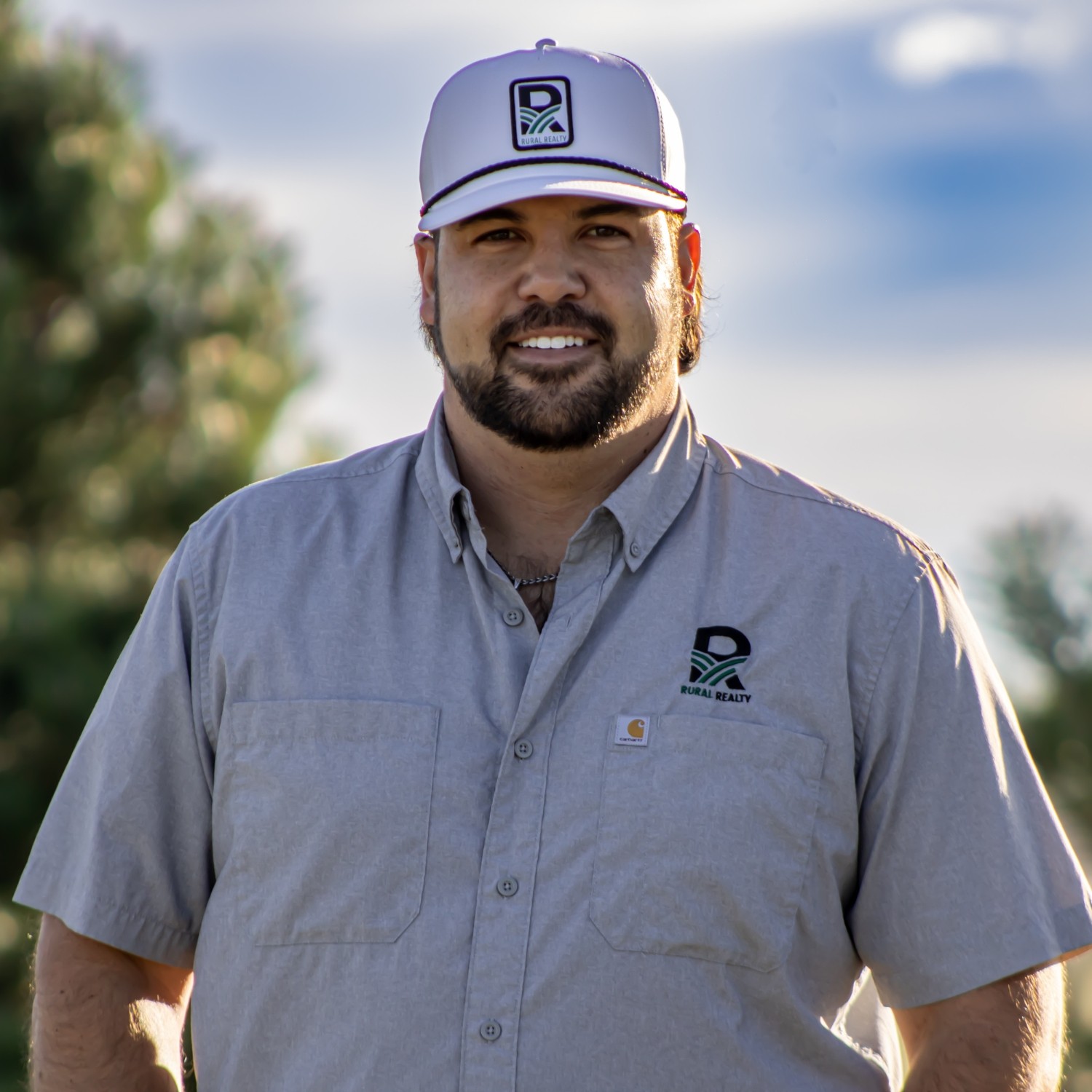
Alec Horton founded Rural Realty in 2025 to help Western Kansas landowners navigate the complexities of buying and selling rural properties with confidence. Born and raised in Leoti, Alec comes from four generations of farmers, giving him a deep understanding of the land and the people who work it. After 16 years of buying and selling agricultural land for his own family’s farm, he saw firsthand the challenges landowners face—uncertain pricing, complex transactions, and a lack of dedicated rural real estate expertise. Determined to bridge that gap, he launched Rural Realty to provide honest, knowledgeable, and personalized service to farmers, ranchers, and investors. As a licensed land broker, Alec and his team brings local insight, industry expertise, and a passion for helping clients achieve their landownership goals.
Meet the Founder of Rural Realty
Alec Horton
Alec Horton founded Rural Realty in 2025 to give landowners across Western Kansas a trusted partner in buying and selling rural properties. A fourth-generation farmer from Leoti with 16 years of experience in agricultural land deals, Alec saw the need for a brokerage that truly understands the land and the people who work it. With a deep knowledge of local markets and a commitment to honest, personalized service, Rural Realty helps farmers, ranchers, and investors navigate complex transactions with confidence.
Meet the Founder of Rural Realty
Alec Horton
Alec Horton founded Rural Realty in 2025 to help Western Kansas landowners navigate the complexities of buying and selling rural properties with confidence. Born and raised in Leoti, Alec comes from four generations of farmers, giving him a deep understanding of the land and the people who work it. After 16 years of buying and selling agricultural land for his own family’s farm, he saw firsthand the challenges landowners face—uncertain pricing, complex transactions, and a lack of dedicated rural real estate expertise. Determined to bridge that gap, he launched Rural Realty to provide honest, knowledgeable, and personalized service to farmers, ranchers, and investors. As a licensed land broker, Alec and his team brings local insight, industry expertise, and a passion for helping clients achieve their landownership goals.
Farm Experience You Can Trust
Local Knowledge. Proven Results.
46+
2023-2025 Farm Transactions
18+
Years of Farmland Experience
700+
Network of Kansas Farmers
Farm Experience You Can Trust
Local Knowledge. Proven Results.
46+
2023-2025 Farm Transactions
18+
Years of Farmland Experience
700+
Network of Kansas Farmers
Farm Experience You Can Trust
Local Knowledge. Proven Results.
46+
2023-2025 Farm Transactions
18+
Years of Farmland Experience
700+
Network of Kansas Farmers
Rural Realty Services
Comprehensive Farmland Services
Explore the Comprehensive Real Estate Solutions for Kansas farmers, landowners, families, and investors at Rural Realty
Buy a Farm
Expert guidance in finding the perfect agricultural property.
Sell Your Farm
Strategic marketing and valuation for maximum return.
Land Valuation
Receive an accurate property valuation to inform your decisions.
Rural Realty Services
Comprehensive Farmland Services
Explore the Comprehensive Real Estate Solutions for Kansas farmers, landowners, families, and investors at Rural Realty
Buy a Farm
Expert guidance in finding the perfect agricultural property.
Sell Your Farm
Strategic marketing and valuation for maximum return.
Land Valuation
Receive an accurate property valuation to inform your decisions.
Rural Realty Services
Comprehensive Farmland Services
Explore the Comprehensive Real Estate Solutions for Kansas farmers, landowners, families, and investors at Rural Realty
Buy a Farm
Expert guidance in finding the perfect agricultural property.
Sell Your Farm
Strategic marketing and valuation for maximum return.
Land Valuation
Receive an accurate property valuation to inform your decisions.
Kansas Property Expertise
From farmland to family homes, Rural Realty brings generations of local expertise to every real estate transaction.
Kansas
Rural Homes
Rural Realty helps families find their perfect country property, specializing in homes with acreage across Kansas.

Kansas
Farmland
With over four generations of farming experience, Rural Realty brings unique insight to every agricultural land transaction.

Kansas
Ranchland
Rural Realty's deep understanding of ranch operations helps buyers and sellers make confident decisions about ranching properties.

Kansas
Hunting Properties
Rural Realty combines recreational value with agricultural opportunities to maximize returns on hunting property investments.

Kansas
Commercial Properties
From retail spaces to agricultural warehouses, Rural Realty guides clients through every commercial real estate transaction.

Kansas Property Expertise
From farmland to family homes, Rural Realty brings generations of local expertise to every real estate transaction.
Kansas
Rural Homes
Rural Realty helps families find their perfect country property, specializing in homes with acreage across Kansas.
Kansas
Farmland
With over four generations of farming experience, Rural Realty brings unique insight to every agricultural land transaction.
Kansas
Ranchland
Rural Realty's deep understanding of ranch operations helps buyers and sellers make confident decisions about ranching properties.
Kansas
Hunting Properties
Rural Realty combines recreational value with agricultural opportunities to maximize returns on hunting property investments.
Kansas
Commercial Properties
From retail spaces to agricultural warehouses, Rural Realty guides clients through every commercial real estate transaction.
Kansas Property Expertise
From farmland to family homes, Rural Realty brings generations of local expertise to every real estate transaction.
Kansas
Rural Homes
Rural Realty helps families find their perfect country property, specializing in homes with acreage across Kansas.
Kansas
Farmland
With over four generations of farming experience, Rural Realty brings unique insight to every agricultural land transaction.
Kansas
Ranchland
Rural Realty's deep understanding of ranch operations helps buyers and sellers make confident decisions about ranching properties.
Kansas
Hunting Properties
Rural Realty combines recreational value with agricultural opportunities to maximize returns on hunting property investments.
Kansas
Commercial Properties
From retail spaces to agricultural warehouses, Rural Realty guides clients through every commercial real estate transaction.
Ready to Buy or Sell Your Farm in Kansas?
Contact Rural Realty today for a personalized consultation about your farmland goals. Your agricultural future starts with the right land real estate agent.
Find an Agent in your Area
Contact Rural Realty
Find an Agent in your Area
Ready to Buy or Sell Your Farm in Kansas?
Contact Rural Realty today for a personalized consultation about your farmland goals. Your agricultural future starts with the right land real estate agent.
Find an Agent in your Area