What to Look for in Rural Home Foundations in Kansas
Alec Horton
•
Rural Realty
•
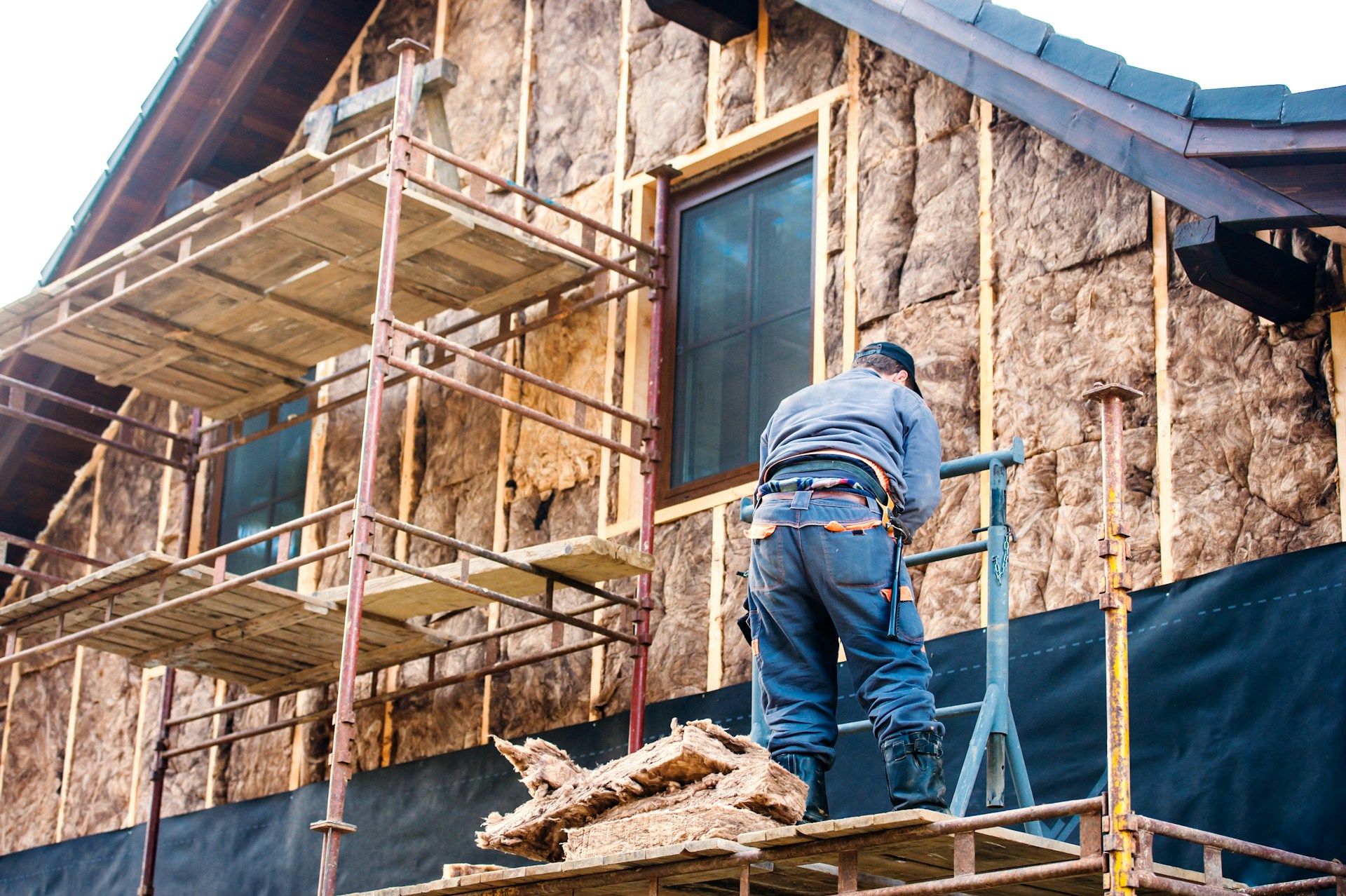
When searching for a rural home in Kansas, one of the most important aspects to consider is the foundation. This vital structure supports the entire home, and any issues can lead to costly repairs and potential safety hazards. Understanding the different types of foundations and recognizing potential problems can save buyers from future headaches and expenses.
As you explore rural homes for sale in Kansas, it's essential to look beyond the superficial beauty of a property. A solid foundation is key to ensuring the safety and longevity of your investment. Kansas presents its own set of challenges for rural homes due to its weather and soil conditions, making it even more important to pay attention to foundation details. Let's look at what you should consider when evaluating rural home foundations in this region.
Understanding Foundation Types
In Kansas, rural homes typically have one of three common foundation types: slab, crawl space, or basement. Each type comes with its own set of advantages and considerations, influenced by the local climate and soil conditions.
1. Slab Foundations:
- Slab foundations consist of a thick concrete slab poured directly on the ground.
- They are often more affordable and quicker to install, reducing construction time.
- However, without a crawl space, accessing plumbing or electrical systems can be more challenging.
2. Crawl Space Foundations:
- These foundations elevate the home slightly, providing a small space under the house for utilities.
- Crawl spaces help protect the house from dampness and can provide easier access for repairs.
- It's important to ensure proper ventilation to prevent moisture buildup, which can lead to mold.
3. Basement Foundations:
- Basements offer additional living or storage space and can add value to a home.
- Kansas homes with basements benefit from protection against extreme temperature fluctuations.
- However, waterproofing is crucial, as improper sealing can lead to flooding during heavy rains.
Each foundation type offers distinct benefits and potential drawbacks. The choice often depends on personal preference and the specific needs of the property. With Kansas experiencing various climate conditions, understanding these foundation types and how they interact with local soil and weather can guide you in making a smart choice.
Signs of Foundation Issues
Identifying potential foundation problems early can save you from major repairs later. Look out for these common signs that may indicate issues in a rural home:
- Cracks in Walls and Floors: Small hairline cracks might not be cause for immediate concern, but larger or growing cracks can point to shifting foundations.
- Uneven Floors: Sloping or bouncy floors could signal that parts of the foundation are settling unevenly.
- Sticky Doors and Windows: If doors and windows start sticking or becoming difficult to open, it might be due to shifts in the foundation.
Seeing these signs isn't an automatic deal-breaker, but they do warrant further investigation. They are significant for rural homes because they can indicate potential or ongoing issues that might not have been addressed by the previous owner. Understanding what to watch out for helps ensure that your new rural home remains a safe and stable environment for years to come.
Impact of Kansas Climate on Foundations
Kansas is known for its weather extremes, from hot summers to cold winters, with occasional severe storms in between. These fluctuating conditions can play a significant role in the health of a home's foundation. The soil in Kansas is made up of various types, including clay, which expands and contracts with moisture levels. This can lead to shifts in the foundation if not properly managed.
The freeze-thaw cycle during the winter months can also impact foundations. When water in the soil freezes, it expands and exerts pressure on the foundation. This repeated cycle can cause cracks and other damage over time. To prevent this, you should ensure proper drainage around the home to divert water away from the foundation, minimizing the risk of damage.
Detecting weather-related foundation problems early can save homeowners from extensive repairs. Here are some tips to help identify potential issues:
- Check for changes in your home's structure after a heavy rainstorm or significant snowmelt.
- Keep an eye on the foundation for cracks that may form due to temperature fluctuations.
- Consider installing a moisture barrier to protect against groundwater.
Importance of Professional Inspections
Before purchasing a rural home, it's wise to invest in a professional foundation inspection. Professionals bring expertise that can identify issues that might not be visible to the untrained eye. This step provides peace of mind, ensuring that your potential new home stands on a solid foundation.
A thorough inspection will typically include:
1. A visual examination for cracks, uneven surfaces, and water damage.
2. An assessment of the foundation's alignment to detect any shifts or settling.
3. Exploration of the surrounding soil and drainage systems to ensure they won't contribute to future problems.
Hiring an expert can prevent costly mistakes by uncovering hidden issues. It's a small price to pay for the long-term stability and safety of your home. A professional inspector can also advise on maintenance practices to keep your foundation in top condition, providing a safeguard for your investment.
Your Kansas Dream Home Awaits
Having a good understanding of home foundations is key to making a confident purchase. By recognizing the types of foundations common in Kansas and the signs of potential issues, you equip yourself for a smoother buying process. Awareness of how the local climate interacts with these structures further prepares you to care for your new home properly.
When you're ready to find the perfect rural home, you'll have the knowledge to look beyond the first glance and consider what truly supports the home of your dreams. Balancing aesthetic appeal with structural integrity will ensure your new rural retreat serves you well for years to come.
Finding the right foundation is the start of building your ideal life in Kansas. If you're thinking about moving to the countryside, take some time to explore your options for rural homes for sale in Kansas. With Rural Realty, you get experienced guidance and local insight to help you find a home that fits your lifestyle and stands strong for years to come.

Alec Horton- Licensed KS Broker
Weekly Newsletter Update!
Join the Newsletter to Receive Kansas Market Updates
Stay up-to-date with the latest land prices, properties for sale, and tips for managing and selling your farm!
Blog Articles

Unexpected Income Streams on Kansas Ranch Land for Sale
Alec Horton
Learn More

Evaluating Kansas Farmland Rental History Before You Buy
Alec Horton
Learn More

Kansas Ranch Listing Terms: Stocking Rate, AUMs, Carrying Capacity
Alec Horton
Learn More

Leasing vs. Selling Kansas Farmland: Choosing the Right Path
Alec Horton
Learn More

Reading Kansas Land Listings When You Want Hunting Income
Alec Horton
Learn More
What to Look for in Rural Home Foundations in Kansas
Alec Horton
•
Rural Realty
When searching for a rural home in Kansas, one of the most important aspects to consider is the foundation. This vital structure supports the entire home, and any issues can lead to costly repairs and potential safety hazards. Understanding the different types of foundations and recognizing potential problems can save buyers from future headaches and expenses.
As you explore rural homes for sale in Kansas, it's essential to look beyond the superficial beauty of a property. A solid foundation is key to ensuring the safety and longevity of your investment. Kansas presents its own set of challenges for rural homes due to its weather and soil conditions, making it even more important to pay attention to foundation details. Let's look at what you should consider when evaluating rural home foundations in this region.
Understanding Foundation Types
In Kansas, rural homes typically have one of three common foundation types: slab, crawl space, or basement. Each type comes with its own set of advantages and considerations, influenced by the local climate and soil conditions.
1. Slab Foundations:
- Slab foundations consist of a thick concrete slab poured directly on the ground.
- They are often more affordable and quicker to install, reducing construction time.
- However, without a crawl space, accessing plumbing or electrical systems can be more challenging.
2. Crawl Space Foundations:
- These foundations elevate the home slightly, providing a small space under the house for utilities.
- Crawl spaces help protect the house from dampness and can provide easier access for repairs.
- It's important to ensure proper ventilation to prevent moisture buildup, which can lead to mold.
3. Basement Foundations:
- Basements offer additional living or storage space and can add value to a home.
- Kansas homes with basements benefit from protection against extreme temperature fluctuations.
- However, waterproofing is crucial, as improper sealing can lead to flooding during heavy rains.
Each foundation type offers distinct benefits and potential drawbacks. The choice often depends on personal preference and the specific needs of the property. With Kansas experiencing various climate conditions, understanding these foundation types and how they interact with local soil and weather can guide you in making a smart choice.
Signs of Foundation Issues
Identifying potential foundation problems early can save you from major repairs later. Look out for these common signs that may indicate issues in a rural home:
- Cracks in Walls and Floors: Small hairline cracks might not be cause for immediate concern, but larger or growing cracks can point to shifting foundations.
- Uneven Floors: Sloping or bouncy floors could signal that parts of the foundation are settling unevenly.
- Sticky Doors and Windows: If doors and windows start sticking or becoming difficult to open, it might be due to shifts in the foundation.
Seeing these signs isn't an automatic deal-breaker, but they do warrant further investigation. They are significant for rural homes because they can indicate potential or ongoing issues that might not have been addressed by the previous owner. Understanding what to watch out for helps ensure that your new rural home remains a safe and stable environment for years to come.
Impact of Kansas Climate on Foundations
Kansas is known for its weather extremes, from hot summers to cold winters, with occasional severe storms in between. These fluctuating conditions can play a significant role in the health of a home's foundation. The soil in Kansas is made up of various types, including clay, which expands and contracts with moisture levels. This can lead to shifts in the foundation if not properly managed.
The freeze-thaw cycle during the winter months can also impact foundations. When water in the soil freezes, it expands and exerts pressure on the foundation. This repeated cycle can cause cracks and other damage over time. To prevent this, you should ensure proper drainage around the home to divert water away from the foundation, minimizing the risk of damage.
Detecting weather-related foundation problems early can save homeowners from extensive repairs. Here are some tips to help identify potential issues:
- Check for changes in your home's structure after a heavy rainstorm or significant snowmelt.
- Keep an eye on the foundation for cracks that may form due to temperature fluctuations.
- Consider installing a moisture barrier to protect against groundwater.
Importance of Professional Inspections
Before purchasing a rural home, it's wise to invest in a professional foundation inspection. Professionals bring expertise that can identify issues that might not be visible to the untrained eye. This step provides peace of mind, ensuring that your potential new home stands on a solid foundation.
A thorough inspection will typically include:
1. A visual examination for cracks, uneven surfaces, and water damage.
2. An assessment of the foundation's alignment to detect any shifts or settling.
3. Exploration of the surrounding soil and drainage systems to ensure they won't contribute to future problems.
Hiring an expert can prevent costly mistakes by uncovering hidden issues. It's a small price to pay for the long-term stability and safety of your home. A professional inspector can also advise on maintenance practices to keep your foundation in top condition, providing a safeguard for your investment.
Your Kansas Dream Home Awaits
Having a good understanding of home foundations is key to making a confident purchase. By recognizing the types of foundations common in Kansas and the signs of potential issues, you equip yourself for a smoother buying process. Awareness of how the local climate interacts with these structures further prepares you to care for your new home properly.
When you're ready to find the perfect rural home, you'll have the knowledge to look beyond the first glance and consider what truly supports the home of your dreams. Balancing aesthetic appeal with structural integrity will ensure your new rural retreat serves you well for years to come.
Finding the right foundation is the start of building your ideal life in Kansas. If you're thinking about moving to the countryside, take some time to explore your options for rural homes for sale in Kansas. With Rural Realty, you get experienced guidance and local insight to help you find a home that fits your lifestyle and stands strong for years to come.
What to Look for in Rural Home Foundations in Kansas
Alec Horton
•
Rural Realty
•
When searching for a rural home in Kansas, one of the most important aspects to consider is the foundation. This vital structure supports the entire home, and any issues can lead to costly repairs and potential safety hazards. Understanding the different types of foundations and recognizing potential problems can save buyers from future headaches and expenses.
As you explore rural homes for sale in Kansas, it's essential to look beyond the superficial beauty of a property. A solid foundation is key to ensuring the safety and longevity of your investment. Kansas presents its own set of challenges for rural homes due to its weather and soil conditions, making it even more important to pay attention to foundation details. Let's look at what you should consider when evaluating rural home foundations in this region.
Understanding Foundation Types
In Kansas, rural homes typically have one of three common foundation types: slab, crawl space, or basement. Each type comes with its own set of advantages and considerations, influenced by the local climate and soil conditions.
1. Slab Foundations:
- Slab foundations consist of a thick concrete slab poured directly on the ground.
- They are often more affordable and quicker to install, reducing construction time.
- However, without a crawl space, accessing plumbing or electrical systems can be more challenging.
2. Crawl Space Foundations:
- These foundations elevate the home slightly, providing a small space under the house for utilities.
- Crawl spaces help protect the house from dampness and can provide easier access for repairs.
- It's important to ensure proper ventilation to prevent moisture buildup, which can lead to mold.
3. Basement Foundations:
- Basements offer additional living or storage space and can add value to a home.
- Kansas homes with basements benefit from protection against extreme temperature fluctuations.
- However, waterproofing is crucial, as improper sealing can lead to flooding during heavy rains.
Each foundation type offers distinct benefits and potential drawbacks. The choice often depends on personal preference and the specific needs of the property. With Kansas experiencing various climate conditions, understanding these foundation types and how they interact with local soil and weather can guide you in making a smart choice.
Signs of Foundation Issues
Identifying potential foundation problems early can save you from major repairs later. Look out for these common signs that may indicate issues in a rural home:
- Cracks in Walls and Floors: Small hairline cracks might not be cause for immediate concern, but larger or growing cracks can point to shifting foundations.
- Uneven Floors: Sloping or bouncy floors could signal that parts of the foundation are settling unevenly.
- Sticky Doors and Windows: If doors and windows start sticking or becoming difficult to open, it might be due to shifts in the foundation.
Seeing these signs isn't an automatic deal-breaker, but they do warrant further investigation. They are significant for rural homes because they can indicate potential or ongoing issues that might not have been addressed by the previous owner. Understanding what to watch out for helps ensure that your new rural home remains a safe and stable environment for years to come.
Impact of Kansas Climate on Foundations
Kansas is known for its weather extremes, from hot summers to cold winters, with occasional severe storms in between. These fluctuating conditions can play a significant role in the health of a home's foundation. The soil in Kansas is made up of various types, including clay, which expands and contracts with moisture levels. This can lead to shifts in the foundation if not properly managed.
The freeze-thaw cycle during the winter months can also impact foundations. When water in the soil freezes, it expands and exerts pressure on the foundation. This repeated cycle can cause cracks and other damage over time. To prevent this, you should ensure proper drainage around the home to divert water away from the foundation, minimizing the risk of damage.
Detecting weather-related foundation problems early can save homeowners from extensive repairs. Here are some tips to help identify potential issues:
- Check for changes in your home's structure after a heavy rainstorm or significant snowmelt.
- Keep an eye on the foundation for cracks that may form due to temperature fluctuations.
- Consider installing a moisture barrier to protect against groundwater.
Importance of Professional Inspections
Before purchasing a rural home, it's wise to invest in a professional foundation inspection. Professionals bring expertise that can identify issues that might not be visible to the untrained eye. This step provides peace of mind, ensuring that your potential new home stands on a solid foundation.
A thorough inspection will typically include:
1. A visual examination for cracks, uneven surfaces, and water damage.
2. An assessment of the foundation's alignment to detect any shifts or settling.
3. Exploration of the surrounding soil and drainage systems to ensure they won't contribute to future problems.
Hiring an expert can prevent costly mistakes by uncovering hidden issues. It's a small price to pay for the long-term stability and safety of your home. A professional inspector can also advise on maintenance practices to keep your foundation in top condition, providing a safeguard for your investment.
Your Kansas Dream Home Awaits
Having a good understanding of home foundations is key to making a confident purchase. By recognizing the types of foundations common in Kansas and the signs of potential issues, you equip yourself for a smoother buying process. Awareness of how the local climate interacts with these structures further prepares you to care for your new home properly.
When you're ready to find the perfect rural home, you'll have the knowledge to look beyond the first glance and consider what truly supports the home of your dreams. Balancing aesthetic appeal with structural integrity will ensure your new rural retreat serves you well for years to come.
Finding the right foundation is the start of building your ideal life in Kansas. If you're thinking about moving to the countryside, take some time to explore your options for rural homes for sale in Kansas. With Rural Realty, you get experienced guidance and local insight to help you find a home that fits your lifestyle and stands strong for years to come.
Meet the Founder of Rural Realty
Alec Horton
Alec Horton founded Rural Realty in 2025 to help Western Kansas landowners navigate the complexities of buying and selling rural properties with confidence. Born and raised in Leoti, Alec comes from four generations of farmers, giving him a deep understanding of the land and the people who work it. After 16 years of buying and selling agricultural land for his own family’s farm, he saw firsthand the challenges landowners face—uncertain pricing, complex transactions, and a lack of dedicated rural real estate expertise. Determined to bridge that gap, he launched Rural Realty to provide honest, knowledgeable, and personalized service to farmers, ranchers, and investors. As a licensed land broker, Alec and his team brings local insight, industry expertise, and a passion for helping clients achieve their landownership goals.

Meet the Founder of Rural Realty
Alec Horton
Alec Horton founded Rural Realty in 2025 to give landowners across Western Kansas a trusted partner in buying and selling rural properties. A fourth-generation farmer from Leoti with 16 years of experience in agricultural land deals, Alec saw the need for a brokerage that truly understands the land and the people who work it. With a deep knowledge of local markets and a commitment to honest, personalized service, Rural Realty helps farmers, ranchers, and investors navigate complex transactions with confidence.
Meet the Founder of Rural Realty
Alec Horton
Alec Horton founded Rural Realty in 2025 to help Western Kansas landowners navigate the complexities of buying and selling rural properties with confidence. Born and raised in Leoti, Alec comes from four generations of farmers, giving him a deep understanding of the land and the people who work it. After 16 years of buying and selling agricultural land for his own family’s farm, he saw firsthand the challenges landowners face—uncertain pricing, complex transactions, and a lack of dedicated rural real estate expertise. Determined to bridge that gap, he launched Rural Realty to provide honest, knowledgeable, and personalized service to farmers, ranchers, and investors. As a licensed land broker, Alec and his team brings local insight, industry expertise, and a passion for helping clients achieve their landownership goals.
Farm Experience You Can Trust
Local Knowledge. Proven Results.
46+
2023-2025 Farm Transactions
18+
Years of Farmland Experience
700+
Network of Kansas Farmers
Farm Experience You Can Trust
Local Knowledge. Proven Results.
46+
2023-2025 Farm Transactions
18+
Years of Farmland Experience
700+
Network of Kansas Farmers
Farm Experience You Can Trust
Local Knowledge. Proven Results.
46+
2023-2025 Farm Transactions
18+
Years of Farmland Experience
700+
Network of Kansas Farmers
Rural Realty Services
Comprehensive Farmland Services
Explore the Comprehensive Real Estate Solutions for Kansas farmers, landowners, families, and investors at Rural Realty
Buy a Farm
Expert guidance in finding the perfect agricultural property.
Sell Your Farm
Strategic marketing and valuation for maximum return.
Land Valuation
Receive an accurate property valuation to inform your decisions.
Rural Realty Services
Comprehensive Farmland Services
Explore the Comprehensive Real Estate Solutions for Kansas farmers, landowners, families, and investors at Rural Realty
Buy a Farm
Expert guidance in finding the perfect agricultural property.
Sell Your Farm
Strategic marketing and valuation for maximum return.
Land Valuation
Receive an accurate property valuation to inform your decisions.
Rural Realty Services
Comprehensive Farmland Services
Explore the Comprehensive Real Estate Solutions for Kansas farmers, landowners, families, and investors at Rural Realty
Buy a Farm
Expert guidance in finding the perfect agricultural property.
Sell Your Farm
Strategic marketing and valuation for maximum return.
Land Valuation
Receive an accurate property valuation to inform your decisions.
Kansas Property Expertise
From farmland to family homes, Rural Realty brings generations of local expertise to every real estate transaction.
Kansas
Rural Homes
Rural Realty helps families find their perfect country property, specializing in homes with acreage across Kansas.

Kansas
Farmland
With over four generations of farming experience, Rural Realty brings unique insight to every agricultural land transaction.

Kansas
Ranchland
Rural Realty's deep understanding of ranch operations helps buyers and sellers make confident decisions about ranching properties.

Kansas
Hunting Properties
Rural Realty combines recreational value with agricultural opportunities to maximize returns on hunting property investments.

Kansas
Commercial Properties
From retail spaces to agricultural warehouses, Rural Realty guides clients through every commercial real estate transaction.

Kansas Property Expertise
From farmland to family homes, Rural Realty brings generations of local expertise to every real estate transaction.
Kansas
Rural Homes
Rural Realty helps families find their perfect country property, specializing in homes with acreage across Kansas.
Kansas
Farmland
With over four generations of farming experience, Rural Realty brings unique insight to every agricultural land transaction.
Kansas
Ranchland
Rural Realty's deep understanding of ranch operations helps buyers and sellers make confident decisions about ranching properties.
Kansas
Hunting Properties
Rural Realty combines recreational value with agricultural opportunities to maximize returns on hunting property investments.
Kansas
Commercial Properties
From retail spaces to agricultural warehouses, Rural Realty guides clients through every commercial real estate transaction.
Kansas Property Expertise
From farmland to family homes, Rural Realty brings generations of local expertise to every real estate transaction.
Kansas
Rural Homes
Rural Realty helps families find their perfect country property, specializing in homes with acreage across Kansas.
Kansas
Farmland
With over four generations of farming experience, Rural Realty brings unique insight to every agricultural land transaction.
Kansas
Ranchland
Rural Realty's deep understanding of ranch operations helps buyers and sellers make confident decisions about ranching properties.
Kansas
Hunting Properties
Rural Realty combines recreational value with agricultural opportunities to maximize returns on hunting property investments.
Kansas
Commercial Properties
From retail spaces to agricultural warehouses, Rural Realty guides clients through every commercial real estate transaction.
Ready to Buy or Sell Your Farm in Kansas?
Contact Rural Realty today for a personalized consultation about your farmland goals. Your agricultural future starts with the right land real estate agent.
Find an Agent in your Area
Contact Rural Realty
Find an Agent in your Area
Ready to Buy or Sell Your Farm in Kansas?
Contact Rural Realty today for a personalized consultation about your farmland goals. Your agricultural future starts with the right land real estate agent.
Find an Agent in your Area