What Farming Properties for Sale Look Like in Late Winter
Alec Horton
•
Rural Realty
•
Looking at farming properties for sale in late winter can feel different than any other time of year. The ground is bare, the trees are quiet, and everything sits still after months of cold. For those of us thinking about buying or selling, this season gives us a short window where we can see how the land really holds up during the toughest months.
February and early March in Kansas don’t come with green fields or fresh rows. Instead, we get a clear, honest look at what’s under it all. This makes it a smart time to walk a property and ask the right questions. Knowing what to watch for now can help us make better decisions before everything starts to warm up.
What You Can See on the Ground in Late Winter
One of the big advantages of late winter is how exposed the ground becomes. Without fresh growth or tall crops in the way, the shape and condition of a property are easier to read.
Snowmelt or pooled water shows where low spots and drainage trouble might be
Mud tracks and ruts reveal how access roads hold up after wet or icy periods
Fence lines and old gate posts are visible without tall grass or brush covering them
We often see more of the surface wear too. Whether it’s compacted tractor paths or bare patches in the pasture, everything raw gets exposed this time of year. It’s not always pretty, but it’s helpful when you're trying to picture what kind of work might be needed later.
If you walk the land now, you can also spot how the soil texture changes across the acres. Some areas might stay firmer while other sections become muddy as the thaw sets in. The way water sits on the property, along with how quickly those areas dry out, can help you figure out where improvements could make the land more usable or valuable over time.
Rural Realty often conducts property walks and visual assessments during late winter, helping buyers spot these features and make informed decisions about how much improvement or repair might be required.
Why Land Use History Shows Through this Time of Year
Late winter doesn’t lie. What’s been done, or not done, over the years tends to show. When we look at tillable fields right now, we can often spot signs that are hidden in other seasons.
Compacted ground or dead zones that don’t drain right
Uneven tillage patterns or strips left behind from older rotations
Leftover residue that didn't break down, especially in places where soil management has lagged
In pasture ground, winter shows if the land has been grazed too hard. We often check for worn trails, spots with hoof damage, or leftover hay piles that point to heavy use. We can even see whether there’s still a healthy root system hanging on or if the area might struggle to bounce back in spring.
It’s also easier to notice areas that might have been overworked in previous years. Bare spots, compacted sections, and drainage trouble are more obvious now, so buyers can ask good questions about past rotations and soil health. Small details often show up, a line where the grass won’t grow, a spot that always pools water, or a place where weeds have taken hold due to stress. These clues tell us not just about last season, but about how land has been handled year after year.
Rural Realty agents help buyers assess prior land use, crop rotations, and grazing intensity, factors that aren’t always obvious from listings alone.
How Outbuildings, Fences, and Water Sources Hold Up
By February, nearly everything that's been tested by weather shows it. Buildings, gates, and water points have all been through snow, wind, and freezing temps. We try to look for signs of wear that might be easy to miss when things are busier.
Loose barn doors, sagging shed roofs, or rusted panels that need attention
Fences leaning over or wires that have pulled loose from frozen ground
Water systems like tanks or troughs cracked from freezing or poor drainage
We swing every gate and tug at the hinges if we can. It’s the little things, like whether a latch holds or a shed leaks, that show how well a place has been kept up. These small checks give us a big clue about the overall care a property has had.
Stepping into old sheds or checking corners of barns might reveal pockets where water has gotten in or where insulation hasn’t held up. If there are water systems, you can see if they held up to the winter or if repairs are needed before spring use. Looking closely helps catch those small issues that could turn into bigger repairs down the road.
Fences are another spot to pay close attention to. Along property lines, you’ll quickly see if posts have shifted, wire has loosened, or gates have started to sag from frost moving the soil. Repairs are common after a tough winter, and knowing what you’ll need to fix gives you a good idea of long-term costs and upkeep.
What Makes Late Winter a Good Time for Viewings
Even though it’s cold and the ground might be frozen, late winter makes a great time to walk a property. Why? Because there’s nothing blocking the view. Decisions are easier when you can see the edges, corners, and slopes without guessing what's underneath.
Erosion lines, ditches, and hidden runoff trails stand out without new growth
Trees and brush don’t mask issues on fence lines or in field edges
It's easier to talk to neighbors or long-time locals who aren’t as busy right now
Another thing is, many sellers are in planning mode too. They may still be deciding what to do with their land. This can lead to viewing opportunities or conversations that are harder to start during busy spring or summer months. You’re not fighting crowds, and no one’s rushing.
We’ve found that late winter often means less competition for buyers and flexible timing for both parties if negotiations move forward.
If you want to get a full sense of topography and layout, this quiet season gives it to you. Even subtle dips and rises in the ground that might be covered in grass later will stand out after the snow and frost recede. You can see right away whether a slope sheds water or holds it, which is especially important if you’re thinking about drainage, future building, or pasture planning.
Winter often leaves behind old debris like fallen branches, weathered fence wire, or leftover equipment. While these might look messy, they can also tell a story about how the land has been used, what projects still need finishing, and how attentive the current owners have been about upkeep.
A Clearer View for Long-Term Choices
Seeing a property in late winter is like catching it with its guard down. You're able to read how it's been managed and whether it's set up to handle stress. Between the bare trees, the frozen ruts, and the slow pace of February, we get a chance to judge both the past and the potential.
For anyone looking at farming properties for sale while the fields are still quiet, it’s a season worth using. The view might not be pretty, but it’s real. And with spring just around the corner, making plans now means we can act with more clarity, and less pressure, when things pick back up.
If you’ve never walked a property in the winter months, you might be surprised at how much you can learn in just a short visit. With snow melted and ice fading, you can spot the spots that dry quickly, the patches that stay muddy, and where wind patterns have left drifts or bare ground. This unvarnished view helps you make choices that fit your long-term plans, whether you’re buying, selling, or just thinking ahead.
Thinking about making a move before the growing season starts? Late winter is an ideal time to walk the ground and get a clear view of the strengths and weak spots that matter as you consider your options. Many buyers use this season to get serious about their next step, especially when looking at farming properties for sale. At Rural Realty, we’re ready to talk about what makes the most sense for your goals, so give us a call when you’re ready to take the next step.

Alec Horton- Licensed KS Broker
Weekly Newsletter Update!
Join the Newsletter to Receive Kansas Market Updates
Stay up-to-date with the latest land prices, properties for sale, and tips for managing and selling your farm!
Blog Articles

Unexpected Income Streams on Kansas Ranch Land for Sale
Alec Horton
Learn More

Evaluating Kansas Farmland Rental History Before You Buy
Alec Horton
Learn More

Kansas Ranch Listing Terms: Stocking Rate, AUMs, Carrying Capacity
Alec Horton
Learn More

Leasing vs. Selling Kansas Farmland: Choosing the Right Path
Alec Horton
Learn More

Reading Kansas Land Listings When You Want Hunting Income
Alec Horton
Learn More
What Farming Properties for Sale Look Like in Late Winter
Alec Horton
•
Rural Realty
Looking at farming properties for sale in late winter can feel different than any other time of year. The ground is bare, the trees are quiet, and everything sits still after months of cold. For those of us thinking about buying or selling, this season gives us a short window where we can see how the land really holds up during the toughest months.
February and early March in Kansas don’t come with green fields or fresh rows. Instead, we get a clear, honest look at what’s under it all. This makes it a smart time to walk a property and ask the right questions. Knowing what to watch for now can help us make better decisions before everything starts to warm up.
What You Can See on the Ground in Late Winter
One of the big advantages of late winter is how exposed the ground becomes. Without fresh growth or tall crops in the way, the shape and condition of a property are easier to read.
Snowmelt or pooled water shows where low spots and drainage trouble might be
Mud tracks and ruts reveal how access roads hold up after wet or icy periods
Fence lines and old gate posts are visible without tall grass or brush covering them
We often see more of the surface wear too. Whether it’s compacted tractor paths or bare patches in the pasture, everything raw gets exposed this time of year. It’s not always pretty, but it’s helpful when you're trying to picture what kind of work might be needed later.
If you walk the land now, you can also spot how the soil texture changes across the acres. Some areas might stay firmer while other sections become muddy as the thaw sets in. The way water sits on the property, along with how quickly those areas dry out, can help you figure out where improvements could make the land more usable or valuable over time.
Rural Realty often conducts property walks and visual assessments during late winter, helping buyers spot these features and make informed decisions about how much improvement or repair might be required.
Why Land Use History Shows Through this Time of Year
Late winter doesn’t lie. What’s been done, or not done, over the years tends to show. When we look at tillable fields right now, we can often spot signs that are hidden in other seasons.
Compacted ground or dead zones that don’t drain right
Uneven tillage patterns or strips left behind from older rotations
Leftover residue that didn't break down, especially in places where soil management has lagged
In pasture ground, winter shows if the land has been grazed too hard. We often check for worn trails, spots with hoof damage, or leftover hay piles that point to heavy use. We can even see whether there’s still a healthy root system hanging on or if the area might struggle to bounce back in spring.
It’s also easier to notice areas that might have been overworked in previous years. Bare spots, compacted sections, and drainage trouble are more obvious now, so buyers can ask good questions about past rotations and soil health. Small details often show up, a line where the grass won’t grow, a spot that always pools water, or a place where weeds have taken hold due to stress. These clues tell us not just about last season, but about how land has been handled year after year.
Rural Realty agents help buyers assess prior land use, crop rotations, and grazing intensity, factors that aren’t always obvious from listings alone.
How Outbuildings, Fences, and Water Sources Hold Up
By February, nearly everything that's been tested by weather shows it. Buildings, gates, and water points have all been through snow, wind, and freezing temps. We try to look for signs of wear that might be easy to miss when things are busier.
Loose barn doors, sagging shed roofs, or rusted panels that need attention
Fences leaning over or wires that have pulled loose from frozen ground
Water systems like tanks or troughs cracked from freezing or poor drainage
We swing every gate and tug at the hinges if we can. It’s the little things, like whether a latch holds or a shed leaks, that show how well a place has been kept up. These small checks give us a big clue about the overall care a property has had.
Stepping into old sheds or checking corners of barns might reveal pockets where water has gotten in or where insulation hasn’t held up. If there are water systems, you can see if they held up to the winter or if repairs are needed before spring use. Looking closely helps catch those small issues that could turn into bigger repairs down the road.
Fences are another spot to pay close attention to. Along property lines, you’ll quickly see if posts have shifted, wire has loosened, or gates have started to sag from frost moving the soil. Repairs are common after a tough winter, and knowing what you’ll need to fix gives you a good idea of long-term costs and upkeep.
What Makes Late Winter a Good Time for Viewings
Even though it’s cold and the ground might be frozen, late winter makes a great time to walk a property. Why? Because there’s nothing blocking the view. Decisions are easier when you can see the edges, corners, and slopes without guessing what's underneath.
Erosion lines, ditches, and hidden runoff trails stand out without new growth
Trees and brush don’t mask issues on fence lines or in field edges
It's easier to talk to neighbors or long-time locals who aren’t as busy right now
Another thing is, many sellers are in planning mode too. They may still be deciding what to do with their land. This can lead to viewing opportunities or conversations that are harder to start during busy spring or summer months. You’re not fighting crowds, and no one’s rushing.
We’ve found that late winter often means less competition for buyers and flexible timing for both parties if negotiations move forward.
If you want to get a full sense of topography and layout, this quiet season gives it to you. Even subtle dips and rises in the ground that might be covered in grass later will stand out after the snow and frost recede. You can see right away whether a slope sheds water or holds it, which is especially important if you’re thinking about drainage, future building, or pasture planning.
Winter often leaves behind old debris like fallen branches, weathered fence wire, or leftover equipment. While these might look messy, they can also tell a story about how the land has been used, what projects still need finishing, and how attentive the current owners have been about upkeep.
A Clearer View for Long-Term Choices
Seeing a property in late winter is like catching it with its guard down. You're able to read how it's been managed and whether it's set up to handle stress. Between the bare trees, the frozen ruts, and the slow pace of February, we get a chance to judge both the past and the potential.
For anyone looking at farming properties for sale while the fields are still quiet, it’s a season worth using. The view might not be pretty, but it’s real. And with spring just around the corner, making plans now means we can act with more clarity, and less pressure, when things pick back up.
If you’ve never walked a property in the winter months, you might be surprised at how much you can learn in just a short visit. With snow melted and ice fading, you can spot the spots that dry quickly, the patches that stay muddy, and where wind patterns have left drifts or bare ground. This unvarnished view helps you make choices that fit your long-term plans, whether you’re buying, selling, or just thinking ahead.
Thinking about making a move before the growing season starts? Late winter is an ideal time to walk the ground and get a clear view of the strengths and weak spots that matter as you consider your options. Many buyers use this season to get serious about their next step, especially when looking at farming properties for sale. At Rural Realty, we’re ready to talk about what makes the most sense for your goals, so give us a call when you’re ready to take the next step.
What Farming Properties for Sale Look Like in Late Winter
Alec Horton
•
Rural Realty
•
Looking at farming properties for sale in late winter can feel different than any other time of year. The ground is bare, the trees are quiet, and everything sits still after months of cold. For those of us thinking about buying or selling, this season gives us a short window where we can see how the land really holds up during the toughest months.
February and early March in Kansas don’t come with green fields or fresh rows. Instead, we get a clear, honest look at what’s under it all. This makes it a smart time to walk a property and ask the right questions. Knowing what to watch for now can help us make better decisions before everything starts to warm up.
What You Can See on the Ground in Late Winter
One of the big advantages of late winter is how exposed the ground becomes. Without fresh growth or tall crops in the way, the shape and condition of a property are easier to read.
Snowmelt or pooled water shows where low spots and drainage trouble might be
Mud tracks and ruts reveal how access roads hold up after wet or icy periods
Fence lines and old gate posts are visible without tall grass or brush covering them
We often see more of the surface wear too. Whether it’s compacted tractor paths or bare patches in the pasture, everything raw gets exposed this time of year. It’s not always pretty, but it’s helpful when you're trying to picture what kind of work might be needed later.
If you walk the land now, you can also spot how the soil texture changes across the acres. Some areas might stay firmer while other sections become muddy as the thaw sets in. The way water sits on the property, along with how quickly those areas dry out, can help you figure out where improvements could make the land more usable or valuable over time.
Rural Realty often conducts property walks and visual assessments during late winter, helping buyers spot these features and make informed decisions about how much improvement or repair might be required.
Why Land Use History Shows Through this Time of Year
Late winter doesn’t lie. What’s been done, or not done, over the years tends to show. When we look at tillable fields right now, we can often spot signs that are hidden in other seasons.
Compacted ground or dead zones that don’t drain right
Uneven tillage patterns or strips left behind from older rotations
Leftover residue that didn't break down, especially in places where soil management has lagged
In pasture ground, winter shows if the land has been grazed too hard. We often check for worn trails, spots with hoof damage, or leftover hay piles that point to heavy use. We can even see whether there’s still a healthy root system hanging on or if the area might struggle to bounce back in spring.
It’s also easier to notice areas that might have been overworked in previous years. Bare spots, compacted sections, and drainage trouble are more obvious now, so buyers can ask good questions about past rotations and soil health. Small details often show up, a line where the grass won’t grow, a spot that always pools water, or a place where weeds have taken hold due to stress. These clues tell us not just about last season, but about how land has been handled year after year.
Rural Realty agents help buyers assess prior land use, crop rotations, and grazing intensity, factors that aren’t always obvious from listings alone.
How Outbuildings, Fences, and Water Sources Hold Up
By February, nearly everything that's been tested by weather shows it. Buildings, gates, and water points have all been through snow, wind, and freezing temps. We try to look for signs of wear that might be easy to miss when things are busier.
Loose barn doors, sagging shed roofs, or rusted panels that need attention
Fences leaning over or wires that have pulled loose from frozen ground
Water systems like tanks or troughs cracked from freezing or poor drainage
We swing every gate and tug at the hinges if we can. It’s the little things, like whether a latch holds or a shed leaks, that show how well a place has been kept up. These small checks give us a big clue about the overall care a property has had.
Stepping into old sheds or checking corners of barns might reveal pockets where water has gotten in or where insulation hasn’t held up. If there are water systems, you can see if they held up to the winter or if repairs are needed before spring use. Looking closely helps catch those small issues that could turn into bigger repairs down the road.
Fences are another spot to pay close attention to. Along property lines, you’ll quickly see if posts have shifted, wire has loosened, or gates have started to sag from frost moving the soil. Repairs are common after a tough winter, and knowing what you’ll need to fix gives you a good idea of long-term costs and upkeep.
What Makes Late Winter a Good Time for Viewings
Even though it’s cold and the ground might be frozen, late winter makes a great time to walk a property. Why? Because there’s nothing blocking the view. Decisions are easier when you can see the edges, corners, and slopes without guessing what's underneath.
Erosion lines, ditches, and hidden runoff trails stand out without new growth
Trees and brush don’t mask issues on fence lines or in field edges
It's easier to talk to neighbors or long-time locals who aren’t as busy right now
Another thing is, many sellers are in planning mode too. They may still be deciding what to do with their land. This can lead to viewing opportunities or conversations that are harder to start during busy spring or summer months. You’re not fighting crowds, and no one’s rushing.
We’ve found that late winter often means less competition for buyers and flexible timing for both parties if negotiations move forward.
If you want to get a full sense of topography and layout, this quiet season gives it to you. Even subtle dips and rises in the ground that might be covered in grass later will stand out after the snow and frost recede. You can see right away whether a slope sheds water or holds it, which is especially important if you’re thinking about drainage, future building, or pasture planning.
Winter often leaves behind old debris like fallen branches, weathered fence wire, or leftover equipment. While these might look messy, they can also tell a story about how the land has been used, what projects still need finishing, and how attentive the current owners have been about upkeep.
A Clearer View for Long-Term Choices
Seeing a property in late winter is like catching it with its guard down. You're able to read how it's been managed and whether it's set up to handle stress. Between the bare trees, the frozen ruts, and the slow pace of February, we get a chance to judge both the past and the potential.
For anyone looking at farming properties for sale while the fields are still quiet, it’s a season worth using. The view might not be pretty, but it’s real. And with spring just around the corner, making plans now means we can act with more clarity, and less pressure, when things pick back up.
If you’ve never walked a property in the winter months, you might be surprised at how much you can learn in just a short visit. With snow melted and ice fading, you can spot the spots that dry quickly, the patches that stay muddy, and where wind patterns have left drifts or bare ground. This unvarnished view helps you make choices that fit your long-term plans, whether you’re buying, selling, or just thinking ahead.
Thinking about making a move before the growing season starts? Late winter is an ideal time to walk the ground and get a clear view of the strengths and weak spots that matter as you consider your options. Many buyers use this season to get serious about their next step, especially when looking at farming properties for sale. At Rural Realty, we’re ready to talk about what makes the most sense for your goals, so give us a call when you’re ready to take the next step.
Meet the Founder of Rural Realty
Alec Horton
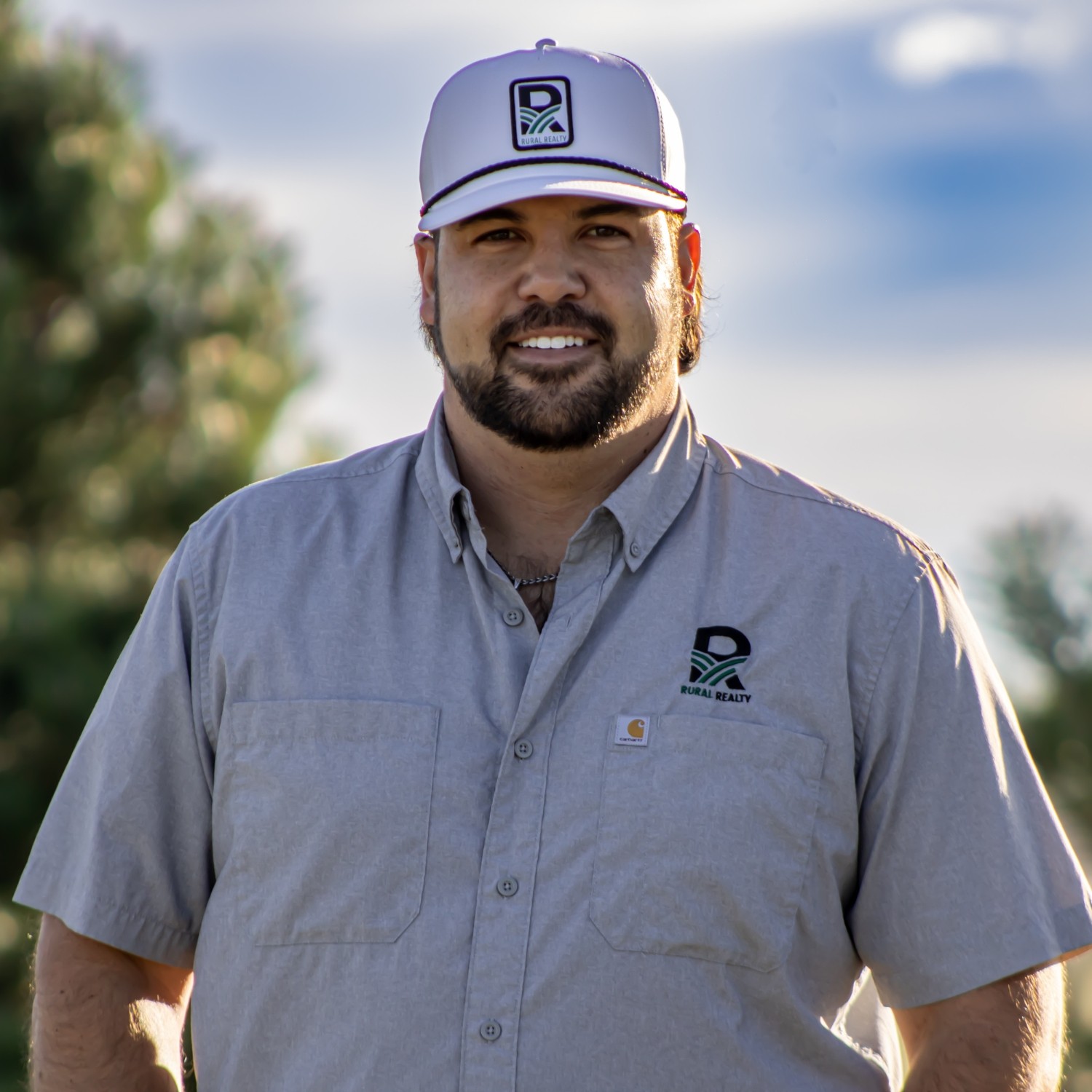
Alec Horton founded Rural Realty in 2025 to help Western Kansas landowners navigate the complexities of buying and selling rural properties with confidence. Born and raised in Leoti, Alec comes from four generations of farmers, giving him a deep understanding of the land and the people who work it. After 16 years of buying and selling agricultural land for his own family’s farm, he saw firsthand the challenges landowners face—uncertain pricing, complex transactions, and a lack of dedicated rural real estate expertise. Determined to bridge that gap, he launched Rural Realty to provide honest, knowledgeable, and personalized service to farmers, ranchers, and investors. As a licensed land broker, Alec and his team brings local insight, industry expertise, and a passion for helping clients achieve their landownership goals.
Meet the Founder of Rural Realty
Alec Horton
Alec Horton founded Rural Realty in 2025 to give landowners across Western Kansas a trusted partner in buying and selling rural properties. A fourth-generation farmer from Leoti with 16 years of experience in agricultural land deals, Alec saw the need for a brokerage that truly understands the land and the people who work it. With a deep knowledge of local markets and a commitment to honest, personalized service, Rural Realty helps farmers, ranchers, and investors navigate complex transactions with confidence.
Meet the Founder of Rural Realty
Alec Horton
Alec Horton founded Rural Realty in 2025 to help Western Kansas landowners navigate the complexities of buying and selling rural properties with confidence. Born and raised in Leoti, Alec comes from four generations of farmers, giving him a deep understanding of the land and the people who work it. After 16 years of buying and selling agricultural land for his own family’s farm, he saw firsthand the challenges landowners face—uncertain pricing, complex transactions, and a lack of dedicated rural real estate expertise. Determined to bridge that gap, he launched Rural Realty to provide honest, knowledgeable, and personalized service to farmers, ranchers, and investors. As a licensed land broker, Alec and his team brings local insight, industry expertise, and a passion for helping clients achieve their landownership goals.
Farm Experience You Can Trust
Local Knowledge. Proven Results.
46+
2023-2025 Farm Transactions
18+
Years of Farmland Experience
700+
Network of Kansas Farmers
Farm Experience You Can Trust
Local Knowledge. Proven Results.
46+
2023-2025 Farm Transactions
18+
Years of Farmland Experience
700+
Network of Kansas Farmers
Farm Experience You Can Trust
Local Knowledge. Proven Results.
46+
2023-2025 Farm Transactions
18+
Years of Farmland Experience
700+
Network of Kansas Farmers
Rural Realty Services
Comprehensive Farmland Services
Explore the Comprehensive Real Estate Solutions for Kansas farmers, landowners, families, and investors at Rural Realty
Buy a Farm
Expert guidance in finding the perfect agricultural property.
Sell Your Farm
Strategic marketing and valuation for maximum return.
Land Valuation
Receive an accurate property valuation to inform your decisions.
Rural Realty Services
Comprehensive Farmland Services
Explore the Comprehensive Real Estate Solutions for Kansas farmers, landowners, families, and investors at Rural Realty
Buy a Farm
Expert guidance in finding the perfect agricultural property.
Sell Your Farm
Strategic marketing and valuation for maximum return.
Land Valuation
Receive an accurate property valuation to inform your decisions.
Rural Realty Services
Comprehensive Farmland Services
Explore the Comprehensive Real Estate Solutions for Kansas farmers, landowners, families, and investors at Rural Realty
Buy a Farm
Expert guidance in finding the perfect agricultural property.
Sell Your Farm
Strategic marketing and valuation for maximum return.
Land Valuation
Receive an accurate property valuation to inform your decisions.
Kansas Property Expertise
From farmland to family homes, Rural Realty brings generations of local expertise to every real estate transaction.
Kansas
Rural Homes
Rural Realty helps families find their perfect country property, specializing in homes with acreage across Kansas.

Kansas
Farmland
With over four generations of farming experience, Rural Realty brings unique insight to every agricultural land transaction.

Kansas
Ranchland
Rural Realty's deep understanding of ranch operations helps buyers and sellers make confident decisions about ranching properties.

Kansas
Hunting Properties
Rural Realty combines recreational value with agricultural opportunities to maximize returns on hunting property investments.

Kansas
Commercial Properties
From retail spaces to agricultural warehouses, Rural Realty guides clients through every commercial real estate transaction.

Kansas Property Expertise
From farmland to family homes, Rural Realty brings generations of local expertise to every real estate transaction.
Kansas
Rural Homes
Rural Realty helps families find their perfect country property, specializing in homes with acreage across Kansas.
Kansas
Farmland
With over four generations of farming experience, Rural Realty brings unique insight to every agricultural land transaction.
Kansas
Ranchland
Rural Realty's deep understanding of ranch operations helps buyers and sellers make confident decisions about ranching properties.
Kansas
Hunting Properties
Rural Realty combines recreational value with agricultural opportunities to maximize returns on hunting property investments.
Kansas
Commercial Properties
From retail spaces to agricultural warehouses, Rural Realty guides clients through every commercial real estate transaction.
Kansas Property Expertise
From farmland to family homes, Rural Realty brings generations of local expertise to every real estate transaction.
Kansas
Rural Homes
Rural Realty helps families find their perfect country property, specializing in homes with acreage across Kansas.
Kansas
Farmland
With over four generations of farming experience, Rural Realty brings unique insight to every agricultural land transaction.
Kansas
Ranchland
Rural Realty's deep understanding of ranch operations helps buyers and sellers make confident decisions about ranching properties.
Kansas
Hunting Properties
Rural Realty combines recreational value with agricultural opportunities to maximize returns on hunting property investments.
Kansas
Commercial Properties
From retail spaces to agricultural warehouses, Rural Realty guides clients through every commercial real estate transaction.
Ready to Buy or Sell Your Farm in Kansas?
Contact Rural Realty today for a personalized consultation about your farmland goals. Your agricultural future starts with the right land real estate agent.
Find an Agent in your Area
Contact Rural Realty
Find an Agent in your Area
Ready to Buy or Sell Your Farm in Kansas?
Contact Rural Realty today for a personalized consultation about your farmland goals. Your agricultural future starts with the right land real estate agent.
Find an Agent in your Area