Things Most Folks Miss When Buying Farm Land in Kansas
Alec Horton
•
Rural Realty
•
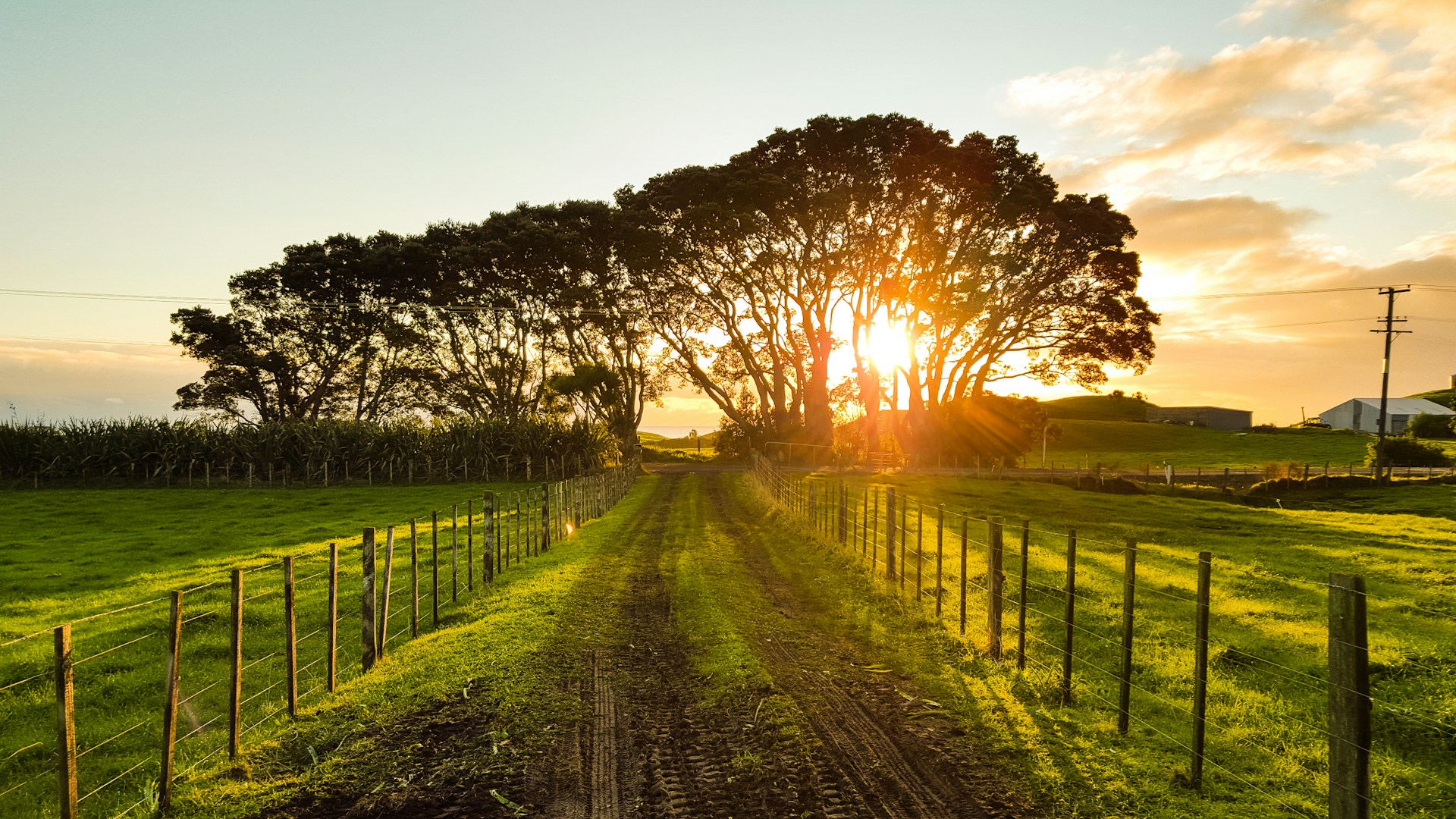
Buying farm land for sale in Kansas can seem simple at first. Find the right number of acres, check the location, and make a deal. But it rarely works out that clean. There’s a lot more to think through than price tags and wide-open fields. People often pay attention to surface-level details and miss the things that truly matter once the paperwork is signed.
This kind of land is a big investment, for families, for future ties to agriculture, and for anyone hoping to make something work over time. We’ve worked with enough buyers to know where most people get tripped up. It's never just about the land you can see, it’s about what lies beneath, what comes with it, and how it fits into the seasons across Kansas.
Pay Attention to Water Access and Use
Most land buyers check for a pond or a well and leave it at that. But water use goes deeper. You’ll want to know how that water gets there, who has rights to use it, and what happens in dry years. Having a pond that looks full in February doesn’t mean it’ll hold through July. In many parts of Kansas, water rights are tied to the land or split with neighbors. That affects what grows well and what can be irrigated.
Irrigation setups can look sturdy, but if you can't legally run them, or if they're no longer tied to a working permit, they might not help you much. It can also be tough to figure out how water moves across the land just by looking out over snow-covered fields.
That’s why winter is actually a good season to walk a property. You can often spot drainage patterns and standing water areas when the ground is frozen or lightly thawed. It’s easier to see how runoff behaves and whether your roads will stay passable after a melt or early spring storm.
Rural Realty has extensive experience guiding buyers through Kansas water rights, zoning, and irrigation considerations. Our team helps clarify if wells or surface water sources are truly yours, and what you’ll legally be allowed to use.
Look Beyond the Soil on the Surface
Dirt isn’t just dirt. The type, condition, and slope of it will shape how usable your land turns out to be. Some ground looks great until you realize it’s heavy clay that holds water too long. Other spots are sandy or worn down, and they blow more than they grow.
You don’t have to be a soil expert to notice problems, though. Walk around and look for signs like erosion near ditches or bare patches where grass won’t grow. If the field was used too hard and never rested, the topsoil might be thin or compacted, which will make it harder to farm or graze animals.
Winter makes this easier. With less plant cover, you’ll see the lay of the land more clearly. Frozen or semi-frozen ground lets you feel the firmness underfoot. You can spot soggy spots or ruts tucked into the lower parts of pasture ground that might hold water long into spring.
Our local agents provide market valuations and help assess soil quality, past use, and ongoing agricultural potential. We’ve seen how the right advice on land condition up front can save buyers costly surprises.
Check What Comes with the Land
It’s easy to assume the fences, sheds, or equipment sitting on a property are part of the deal. That’s not always true. Some items belong to the current owner and might be removed. Other times, a patch of ground might be leased to someone else through a grazing or farm agreement.
You’ll want to know if there are crop-share deals, cell towers, hunting leases, or shared access routes. Any of those can shape what you’re allowed to do, or who still has a legal reason to be on your land after you own it. These types of agreements don’t always get talked about upfront unless asked.
Easements are another spot buyers miss. Maybe there’s a pipeline underground or a utility easement crossing part of the pasture. These things don't always stop you from using your land, but they can limit where you can build or affect future plans without you realizing it until much later.
Don’t Skip Access and Road Conditions
If it’s February and there’s still snow or ice along gravel roads, that's a perfect chance to check access. Many Kansas farm properties sit far from paved roads. A two-mile stretch of muddy dirt road can turn into a real problem every time it rains or the snow melts.
We’ve seen good land stay unused through spring simply because it's hard to haul a trailer in or get equipment out. It might be close to town as the crow flies, but harder to reach than it seems. Entry points can be tight too, especially on fences that were built long ago for older equipment.
Always ask how you’ll get in and out during weather swings. A good property can turn into a headache if the gravel turns soft or if neighbors use your access to get to theirs. It’s better to know now than realize later your barnyard turns into a mud pit every March.
Think Long Term, Not Just What Works Today
A piece of land might seem like the perfect fit today. But the best buys are the ones that grow with you. Maybe you only need a few fields now, but you might want room for cattle later. Or you might want to rent out part of it in a few years if your plans change.
What works in one season might not hold up over time. Crop rotation may shift. Markets can change. And if the land doesn’t give you options, it can slow you down. We always suggest thinking a few steps ahead. That doesn’t mean every acre has to be perfect. But if you're stuck with just one way to use it and that plan falls through, it makes everything harder.
If a property is close to working but something feels off, it’s worth the pause. Sometimes land sells because someone else ran into problems. It might just need time, or a different use, or better access to make it work.
What Slows You Down Today Might Save You Later
The little things, like how snow melts off the back pasture or where the neighbor’s fence leans into yours, often become the big things later. Buying farm land for sale in Kansas isn’t just about shiny listings or wide views. It’s about what actually happens once the seasons shift and the work starts.
When you walk the ground, take your time. Ask questions. Look twice at what’s not being said. Rushed decisions can bring long-term headaches. But good land that fits your needs, even if it seems simple, can bring steady use for decades.
Every detail matters when choosing land for long-term use, and at Rural Realty, we guide you through each step to make sure your goals, whether flexibility, easy access, or year-round reliability, are achieved. When it’s time to find the right piece of farm land for sale in Kansas, we’ll walk the property with you, ask important questions, and make sure nothing is overlooked. Reach out today and let us help you feel confident about your next move.

Alec Horton- Licensed KS Broker
Weekly Newsletter Update!
Join the Newsletter to Receive Kansas Market Updates
Stay up-to-date with the latest land prices, properties for sale, and tips for managing and selling your farm!
Blog Articles

Unexpected Income Streams on Kansas Ranch Land for Sale
Alec Horton
Learn More

Evaluating Kansas Farmland Rental History Before You Buy
Alec Horton
Learn More

Kansas Ranch Listing Terms: Stocking Rate, AUMs, Carrying Capacity
Alec Horton
Learn More

Leasing vs. Selling Kansas Farmland: Choosing the Right Path
Alec Horton
Learn More

Reading Kansas Land Listings When You Want Hunting Income
Alec Horton
Learn More
Things Most Folks Miss When Buying Farm Land in Kansas
Alec Horton
•
Rural Realty
Buying farm land for sale in Kansas can seem simple at first. Find the right number of acres, check the location, and make a deal. But it rarely works out that clean. There’s a lot more to think through than price tags and wide-open fields. People often pay attention to surface-level details and miss the things that truly matter once the paperwork is signed.
This kind of land is a big investment, for families, for future ties to agriculture, and for anyone hoping to make something work over time. We’ve worked with enough buyers to know where most people get tripped up. It's never just about the land you can see, it’s about what lies beneath, what comes with it, and how it fits into the seasons across Kansas.
Pay Attention to Water Access and Use
Most land buyers check for a pond or a well and leave it at that. But water use goes deeper. You’ll want to know how that water gets there, who has rights to use it, and what happens in dry years. Having a pond that looks full in February doesn’t mean it’ll hold through July. In many parts of Kansas, water rights are tied to the land or split with neighbors. That affects what grows well and what can be irrigated.
Irrigation setups can look sturdy, but if you can't legally run them, or if they're no longer tied to a working permit, they might not help you much. It can also be tough to figure out how water moves across the land just by looking out over snow-covered fields.
That’s why winter is actually a good season to walk a property. You can often spot drainage patterns and standing water areas when the ground is frozen or lightly thawed. It’s easier to see how runoff behaves and whether your roads will stay passable after a melt or early spring storm.
Rural Realty has extensive experience guiding buyers through Kansas water rights, zoning, and irrigation considerations. Our team helps clarify if wells or surface water sources are truly yours, and what you’ll legally be allowed to use.
Look Beyond the Soil on the Surface
Dirt isn’t just dirt. The type, condition, and slope of it will shape how usable your land turns out to be. Some ground looks great until you realize it’s heavy clay that holds water too long. Other spots are sandy or worn down, and they blow more than they grow.
You don’t have to be a soil expert to notice problems, though. Walk around and look for signs like erosion near ditches or bare patches where grass won’t grow. If the field was used too hard and never rested, the topsoil might be thin or compacted, which will make it harder to farm or graze animals.
Winter makes this easier. With less plant cover, you’ll see the lay of the land more clearly. Frozen or semi-frozen ground lets you feel the firmness underfoot. You can spot soggy spots or ruts tucked into the lower parts of pasture ground that might hold water long into spring.
Our local agents provide market valuations and help assess soil quality, past use, and ongoing agricultural potential. We’ve seen how the right advice on land condition up front can save buyers costly surprises.
Check What Comes with the Land
It’s easy to assume the fences, sheds, or equipment sitting on a property are part of the deal. That’s not always true. Some items belong to the current owner and might be removed. Other times, a patch of ground might be leased to someone else through a grazing or farm agreement.
You’ll want to know if there are crop-share deals, cell towers, hunting leases, or shared access routes. Any of those can shape what you’re allowed to do, or who still has a legal reason to be on your land after you own it. These types of agreements don’t always get talked about upfront unless asked.
Easements are another spot buyers miss. Maybe there’s a pipeline underground or a utility easement crossing part of the pasture. These things don't always stop you from using your land, but they can limit where you can build or affect future plans without you realizing it until much later.
Don’t Skip Access and Road Conditions
If it’s February and there’s still snow or ice along gravel roads, that's a perfect chance to check access. Many Kansas farm properties sit far from paved roads. A two-mile stretch of muddy dirt road can turn into a real problem every time it rains or the snow melts.
We’ve seen good land stay unused through spring simply because it's hard to haul a trailer in or get equipment out. It might be close to town as the crow flies, but harder to reach than it seems. Entry points can be tight too, especially on fences that were built long ago for older equipment.
Always ask how you’ll get in and out during weather swings. A good property can turn into a headache if the gravel turns soft or if neighbors use your access to get to theirs. It’s better to know now than realize later your barnyard turns into a mud pit every March.
Think Long Term, Not Just What Works Today
A piece of land might seem like the perfect fit today. But the best buys are the ones that grow with you. Maybe you only need a few fields now, but you might want room for cattle later. Or you might want to rent out part of it in a few years if your plans change.
What works in one season might not hold up over time. Crop rotation may shift. Markets can change. And if the land doesn’t give you options, it can slow you down. We always suggest thinking a few steps ahead. That doesn’t mean every acre has to be perfect. But if you're stuck with just one way to use it and that plan falls through, it makes everything harder.
If a property is close to working but something feels off, it’s worth the pause. Sometimes land sells because someone else ran into problems. It might just need time, or a different use, or better access to make it work.
What Slows You Down Today Might Save You Later
The little things, like how snow melts off the back pasture or where the neighbor’s fence leans into yours, often become the big things later. Buying farm land for sale in Kansas isn’t just about shiny listings or wide views. It’s about what actually happens once the seasons shift and the work starts.
When you walk the ground, take your time. Ask questions. Look twice at what’s not being said. Rushed decisions can bring long-term headaches. But good land that fits your needs, even if it seems simple, can bring steady use for decades.
Every detail matters when choosing land for long-term use, and at Rural Realty, we guide you through each step to make sure your goals, whether flexibility, easy access, or year-round reliability, are achieved. When it’s time to find the right piece of farm land for sale in Kansas, we’ll walk the property with you, ask important questions, and make sure nothing is overlooked. Reach out today and let us help you feel confident about your next move.
Things Most Folks Miss When Buying Farm Land in Kansas
Alec Horton
•
Rural Realty
•
Buying farm land for sale in Kansas can seem simple at first. Find the right number of acres, check the location, and make a deal. But it rarely works out that clean. There’s a lot more to think through than price tags and wide-open fields. People often pay attention to surface-level details and miss the things that truly matter once the paperwork is signed.
This kind of land is a big investment, for families, for future ties to agriculture, and for anyone hoping to make something work over time. We’ve worked with enough buyers to know where most people get tripped up. It's never just about the land you can see, it’s about what lies beneath, what comes with it, and how it fits into the seasons across Kansas.
Pay Attention to Water Access and Use
Most land buyers check for a pond or a well and leave it at that. But water use goes deeper. You’ll want to know how that water gets there, who has rights to use it, and what happens in dry years. Having a pond that looks full in February doesn’t mean it’ll hold through July. In many parts of Kansas, water rights are tied to the land or split with neighbors. That affects what grows well and what can be irrigated.
Irrigation setups can look sturdy, but if you can't legally run them, or if they're no longer tied to a working permit, they might not help you much. It can also be tough to figure out how water moves across the land just by looking out over snow-covered fields.
That’s why winter is actually a good season to walk a property. You can often spot drainage patterns and standing water areas when the ground is frozen or lightly thawed. It’s easier to see how runoff behaves and whether your roads will stay passable after a melt or early spring storm.
Rural Realty has extensive experience guiding buyers through Kansas water rights, zoning, and irrigation considerations. Our team helps clarify if wells or surface water sources are truly yours, and what you’ll legally be allowed to use.
Look Beyond the Soil on the Surface
Dirt isn’t just dirt. The type, condition, and slope of it will shape how usable your land turns out to be. Some ground looks great until you realize it’s heavy clay that holds water too long. Other spots are sandy or worn down, and they blow more than they grow.
You don’t have to be a soil expert to notice problems, though. Walk around and look for signs like erosion near ditches or bare patches where grass won’t grow. If the field was used too hard and never rested, the topsoil might be thin or compacted, which will make it harder to farm or graze animals.
Winter makes this easier. With less plant cover, you’ll see the lay of the land more clearly. Frozen or semi-frozen ground lets you feel the firmness underfoot. You can spot soggy spots or ruts tucked into the lower parts of pasture ground that might hold water long into spring.
Our local agents provide market valuations and help assess soil quality, past use, and ongoing agricultural potential. We’ve seen how the right advice on land condition up front can save buyers costly surprises.
Check What Comes with the Land
It’s easy to assume the fences, sheds, or equipment sitting on a property are part of the deal. That’s not always true. Some items belong to the current owner and might be removed. Other times, a patch of ground might be leased to someone else through a grazing or farm agreement.
You’ll want to know if there are crop-share deals, cell towers, hunting leases, or shared access routes. Any of those can shape what you’re allowed to do, or who still has a legal reason to be on your land after you own it. These types of agreements don’t always get talked about upfront unless asked.
Easements are another spot buyers miss. Maybe there’s a pipeline underground or a utility easement crossing part of the pasture. These things don't always stop you from using your land, but they can limit where you can build or affect future plans without you realizing it until much later.
Don’t Skip Access and Road Conditions
If it’s February and there’s still snow or ice along gravel roads, that's a perfect chance to check access. Many Kansas farm properties sit far from paved roads. A two-mile stretch of muddy dirt road can turn into a real problem every time it rains or the snow melts.
We’ve seen good land stay unused through spring simply because it's hard to haul a trailer in or get equipment out. It might be close to town as the crow flies, but harder to reach than it seems. Entry points can be tight too, especially on fences that were built long ago for older equipment.
Always ask how you’ll get in and out during weather swings. A good property can turn into a headache if the gravel turns soft or if neighbors use your access to get to theirs. It’s better to know now than realize later your barnyard turns into a mud pit every March.
Think Long Term, Not Just What Works Today
A piece of land might seem like the perfect fit today. But the best buys are the ones that grow with you. Maybe you only need a few fields now, but you might want room for cattle later. Or you might want to rent out part of it in a few years if your plans change.
What works in one season might not hold up over time. Crop rotation may shift. Markets can change. And if the land doesn’t give you options, it can slow you down. We always suggest thinking a few steps ahead. That doesn’t mean every acre has to be perfect. But if you're stuck with just one way to use it and that plan falls through, it makes everything harder.
If a property is close to working but something feels off, it’s worth the pause. Sometimes land sells because someone else ran into problems. It might just need time, or a different use, or better access to make it work.
What Slows You Down Today Might Save You Later
The little things, like how snow melts off the back pasture or where the neighbor’s fence leans into yours, often become the big things later. Buying farm land for sale in Kansas isn’t just about shiny listings or wide views. It’s about what actually happens once the seasons shift and the work starts.
When you walk the ground, take your time. Ask questions. Look twice at what’s not being said. Rushed decisions can bring long-term headaches. But good land that fits your needs, even if it seems simple, can bring steady use for decades.
Every detail matters when choosing land for long-term use, and at Rural Realty, we guide you through each step to make sure your goals, whether flexibility, easy access, or year-round reliability, are achieved. When it’s time to find the right piece of farm land for sale in Kansas, we’ll walk the property with you, ask important questions, and make sure nothing is overlooked. Reach out today and let us help you feel confident about your next move.
Meet the Founder of Rural Realty
Alec Horton
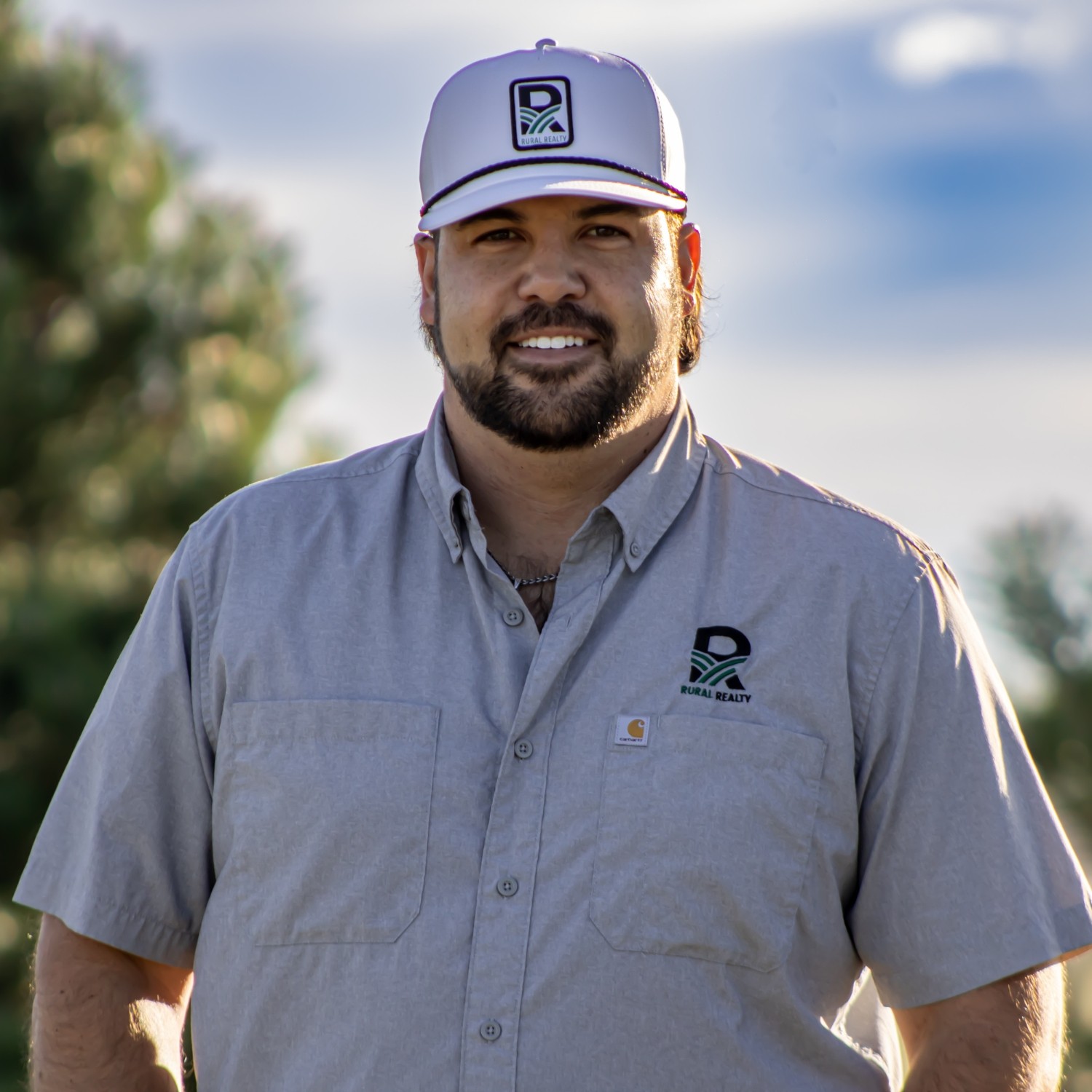
Alec Horton founded Rural Realty in 2025 to help Western Kansas landowners navigate the complexities of buying and selling rural properties with confidence. Born and raised in Leoti, Alec comes from four generations of farmers, giving him a deep understanding of the land and the people who work it. After 16 years of buying and selling agricultural land for his own family’s farm, he saw firsthand the challenges landowners face—uncertain pricing, complex transactions, and a lack of dedicated rural real estate expertise. Determined to bridge that gap, he launched Rural Realty to provide honest, knowledgeable, and personalized service to farmers, ranchers, and investors. As a licensed land broker, Alec and his team brings local insight, industry expertise, and a passion for helping clients achieve their landownership goals.
Meet the Founder of Rural Realty
Alec Horton
Alec Horton founded Rural Realty in 2025 to give landowners across Western Kansas a trusted partner in buying and selling rural properties. A fourth-generation farmer from Leoti with 16 years of experience in agricultural land deals, Alec saw the need for a brokerage that truly understands the land and the people who work it. With a deep knowledge of local markets and a commitment to honest, personalized service, Rural Realty helps farmers, ranchers, and investors navigate complex transactions with confidence.
Meet the Founder of Rural Realty
Alec Horton
Alec Horton founded Rural Realty in 2025 to help Western Kansas landowners navigate the complexities of buying and selling rural properties with confidence. Born and raised in Leoti, Alec comes from four generations of farmers, giving him a deep understanding of the land and the people who work it. After 16 years of buying and selling agricultural land for his own family’s farm, he saw firsthand the challenges landowners face—uncertain pricing, complex transactions, and a lack of dedicated rural real estate expertise. Determined to bridge that gap, he launched Rural Realty to provide honest, knowledgeable, and personalized service to farmers, ranchers, and investors. As a licensed land broker, Alec and his team brings local insight, industry expertise, and a passion for helping clients achieve their landownership goals.
Farm Experience You Can Trust
Local Knowledge. Proven Results.
46+
2023-2025 Farm Transactions
18+
Years of Farmland Experience
700+
Network of Kansas Farmers
Farm Experience You Can Trust
Local Knowledge. Proven Results.
46+
2023-2025 Farm Transactions
18+
Years of Farmland Experience
700+
Network of Kansas Farmers
Farm Experience You Can Trust
Local Knowledge. Proven Results.
46+
2023-2025 Farm Transactions
18+
Years of Farmland Experience
700+
Network of Kansas Farmers
Rural Realty Services
Comprehensive Farmland Services
Explore the Comprehensive Real Estate Solutions for Kansas farmers, landowners, families, and investors at Rural Realty
Buy a Farm
Expert guidance in finding the perfect agricultural property.
Sell Your Farm
Strategic marketing and valuation for maximum return.
Land Valuation
Receive an accurate property valuation to inform your decisions.
Rural Realty Services
Comprehensive Farmland Services
Explore the Comprehensive Real Estate Solutions for Kansas farmers, landowners, families, and investors at Rural Realty
Buy a Farm
Expert guidance in finding the perfect agricultural property.
Sell Your Farm
Strategic marketing and valuation for maximum return.
Land Valuation
Receive an accurate property valuation to inform your decisions.
Rural Realty Services
Comprehensive Farmland Services
Explore the Comprehensive Real Estate Solutions for Kansas farmers, landowners, families, and investors at Rural Realty
Buy a Farm
Expert guidance in finding the perfect agricultural property.
Sell Your Farm
Strategic marketing and valuation for maximum return.
Land Valuation
Receive an accurate property valuation to inform your decisions.
Kansas Property Expertise
From farmland to family homes, Rural Realty brings generations of local expertise to every real estate transaction.
Kansas
Rural Homes
Rural Realty helps families find their perfect country property, specializing in homes with acreage across Kansas.

Kansas
Farmland
With over four generations of farming experience, Rural Realty brings unique insight to every agricultural land transaction.

Kansas
Ranchland
Rural Realty's deep understanding of ranch operations helps buyers and sellers make confident decisions about ranching properties.

Kansas
Hunting Properties
Rural Realty combines recreational value with agricultural opportunities to maximize returns on hunting property investments.

Kansas
Commercial Properties
From retail spaces to agricultural warehouses, Rural Realty guides clients through every commercial real estate transaction.

Kansas Property Expertise
From farmland to family homes, Rural Realty brings generations of local expertise to every real estate transaction.
Kansas
Rural Homes
Rural Realty helps families find their perfect country property, specializing in homes with acreage across Kansas.
Kansas
Farmland
With over four generations of farming experience, Rural Realty brings unique insight to every agricultural land transaction.
Kansas
Ranchland
Rural Realty's deep understanding of ranch operations helps buyers and sellers make confident decisions about ranching properties.
Kansas
Hunting Properties
Rural Realty combines recreational value with agricultural opportunities to maximize returns on hunting property investments.
Kansas
Commercial Properties
From retail spaces to agricultural warehouses, Rural Realty guides clients through every commercial real estate transaction.
Kansas Property Expertise
From farmland to family homes, Rural Realty brings generations of local expertise to every real estate transaction.
Kansas
Rural Homes
Rural Realty helps families find their perfect country property, specializing in homes with acreage across Kansas.
Kansas
Farmland
With over four generations of farming experience, Rural Realty brings unique insight to every agricultural land transaction.
Kansas
Ranchland
Rural Realty's deep understanding of ranch operations helps buyers and sellers make confident decisions about ranching properties.
Kansas
Hunting Properties
Rural Realty combines recreational value with agricultural opportunities to maximize returns on hunting property investments.
Kansas
Commercial Properties
From retail spaces to agricultural warehouses, Rural Realty guides clients through every commercial real estate transaction.
Ready to Buy or Sell Your Farm in Kansas?
Contact Rural Realty today for a personalized consultation about your farmland goals. Your agricultural future starts with the right land real estate agent.
Find an Agent in your Area
Contact Rural Realty
Find an Agent in your Area
Ready to Buy or Sell Your Farm in Kansas?
Contact Rural Realty today for a personalized consultation about your farmland goals. Your agricultural future starts with the right land real estate agent.
Find an Agent in your Area