Which Agriculture Lands in Kansas Are Best for Organic Farming?
Alec Horton
•
Rural Realty
•
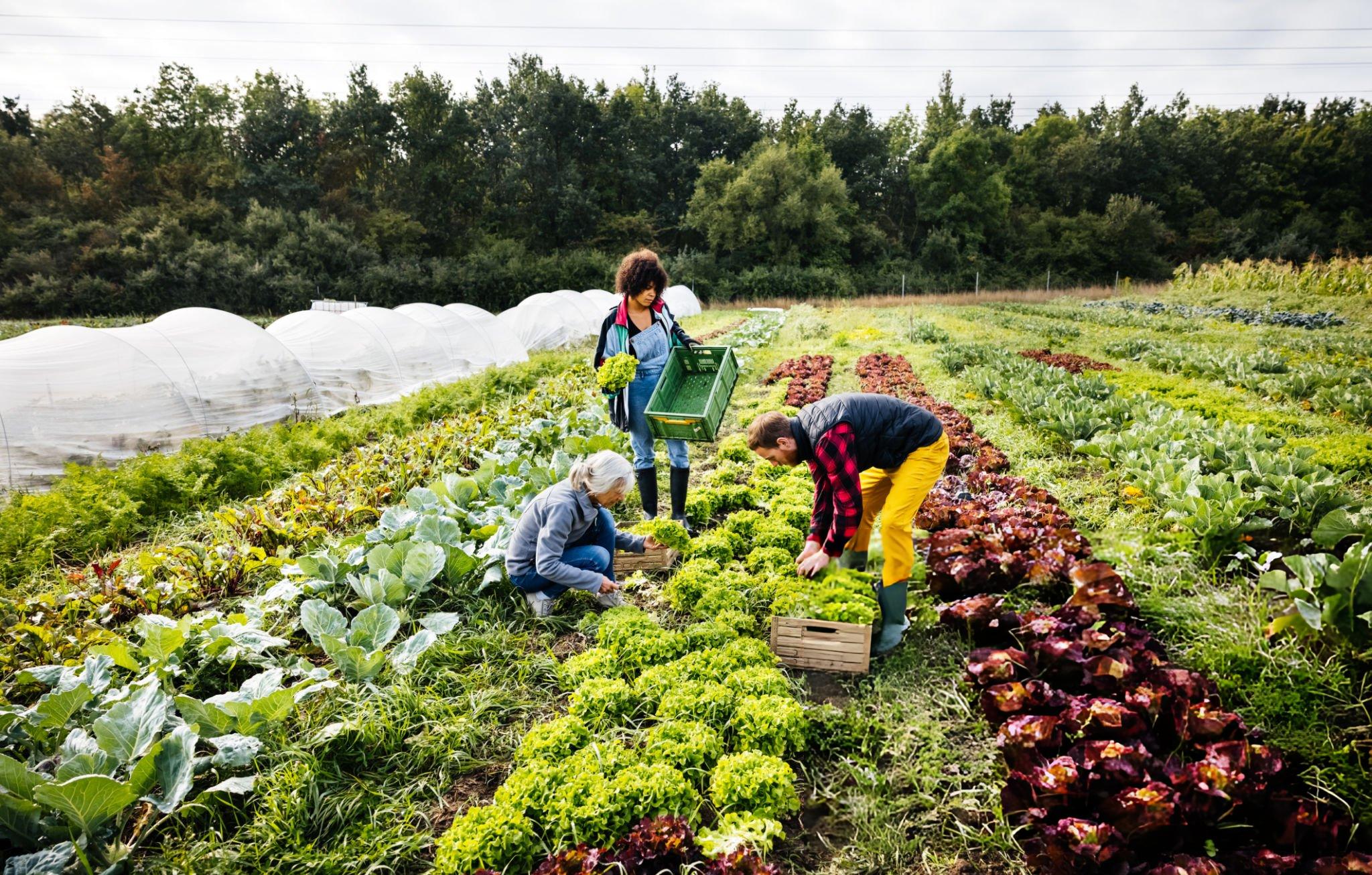
Organic farming has captured the attention of many across the nation, and Kansas is no exception. As the demand for fresh, pesticide-free produce continues to rise, more farmers and investors are looking at opportunities in organic agriculture. Kansas, with its rich soil and favorable farming conditions, stands as a prime location for these ventures. Organic farming not only supports a healthier lifestyle but also benefits the environment by promoting biodiversity and reducing chemical inputs.
The benefits of organic farming stretch beyond just health. For farmers, embracing organic practices can mean better soil health, which leads to more sustainable crop production over time. Plus, organic farming often results in crops that can command a higher market price, benefiting the farmer's bottom line. With these advantages, it's no wonder that Kansas lands are being eyed for organic farming. But what exactly makes a piece of land suitable for this green transformation?
What Makes Land Suitable for Organic Farming?
Choosing the right land for organic farming involves considering several key factors. Here’s what to look for:
- Soil Quality and Health: A vital starting point is the condition of the soil. Ideal lands have healthy, nutrient-rich soil that can support diverse plant life. Good soil retains moisture well and is less prone to erosion. Before purchasing, it might be a wise idea to conduct soil tests to determine its pH levels and nutrient content.
- Water Sources and Irrigation: Access to reliable water sources is crucial. Whether it's a well, river, or nearby reservoir, ensuring consistent water supply maintains crop health throughout varying weather conditions. Additionally, evaluate the efficiency of existing irrigation systems or the potential to install new ones.
- Climate and Weather Patterns: Understanding the local climate is essential when planning for organic farming. Fortunately, Kansas offers a range of climates across its regions to support various crops. Research average temperatures, rainfall, and frost dates to match crops that suit those patterns.
With these elements in mind, selecting the right location in Kansas can set up new or seasoned farmers for success in organic farming. The state's diverse climate zones offer many regions that are particularly well-suited for growing different types of organic produce. Let's explore these regions and their specific advantages.
Best Regions in Kansas for Organic Farming
Kansas is blessed with diverse landscapes, making it an excellent setting for various crops. In Northeastern Kansas, the fertile soils and moderate climate present an ideal environment for producing a mix of vegetables and grains. The rich loess soil found in this area holds nutrients well, supporting the growth of vibrant, healthy plants. It's a place where organic farmers can thrive with the right crop choices.
Moving to Central Kansas, you'll encounter regions with distinct advantages and some challenges. The area serves as a transitional zone where farming can benefit from both the northeastern and southwestern conditions. Crops like wheat and corn perform well with suitable soil management practices. Farmers here may face challenges such as periodic drought, but good planning and effective water management systems can help tackle these obstacles, ensuring productive yields.
In Southwestern Kansas, the terrain provides unique benefits for certain crops. Known for its semi-arid conditions, this region is well-suited for crops like sunflowers and certain herbs. With the right adjustments and irrigation, farmers can optimize the growth of specialty crops that thrive in drier conditions. Understanding the variations in climate and soil types across these regions helps in selecting the best location for specific organic farming goals.
Types of Crops for Organic Farming in Kansas
When considering Kansas for organic farming, the choice of crops plays a crucial role. A variety of options are available that cater to both market demand and environmental compatibility. Common organic vegetables such as carrots, tomatoes, and peppers are popular choices, offering nutritional value and a steady market. These veggies are well-suited to different Kansas soils, making them versatile options for organic farmers.
Organic grains like wheat, oats, and corn have strong roots in Kansas and are staples in many organic operations. These grains can be cultivated in bulk, providing a significant yield that supports sustainable farming practices. With organic certification, these grains appeal to health-conscious consumers, offering farmers a competitive edge.
Some farmers might also explore specialty crops. Herbs, fruits, and other niche products can add diversity to an organic farm's offerings. For instance, planting herbs like basil or growing berries can attract local buyers and boost farm profitability. Choosing the right mix of common and specialty crops can maximize a farm's potential and align with Kansas's farming strengths.
How to Find Agriculture Lands for Sale in Kansas
If you're embarking on the journey of organic farming, finding the right land is a significant step. Here are some practical tips to guide you:
1. Identify Key Features: Look for properties with rich, healthy soil and good access to water. Evaluate the presence of infrastructure like roads and utilities that can support farming operations.
2. Research Resources and Agencies: Tap into local agricultural agencies and online resources for listings of available farmland. They can offer insights into the region's farming conditions and available plots.
3. Consider Professional Guidance: Engaging with land experts or real estate professionals in Kansas can make the process smoother. They can provide valuable input on land prices, regulations, and optimal locations for organic farming.
Finding the right plot involves understanding your farming needs and matching them with Kansas's natural offerings. With a bit of research and strategic planning, you can secure a piece of land that aligns with your organic farming ambitions.
Making the Transition to Organic Farming
Transitioning to organic farming requires commitment but brings rewarding outcomes. First, you'll want to certify your land as organic, which involves adhering to specific agricultural practices and eliminating synthetic inputs. This process might seem complex, but it's a vital step in ensuring your products meet organic standards.
Expect challenges when shifting to organic methods, such as managing pests without chemicals or adjusting to new planting schedules. However, overcoming these can develop resilience and innovation on your farm. Engaging with support networks, like local organic farming associations, can provide valuable resources and community support.
Recognizing these aspects of organic farming helps you prepare mentally and practically for the transition. Embrace the changes, and you can be part of a movement that prioritizes environmental health and sustainable farming.
Considering a move to organic farming can be both exciting and overwhelming. If you're ready to explore agriculture lands for sale that fit your organic farming goals, Rural Realty is here to help. We offer the expertise needed to navigate the market and secure the right piece of Kansas farmland.

Alec Horton- Licensed KS Broker
Weekly Newsletter Update!
Join the Newsletter to Receive Kansas Market Updates
Stay up-to-date with the latest land prices, properties for sale, and tips for managing and selling your farm!
Blog Articles

Unexpected Income Streams on Kansas Ranch Land for Sale
Alec Horton
Learn More

Evaluating Kansas Farmland Rental History Before You Buy
Alec Horton
Learn More

Kansas Ranch Listing Terms: Stocking Rate, AUMs, Carrying Capacity
Alec Horton
Learn More

Leasing vs. Selling Kansas Farmland: Choosing the Right Path
Alec Horton
Learn More

Reading Kansas Land Listings When You Want Hunting Income
Alec Horton
Learn More
Which Agriculture Lands in Kansas Are Best for Organic Farming?
Alec Horton
•
Rural Realty
Organic farming has captured the attention of many across the nation, and Kansas is no exception. As the demand for fresh, pesticide-free produce continues to rise, more farmers and investors are looking at opportunities in organic agriculture. Kansas, with its rich soil and favorable farming conditions, stands as a prime location for these ventures. Organic farming not only supports a healthier lifestyle but also benefits the environment by promoting biodiversity and reducing chemical inputs.
The benefits of organic farming stretch beyond just health. For farmers, embracing organic practices can mean better soil health, which leads to more sustainable crop production over time. Plus, organic farming often results in crops that can command a higher market price, benefiting the farmer's bottom line. With these advantages, it's no wonder that Kansas lands are being eyed for organic farming. But what exactly makes a piece of land suitable for this green transformation?
What Makes Land Suitable for Organic Farming?
Choosing the right land for organic farming involves considering several key factors. Here’s what to look for:
- Soil Quality and Health: A vital starting point is the condition of the soil. Ideal lands have healthy, nutrient-rich soil that can support diverse plant life. Good soil retains moisture well and is less prone to erosion. Before purchasing, it might be a wise idea to conduct soil tests to determine its pH levels and nutrient content.
- Water Sources and Irrigation: Access to reliable water sources is crucial. Whether it's a well, river, or nearby reservoir, ensuring consistent water supply maintains crop health throughout varying weather conditions. Additionally, evaluate the efficiency of existing irrigation systems or the potential to install new ones.
- Climate and Weather Patterns: Understanding the local climate is essential when planning for organic farming. Fortunately, Kansas offers a range of climates across its regions to support various crops. Research average temperatures, rainfall, and frost dates to match crops that suit those patterns.
With these elements in mind, selecting the right location in Kansas can set up new or seasoned farmers for success in organic farming. The state's diverse climate zones offer many regions that are particularly well-suited for growing different types of organic produce. Let's explore these regions and their specific advantages.
Best Regions in Kansas for Organic Farming
Kansas is blessed with diverse landscapes, making it an excellent setting for various crops. In Northeastern Kansas, the fertile soils and moderate climate present an ideal environment for producing a mix of vegetables and grains. The rich loess soil found in this area holds nutrients well, supporting the growth of vibrant, healthy plants. It's a place where organic farmers can thrive with the right crop choices.
Moving to Central Kansas, you'll encounter regions with distinct advantages and some challenges. The area serves as a transitional zone where farming can benefit from both the northeastern and southwestern conditions. Crops like wheat and corn perform well with suitable soil management practices. Farmers here may face challenges such as periodic drought, but good planning and effective water management systems can help tackle these obstacles, ensuring productive yields.
In Southwestern Kansas, the terrain provides unique benefits for certain crops. Known for its semi-arid conditions, this region is well-suited for crops like sunflowers and certain herbs. With the right adjustments and irrigation, farmers can optimize the growth of specialty crops that thrive in drier conditions. Understanding the variations in climate and soil types across these regions helps in selecting the best location for specific organic farming goals.
Types of Crops for Organic Farming in Kansas
When considering Kansas for organic farming, the choice of crops plays a crucial role. A variety of options are available that cater to both market demand and environmental compatibility. Common organic vegetables such as carrots, tomatoes, and peppers are popular choices, offering nutritional value and a steady market. These veggies are well-suited to different Kansas soils, making them versatile options for organic farmers.
Organic grains like wheat, oats, and corn have strong roots in Kansas and are staples in many organic operations. These grains can be cultivated in bulk, providing a significant yield that supports sustainable farming practices. With organic certification, these grains appeal to health-conscious consumers, offering farmers a competitive edge.
Some farmers might also explore specialty crops. Herbs, fruits, and other niche products can add diversity to an organic farm's offerings. For instance, planting herbs like basil or growing berries can attract local buyers and boost farm profitability. Choosing the right mix of common and specialty crops can maximize a farm's potential and align with Kansas's farming strengths.
How to Find Agriculture Lands for Sale in Kansas
If you're embarking on the journey of organic farming, finding the right land is a significant step. Here are some practical tips to guide you:
1. Identify Key Features: Look for properties with rich, healthy soil and good access to water. Evaluate the presence of infrastructure like roads and utilities that can support farming operations.
2. Research Resources and Agencies: Tap into local agricultural agencies and online resources for listings of available farmland. They can offer insights into the region's farming conditions and available plots.
3. Consider Professional Guidance: Engaging with land experts or real estate professionals in Kansas can make the process smoother. They can provide valuable input on land prices, regulations, and optimal locations for organic farming.
Finding the right plot involves understanding your farming needs and matching them with Kansas's natural offerings. With a bit of research and strategic planning, you can secure a piece of land that aligns with your organic farming ambitions.
Making the Transition to Organic Farming
Transitioning to organic farming requires commitment but brings rewarding outcomes. First, you'll want to certify your land as organic, which involves adhering to specific agricultural practices and eliminating synthetic inputs. This process might seem complex, but it's a vital step in ensuring your products meet organic standards.
Expect challenges when shifting to organic methods, such as managing pests without chemicals or adjusting to new planting schedules. However, overcoming these can develop resilience and innovation on your farm. Engaging with support networks, like local organic farming associations, can provide valuable resources and community support.
Recognizing these aspects of organic farming helps you prepare mentally and practically for the transition. Embrace the changes, and you can be part of a movement that prioritizes environmental health and sustainable farming.
Considering a move to organic farming can be both exciting and overwhelming. If you're ready to explore agriculture lands for sale that fit your organic farming goals, Rural Realty is here to help. We offer the expertise needed to navigate the market and secure the right piece of Kansas farmland.
Which Agriculture Lands in Kansas Are Best for Organic Farming?
Alec Horton
•
Rural Realty
•
Organic farming has captured the attention of many across the nation, and Kansas is no exception. As the demand for fresh, pesticide-free produce continues to rise, more farmers and investors are looking at opportunities in organic agriculture. Kansas, with its rich soil and favorable farming conditions, stands as a prime location for these ventures. Organic farming not only supports a healthier lifestyle but also benefits the environment by promoting biodiversity and reducing chemical inputs.
The benefits of organic farming stretch beyond just health. For farmers, embracing organic practices can mean better soil health, which leads to more sustainable crop production over time. Plus, organic farming often results in crops that can command a higher market price, benefiting the farmer's bottom line. With these advantages, it's no wonder that Kansas lands are being eyed for organic farming. But what exactly makes a piece of land suitable for this green transformation?
What Makes Land Suitable for Organic Farming?
Choosing the right land for organic farming involves considering several key factors. Here’s what to look for:
- Soil Quality and Health: A vital starting point is the condition of the soil. Ideal lands have healthy, nutrient-rich soil that can support diverse plant life. Good soil retains moisture well and is less prone to erosion. Before purchasing, it might be a wise idea to conduct soil tests to determine its pH levels and nutrient content.
- Water Sources and Irrigation: Access to reliable water sources is crucial. Whether it's a well, river, or nearby reservoir, ensuring consistent water supply maintains crop health throughout varying weather conditions. Additionally, evaluate the efficiency of existing irrigation systems or the potential to install new ones.
- Climate and Weather Patterns: Understanding the local climate is essential when planning for organic farming. Fortunately, Kansas offers a range of climates across its regions to support various crops. Research average temperatures, rainfall, and frost dates to match crops that suit those patterns.
With these elements in mind, selecting the right location in Kansas can set up new or seasoned farmers for success in organic farming. The state's diverse climate zones offer many regions that are particularly well-suited for growing different types of organic produce. Let's explore these regions and their specific advantages.
Best Regions in Kansas for Organic Farming
Kansas is blessed with diverse landscapes, making it an excellent setting for various crops. In Northeastern Kansas, the fertile soils and moderate climate present an ideal environment for producing a mix of vegetables and grains. The rich loess soil found in this area holds nutrients well, supporting the growth of vibrant, healthy plants. It's a place where organic farmers can thrive with the right crop choices.
Moving to Central Kansas, you'll encounter regions with distinct advantages and some challenges. The area serves as a transitional zone where farming can benefit from both the northeastern and southwestern conditions. Crops like wheat and corn perform well with suitable soil management practices. Farmers here may face challenges such as periodic drought, but good planning and effective water management systems can help tackle these obstacles, ensuring productive yields.
In Southwestern Kansas, the terrain provides unique benefits for certain crops. Known for its semi-arid conditions, this region is well-suited for crops like sunflowers and certain herbs. With the right adjustments and irrigation, farmers can optimize the growth of specialty crops that thrive in drier conditions. Understanding the variations in climate and soil types across these regions helps in selecting the best location for specific organic farming goals.
Types of Crops for Organic Farming in Kansas
When considering Kansas for organic farming, the choice of crops plays a crucial role. A variety of options are available that cater to both market demand and environmental compatibility. Common organic vegetables such as carrots, tomatoes, and peppers are popular choices, offering nutritional value and a steady market. These veggies are well-suited to different Kansas soils, making them versatile options for organic farmers.
Organic grains like wheat, oats, and corn have strong roots in Kansas and are staples in many organic operations. These grains can be cultivated in bulk, providing a significant yield that supports sustainable farming practices. With organic certification, these grains appeal to health-conscious consumers, offering farmers a competitive edge.
Some farmers might also explore specialty crops. Herbs, fruits, and other niche products can add diversity to an organic farm's offerings. For instance, planting herbs like basil or growing berries can attract local buyers and boost farm profitability. Choosing the right mix of common and specialty crops can maximize a farm's potential and align with Kansas's farming strengths.
How to Find Agriculture Lands for Sale in Kansas
If you're embarking on the journey of organic farming, finding the right land is a significant step. Here are some practical tips to guide you:
1. Identify Key Features: Look for properties with rich, healthy soil and good access to water. Evaluate the presence of infrastructure like roads and utilities that can support farming operations.
2. Research Resources and Agencies: Tap into local agricultural agencies and online resources for listings of available farmland. They can offer insights into the region's farming conditions and available plots.
3. Consider Professional Guidance: Engaging with land experts or real estate professionals in Kansas can make the process smoother. They can provide valuable input on land prices, regulations, and optimal locations for organic farming.
Finding the right plot involves understanding your farming needs and matching them with Kansas's natural offerings. With a bit of research and strategic planning, you can secure a piece of land that aligns with your organic farming ambitions.
Making the Transition to Organic Farming
Transitioning to organic farming requires commitment but brings rewarding outcomes. First, you'll want to certify your land as organic, which involves adhering to specific agricultural practices and eliminating synthetic inputs. This process might seem complex, but it's a vital step in ensuring your products meet organic standards.
Expect challenges when shifting to organic methods, such as managing pests without chemicals or adjusting to new planting schedules. However, overcoming these can develop resilience and innovation on your farm. Engaging with support networks, like local organic farming associations, can provide valuable resources and community support.
Recognizing these aspects of organic farming helps you prepare mentally and practically for the transition. Embrace the changes, and you can be part of a movement that prioritizes environmental health and sustainable farming.
Considering a move to organic farming can be both exciting and overwhelming. If you're ready to explore agriculture lands for sale that fit your organic farming goals, Rural Realty is here to help. We offer the expertise needed to navigate the market and secure the right piece of Kansas farmland.
Meet the Founder of Rural Realty
Alec Horton
Alec Horton founded Rural Realty in 2025 to help Western Kansas landowners navigate the complexities of buying and selling rural properties with confidence. Born and raised in Leoti, Alec comes from four generations of farmers, giving him a deep understanding of the land and the people who work it. After 16 years of buying and selling agricultural land for his own family’s farm, he saw firsthand the challenges landowners face—uncertain pricing, complex transactions, and a lack of dedicated rural real estate expertise. Determined to bridge that gap, he launched Rural Realty to provide honest, knowledgeable, and personalized service to farmers, ranchers, and investors. As a licensed land broker, Alec and his team brings local insight, industry expertise, and a passion for helping clients achieve their landownership goals.

Meet the Founder of Rural Realty
Alec Horton
Alec Horton founded Rural Realty in 2025 to give landowners across Western Kansas a trusted partner in buying and selling rural properties. A fourth-generation farmer from Leoti with 16 years of experience in agricultural land deals, Alec saw the need for a brokerage that truly understands the land and the people who work it. With a deep knowledge of local markets and a commitment to honest, personalized service, Rural Realty helps farmers, ranchers, and investors navigate complex transactions with confidence.
Meet the Founder of Rural Realty
Alec Horton
Alec Horton founded Rural Realty in 2025 to help Western Kansas landowners navigate the complexities of buying and selling rural properties with confidence. Born and raised in Leoti, Alec comes from four generations of farmers, giving him a deep understanding of the land and the people who work it. After 16 years of buying and selling agricultural land for his own family’s farm, he saw firsthand the challenges landowners face—uncertain pricing, complex transactions, and a lack of dedicated rural real estate expertise. Determined to bridge that gap, he launched Rural Realty to provide honest, knowledgeable, and personalized service to farmers, ranchers, and investors. As a licensed land broker, Alec and his team brings local insight, industry expertise, and a passion for helping clients achieve their landownership goals.
Farm Experience You Can Trust
Local Knowledge. Proven Results.
46+
2023-2025 Farm Transactions
18+
Years of Farmland Experience
700+
Network of Kansas Farmers
Farm Experience You Can Trust
Local Knowledge. Proven Results.
46+
2023-2025 Farm Transactions
18+
Years of Farmland Experience
700+
Network of Kansas Farmers
Farm Experience You Can Trust
Local Knowledge. Proven Results.
46+
2023-2025 Farm Transactions
18+
Years of Farmland Experience
700+
Network of Kansas Farmers
Rural Realty Services
Comprehensive Farmland Services
Explore the Comprehensive Real Estate Solutions for Kansas farmers, landowners, families, and investors at Rural Realty
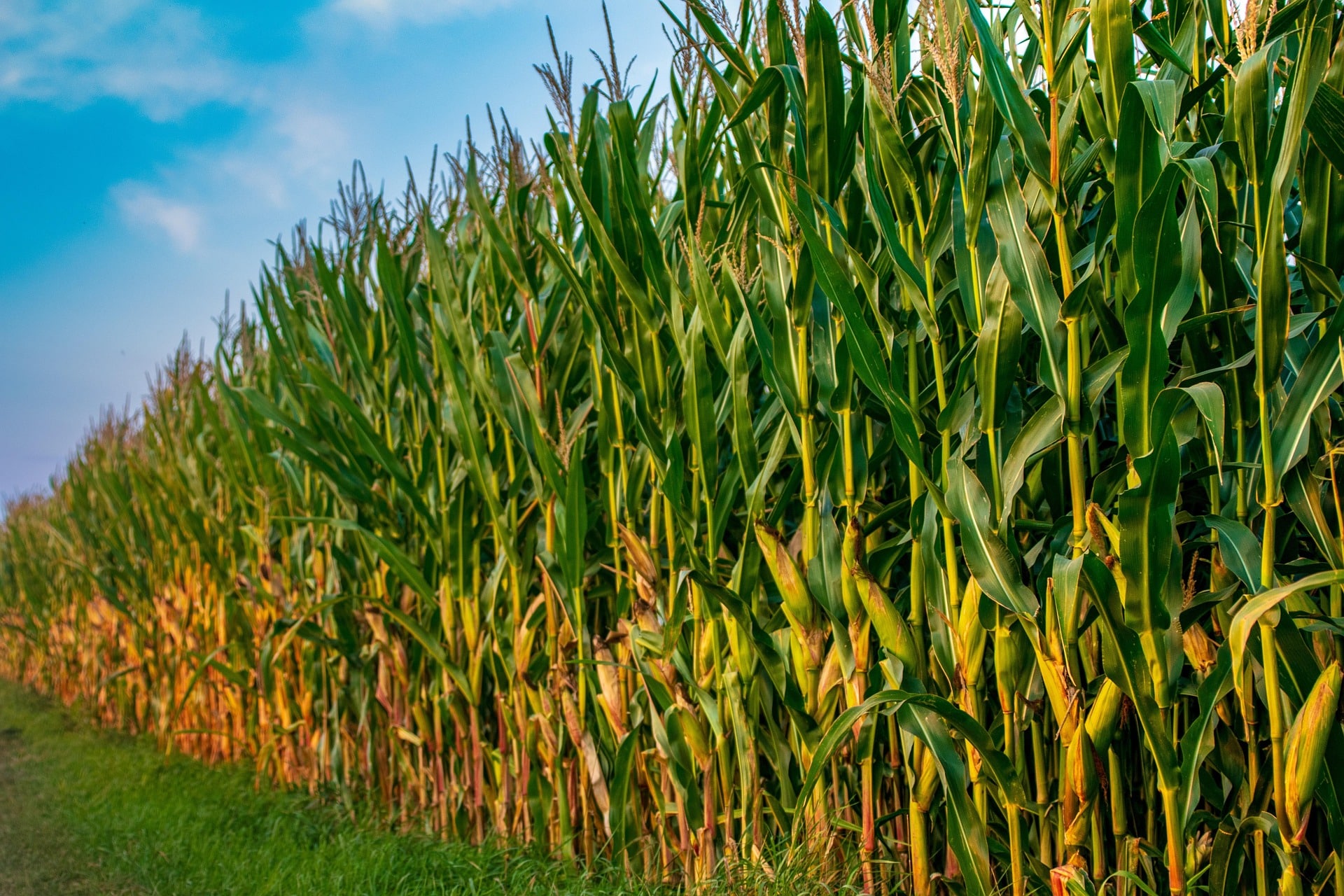
Buy a Farm
Expert guidance in finding the perfect agricultural property.
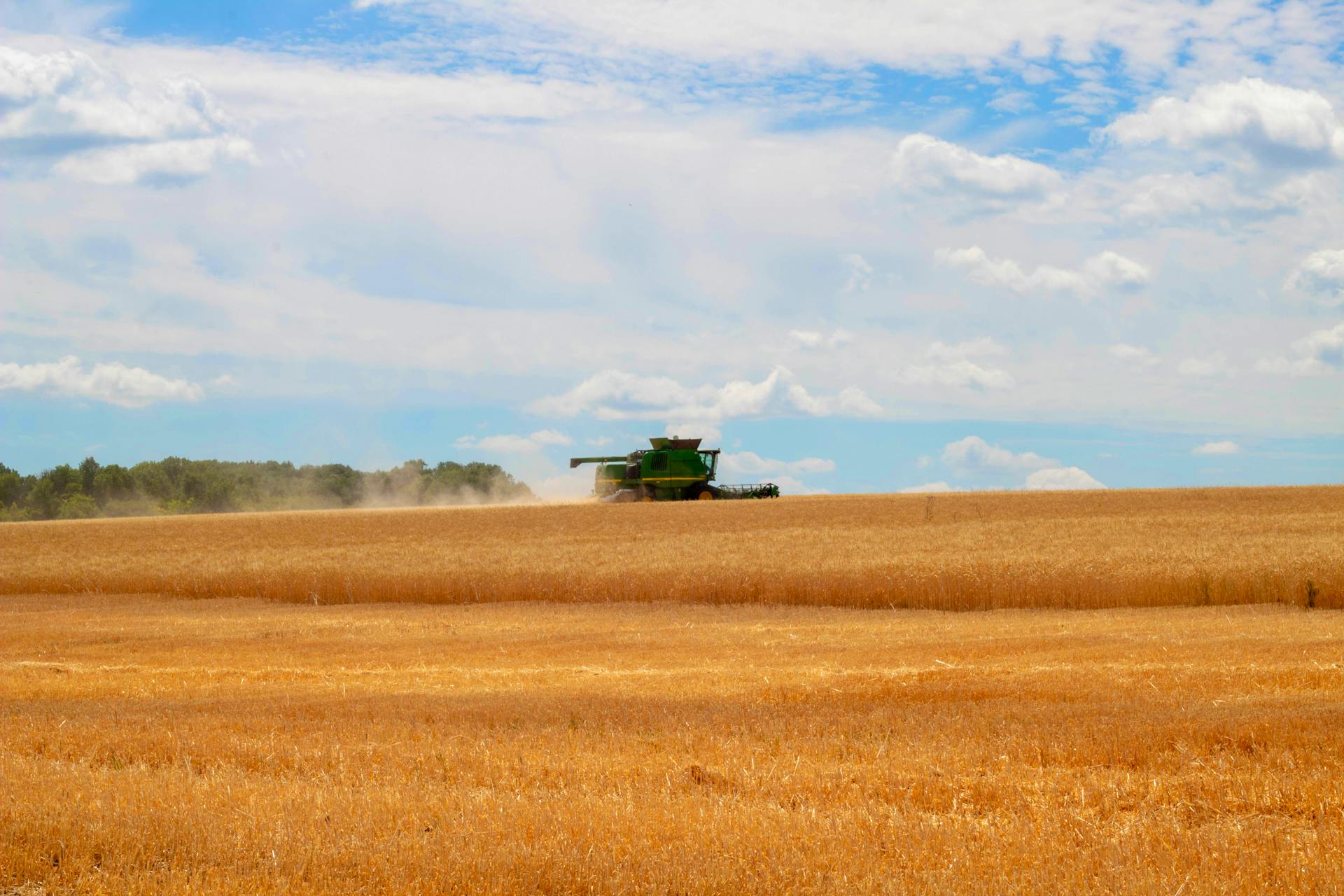
Sell Your Farm
Strategic marketing and valuation for maximum return.
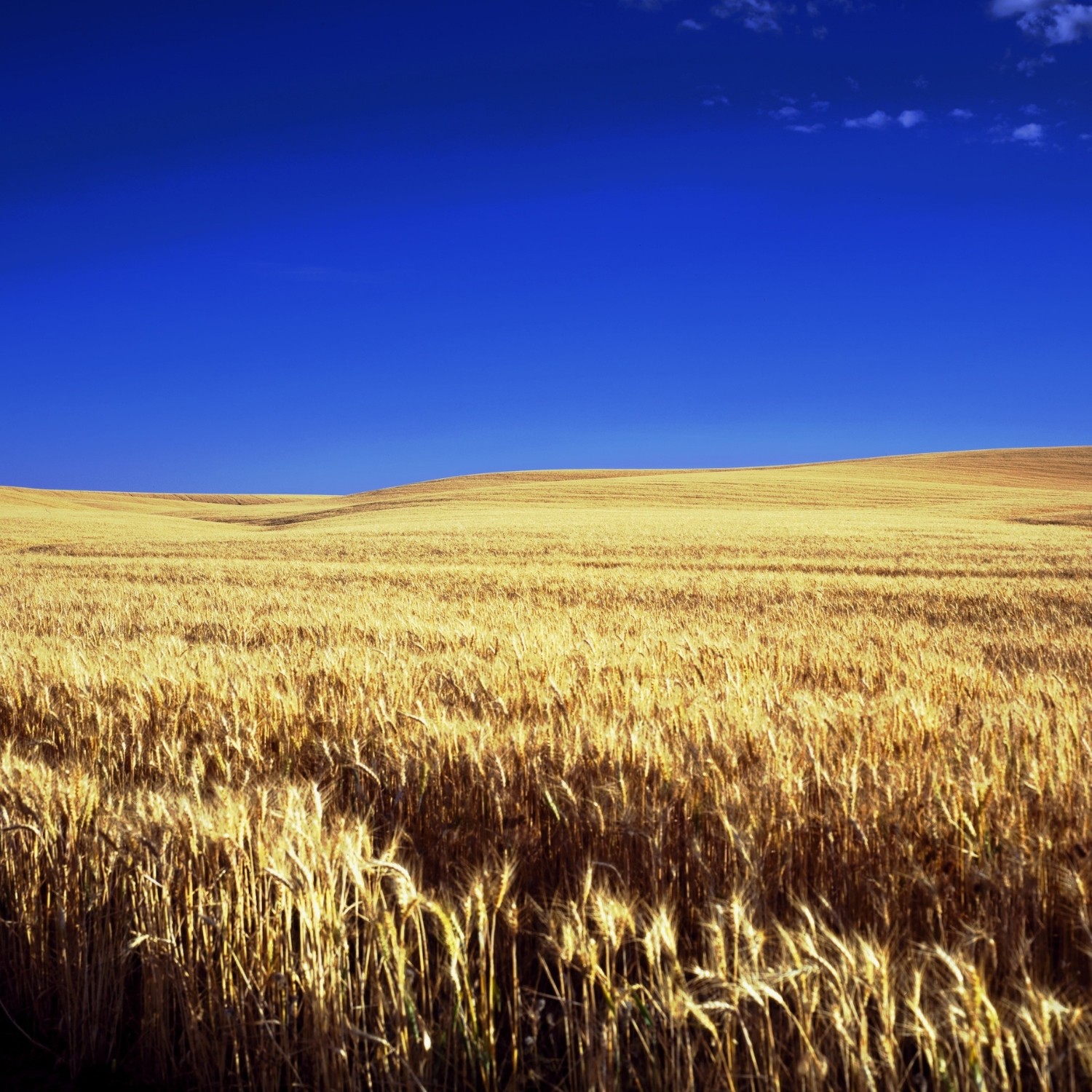
Land Valuation
Receive an accurate property valuation to inform your decisions.
Rural Realty Services
Comprehensive Farmland Services
Explore the Comprehensive Real Estate Solutions for Kansas farmers, landowners, families, and investors at Rural Realty
Buy a Farm
Expert guidance in finding the perfect agricultural property.
Sell Your Farm
Strategic marketing and valuation for maximum return.
Land Valuation
Receive an accurate property valuation to inform your decisions.
Rural Realty Services
Comprehensive Farmland Services
Explore the Comprehensive Real Estate Solutions for Kansas farmers, landowners, families, and investors at Rural Realty
Buy a Farm
Expert guidance in finding the perfect agricultural property.
Sell Your Farm
Strategic marketing and valuation for maximum return.
Land Valuation
Receive an accurate property valuation to inform your decisions.
Kansas Property Expertise
From farmland to family homes, Rural Realty brings generations of local expertise to every real estate transaction.
Kansas
Rural Homes
Rural Realty helps families find their perfect country property, specializing in homes with acreage across Kansas.

Kansas
Farmland
With over four generations of farming experience, Rural Realty brings unique insight to every agricultural land transaction.

Kansas
Ranchland
Rural Realty's deep understanding of ranch operations helps buyers and sellers make confident decisions about ranching properties.

Kansas
Hunting Properties
Rural Realty combines recreational value with agricultural opportunities to maximize returns on hunting property investments.

Kansas
Commercial Properties
From retail spaces to agricultural warehouses, Rural Realty guides clients through every commercial real estate transaction.

Kansas Property Expertise
From farmland to family homes, Rural Realty brings generations of local expertise to every real estate transaction.
Kansas
Rural Homes
Rural Realty helps families find their perfect country property, specializing in homes with acreage across Kansas.
Kansas
Farmland
With over four generations of farming experience, Rural Realty brings unique insight to every agricultural land transaction.
Kansas
Ranchland
Rural Realty's deep understanding of ranch operations helps buyers and sellers make confident decisions about ranching properties.
Kansas
Hunting Properties
Rural Realty combines recreational value with agricultural opportunities to maximize returns on hunting property investments.
Kansas
Commercial Properties
From retail spaces to agricultural warehouses, Rural Realty guides clients through every commercial real estate transaction.
Kansas Property Expertise
From farmland to family homes, Rural Realty brings generations of local expertise to every real estate transaction.
Kansas
Rural Homes
Rural Realty helps families find their perfect country property, specializing in homes with acreage across Kansas.
Kansas
Farmland
With over four generations of farming experience, Rural Realty brings unique insight to every agricultural land transaction.
Kansas
Ranchland
Rural Realty's deep understanding of ranch operations helps buyers and sellers make confident decisions about ranching properties.
Kansas
Hunting Properties
Rural Realty combines recreational value with agricultural opportunities to maximize returns on hunting property investments.
Kansas
Commercial Properties
From retail spaces to agricultural warehouses, Rural Realty guides clients through every commercial real estate transaction.
Ready to Buy or Sell Your Farm in Kansas?
Contact Rural Realty today for a personalized consultation about your farmland goals. Your agricultural future starts with the right land real estate agent.
Find an Agent in your Area
Contact Rural Realty
Find an Agent in your Area
Ready to Buy or Sell Your Farm in Kansas?
Contact Rural Realty today for a personalized consultation about your farmland goals. Your agricultural future starts with the right land real estate agent.
Find an Agent in your Area