Common Kansas Farmland Valuation Gaps Buyers Overlook
Alec Horton
•
Rural Realty
•

Kansas farmland can look great on paper and still disappoint in real life. A buyer might study soil maps and county averages, pay top dollar per acre, then later learn that parts of the field drown every wet spring, the yield map is full of thin spots, and the tenant has been fighting drainage and access for years. The land did not suddenly change; the valuation was shallow from the start.
When we talk about land valuation in Kansas, price per acre and basic comps only tell part of the story. They ignore how water moves across a field, how leases are written, how local operators actually farm the ground, and how non-tillable acres can earn income. Here are some common gaps we see buyers overlook, especially when looking at farmland as harvest wraps up and fresh yield data is on the table.
Avoid Costly Surprises When Pricing Kansas Farmland
Many buyers focus on one number: price per acre. They compare it to county sales, ask about soil type, maybe glance at a yield chart, then rush to bid. That is when surprises show up.
Standard comps often miss:
Field-level production swings
Water and drainage trouble spots
Lease details that limit income
Hidden value in non-crop acres
Late summer, after wheat harvest and while fall work is starting, can be a smart time to look closer. Recent yield maps, current input bills, and tenant performance are easier to review. At that point, the real story of the property is much clearer than what shows on a simple listing sheet.
Overlooking True Production History and Yield Risk
County averages and seller comments can hide a lot. A field in a strong county can still have problem zones that drag down long-term returns.
Here is where buyers slip up:
Relying on county yield averages instead of field-by-field results
Accepting general statements like “it yields well” without proof
Ignoring crop insurance records and actual planted history
Within the same farm, you can have:
Low spots that pond water
Slopes that burn up in hot, dry winds
Soil type changes that cut yield on every pass
Kansas also brings wide weather swings. Western areas often face more drought pressure, while eastern parts can see heavy spring rains. Both patterns affect which crops perform and how often the farm hits its “average” yield.
Smart buyers ask for several years of:
Yield maps or monitor data
Crop insurance summaries
Notes on tillage, fertility, and rotations
Those records show how the farm behaves through good years and hard years, not just the best season the seller remembers.
Ignoring Water, Drainage, and Access Infrastructure
Water is one of the biggest value drivers in Kansas farmland. Yet buyers often treat it as a yes-or-no box instead of a detailed review.
On the water side, you want to understand:
Well capacity and condition
Irrigation rights, if any
Age and condition of pumps, pivots, and underground lines
A small change in water access can shift:
What crops you can grow
How often you can double-crop
How stable your yields are in dry spells
Drainage problems are just as important. Common issues include:
Seasonal ponding that delays planting or kills stands
Erosion in draws that eats away at topsoil
Undersized culverts that wash out roads and field entrances
Every wet spot and every eroded corner can shrink your usable acres. Fixing drainage often takes time, planning, and money, so it should show up in your value view.
Access also matters more than many buyers think. Good gravel or all-weather roads make it easier to:
Move grain during soft ground conditions
Bring in fertilizer and seed on schedule
Reach elevators or livestock markets quickly
Long hauls or poor roads can raise operating costs and lower your leverage when you go to sell.
Underestimating Lease Terms, Tenants, and Local Operators
Leases are not just an income line on a spreadsheet. They shape what you can do with the land for years.
Key lease points to review:
Cash rent versus crop-share structure
Lease length and any automatic renewals
Termination timelines and written documentation
A below-market cash rent locked in for several years can drag down returns, even on strong land. On the flip side, a fair crop-share with a skilled tenant can align incentives and lead to better long-term care of the soil.
Tenant quality matters more than many buyers realize. You want to understand if the operator:
Has the right equipment for the field sizes
Pays attention to soil health and fertility
Communicates clearly about plans and problems
Handshake agreements with no paperwork can be risky. They leave room for misunderstandings and make it hard to show lenders or partners what income to expect. That gap between what the land should earn and what it actually earns is a real valuation issue.
Missing Value in Non-Tillable Acres and Mixed-Use Potential
Non-tillable acres can look like “waste” on a map, but they often hold hidden value. Draws, creeks, timber, and native grass can support:
Grazing or backgrounding
Hay production on suitable areas
Hunting and other recreational use
Across Kansas, there are also chances to think beyond row crops. Some buyers explore:
Enrolling certain acres in conservation programs
Improving wildlife habitat to support hunting income
Converting marginal cropland back to pasture for more stable returns in dry periods
Mixed-use properties might blend row crops with pasture, or pasture with strong hunting appeal. On a simple price-per-acre chart, they may look average. When you separate the income streams and long-term flexibility, they can be worth more than a pure row-crop tract with similar soils.
Misreading Market Timing, Interest Rates, and Local Demand
Farmland value is not only about dirt and yields. It also reacts to broader conditions that many buyers only half consider.
Interest rates affect how far buyers can stretch. Commodity prices and input costs influence what local operators feel comfortable paying or bidding up. By mid to late summer, people have a clearer read on:
How the current crop is shaping up
Their own cash flow and borrowing needs
What they are willing to chase at auction
Local demand drivers are often very specific. A county with several expanding farm operations, nearby livestock facilities, or grain processors can see stronger bids than regional averages might suggest.
Auctions add another layer. Limited listings, neighbor competition, and “once-in-a-lifetime” tracts can push people past rational ceilings. Buyers who know the real value of the land, including all the hidden gaps we have discussed, are better prepared to set a firm top number before they ever walk into the sale barn or log in online.
When you understand these gaps in land valuation in Kansas, you gain more than just trivia. You gain a clearer picture of what a tract can truly produce, what it may cost to fix, and how flexible your future options will be. Careful questions about yield history, water and access, lease terms, and non-tillable acres can turn up both risks and opportunities that simple comps miss.
Unlock Your Kansas Land’s Full Market Potential Today
If you are ready to understand what your acreage is truly worth, our team at Rural Realty is here to help. We combine local insight with current market data to deliver accurate land valuation in Kansas tailored to your goals. Whether you are considering selling, buying, or holding, we will walk you through your options so you can move forward with confidence. Reach out today so we can discuss your property and next best steps.

Alec Horton- Licensed KS Broker
Weekly Newsletter Update!
Join the Newsletter to Receive Kansas Market Updates
Stay up-to-date with the latest land prices, properties for sale, and tips for managing and selling your farm!
Blog Articles

Unexpected Income Streams on Kansas Ranch Land for Sale
Alec Horton
Learn More

Evaluating Kansas Farmland Rental History Before You Buy
Alec Horton
Learn More

Kansas Ranch Listing Terms: Stocking Rate, AUMs, Carrying Capacity
Alec Horton
Learn More

Leasing vs. Selling Kansas Farmland: Choosing the Right Path
Alec Horton
Learn More

Reading Kansas Land Listings When You Want Hunting Income
Alec Horton
Learn More
Common Kansas Farmland Valuation Gaps Buyers Overlook
Alec Horton
•
Rural Realty
Kansas farmland can look great on paper and still disappoint in real life. A buyer might study soil maps and county averages, pay top dollar per acre, then later learn that parts of the field drown every wet spring, the yield map is full of thin spots, and the tenant has been fighting drainage and access for years. The land did not suddenly change; the valuation was shallow from the start.
When we talk about land valuation in Kansas, price per acre and basic comps only tell part of the story. They ignore how water moves across a field, how leases are written, how local operators actually farm the ground, and how non-tillable acres can earn income. Here are some common gaps we see buyers overlook, especially when looking at farmland as harvest wraps up and fresh yield data is on the table.
Avoid Costly Surprises When Pricing Kansas Farmland
Many buyers focus on one number: price per acre. They compare it to county sales, ask about soil type, maybe glance at a yield chart, then rush to bid. That is when surprises show up.
Standard comps often miss:
Field-level production swings
Water and drainage trouble spots
Lease details that limit income
Hidden value in non-crop acres
Late summer, after wheat harvest and while fall work is starting, can be a smart time to look closer. Recent yield maps, current input bills, and tenant performance are easier to review. At that point, the real story of the property is much clearer than what shows on a simple listing sheet.
Overlooking True Production History and Yield Risk
County averages and seller comments can hide a lot. A field in a strong county can still have problem zones that drag down long-term returns.
Here is where buyers slip up:
Relying on county yield averages instead of field-by-field results
Accepting general statements like “it yields well” without proof
Ignoring crop insurance records and actual planted history
Within the same farm, you can have:
Low spots that pond water
Slopes that burn up in hot, dry winds
Soil type changes that cut yield on every pass
Kansas also brings wide weather swings. Western areas often face more drought pressure, while eastern parts can see heavy spring rains. Both patterns affect which crops perform and how often the farm hits its “average” yield.
Smart buyers ask for several years of:
Yield maps or monitor data
Crop insurance summaries
Notes on tillage, fertility, and rotations
Those records show how the farm behaves through good years and hard years, not just the best season the seller remembers.
Ignoring Water, Drainage, and Access Infrastructure
Water is one of the biggest value drivers in Kansas farmland. Yet buyers often treat it as a yes-or-no box instead of a detailed review.
On the water side, you want to understand:
Well capacity and condition
Irrigation rights, if any
Age and condition of pumps, pivots, and underground lines
A small change in water access can shift:
What crops you can grow
How often you can double-crop
How stable your yields are in dry spells
Drainage problems are just as important. Common issues include:
Seasonal ponding that delays planting or kills stands
Erosion in draws that eats away at topsoil
Undersized culverts that wash out roads and field entrances
Every wet spot and every eroded corner can shrink your usable acres. Fixing drainage often takes time, planning, and money, so it should show up in your value view.
Access also matters more than many buyers think. Good gravel or all-weather roads make it easier to:
Move grain during soft ground conditions
Bring in fertilizer and seed on schedule
Reach elevators or livestock markets quickly
Long hauls or poor roads can raise operating costs and lower your leverage when you go to sell.
Underestimating Lease Terms, Tenants, and Local Operators
Leases are not just an income line on a spreadsheet. They shape what you can do with the land for years.
Key lease points to review:
Cash rent versus crop-share structure
Lease length and any automatic renewals
Termination timelines and written documentation
A below-market cash rent locked in for several years can drag down returns, even on strong land. On the flip side, a fair crop-share with a skilled tenant can align incentives and lead to better long-term care of the soil.
Tenant quality matters more than many buyers realize. You want to understand if the operator:
Has the right equipment for the field sizes
Pays attention to soil health and fertility
Communicates clearly about plans and problems
Handshake agreements with no paperwork can be risky. They leave room for misunderstandings and make it hard to show lenders or partners what income to expect. That gap between what the land should earn and what it actually earns is a real valuation issue.
Missing Value in Non-Tillable Acres and Mixed-Use Potential
Non-tillable acres can look like “waste” on a map, but they often hold hidden value. Draws, creeks, timber, and native grass can support:
Grazing or backgrounding
Hay production on suitable areas
Hunting and other recreational use
Across Kansas, there are also chances to think beyond row crops. Some buyers explore:
Enrolling certain acres in conservation programs
Improving wildlife habitat to support hunting income
Converting marginal cropland back to pasture for more stable returns in dry periods
Mixed-use properties might blend row crops with pasture, or pasture with strong hunting appeal. On a simple price-per-acre chart, they may look average. When you separate the income streams and long-term flexibility, they can be worth more than a pure row-crop tract with similar soils.
Misreading Market Timing, Interest Rates, and Local Demand
Farmland value is not only about dirt and yields. It also reacts to broader conditions that many buyers only half consider.
Interest rates affect how far buyers can stretch. Commodity prices and input costs influence what local operators feel comfortable paying or bidding up. By mid to late summer, people have a clearer read on:
How the current crop is shaping up
Their own cash flow and borrowing needs
What they are willing to chase at auction
Local demand drivers are often very specific. A county with several expanding farm operations, nearby livestock facilities, or grain processors can see stronger bids than regional averages might suggest.
Auctions add another layer. Limited listings, neighbor competition, and “once-in-a-lifetime” tracts can push people past rational ceilings. Buyers who know the real value of the land, including all the hidden gaps we have discussed, are better prepared to set a firm top number before they ever walk into the sale barn or log in online.
When you understand these gaps in land valuation in Kansas, you gain more than just trivia. You gain a clearer picture of what a tract can truly produce, what it may cost to fix, and how flexible your future options will be. Careful questions about yield history, water and access, lease terms, and non-tillable acres can turn up both risks and opportunities that simple comps miss.
Unlock Your Kansas Land’s Full Market Potential Today
If you are ready to understand what your acreage is truly worth, our team at Rural Realty is here to help. We combine local insight with current market data to deliver accurate land valuation in Kansas tailored to your goals. Whether you are considering selling, buying, or holding, we will walk you through your options so you can move forward with confidence. Reach out today so we can discuss your property and next best steps.
Common Kansas Farmland Valuation Gaps Buyers Overlook
Alec Horton
•
Rural Realty
•
Kansas farmland can look great on paper and still disappoint in real life. A buyer might study soil maps and county averages, pay top dollar per acre, then later learn that parts of the field drown every wet spring, the yield map is full of thin spots, and the tenant has been fighting drainage and access for years. The land did not suddenly change; the valuation was shallow from the start.
When we talk about land valuation in Kansas, price per acre and basic comps only tell part of the story. They ignore how water moves across a field, how leases are written, how local operators actually farm the ground, and how non-tillable acres can earn income. Here are some common gaps we see buyers overlook, especially when looking at farmland as harvest wraps up and fresh yield data is on the table.
Avoid Costly Surprises When Pricing Kansas Farmland
Many buyers focus on one number: price per acre. They compare it to county sales, ask about soil type, maybe glance at a yield chart, then rush to bid. That is when surprises show up.
Standard comps often miss:
Field-level production swings
Water and drainage trouble spots
Lease details that limit income
Hidden value in non-crop acres
Late summer, after wheat harvest and while fall work is starting, can be a smart time to look closer. Recent yield maps, current input bills, and tenant performance are easier to review. At that point, the real story of the property is much clearer than what shows on a simple listing sheet.
Overlooking True Production History and Yield Risk
County averages and seller comments can hide a lot. A field in a strong county can still have problem zones that drag down long-term returns.
Here is where buyers slip up:
Relying on county yield averages instead of field-by-field results
Accepting general statements like “it yields well” without proof
Ignoring crop insurance records and actual planted history
Within the same farm, you can have:
Low spots that pond water
Slopes that burn up in hot, dry winds
Soil type changes that cut yield on every pass
Kansas also brings wide weather swings. Western areas often face more drought pressure, while eastern parts can see heavy spring rains. Both patterns affect which crops perform and how often the farm hits its “average” yield.
Smart buyers ask for several years of:
Yield maps or monitor data
Crop insurance summaries
Notes on tillage, fertility, and rotations
Those records show how the farm behaves through good years and hard years, not just the best season the seller remembers.
Ignoring Water, Drainage, and Access Infrastructure
Water is one of the biggest value drivers in Kansas farmland. Yet buyers often treat it as a yes-or-no box instead of a detailed review.
On the water side, you want to understand:
Well capacity and condition
Irrigation rights, if any
Age and condition of pumps, pivots, and underground lines
A small change in water access can shift:
What crops you can grow
How often you can double-crop
How stable your yields are in dry spells
Drainage problems are just as important. Common issues include:
Seasonal ponding that delays planting or kills stands
Erosion in draws that eats away at topsoil
Undersized culverts that wash out roads and field entrances
Every wet spot and every eroded corner can shrink your usable acres. Fixing drainage often takes time, planning, and money, so it should show up in your value view.
Access also matters more than many buyers think. Good gravel or all-weather roads make it easier to:
Move grain during soft ground conditions
Bring in fertilizer and seed on schedule
Reach elevators or livestock markets quickly
Long hauls or poor roads can raise operating costs and lower your leverage when you go to sell.
Underestimating Lease Terms, Tenants, and Local Operators
Leases are not just an income line on a spreadsheet. They shape what you can do with the land for years.
Key lease points to review:
Cash rent versus crop-share structure
Lease length and any automatic renewals
Termination timelines and written documentation
A below-market cash rent locked in for several years can drag down returns, even on strong land. On the flip side, a fair crop-share with a skilled tenant can align incentives and lead to better long-term care of the soil.
Tenant quality matters more than many buyers realize. You want to understand if the operator:
Has the right equipment for the field sizes
Pays attention to soil health and fertility
Communicates clearly about plans and problems
Handshake agreements with no paperwork can be risky. They leave room for misunderstandings and make it hard to show lenders or partners what income to expect. That gap between what the land should earn and what it actually earns is a real valuation issue.
Missing Value in Non-Tillable Acres and Mixed-Use Potential
Non-tillable acres can look like “waste” on a map, but they often hold hidden value. Draws, creeks, timber, and native grass can support:
Grazing or backgrounding
Hay production on suitable areas
Hunting and other recreational use
Across Kansas, there are also chances to think beyond row crops. Some buyers explore:
Enrolling certain acres in conservation programs
Improving wildlife habitat to support hunting income
Converting marginal cropland back to pasture for more stable returns in dry periods
Mixed-use properties might blend row crops with pasture, or pasture with strong hunting appeal. On a simple price-per-acre chart, they may look average. When you separate the income streams and long-term flexibility, they can be worth more than a pure row-crop tract with similar soils.
Misreading Market Timing, Interest Rates, and Local Demand
Farmland value is not only about dirt and yields. It also reacts to broader conditions that many buyers only half consider.
Interest rates affect how far buyers can stretch. Commodity prices and input costs influence what local operators feel comfortable paying or bidding up. By mid to late summer, people have a clearer read on:
How the current crop is shaping up
Their own cash flow and borrowing needs
What they are willing to chase at auction
Local demand drivers are often very specific. A county with several expanding farm operations, nearby livestock facilities, or grain processors can see stronger bids than regional averages might suggest.
Auctions add another layer. Limited listings, neighbor competition, and “once-in-a-lifetime” tracts can push people past rational ceilings. Buyers who know the real value of the land, including all the hidden gaps we have discussed, are better prepared to set a firm top number before they ever walk into the sale barn or log in online.
When you understand these gaps in land valuation in Kansas, you gain more than just trivia. You gain a clearer picture of what a tract can truly produce, what it may cost to fix, and how flexible your future options will be. Careful questions about yield history, water and access, lease terms, and non-tillable acres can turn up both risks and opportunities that simple comps miss.
Unlock Your Kansas Land’s Full Market Potential Today
If you are ready to understand what your acreage is truly worth, our team at Rural Realty is here to help. We combine local insight with current market data to deliver accurate land valuation in Kansas tailored to your goals. Whether you are considering selling, buying, or holding, we will walk you through your options so you can move forward with confidence. Reach out today so we can discuss your property and next best steps.
Meet the Founder of Rural Realty
Alec Horton
Alec Horton founded Rural Realty in 2025 to help Western Kansas landowners navigate the complexities of buying and selling rural properties with confidence. Born and raised in Leoti, Alec comes from four generations of farmers, giving him a deep understanding of the land and the people who work it. After 16 years of buying and selling agricultural land for his own family’s farm, he saw firsthand the challenges landowners face—uncertain pricing, complex transactions, and a lack of dedicated rural real estate expertise. Determined to bridge that gap, he launched Rural Realty to provide honest, knowledgeable, and personalized service to farmers, ranchers, and investors. As a licensed land broker, Alec and his team brings local insight, industry expertise, and a passion for helping clients achieve their landownership goals.

Meet the Founder of Rural Realty
Alec Horton
Alec Horton founded Rural Realty in 2025 to give landowners across Western Kansas a trusted partner in buying and selling rural properties. A fourth-generation farmer from Leoti with 16 years of experience in agricultural land deals, Alec saw the need for a brokerage that truly understands the land and the people who work it. With a deep knowledge of local markets and a commitment to honest, personalized service, Rural Realty helps farmers, ranchers, and investors navigate complex transactions with confidence.
Meet the Founder of Rural Realty
Alec Horton
Alec Horton founded Rural Realty in 2025 to help Western Kansas landowners navigate the complexities of buying and selling rural properties with confidence. Born and raised in Leoti, Alec comes from four generations of farmers, giving him a deep understanding of the land and the people who work it. After 16 years of buying and selling agricultural land for his own family’s farm, he saw firsthand the challenges landowners face—uncertain pricing, complex transactions, and a lack of dedicated rural real estate expertise. Determined to bridge that gap, he launched Rural Realty to provide honest, knowledgeable, and personalized service to farmers, ranchers, and investors. As a licensed land broker, Alec and his team brings local insight, industry expertise, and a passion for helping clients achieve their landownership goals.
Farm Experience You Can Trust
Local Knowledge. Proven Results.
46+
2023-2025 Farm Transactions
18+
Years of Farmland Experience
700+
Network of Kansas Farmers
Farm Experience You Can Trust
Local Knowledge. Proven Results.
46+
2023-2025 Farm Transactions
18+
Years of Farmland Experience
700+
Network of Kansas Farmers
Farm Experience You Can Trust
Local Knowledge. Proven Results.
46+
2023-2025 Farm Transactions
18+
Years of Farmland Experience
700+
Network of Kansas Farmers
Rural Realty Services
Comprehensive Farmland Services
Explore the Comprehensive Real Estate Solutions for Kansas farmers, landowners, families, and investors at Rural Realty
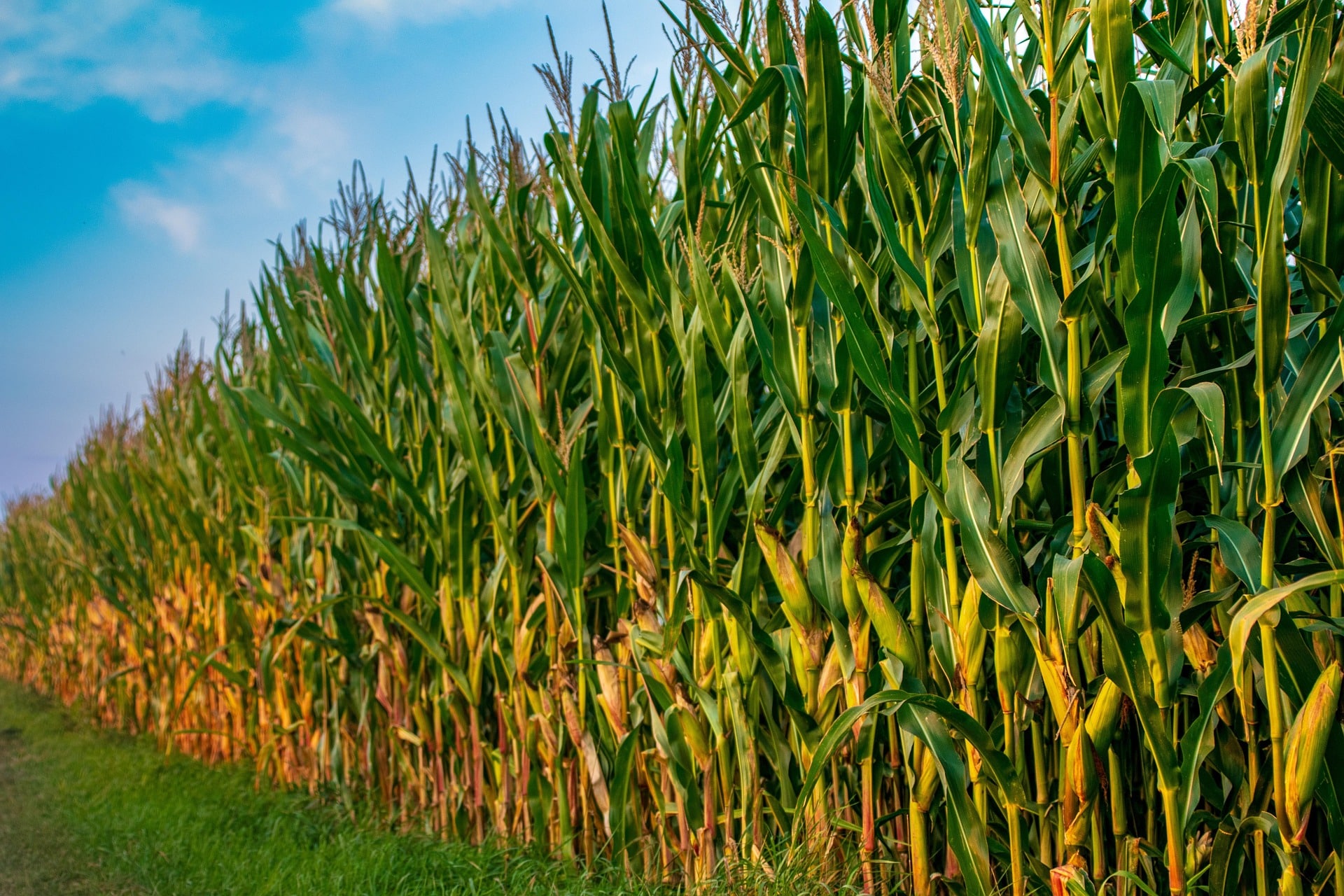
Buy a Farm
Expert guidance in finding the perfect agricultural property.
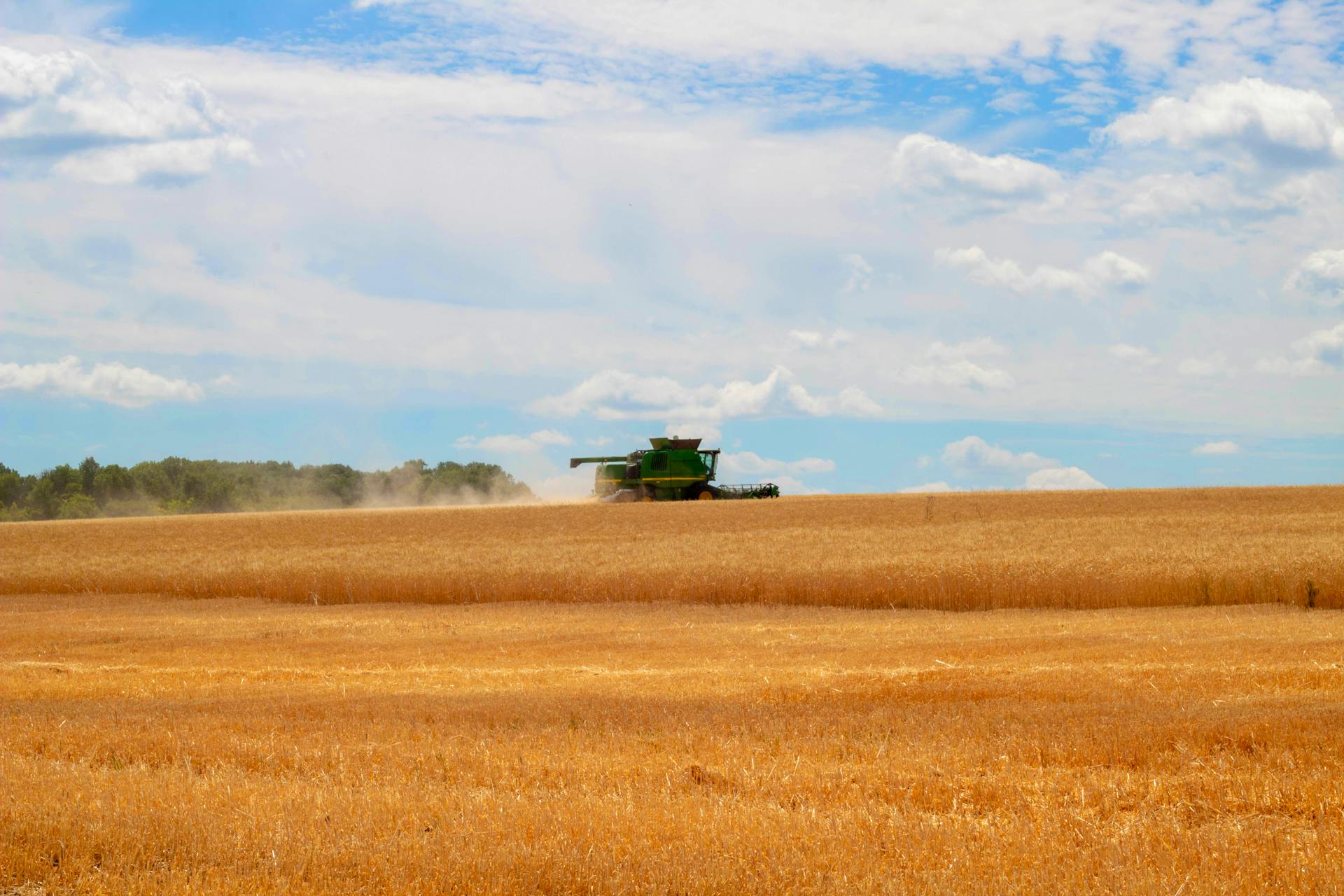
Sell Your Farm
Strategic marketing and valuation for maximum return.
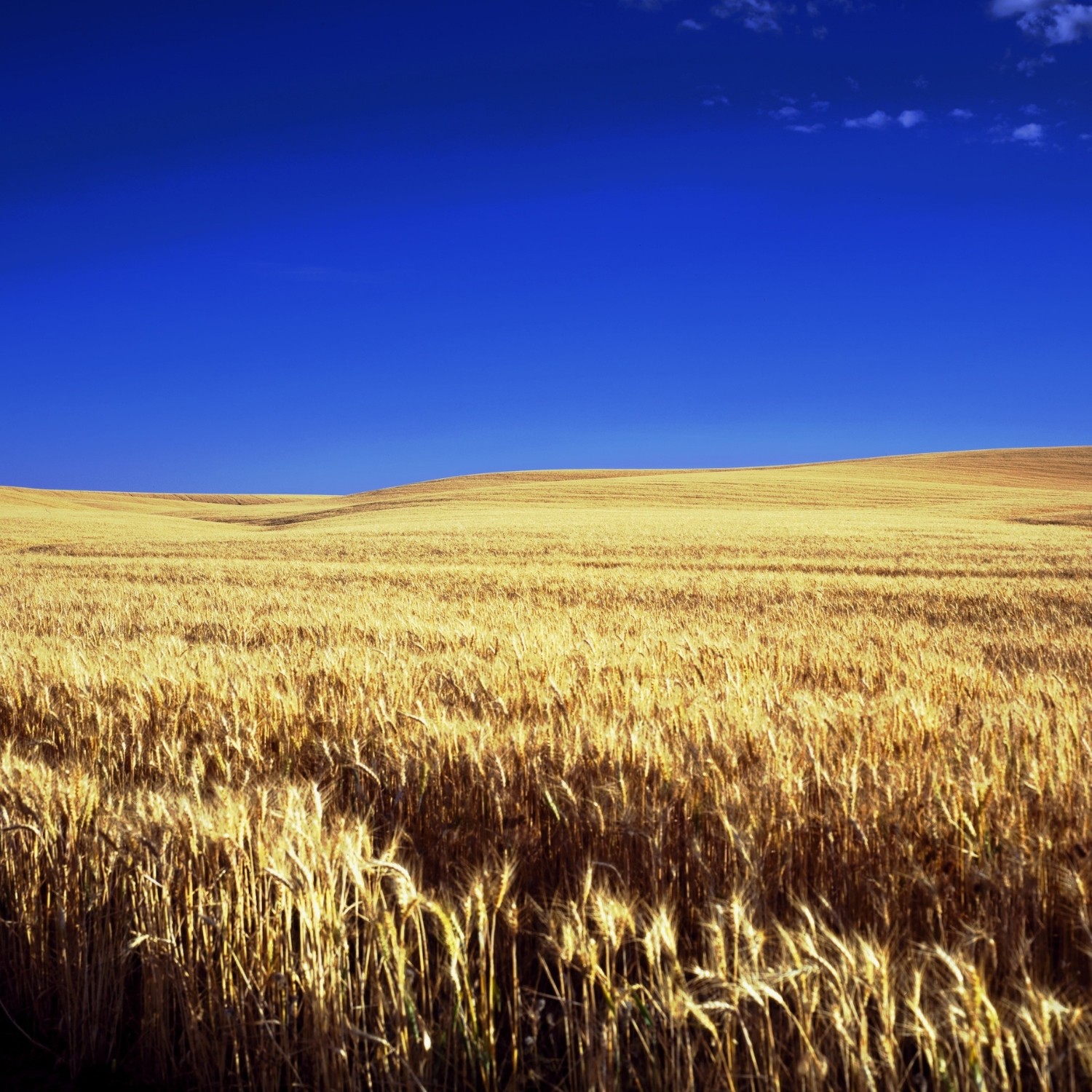
Land Valuation
Receive an accurate property valuation to inform your decisions.
Rural Realty Services
Comprehensive Farmland Services
Explore the Comprehensive Real Estate Solutions for Kansas farmers, landowners, families, and investors at Rural Realty
Buy a Farm
Expert guidance in finding the perfect agricultural property.
Sell Your Farm
Strategic marketing and valuation for maximum return.
Land Valuation
Receive an accurate property valuation to inform your decisions.
Rural Realty Services
Comprehensive Farmland Services
Explore the Comprehensive Real Estate Solutions for Kansas farmers, landowners, families, and investors at Rural Realty
Buy a Farm
Expert guidance in finding the perfect agricultural property.
Sell Your Farm
Strategic marketing and valuation for maximum return.
Land Valuation
Receive an accurate property valuation to inform your decisions.
Kansas Property Expertise
From farmland to family homes, Rural Realty brings generations of local expertise to every real estate transaction.
Kansas
Rural Homes
Rural Realty helps families find their perfect country property, specializing in homes with acreage across Kansas.

Kansas
Farmland
With over four generations of farming experience, Rural Realty brings unique insight to every agricultural land transaction.

Kansas
Ranchland
Rural Realty's deep understanding of ranch operations helps buyers and sellers make confident decisions about ranching properties.

Kansas
Hunting Properties
Rural Realty combines recreational value with agricultural opportunities to maximize returns on hunting property investments.

Kansas
Commercial Properties
From retail spaces to agricultural warehouses, Rural Realty guides clients through every commercial real estate transaction.

Kansas Property Expertise
From farmland to family homes, Rural Realty brings generations of local expertise to every real estate transaction.
Kansas
Rural Homes
Rural Realty helps families find their perfect country property, specializing in homes with acreage across Kansas.
Kansas
Farmland
With over four generations of farming experience, Rural Realty brings unique insight to every agricultural land transaction.
Kansas
Ranchland
Rural Realty's deep understanding of ranch operations helps buyers and sellers make confident decisions about ranching properties.
Kansas
Hunting Properties
Rural Realty combines recreational value with agricultural opportunities to maximize returns on hunting property investments.
Kansas
Commercial Properties
From retail spaces to agricultural warehouses, Rural Realty guides clients through every commercial real estate transaction.
Kansas Property Expertise
From farmland to family homes, Rural Realty brings generations of local expertise to every real estate transaction.
Kansas
Rural Homes
Rural Realty helps families find their perfect country property, specializing in homes with acreage across Kansas.
Kansas
Farmland
With over four generations of farming experience, Rural Realty brings unique insight to every agricultural land transaction.
Kansas
Ranchland
Rural Realty's deep understanding of ranch operations helps buyers and sellers make confident decisions about ranching properties.
Kansas
Hunting Properties
Rural Realty combines recreational value with agricultural opportunities to maximize returns on hunting property investments.
Kansas
Commercial Properties
From retail spaces to agricultural warehouses, Rural Realty guides clients through every commercial real estate transaction.
Ready to Buy or Sell Your Farm in Kansas?
Contact Rural Realty today for a personalized consultation about your farmland goals. Your agricultural future starts with the right land real estate agent.
Find an Agent in your Area
Contact Rural Realty
Find an Agent in your Area
Ready to Buy or Sell Your Farm in Kansas?
Contact Rural Realty today for a personalized consultation about your farmland goals. Your agricultural future starts with the right land real estate agent.
Find an Agent in your Area