Decoding Kansas Soil Maps Before Buying Farm Land
Alec Horton
•
Rural Realty
•

Read the Land Before You Buy It
Soil maps are one of the most important tools you can use when you are looking at farmland for sale in Kansas. Price, location, and water all matter, but the dirt under your boots decides what you can grow, how hard you have to work, and how your land performs over time. If you skip the soil maps, you are buying a farm with your eyes half closed.
In Kansas, planting and harvest are shaped years ahead by soil quality, drainage, and natural productivity. Those things do not change overnight. They show up clearly in soil surveys if you know how to read them. When we help buyers study a farm, we go through the soil maps to spot problems like low-yield patches, slopes that erode easily, or wet spots that will swallow equipment after a rain.
Why Soil Maps Matter for Kansas Farmland Buyers
Soil type is more than a label on a map. It is a preview of how the land will act in real life. Different parts of Kansas have very different soils, and that changes what you can expect from each acre.
Here are a few ways soil maps affect your bottom line:
Yield potential for your main crops
How much fertilizer and lime you are likely to need
How often you may need irrigation or extra conservation work
Long-term soil health and how it holds up to weather swings
In eastern Kansas, heavier clay loams might hold water well but can be slow to drain and tougher to work when they are wet. In western Kansas, lighter sandy loams may be easier to work but can dry out fast and may need more careful water and nutrient management. Soil maps let you see those differences before you sign anything.
Lenders and appraisers often look at soil productivity ratings when they value farmland for sale in Kansas. Strong, consistent soils can support higher values and can be easier to finance. Marginal soils with big limitations can drag down value or lead to tighter terms.
Soil maps are also a key part of risk management. They can reveal:
Salinity or alkali areas that stunt crops
Shallow bedrock that limits root depth
Flood-prone bottoms that stay wet too long
Steep slopes that are hard to farm without losing topsoil
When you understand these limits upfront, you can avoid overpaying and shape an offer that matches the true strength of the farm.
Key Parts of a Kansas Soil Map You Must Understand
Kansas buyers often see soil maps from the USDA NRCS Web Soil Survey or from older county soil books. At first glance, they look busy, but once you know the pieces, they make a lot more sense.
The basic parts you should know are:
Legend that explains colors, symbols, and soil names
Map unit boundaries that outline areas with the same soil type
Labels on each map unit, usually a mix of letters and numbers
Those labels are packed with information. A typical soil map unit tells you:
Soil series name, which ties back to a longer soil description
Slope range, often shown as a percent (for example, 1 to 3 percent)
Expected land use like cropland, pasture, hay, or native grass
That slope number matters a lot. A soil with 0 to 1 percent slope may be ideal for row crops if it drains well. The same soil on 7 to 15 percent slope might be better kept in grass to avoid erosion.
Soil reports that come with the maps often show rating systems such as:
Capability class, which ranks how suited the soil is for farming
Productivity index, which compares yield potential across soils
Drainage class, which tells how fast water leaves the soil
Laying these ratings side by side for different fields helps you see which tracts truly have the better dirt, not just the better view.
Reading Soil Data for Crop, Ranch, and Hunting Goals
Your plans for the land should guide how you read the soil map. A soil that is fine for pasture may be a poor choice for irrigated corn, and a great deer bedding area might be a headache for a grain operator.
For row-crop buyers, focus on:
Productivity ratings for crops like wheat, corn, soybeans, and sorghum
Water-holding capacity to match with local rainfall patterns
Drainage and flooding notes that affect planting dates
This helps you estimate realistic yield ranges and understand whether the farm fits your normal rotation or if it will require a different approach.
For ranch and pasture buyers, pay close attention to:
Soil depth, so you know how much rooting area your grasses will have
Native vegetation potential, which hints at forage quality
Water-holding capacity, which supports grass growth in dry spells
These factors shape stocking rates, pasture recovery after grazing, and how the land handles drought.
For hunting or mixed-use buyers, soils affect more than crops and cows. They also shape:
Food plot success and how often you can get equipment in the field
Cover types, from thick draws to open grass, based on soil and moisture
Access in wet or steep areas during fall hunting season
Good hunting ground often has a mix of soils: some that grow strong food plots and some that naturally support cover and bedding areas.
Comparing Two Tracts Using Soil Maps and Field Checks
When two farms are listed at a similar price, soil maps help you see which one is truly stronger. A simple way to compare is to look at:
Soil map units for each tract
Topography or contour lines that show slope and shape
Aerial imagery that reveals past field use and problem spots
You might find one farm has more acres of high-rated, gently sloping soils, while the other has more broken terrain, terraces, or low wet areas.
Soil maps are a starting point, not the final word. A summer field visit can confirm what the maps hint at. When you walk the property, look for:
Visible erosion lines or washed-out areas
Compaction or hardpan, often seen where water stands after rain
White crusts or bare patches that might signal salinity
Ponded or soft areas that stay wetter than the map suggests
Many farms have a mix of strong and weak spots. An average soil rating for the whole tract can hide very high-performing acres alongside tough, low-yield patches. Knowing where those areas are helps you think through:
How much of the purchase price you are really placing on the best acres
Whether lease terms should reflect variable soil strength
Where you may want to invest in tile, terraces, or seeding to grass
A careful read of the soil maps, paired with a good field check, keeps you from being surprised after the first crop year.
From Soil Maps to Smart Offers with Rural Realty
Turning soil information into a smart land buy takes a simple, steady process. For any rural Kansas property, we recommend you:
Pull current soil maps for the whole tract
Review the main ratings that fit your goals
Walk the property during the growing season when the problems show
Talk with local operators about real-world yields and trouble spots
Match what you learn to your long-term production plans
At Rural Realty, we combine soil data with our multi-generational farm experience and local market knowledge across Kansas. We look at how soil ratings line up with actual yields neighbors see, what kinds of crops or grazing systems work best in that area, and how local demand may support future resale.
When you use soil maps this way, farmland for sale in Kansas becomes easier to compare and much less of a guess. You are not just buying acres; you are buying the strength and limits of the soil itself, and that is exactly what those maps are built to show.
Find The Right Kansas Farmland With Confidence
If you are ready to invest in productive ground, we are here to help you pinpoint the right tract and navigate every step of the purchase. Explore current listings of farmland for sale in Kansas to compare locations, soil profiles, and long-term potential. At Rural Realty, we use local insight and market data so you can move forward with clarity and realistic expectations. Reach out today so we can discuss your goals and match you with properties that fit your operation or investment strategy.

Alec Horton- Licensed KS Broker
Weekly Newsletter Update!
Join the Newsletter to Receive Kansas Market Updates
Stay up-to-date with the latest land prices, properties for sale, and tips for managing and selling your farm!
Blog Articles

Unexpected Income Streams on Kansas Ranch Land for Sale
Alec Horton
Learn More

Evaluating Kansas Farmland Rental History Before You Buy
Alec Horton
Learn More

Kansas Ranch Listing Terms: Stocking Rate, AUMs, Carrying Capacity
Alec Horton
Learn More

Leasing vs. Selling Kansas Farmland: Choosing the Right Path
Alec Horton
Learn More

Reading Kansas Land Listings When You Want Hunting Income
Alec Horton
Learn More
Decoding Kansas Soil Maps Before Buying Farm Land
Alec Horton
•
Rural Realty
Read the Land Before You Buy It
Soil maps are one of the most important tools you can use when you are looking at farmland for sale in Kansas. Price, location, and water all matter, but the dirt under your boots decides what you can grow, how hard you have to work, and how your land performs over time. If you skip the soil maps, you are buying a farm with your eyes half closed.
In Kansas, planting and harvest are shaped years ahead by soil quality, drainage, and natural productivity. Those things do not change overnight. They show up clearly in soil surveys if you know how to read them. When we help buyers study a farm, we go through the soil maps to spot problems like low-yield patches, slopes that erode easily, or wet spots that will swallow equipment after a rain.
Why Soil Maps Matter for Kansas Farmland Buyers
Soil type is more than a label on a map. It is a preview of how the land will act in real life. Different parts of Kansas have very different soils, and that changes what you can expect from each acre.
Here are a few ways soil maps affect your bottom line:
Yield potential for your main crops
How much fertilizer and lime you are likely to need
How often you may need irrigation or extra conservation work
Long-term soil health and how it holds up to weather swings
In eastern Kansas, heavier clay loams might hold water well but can be slow to drain and tougher to work when they are wet. In western Kansas, lighter sandy loams may be easier to work but can dry out fast and may need more careful water and nutrient management. Soil maps let you see those differences before you sign anything.
Lenders and appraisers often look at soil productivity ratings when they value farmland for sale in Kansas. Strong, consistent soils can support higher values and can be easier to finance. Marginal soils with big limitations can drag down value or lead to tighter terms.
Soil maps are also a key part of risk management. They can reveal:
Salinity or alkali areas that stunt crops
Shallow bedrock that limits root depth
Flood-prone bottoms that stay wet too long
Steep slopes that are hard to farm without losing topsoil
When you understand these limits upfront, you can avoid overpaying and shape an offer that matches the true strength of the farm.
Key Parts of a Kansas Soil Map You Must Understand
Kansas buyers often see soil maps from the USDA NRCS Web Soil Survey or from older county soil books. At first glance, they look busy, but once you know the pieces, they make a lot more sense.
The basic parts you should know are:
Legend that explains colors, symbols, and soil names
Map unit boundaries that outline areas with the same soil type
Labels on each map unit, usually a mix of letters and numbers
Those labels are packed with information. A typical soil map unit tells you:
Soil series name, which ties back to a longer soil description
Slope range, often shown as a percent (for example, 1 to 3 percent)
Expected land use like cropland, pasture, hay, or native grass
That slope number matters a lot. A soil with 0 to 1 percent slope may be ideal for row crops if it drains well. The same soil on 7 to 15 percent slope might be better kept in grass to avoid erosion.
Soil reports that come with the maps often show rating systems such as:
Capability class, which ranks how suited the soil is for farming
Productivity index, which compares yield potential across soils
Drainage class, which tells how fast water leaves the soil
Laying these ratings side by side for different fields helps you see which tracts truly have the better dirt, not just the better view.
Reading Soil Data for Crop, Ranch, and Hunting Goals
Your plans for the land should guide how you read the soil map. A soil that is fine for pasture may be a poor choice for irrigated corn, and a great deer bedding area might be a headache for a grain operator.
For row-crop buyers, focus on:
Productivity ratings for crops like wheat, corn, soybeans, and sorghum
Water-holding capacity to match with local rainfall patterns
Drainage and flooding notes that affect planting dates
This helps you estimate realistic yield ranges and understand whether the farm fits your normal rotation or if it will require a different approach.
For ranch and pasture buyers, pay close attention to:
Soil depth, so you know how much rooting area your grasses will have
Native vegetation potential, which hints at forage quality
Water-holding capacity, which supports grass growth in dry spells
These factors shape stocking rates, pasture recovery after grazing, and how the land handles drought.
For hunting or mixed-use buyers, soils affect more than crops and cows. They also shape:
Food plot success and how often you can get equipment in the field
Cover types, from thick draws to open grass, based on soil and moisture
Access in wet or steep areas during fall hunting season
Good hunting ground often has a mix of soils: some that grow strong food plots and some that naturally support cover and bedding areas.
Comparing Two Tracts Using Soil Maps and Field Checks
When two farms are listed at a similar price, soil maps help you see which one is truly stronger. A simple way to compare is to look at:
Soil map units for each tract
Topography or contour lines that show slope and shape
Aerial imagery that reveals past field use and problem spots
You might find one farm has more acres of high-rated, gently sloping soils, while the other has more broken terrain, terraces, or low wet areas.
Soil maps are a starting point, not the final word. A summer field visit can confirm what the maps hint at. When you walk the property, look for:
Visible erosion lines or washed-out areas
Compaction or hardpan, often seen where water stands after rain
White crusts or bare patches that might signal salinity
Ponded or soft areas that stay wetter than the map suggests
Many farms have a mix of strong and weak spots. An average soil rating for the whole tract can hide very high-performing acres alongside tough, low-yield patches. Knowing where those areas are helps you think through:
How much of the purchase price you are really placing on the best acres
Whether lease terms should reflect variable soil strength
Where you may want to invest in tile, terraces, or seeding to grass
A careful read of the soil maps, paired with a good field check, keeps you from being surprised after the first crop year.
From Soil Maps to Smart Offers with Rural Realty
Turning soil information into a smart land buy takes a simple, steady process. For any rural Kansas property, we recommend you:
Pull current soil maps for the whole tract
Review the main ratings that fit your goals
Walk the property during the growing season when the problems show
Talk with local operators about real-world yields and trouble spots
Match what you learn to your long-term production plans
At Rural Realty, we combine soil data with our multi-generational farm experience and local market knowledge across Kansas. We look at how soil ratings line up with actual yields neighbors see, what kinds of crops or grazing systems work best in that area, and how local demand may support future resale.
When you use soil maps this way, farmland for sale in Kansas becomes easier to compare and much less of a guess. You are not just buying acres; you are buying the strength and limits of the soil itself, and that is exactly what those maps are built to show.
Find The Right Kansas Farmland With Confidence
If you are ready to invest in productive ground, we are here to help you pinpoint the right tract and navigate every step of the purchase. Explore current listings of farmland for sale in Kansas to compare locations, soil profiles, and long-term potential. At Rural Realty, we use local insight and market data so you can move forward with clarity and realistic expectations. Reach out today so we can discuss your goals and match you with properties that fit your operation or investment strategy.
Decoding Kansas Soil Maps Before Buying Farm Land
Alec Horton
•
Rural Realty
•
Read the Land Before You Buy It
Soil maps are one of the most important tools you can use when you are looking at farmland for sale in Kansas. Price, location, and water all matter, but the dirt under your boots decides what you can grow, how hard you have to work, and how your land performs over time. If you skip the soil maps, you are buying a farm with your eyes half closed.
In Kansas, planting and harvest are shaped years ahead by soil quality, drainage, and natural productivity. Those things do not change overnight. They show up clearly in soil surveys if you know how to read them. When we help buyers study a farm, we go through the soil maps to spot problems like low-yield patches, slopes that erode easily, or wet spots that will swallow equipment after a rain.
Why Soil Maps Matter for Kansas Farmland Buyers
Soil type is more than a label on a map. It is a preview of how the land will act in real life. Different parts of Kansas have very different soils, and that changes what you can expect from each acre.
Here are a few ways soil maps affect your bottom line:
Yield potential for your main crops
How much fertilizer and lime you are likely to need
How often you may need irrigation or extra conservation work
Long-term soil health and how it holds up to weather swings
In eastern Kansas, heavier clay loams might hold water well but can be slow to drain and tougher to work when they are wet. In western Kansas, lighter sandy loams may be easier to work but can dry out fast and may need more careful water and nutrient management. Soil maps let you see those differences before you sign anything.
Lenders and appraisers often look at soil productivity ratings when they value farmland for sale in Kansas. Strong, consistent soils can support higher values and can be easier to finance. Marginal soils with big limitations can drag down value or lead to tighter terms.
Soil maps are also a key part of risk management. They can reveal:
Salinity or alkali areas that stunt crops
Shallow bedrock that limits root depth
Flood-prone bottoms that stay wet too long
Steep slopes that are hard to farm without losing topsoil
When you understand these limits upfront, you can avoid overpaying and shape an offer that matches the true strength of the farm.
Key Parts of a Kansas Soil Map You Must Understand
Kansas buyers often see soil maps from the USDA NRCS Web Soil Survey or from older county soil books. At first glance, they look busy, but once you know the pieces, they make a lot more sense.
The basic parts you should know are:
Legend that explains colors, symbols, and soil names
Map unit boundaries that outline areas with the same soil type
Labels on each map unit, usually a mix of letters and numbers
Those labels are packed with information. A typical soil map unit tells you:
Soil series name, which ties back to a longer soil description
Slope range, often shown as a percent (for example, 1 to 3 percent)
Expected land use like cropland, pasture, hay, or native grass
That slope number matters a lot. A soil with 0 to 1 percent slope may be ideal for row crops if it drains well. The same soil on 7 to 15 percent slope might be better kept in grass to avoid erosion.
Soil reports that come with the maps often show rating systems such as:
Capability class, which ranks how suited the soil is for farming
Productivity index, which compares yield potential across soils
Drainage class, which tells how fast water leaves the soil
Laying these ratings side by side for different fields helps you see which tracts truly have the better dirt, not just the better view.
Reading Soil Data for Crop, Ranch, and Hunting Goals
Your plans for the land should guide how you read the soil map. A soil that is fine for pasture may be a poor choice for irrigated corn, and a great deer bedding area might be a headache for a grain operator.
For row-crop buyers, focus on:
Productivity ratings for crops like wheat, corn, soybeans, and sorghum
Water-holding capacity to match with local rainfall patterns
Drainage and flooding notes that affect planting dates
This helps you estimate realistic yield ranges and understand whether the farm fits your normal rotation or if it will require a different approach.
For ranch and pasture buyers, pay close attention to:
Soil depth, so you know how much rooting area your grasses will have
Native vegetation potential, which hints at forage quality
Water-holding capacity, which supports grass growth in dry spells
These factors shape stocking rates, pasture recovery after grazing, and how the land handles drought.
For hunting or mixed-use buyers, soils affect more than crops and cows. They also shape:
Food plot success and how often you can get equipment in the field
Cover types, from thick draws to open grass, based on soil and moisture
Access in wet or steep areas during fall hunting season
Good hunting ground often has a mix of soils: some that grow strong food plots and some that naturally support cover and bedding areas.
Comparing Two Tracts Using Soil Maps and Field Checks
When two farms are listed at a similar price, soil maps help you see which one is truly stronger. A simple way to compare is to look at:
Soil map units for each tract
Topography or contour lines that show slope and shape
Aerial imagery that reveals past field use and problem spots
You might find one farm has more acres of high-rated, gently sloping soils, while the other has more broken terrain, terraces, or low wet areas.
Soil maps are a starting point, not the final word. A summer field visit can confirm what the maps hint at. When you walk the property, look for:
Visible erosion lines or washed-out areas
Compaction or hardpan, often seen where water stands after rain
White crusts or bare patches that might signal salinity
Ponded or soft areas that stay wetter than the map suggests
Many farms have a mix of strong and weak spots. An average soil rating for the whole tract can hide very high-performing acres alongside tough, low-yield patches. Knowing where those areas are helps you think through:
How much of the purchase price you are really placing on the best acres
Whether lease terms should reflect variable soil strength
Where you may want to invest in tile, terraces, or seeding to grass
A careful read of the soil maps, paired with a good field check, keeps you from being surprised after the first crop year.
From Soil Maps to Smart Offers with Rural Realty
Turning soil information into a smart land buy takes a simple, steady process. For any rural Kansas property, we recommend you:
Pull current soil maps for the whole tract
Review the main ratings that fit your goals
Walk the property during the growing season when the problems show
Talk with local operators about real-world yields and trouble spots
Match what you learn to your long-term production plans
At Rural Realty, we combine soil data with our multi-generational farm experience and local market knowledge across Kansas. We look at how soil ratings line up with actual yields neighbors see, what kinds of crops or grazing systems work best in that area, and how local demand may support future resale.
When you use soil maps this way, farmland for sale in Kansas becomes easier to compare and much less of a guess. You are not just buying acres; you are buying the strength and limits of the soil itself, and that is exactly what those maps are built to show.
Find The Right Kansas Farmland With Confidence
If you are ready to invest in productive ground, we are here to help you pinpoint the right tract and navigate every step of the purchase. Explore current listings of farmland for sale in Kansas to compare locations, soil profiles, and long-term potential. At Rural Realty, we use local insight and market data so you can move forward with clarity and realistic expectations. Reach out today so we can discuss your goals and match you with properties that fit your operation or investment strategy.
Meet the Founder of Rural Realty
Alec Horton
Alec Horton founded Rural Realty in 2025 to help Western Kansas landowners navigate the complexities of buying and selling rural properties with confidence. Born and raised in Leoti, Alec comes from four generations of farmers, giving him a deep understanding of the land and the people who work it. After 16 years of buying and selling agricultural land for his own family’s farm, he saw firsthand the challenges landowners face—uncertain pricing, complex transactions, and a lack of dedicated rural real estate expertise. Determined to bridge that gap, he launched Rural Realty to provide honest, knowledgeable, and personalized service to farmers, ranchers, and investors. As a licensed land broker, Alec and his team brings local insight, industry expertise, and a passion for helping clients achieve their landownership goals.

Meet the Founder of Rural Realty
Alec Horton
Alec Horton founded Rural Realty in 2025 to give landowners across Western Kansas a trusted partner in buying and selling rural properties. A fourth-generation farmer from Leoti with 16 years of experience in agricultural land deals, Alec saw the need for a brokerage that truly understands the land and the people who work it. With a deep knowledge of local markets and a commitment to honest, personalized service, Rural Realty helps farmers, ranchers, and investors navigate complex transactions with confidence.
Meet the Founder of Rural Realty
Alec Horton
Alec Horton founded Rural Realty in 2025 to help Western Kansas landowners navigate the complexities of buying and selling rural properties with confidence. Born and raised in Leoti, Alec comes from four generations of farmers, giving him a deep understanding of the land and the people who work it. After 16 years of buying and selling agricultural land for his own family’s farm, he saw firsthand the challenges landowners face—uncertain pricing, complex transactions, and a lack of dedicated rural real estate expertise. Determined to bridge that gap, he launched Rural Realty to provide honest, knowledgeable, and personalized service to farmers, ranchers, and investors. As a licensed land broker, Alec and his team brings local insight, industry expertise, and a passion for helping clients achieve their landownership goals.
Farm Experience You Can Trust
Local Knowledge. Proven Results.
46+
2023-2025 Farm Transactions
18+
Years of Farmland Experience
700+
Network of Kansas Farmers
Farm Experience You Can Trust
Local Knowledge. Proven Results.
46+
2023-2025 Farm Transactions
18+
Years of Farmland Experience
700+
Network of Kansas Farmers
Farm Experience You Can Trust
Local Knowledge. Proven Results.
46+
2023-2025 Farm Transactions
18+
Years of Farmland Experience
700+
Network of Kansas Farmers
Rural Realty Services
Comprehensive Farmland Services
Explore the Comprehensive Real Estate Solutions for Kansas farmers, landowners, families, and investors at Rural Realty
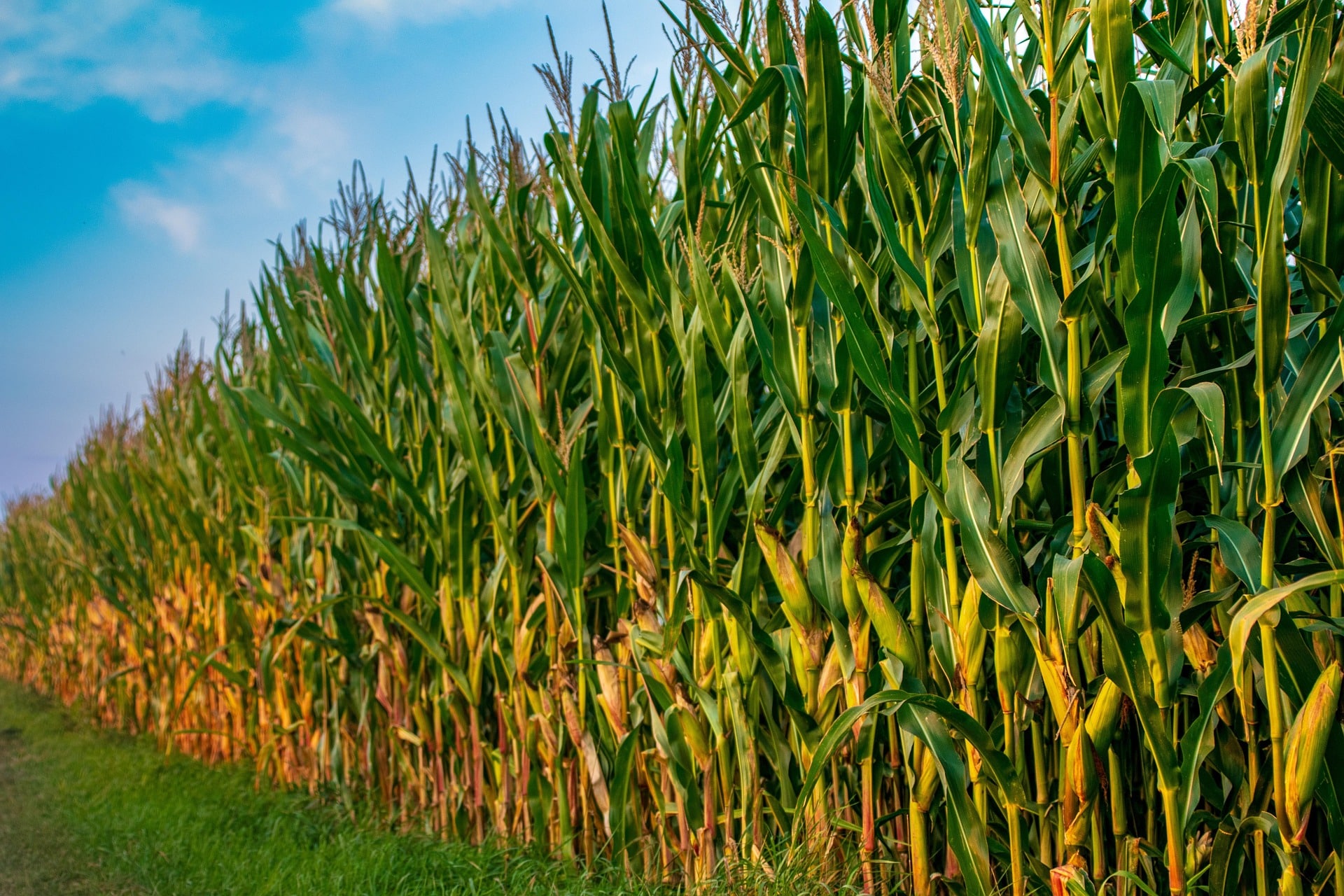
Buy a Farm
Expert guidance in finding the perfect agricultural property.
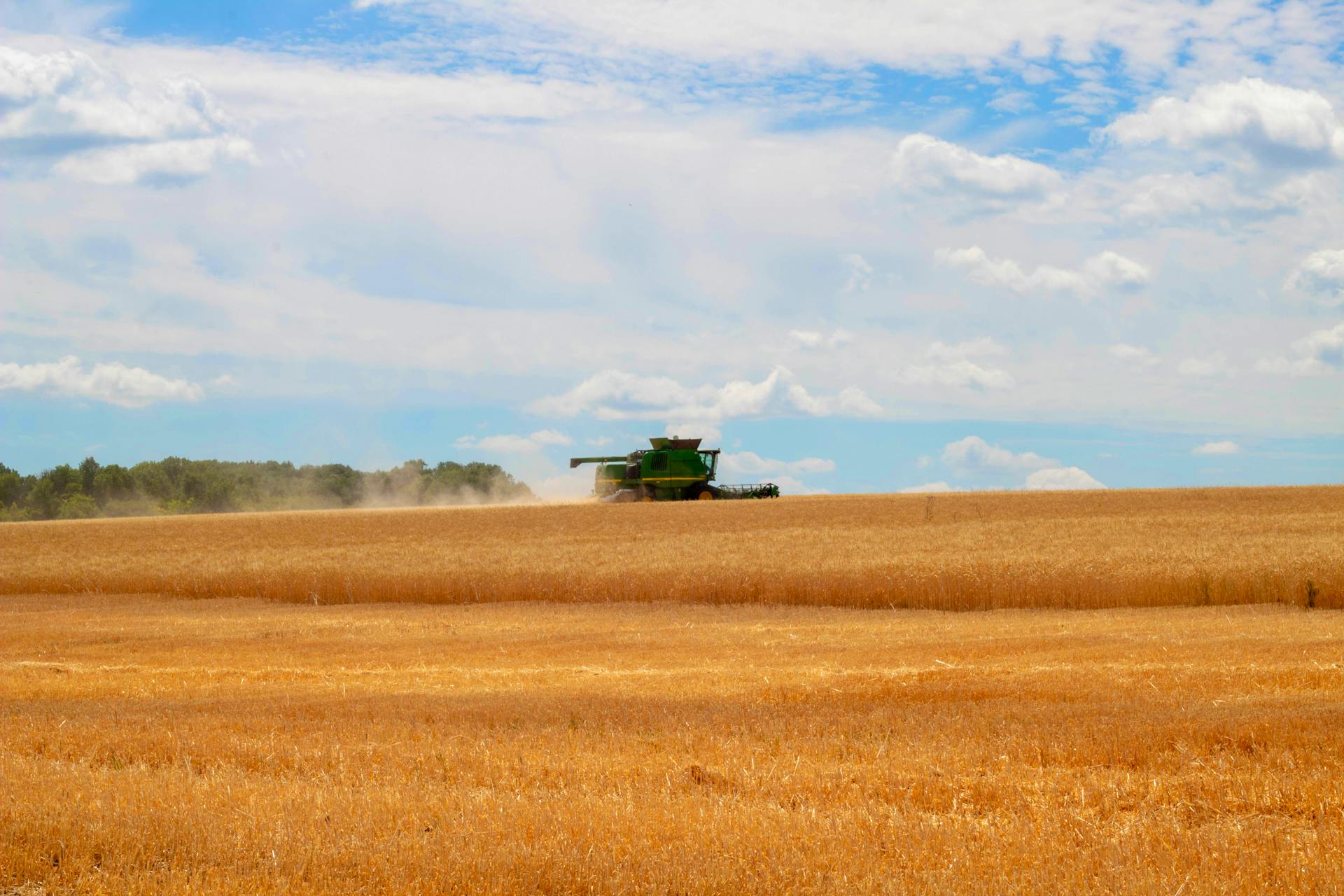
Sell Your Farm
Strategic marketing and valuation for maximum return.
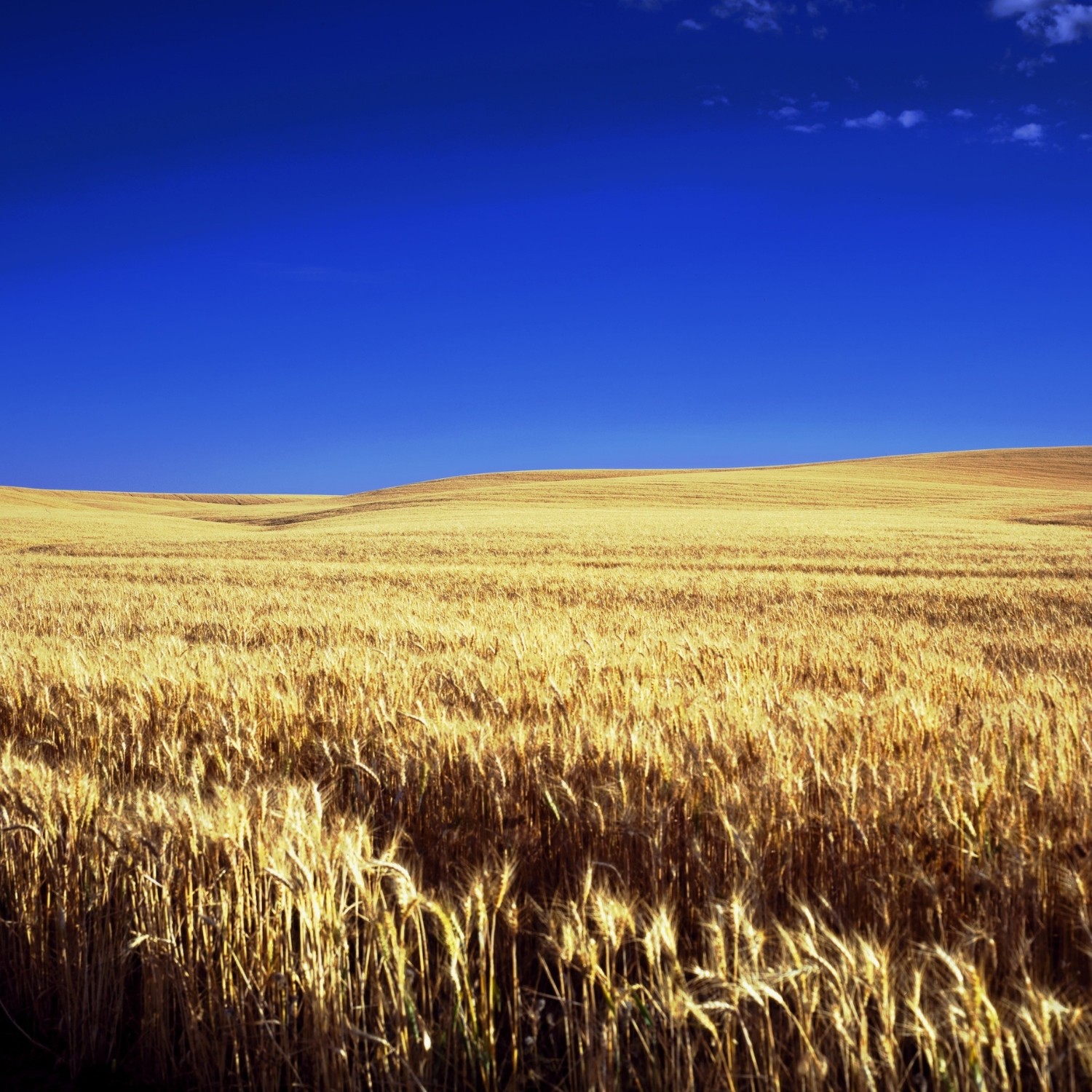
Land Valuation
Receive an accurate property valuation to inform your decisions.
Rural Realty Services
Comprehensive Farmland Services
Explore the Comprehensive Real Estate Solutions for Kansas farmers, landowners, families, and investors at Rural Realty
Buy a Farm
Expert guidance in finding the perfect agricultural property.
Sell Your Farm
Strategic marketing and valuation for maximum return.
Land Valuation
Receive an accurate property valuation to inform your decisions.
Rural Realty Services
Comprehensive Farmland Services
Explore the Comprehensive Real Estate Solutions for Kansas farmers, landowners, families, and investors at Rural Realty
Buy a Farm
Expert guidance in finding the perfect agricultural property.
Sell Your Farm
Strategic marketing and valuation for maximum return.
Land Valuation
Receive an accurate property valuation to inform your decisions.
Kansas Property Expertise
From farmland to family homes, Rural Realty brings generations of local expertise to every real estate transaction.
Kansas
Rural Homes
Rural Realty helps families find their perfect country property, specializing in homes with acreage across Kansas.

Kansas
Farmland
With over four generations of farming experience, Rural Realty brings unique insight to every agricultural land transaction.

Kansas
Ranchland
Rural Realty's deep understanding of ranch operations helps buyers and sellers make confident decisions about ranching properties.

Kansas
Hunting Properties
Rural Realty combines recreational value with agricultural opportunities to maximize returns on hunting property investments.

Kansas
Commercial Properties
From retail spaces to agricultural warehouses, Rural Realty guides clients through every commercial real estate transaction.

Kansas Property Expertise
From farmland to family homes, Rural Realty brings generations of local expertise to every real estate transaction.
Kansas
Rural Homes
Rural Realty helps families find their perfect country property, specializing in homes with acreage across Kansas.
Kansas
Farmland
With over four generations of farming experience, Rural Realty brings unique insight to every agricultural land transaction.
Kansas
Ranchland
Rural Realty's deep understanding of ranch operations helps buyers and sellers make confident decisions about ranching properties.
Kansas
Hunting Properties
Rural Realty combines recreational value with agricultural opportunities to maximize returns on hunting property investments.
Kansas
Commercial Properties
From retail spaces to agricultural warehouses, Rural Realty guides clients through every commercial real estate transaction.
Kansas Property Expertise
From farmland to family homes, Rural Realty brings generations of local expertise to every real estate transaction.
Kansas
Rural Homes
Rural Realty helps families find their perfect country property, specializing in homes with acreage across Kansas.
Kansas
Farmland
With over four generations of farming experience, Rural Realty brings unique insight to every agricultural land transaction.
Kansas
Ranchland
Rural Realty's deep understanding of ranch operations helps buyers and sellers make confident decisions about ranching properties.
Kansas
Hunting Properties
Rural Realty combines recreational value with agricultural opportunities to maximize returns on hunting property investments.
Kansas
Commercial Properties
From retail spaces to agricultural warehouses, Rural Realty guides clients through every commercial real estate transaction.
Ready to Buy or Sell Your Farm in Kansas?
Contact Rural Realty today for a personalized consultation about your farmland goals. Your agricultural future starts with the right land real estate agent.
Find an Agent in your Area
Contact Rural Realty
Find an Agent in your Area
Ready to Buy or Sell Your Farm in Kansas?
Contact Rural Realty today for a personalized consultation about your farmland goals. Your agricultural future starts with the right land real estate agent.
Find an Agent in your Area