Estate Transitions and Kansas Farmland: When to Involve a Real Estate Agent
Alec Horton
•
Rural Realty
•
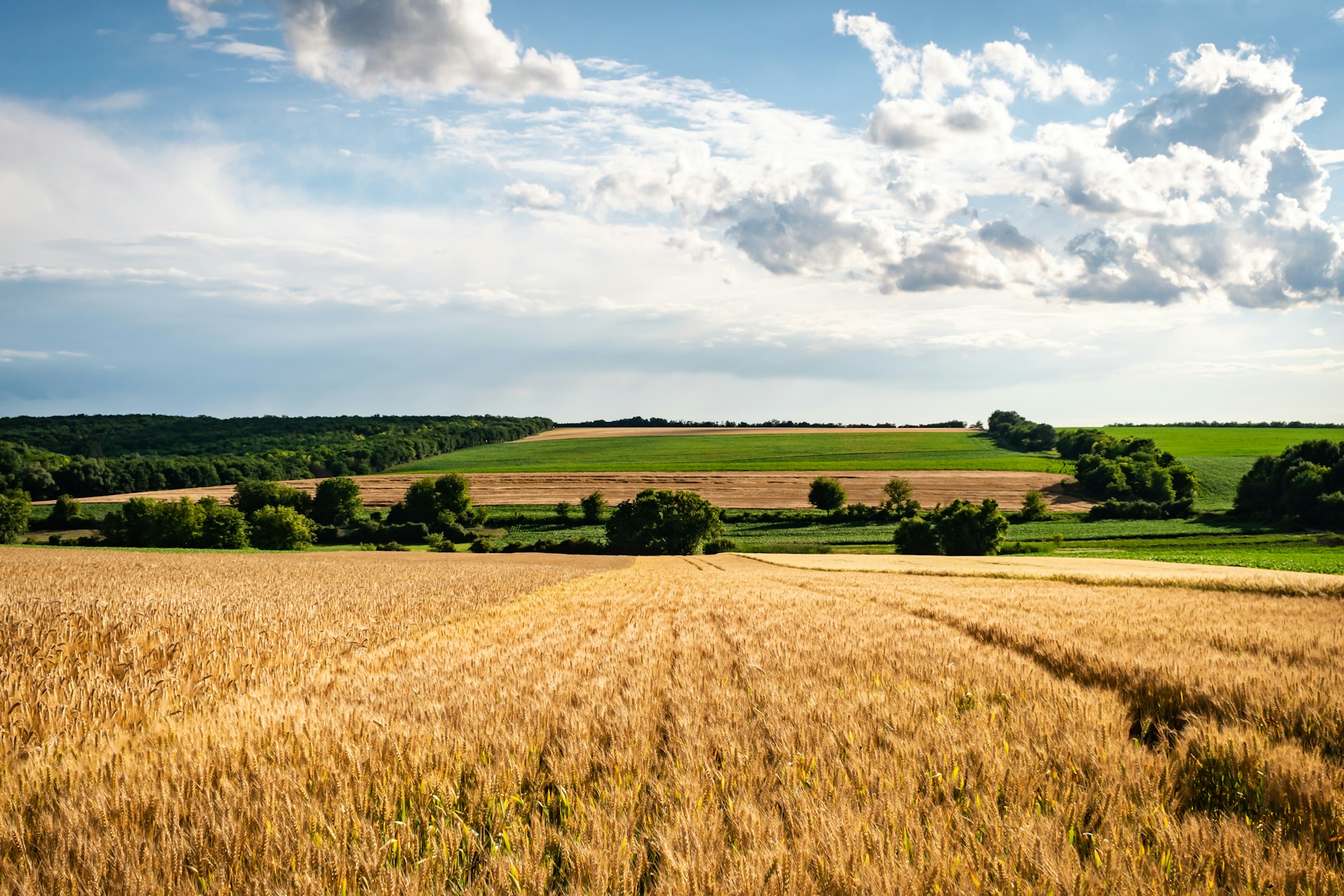
Passing the Farm Forward Without Losing Its Value
Passing farmland from one generation to the next is not just a legal step. It is emotional, personal, and often comes at a hard time for the family. The ground holds memories, not just crops or grazing rights, so every choice can feel heavy.
Spring across Kansas often brings these questions to the front. As fields green up and tractors roll, families look at the farm and ask what comes next. Who will own it, who will work it, and how do you keep it from losing value, both in dollars and in meaning?
That is where timing matters. Knowing when to involve a Kansas farmland real estate agent can help protect the legacy your family built, lower stress for heirs, and keep the numbers honest and clear. We will walk through how estate transitions affect Kansas farmland, and the signs that it is time to call in a land professional who truly understands rural property.
How Estate Settlements Shape Farmland Decisions
When an estate includes farmland, ranchland, or hunting ground, things often get complicated fast. Common situations include:
Heirs who inherit land but do not farm
Siblings who own the ground together but have different plans
Land passing to non-farming family members such as grandkids or in-laws
On top of that, the estate may be working through probate rules. There can be:
Deadlines for settling the estate
Tax questions tied to the value of the land
Possible claims from creditors or other parties
All of this can put pressure on the family to sell quickly, or to change how the land is held. When decisions are rushed or based on guesswork, long-term value is often lost.
A better path is early teamwork. When the executor, attorney, tax professional, and a Kansas farmland real estate agent talk before any big move is made, the plan can line up across:
Legal requirements
Tax impact
Real-world land values and current demand
That way, the family is not surprised later and everyone is working from the same set of facts.
When It’s Time to Call a Kansas Farmland Real Estate Agent
Many families wait too long to bring in a land agent. By then, offers may already be on the table or hard feelings may be growing. Some clear signs it is time to involve a Kansas farmland real estate agent include:
Most or all heirs live out of state
There is argument over whether to sell or lease
No one is sure what the land is actually worth
Neighbors, investors, or hunters are calling with offers
In these moments, a local farmland agent provides more than a sign in the yard. A good agent can:
Pull recent comparable sales for similar farms or ranches
Explain what buyers in that county and region are looking for
Show realistic price ranges for farmland, grazing land, and recreational tracts
There are also red flags families should avoid:
Saying yes to the first unsolicited offer without a second opinion
Using only county tax values to set a price
Letting a single sibling or heir handle all negotiations without professional backup
Once the land is gone, you cannot go back and redo the deal. Getting expert eyes on the property before you make a commitment can prevent long-lasting regret.
Valuing Kansas Farmland During Estate Transitions
During an estate transition, value is more than a rough guess. Attorneys and tax professionals often need a defensible number in writing. That means understanding what drives value on Kansas farms and ranches, such as:
Soil type and quality
Water sources and irrigation, if any
Current leases and rental history
Crop rotation and yield history where available
Hunting and recreational appeal
Mineral rights and whether they are included
Improvements like fencing, corrals, barns, or grain storage
There are different ways to get at value:
A formal appraisal
A broker price opinion from a qualified land agent
An informal estimate that may be fine for early planning but not for legal work
For estates, it usually pays to get a value that can stand up to questions from courts, tax authorities, and all heirs. That is where local experience matters. A boots-on-the-ground Kansas land agent who grew up around farms and ranches often sees value that generic appraisers or online tools miss, especially with mixed-use tracts that combine tillable acres, pasture, and hunting draws like timber or creek bottoms.
Selling, Leasing, or Holding: Choosing the Right Path
Once you understand the land’s value and the estate’s needs, the next decision is what to actually do with the property. The main options are:
Sell the land outright
Lease it to a local operator
Set up a cash-rent or crop-share income stream for the heirs
Keep the core farm but split off rural home sites or small acreages
The right choice depends on family goals. Some heirs want quick cash to settle bills. Others like the idea of steady income or keeping the land in the family even if they never farm it themselves.
A Kansas farmland real estate agent can help the family compare scenarios, such as:
Net income from selling compared to leasing over several years
How listing timing around planting or harvest may affect buyer interest
Whether to market the land mainly to neighboring farmers, outside investors, or recreational buyers
With clear side-by-side options, the family can choose a path that fits both heart and numbers.
Avoiding Family Conflict and Costly Missteps
Estate transitions are hard enough without added conflict. Farmland decisions often stir up old worries about fairness or who did more work on the farm. Common pressure points include:
Feeling rushed into a sale by one sibling or the executor
Disagreement over what a fair price looks like
Confusion over offers, counteroffers, and contract terms
Some simple habits can lower tension:
Agree ahead of time how decisions will be made and who has final say
Share written valuations and sale information with all heirs at the same time
Use a land agent as a neutral third party to present offers and explain trade-offs
Avoiding big mistakes is just as important. Families often lose value when they:
Sell off-market to the first person who asks, at a discount
Ignore hunting or future development potential that could draw higher offers
Wait too long to list, missing seasons when buyers are most active
Clear plans, good communication, and grounded market insight help protect both relationships and the land itself.
Next Steps to Protect Your Kansas Land Legacy
The best time to think about estate transitions is before there is a crisis. Families who review wills, titling, and succession plans early often have smoother outcomes. It helps when those professionals, including any Kansas farmland real estate agent involved, understand rural property and how farms and ranches actually operate.
A simple starting path looks like this:
Gather deeds, survey maps, and any current lease or hunting agreements
Talk with your attorney and tax professional about your goals
Ask a trusted land specialist for a no-pressure review of the property and local market
Walk the land together to point out improvements, problem spots, and hidden value
Here in Kansas, Rural Realty focuses on farmland, ranchland, rural homes, hunting properties, and commercial real estate in small towns. Our roots in local farming give us a practical view of both the land and the people who care about it. When estate transitions touch your family’s ground, careful planning and timely help can keep that legacy strong for the next generation.
Partner With Experts To Maximize Your Land’s Value
When you are ready to sell or explore options for your acreage, our team at Rural Realty is here to guide you through every step. Work directly with a dedicated Kansas farmland real estate agent who understands soil types, local buyers, and current land values. We will help you evaluate your property, set a smart price, and build a strategy tailored to your goals. To talk through your plans and next steps, contact us today.

Alec Horton- Licensed KS Broker
Weekly Newsletter Update!
Join the Newsletter to Receive Kansas Market Updates
Stay up-to-date with the latest land prices, properties for sale, and tips for managing and selling your farm!
Blog Articles

Unexpected Income Streams on Kansas Ranch Land for Sale
Alec Horton
Learn More

Evaluating Kansas Farmland Rental History Before You Buy
Alec Horton
Learn More

Kansas Ranch Listing Terms: Stocking Rate, AUMs, Carrying Capacity
Alec Horton
Learn More

Leasing vs. Selling Kansas Farmland: Choosing the Right Path
Alec Horton
Learn More

Reading Kansas Land Listings When You Want Hunting Income
Alec Horton
Learn More
Estate Transitions and Kansas Farmland: When to Involve a Real Estate Agent
Alec Horton
•
Rural Realty
Passing the Farm Forward Without Losing Its Value
Passing farmland from one generation to the next is not just a legal step. It is emotional, personal, and often comes at a hard time for the family. The ground holds memories, not just crops or grazing rights, so every choice can feel heavy.
Spring across Kansas often brings these questions to the front. As fields green up and tractors roll, families look at the farm and ask what comes next. Who will own it, who will work it, and how do you keep it from losing value, both in dollars and in meaning?
That is where timing matters. Knowing when to involve a Kansas farmland real estate agent can help protect the legacy your family built, lower stress for heirs, and keep the numbers honest and clear. We will walk through how estate transitions affect Kansas farmland, and the signs that it is time to call in a land professional who truly understands rural property.
How Estate Settlements Shape Farmland Decisions
When an estate includes farmland, ranchland, or hunting ground, things often get complicated fast. Common situations include:
Heirs who inherit land but do not farm
Siblings who own the ground together but have different plans
Land passing to non-farming family members such as grandkids or in-laws
On top of that, the estate may be working through probate rules. There can be:
Deadlines for settling the estate
Tax questions tied to the value of the land
Possible claims from creditors or other parties
All of this can put pressure on the family to sell quickly, or to change how the land is held. When decisions are rushed or based on guesswork, long-term value is often lost.
A better path is early teamwork. When the executor, attorney, tax professional, and a Kansas farmland real estate agent talk before any big move is made, the plan can line up across:
Legal requirements
Tax impact
Real-world land values and current demand
That way, the family is not surprised later and everyone is working from the same set of facts.
When It’s Time to Call a Kansas Farmland Real Estate Agent
Many families wait too long to bring in a land agent. By then, offers may already be on the table or hard feelings may be growing. Some clear signs it is time to involve a Kansas farmland real estate agent include:
Most or all heirs live out of state
There is argument over whether to sell or lease
No one is sure what the land is actually worth
Neighbors, investors, or hunters are calling with offers
In these moments, a local farmland agent provides more than a sign in the yard. A good agent can:
Pull recent comparable sales for similar farms or ranches
Explain what buyers in that county and region are looking for
Show realistic price ranges for farmland, grazing land, and recreational tracts
There are also red flags families should avoid:
Saying yes to the first unsolicited offer without a second opinion
Using only county tax values to set a price
Letting a single sibling or heir handle all negotiations without professional backup
Once the land is gone, you cannot go back and redo the deal. Getting expert eyes on the property before you make a commitment can prevent long-lasting regret.
Valuing Kansas Farmland During Estate Transitions
During an estate transition, value is more than a rough guess. Attorneys and tax professionals often need a defensible number in writing. That means understanding what drives value on Kansas farms and ranches, such as:
Soil type and quality
Water sources and irrigation, if any
Current leases and rental history
Crop rotation and yield history where available
Hunting and recreational appeal
Mineral rights and whether they are included
Improvements like fencing, corrals, barns, or grain storage
There are different ways to get at value:
A formal appraisal
A broker price opinion from a qualified land agent
An informal estimate that may be fine for early planning but not for legal work
For estates, it usually pays to get a value that can stand up to questions from courts, tax authorities, and all heirs. That is where local experience matters. A boots-on-the-ground Kansas land agent who grew up around farms and ranches often sees value that generic appraisers or online tools miss, especially with mixed-use tracts that combine tillable acres, pasture, and hunting draws like timber or creek bottoms.
Selling, Leasing, or Holding: Choosing the Right Path
Once you understand the land’s value and the estate’s needs, the next decision is what to actually do with the property. The main options are:
Sell the land outright
Lease it to a local operator
Set up a cash-rent or crop-share income stream for the heirs
Keep the core farm but split off rural home sites or small acreages
The right choice depends on family goals. Some heirs want quick cash to settle bills. Others like the idea of steady income or keeping the land in the family even if they never farm it themselves.
A Kansas farmland real estate agent can help the family compare scenarios, such as:
Net income from selling compared to leasing over several years
How listing timing around planting or harvest may affect buyer interest
Whether to market the land mainly to neighboring farmers, outside investors, or recreational buyers
With clear side-by-side options, the family can choose a path that fits both heart and numbers.
Avoiding Family Conflict and Costly Missteps
Estate transitions are hard enough without added conflict. Farmland decisions often stir up old worries about fairness or who did more work on the farm. Common pressure points include:
Feeling rushed into a sale by one sibling or the executor
Disagreement over what a fair price looks like
Confusion over offers, counteroffers, and contract terms
Some simple habits can lower tension:
Agree ahead of time how decisions will be made and who has final say
Share written valuations and sale information with all heirs at the same time
Use a land agent as a neutral third party to present offers and explain trade-offs
Avoiding big mistakes is just as important. Families often lose value when they:
Sell off-market to the first person who asks, at a discount
Ignore hunting or future development potential that could draw higher offers
Wait too long to list, missing seasons when buyers are most active
Clear plans, good communication, and grounded market insight help protect both relationships and the land itself.
Next Steps to Protect Your Kansas Land Legacy
The best time to think about estate transitions is before there is a crisis. Families who review wills, titling, and succession plans early often have smoother outcomes. It helps when those professionals, including any Kansas farmland real estate agent involved, understand rural property and how farms and ranches actually operate.
A simple starting path looks like this:
Gather deeds, survey maps, and any current lease or hunting agreements
Talk with your attorney and tax professional about your goals
Ask a trusted land specialist for a no-pressure review of the property and local market
Walk the land together to point out improvements, problem spots, and hidden value
Here in Kansas, Rural Realty focuses on farmland, ranchland, rural homes, hunting properties, and commercial real estate in small towns. Our roots in local farming give us a practical view of both the land and the people who care about it. When estate transitions touch your family’s ground, careful planning and timely help can keep that legacy strong for the next generation.
Partner With Experts To Maximize Your Land’s Value
When you are ready to sell or explore options for your acreage, our team at Rural Realty is here to guide you through every step. Work directly with a dedicated Kansas farmland real estate agent who understands soil types, local buyers, and current land values. We will help you evaluate your property, set a smart price, and build a strategy tailored to your goals. To talk through your plans and next steps, contact us today.
Estate Transitions and Kansas Farmland: When to Involve a Real Estate Agent
Alec Horton
•
Rural Realty
•
Passing the Farm Forward Without Losing Its Value
Passing farmland from one generation to the next is not just a legal step. It is emotional, personal, and often comes at a hard time for the family. The ground holds memories, not just crops or grazing rights, so every choice can feel heavy.
Spring across Kansas often brings these questions to the front. As fields green up and tractors roll, families look at the farm and ask what comes next. Who will own it, who will work it, and how do you keep it from losing value, both in dollars and in meaning?
That is where timing matters. Knowing when to involve a Kansas farmland real estate agent can help protect the legacy your family built, lower stress for heirs, and keep the numbers honest and clear. We will walk through how estate transitions affect Kansas farmland, and the signs that it is time to call in a land professional who truly understands rural property.
How Estate Settlements Shape Farmland Decisions
When an estate includes farmland, ranchland, or hunting ground, things often get complicated fast. Common situations include:
Heirs who inherit land but do not farm
Siblings who own the ground together but have different plans
Land passing to non-farming family members such as grandkids or in-laws
On top of that, the estate may be working through probate rules. There can be:
Deadlines for settling the estate
Tax questions tied to the value of the land
Possible claims from creditors or other parties
All of this can put pressure on the family to sell quickly, or to change how the land is held. When decisions are rushed or based on guesswork, long-term value is often lost.
A better path is early teamwork. When the executor, attorney, tax professional, and a Kansas farmland real estate agent talk before any big move is made, the plan can line up across:
Legal requirements
Tax impact
Real-world land values and current demand
That way, the family is not surprised later and everyone is working from the same set of facts.
When It’s Time to Call a Kansas Farmland Real Estate Agent
Many families wait too long to bring in a land agent. By then, offers may already be on the table or hard feelings may be growing. Some clear signs it is time to involve a Kansas farmland real estate agent include:
Most or all heirs live out of state
There is argument over whether to sell or lease
No one is sure what the land is actually worth
Neighbors, investors, or hunters are calling with offers
In these moments, a local farmland agent provides more than a sign in the yard. A good agent can:
Pull recent comparable sales for similar farms or ranches
Explain what buyers in that county and region are looking for
Show realistic price ranges for farmland, grazing land, and recreational tracts
There are also red flags families should avoid:
Saying yes to the first unsolicited offer without a second opinion
Using only county tax values to set a price
Letting a single sibling or heir handle all negotiations without professional backup
Once the land is gone, you cannot go back and redo the deal. Getting expert eyes on the property before you make a commitment can prevent long-lasting regret.
Valuing Kansas Farmland During Estate Transitions
During an estate transition, value is more than a rough guess. Attorneys and tax professionals often need a defensible number in writing. That means understanding what drives value on Kansas farms and ranches, such as:
Soil type and quality
Water sources and irrigation, if any
Current leases and rental history
Crop rotation and yield history where available
Hunting and recreational appeal
Mineral rights and whether they are included
Improvements like fencing, corrals, barns, or grain storage
There are different ways to get at value:
A formal appraisal
A broker price opinion from a qualified land agent
An informal estimate that may be fine for early planning but not for legal work
For estates, it usually pays to get a value that can stand up to questions from courts, tax authorities, and all heirs. That is where local experience matters. A boots-on-the-ground Kansas land agent who grew up around farms and ranches often sees value that generic appraisers or online tools miss, especially with mixed-use tracts that combine tillable acres, pasture, and hunting draws like timber or creek bottoms.
Selling, Leasing, or Holding: Choosing the Right Path
Once you understand the land’s value and the estate’s needs, the next decision is what to actually do with the property. The main options are:
Sell the land outright
Lease it to a local operator
Set up a cash-rent or crop-share income stream for the heirs
Keep the core farm but split off rural home sites or small acreages
The right choice depends on family goals. Some heirs want quick cash to settle bills. Others like the idea of steady income or keeping the land in the family even if they never farm it themselves.
A Kansas farmland real estate agent can help the family compare scenarios, such as:
Net income from selling compared to leasing over several years
How listing timing around planting or harvest may affect buyer interest
Whether to market the land mainly to neighboring farmers, outside investors, or recreational buyers
With clear side-by-side options, the family can choose a path that fits both heart and numbers.
Avoiding Family Conflict and Costly Missteps
Estate transitions are hard enough without added conflict. Farmland decisions often stir up old worries about fairness or who did more work on the farm. Common pressure points include:
Feeling rushed into a sale by one sibling or the executor
Disagreement over what a fair price looks like
Confusion over offers, counteroffers, and contract terms
Some simple habits can lower tension:
Agree ahead of time how decisions will be made and who has final say
Share written valuations and sale information with all heirs at the same time
Use a land agent as a neutral third party to present offers and explain trade-offs
Avoiding big mistakes is just as important. Families often lose value when they:
Sell off-market to the first person who asks, at a discount
Ignore hunting or future development potential that could draw higher offers
Wait too long to list, missing seasons when buyers are most active
Clear plans, good communication, and grounded market insight help protect both relationships and the land itself.
Next Steps to Protect Your Kansas Land Legacy
The best time to think about estate transitions is before there is a crisis. Families who review wills, titling, and succession plans early often have smoother outcomes. It helps when those professionals, including any Kansas farmland real estate agent involved, understand rural property and how farms and ranches actually operate.
A simple starting path looks like this:
Gather deeds, survey maps, and any current lease or hunting agreements
Talk with your attorney and tax professional about your goals
Ask a trusted land specialist for a no-pressure review of the property and local market
Walk the land together to point out improvements, problem spots, and hidden value
Here in Kansas, Rural Realty focuses on farmland, ranchland, rural homes, hunting properties, and commercial real estate in small towns. Our roots in local farming give us a practical view of both the land and the people who care about it. When estate transitions touch your family’s ground, careful planning and timely help can keep that legacy strong for the next generation.
Partner With Experts To Maximize Your Land’s Value
When you are ready to sell or explore options for your acreage, our team at Rural Realty is here to guide you through every step. Work directly with a dedicated Kansas farmland real estate agent who understands soil types, local buyers, and current land values. We will help you evaluate your property, set a smart price, and build a strategy tailored to your goals. To talk through your plans and next steps, contact us today.
Meet the Founder of Rural Realty
Alec Horton
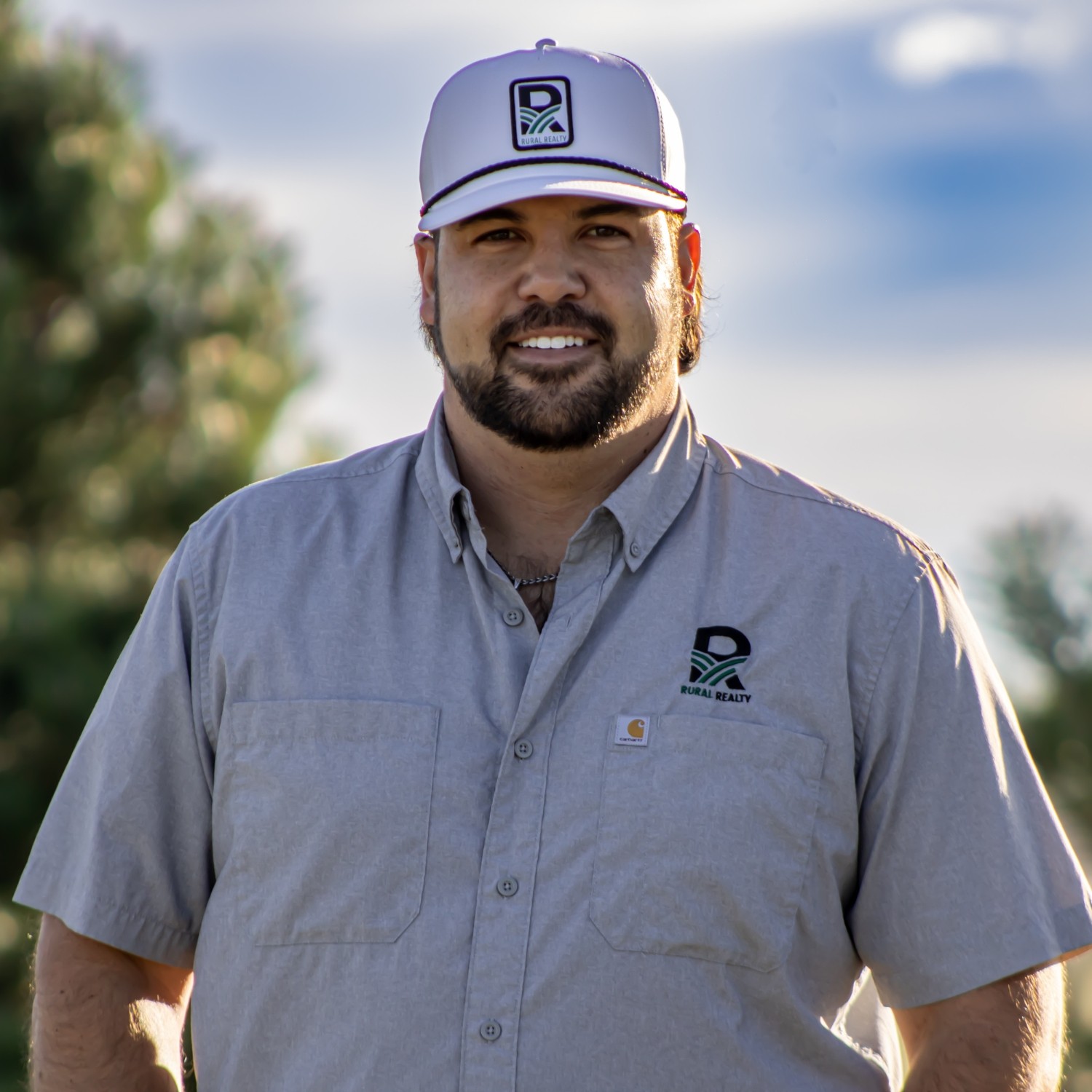
Alec Horton founded Rural Realty in 2025 to help Western Kansas landowners navigate the complexities of buying and selling rural properties with confidence. Born and raised in Leoti, Alec comes from four generations of farmers, giving him a deep understanding of the land and the people who work it. After 16 years of buying and selling agricultural land for his own family’s farm, he saw firsthand the challenges landowners face—uncertain pricing, complex transactions, and a lack of dedicated rural real estate expertise. Determined to bridge that gap, he launched Rural Realty to provide honest, knowledgeable, and personalized service to farmers, ranchers, and investors. As a licensed land broker, Alec and his team brings local insight, industry expertise, and a passion for helping clients achieve their landownership goals.
Meet the Founder of Rural Realty
Alec Horton
Alec Horton founded Rural Realty in 2025 to give landowners across Western Kansas a trusted partner in buying and selling rural properties. A fourth-generation farmer from Leoti with 16 years of experience in agricultural land deals, Alec saw the need for a brokerage that truly understands the land and the people who work it. With a deep knowledge of local markets and a commitment to honest, personalized service, Rural Realty helps farmers, ranchers, and investors navigate complex transactions with confidence.
Meet the Founder of Rural Realty
Alec Horton
Alec Horton founded Rural Realty in 2025 to help Western Kansas landowners navigate the complexities of buying and selling rural properties with confidence. Born and raised in Leoti, Alec comes from four generations of farmers, giving him a deep understanding of the land and the people who work it. After 16 years of buying and selling agricultural land for his own family’s farm, he saw firsthand the challenges landowners face—uncertain pricing, complex transactions, and a lack of dedicated rural real estate expertise. Determined to bridge that gap, he launched Rural Realty to provide honest, knowledgeable, and personalized service to farmers, ranchers, and investors. As a licensed land broker, Alec and his team brings local insight, industry expertise, and a passion for helping clients achieve their landownership goals.
Farm Experience You Can Trust
Local Knowledge. Proven Results.
46+
2023-2025 Farm Transactions
18+
Years of Farmland Experience
700+
Network of Kansas Farmers
Farm Experience You Can Trust
Local Knowledge. Proven Results.
46+
2023-2025 Farm Transactions
18+
Years of Farmland Experience
700+
Network of Kansas Farmers
Farm Experience You Can Trust
Local Knowledge. Proven Results.
46+
2023-2025 Farm Transactions
18+
Years of Farmland Experience
700+
Network of Kansas Farmers
Rural Realty Services
Comprehensive Farmland Services
Explore the Comprehensive Real Estate Solutions for Kansas farmers, landowners, families, and investors at Rural Realty
Buy a Farm
Expert guidance in finding the perfect agricultural property.
Sell Your Farm
Strategic marketing and valuation for maximum return.
Land Valuation
Receive an accurate property valuation to inform your decisions.
Rural Realty Services
Comprehensive Farmland Services
Explore the Comprehensive Real Estate Solutions for Kansas farmers, landowners, families, and investors at Rural Realty
Buy a Farm
Expert guidance in finding the perfect agricultural property.
Sell Your Farm
Strategic marketing and valuation for maximum return.
Land Valuation
Receive an accurate property valuation to inform your decisions.
Rural Realty Services
Comprehensive Farmland Services
Explore the Comprehensive Real Estate Solutions for Kansas farmers, landowners, families, and investors at Rural Realty
Buy a Farm
Expert guidance in finding the perfect agricultural property.
Sell Your Farm
Strategic marketing and valuation for maximum return.
Land Valuation
Receive an accurate property valuation to inform your decisions.
Kansas Property Expertise
From farmland to family homes, Rural Realty brings generations of local expertise to every real estate transaction.
Kansas
Rural Homes
Rural Realty helps families find their perfect country property, specializing in homes with acreage across Kansas.

Kansas
Farmland
With over four generations of farming experience, Rural Realty brings unique insight to every agricultural land transaction.

Kansas
Ranchland
Rural Realty's deep understanding of ranch operations helps buyers and sellers make confident decisions about ranching properties.

Kansas
Hunting Properties
Rural Realty combines recreational value with agricultural opportunities to maximize returns on hunting property investments.

Kansas
Commercial Properties
From retail spaces to agricultural warehouses, Rural Realty guides clients through every commercial real estate transaction.

Kansas Property Expertise
From farmland to family homes, Rural Realty brings generations of local expertise to every real estate transaction.
Kansas
Rural Homes
Rural Realty helps families find their perfect country property, specializing in homes with acreage across Kansas.
Kansas
Farmland
With over four generations of farming experience, Rural Realty brings unique insight to every agricultural land transaction.
Kansas
Ranchland
Rural Realty's deep understanding of ranch operations helps buyers and sellers make confident decisions about ranching properties.
Kansas
Hunting Properties
Rural Realty combines recreational value with agricultural opportunities to maximize returns on hunting property investments.
Kansas
Commercial Properties
From retail spaces to agricultural warehouses, Rural Realty guides clients through every commercial real estate transaction.
Kansas Property Expertise
From farmland to family homes, Rural Realty brings generations of local expertise to every real estate transaction.
Kansas
Rural Homes
Rural Realty helps families find their perfect country property, specializing in homes with acreage across Kansas.
Kansas
Farmland
With over four generations of farming experience, Rural Realty brings unique insight to every agricultural land transaction.
Kansas
Ranchland
Rural Realty's deep understanding of ranch operations helps buyers and sellers make confident decisions about ranching properties.
Kansas
Hunting Properties
Rural Realty combines recreational value with agricultural opportunities to maximize returns on hunting property investments.
Kansas
Commercial Properties
From retail spaces to agricultural warehouses, Rural Realty guides clients through every commercial real estate transaction.
Ready to Buy or Sell Your Farm in Kansas?
Contact Rural Realty today for a personalized consultation about your farmland goals. Your agricultural future starts with the right land real estate agent.
Find an Agent in your Area
Contact Rural Realty
Find an Agent in your Area
Ready to Buy or Sell Your Farm in Kansas?
Contact Rural Realty today for a personalized consultation about your farmland goals. Your agricultural future starts with the right land real estate agent.
Find an Agent in your Area