Evaluating Kansas Farmland Rental History Before You Buy
Alec Horton
•
Rural Realty
•

Look Beyond the Soil: Why Rental History Matters
Buying farmland for sale in Kansas is about more than good dirt and pretty aerial photos. If the numbers behind the rent do not work, the farm can look great on paper but disappoint you after closing. That is what happens when buyers focus only on soil maps and sale price and skip the lease history.
Rental history is like a report card for the farm. It shows how the land has actually earned income over time and how local farmers value it. When harvest wraps up and leases are talked about for the next crop year, that history becomes even more important.
In this article, we will walk through how to read past lease terms, what tenant history tells you, and how to use all that to write a stronger offer when a property catches your eye. As a Kansas-based land brokerage, we see how rental details can make or break a deal.
Key Rental Figures Every Kansas Buyer Should Review
The first step is to learn what the farm has been renting for and how that compares to other ground in the area.
Start with annual rent per acre. Cash rent per acre is the fastest way to compare one property to other farmland for sale in Kansas. It tells you how much gross income the land has generated for the owner, before expenses.
Some key points to look at:
Average rent per acre for each of the past three to five years
Any big jumps or drops from one year to the next
How that rent stacks up against nearby farms with similar soils and access
A stable rent trend may point to consistent yields and steady tenant demand. Rising rents can hint at strong competition for the ground or better management over time. Falling rents might mean lower production, water challenges, access issues, or a tenant who could not keep up.
You also want to see how recent rents line up with current crop conditions and local reports that come out around late summer and fall. Those sources help you decide if asking rents and sale prices feel realistic.
Next, review the lease structure and payment timing. Common Kansas setups include:
Cash rent, a set payment per acre (low risk for the owner; more risk for the tenant)
Crop share, landlord gets a share of the crop, income swings with yields and prices
Flexible leases, a base payment with bonuses or adjustments based on yields or price levels
Each type affects your risk and cash flow in a different way. Payment schedules matter too. Some leases pay in the spring before planting, some in the fall after harvest, some split payments between seasons. That timing will shape your first year as an owner and how you plan for loan payments and taxes.
Watch for red flags in the history:
Rent often paid late
Lease terms changed every year with no clear reason
One-time high rents that will not hold with a new owner
Those details hint at problems you will want to understand before you sign a purchase contract.
How Tenant History Reveals Land Performance
Rent numbers tell part of the story, but tenant history fills in the gaps. Who has been farming or grazing the ground, and for how long?
Long-term tenants often point to:
Reliable yields
Workable soils and decent drainage
Good access for equipment and grain hauling
If tenants seem to change every year or two, ask why. Were there disagreements over payments, crop practices, or repairs? Did operators leave for better ground? We suggest asking how many tenants have leased the land in the last ten years and what the reasons were when someone moved on.
The time around and right after harvest is a natural season to ask who plans to farm the ground next year. Many Kansas leases are reviewed after the crop is in, so that is when plans and changes are on people’s minds.
Operator quality matters as much as the soil. A strong tenant can help protect and build long-term value through:
Conservation tillage or no-till
Use of cover crops where they fit
Thoughtful grazing plans that avoid beating up pastures
When you walk the farm, look for signs of good care: clean fence lines, maintained terraces, shaped and seeded waterways, and reasonable residue on the surface after harvest. These small clues say a lot about how the land has been handled.
At Rural Realty, our background in Kansas farming helps us connect what you see on the ground with what is written in the lease. A clean lease on paper does not mean much if the fields show ruts, erosion, or poor weed control.
Reading Past Leases to Spot Hidden Risks
Once you know the rent numbers and tenant history, it is time to read the actual leases. The fine print can affect your first few years of ownership more than you might expect.
Pay close attention to terms that shape control:
Lease end dates and how they line up with your planned closing
Renewal or rollover options, and who has the right to trigger them
Notice deadlines if you want to end or change the lease
What happens if the property sells during the lease term
In Kansas, many leases follow a yearly cycle tied to planting and harvest. If you buy in the middle of that cycle, the existing lease may stay in place even after you own the farm. That can delay when you can adjust rent, pick a new operator, or change crops.
You want your closing date to fit the lease schedule so you are not stuck between a purchase agreement and a tenant with different plans. A clear timeline avoids hurt feelings and legal headaches.
Next, look at who has paid for what. Under different lease types, costs can be shared in very different ways. Check past leases and receipts, if available, to see:
Who handled fertilizer, seed, and crop chemicals
Who paid for irrigation energy, repairs, or upgrades
Who fixed fences, managed brush, and handled pasture water
Who insured the crops and who insured the buildings and liability
The goal is to see the true net income from rent, not just the top-line number. A property with a lower cash rent but fewer owner expenses can be stronger than one with higher rent and lots of cost sharing.
Also watch for special provisions about hunting rights, pasture leases, or small commercial uses on the land. Those can bring extra income, but they can also limit how and when you or your tenant can operate.
Using Rental History to Sharpen Your Offer
Once you understand the rent history, you can connect income to the asking price. This is where the numbers help shape a fair offer on farmland for sale in Kansas.
Some simple ways to think about it:
Compare the current and recent rents to what similar farms earn nearby
Look at how many years the rent has held at that level
Estimate a basic return by comparing annual rent to the purchase price
Steady, above-average rents with a strong tenant can support a stronger offer, especially if you want the income to continue. On the other hand, weak, late, or shrinking rent can be a reason to offer less or ask for changes before you close.
You also want to decide if the current rent level is realistic going forward. Sometimes rent spikes because a tenant tried to expand quickly or chased a short-term opportunity. If that operator leaves, the next tenant may not pay the same.
Rental history can also give you power during negotiation. Buyers can:
Request that the existing lease be assigned to them under agreed terms
Ask for rent adjustments as part of the purchase deal
Negotiate early termination or non-renewal options that line up with their plans
Clear, written history helps you explain your position to both the seller and your lender. A Kansas-focused brokerage that works with land every day can compare the property to other recent leases and sales in the area and help you see where it really fits.
Turn Past Rent Numbers Into a Confident Kansas Purchase
The big takeaway is simple: rental history is not just paperwork. It is a practical tool to judge income potential, understand risk, and compare one farm to another, especially when more farmland for sale in Kansas hits the market at the same time.
We encourage buyers to gather at least three years of lease records, talk with current tenants when that is possible, and walk the property after harvest to see if the field conditions match the numbers. For owners thinking about selling, clean, organized rent history can make your property easier for buyers and lenders to trust.
At Rural Realty, we combine multi-generation farm experience with local market knowledge across rural Kansas to help buyers and sellers read between the lines of rental history and land values so they can move forward with more confidence.
Find Your Ideal Kansas Farmland With Local Experts
If you are ready to explore farmland for sale in Kansas, our team at Rural Realty is here to guide you through every step. We combine local market insight with practical experience to help you find ground that fits your goals, whether you are focused on production, investment, or both. Reach out today so we can discuss your plans and start narrowing down the best opportunities for you.

Alec Horton- Licensed KS Broker
Weekly Newsletter Update!
Join the Newsletter to Receive Kansas Market Updates
Stay up-to-date with the latest land prices, properties for sale, and tips for managing and selling your farm!
Blog Articles

Unexpected Income Streams on Kansas Ranch Land for Sale
Alec Horton
Learn More

Kansas Ranch Listing Terms: Stocking Rate, AUMs, Carrying Capacity
Alec Horton
Learn More

Leasing vs. Selling Kansas Farmland: Choosing the Right Path
Alec Horton
Learn More

Reading Kansas Land Listings When You Want Hunting Income
Alec Horton
Learn More

Weather Shifts That Quietly Change Kansas Farmland Value
Alec Horton
Learn More
Evaluating Kansas Farmland Rental History Before You Buy
Alec Horton
•
Rural Realty
Look Beyond the Soil: Why Rental History Matters
Buying farmland for sale in Kansas is about more than good dirt and pretty aerial photos. If the numbers behind the rent do not work, the farm can look great on paper but disappoint you after closing. That is what happens when buyers focus only on soil maps and sale price and skip the lease history.
Rental history is like a report card for the farm. It shows how the land has actually earned income over time and how local farmers value it. When harvest wraps up and leases are talked about for the next crop year, that history becomes even more important.
In this article, we will walk through how to read past lease terms, what tenant history tells you, and how to use all that to write a stronger offer when a property catches your eye. As a Kansas-based land brokerage, we see how rental details can make or break a deal.
Key Rental Figures Every Kansas Buyer Should Review
The first step is to learn what the farm has been renting for and how that compares to other ground in the area.
Start with annual rent per acre. Cash rent per acre is the fastest way to compare one property to other farmland for sale in Kansas. It tells you how much gross income the land has generated for the owner, before expenses.
Some key points to look at:
Average rent per acre for each of the past three to five years
Any big jumps or drops from one year to the next
How that rent stacks up against nearby farms with similar soils and access
A stable rent trend may point to consistent yields and steady tenant demand. Rising rents can hint at strong competition for the ground or better management over time. Falling rents might mean lower production, water challenges, access issues, or a tenant who could not keep up.
You also want to see how recent rents line up with current crop conditions and local reports that come out around late summer and fall. Those sources help you decide if asking rents and sale prices feel realistic.
Next, review the lease structure and payment timing. Common Kansas setups include:
Cash rent, a set payment per acre (low risk for the owner; more risk for the tenant)
Crop share, landlord gets a share of the crop, income swings with yields and prices
Flexible leases, a base payment with bonuses or adjustments based on yields or price levels
Each type affects your risk and cash flow in a different way. Payment schedules matter too. Some leases pay in the spring before planting, some in the fall after harvest, some split payments between seasons. That timing will shape your first year as an owner and how you plan for loan payments and taxes.
Watch for red flags in the history:
Rent often paid late
Lease terms changed every year with no clear reason
One-time high rents that will not hold with a new owner
Those details hint at problems you will want to understand before you sign a purchase contract.
How Tenant History Reveals Land Performance
Rent numbers tell part of the story, but tenant history fills in the gaps. Who has been farming or grazing the ground, and for how long?
Long-term tenants often point to:
Reliable yields
Workable soils and decent drainage
Good access for equipment and grain hauling
If tenants seem to change every year or two, ask why. Were there disagreements over payments, crop practices, or repairs? Did operators leave for better ground? We suggest asking how many tenants have leased the land in the last ten years and what the reasons were when someone moved on.
The time around and right after harvest is a natural season to ask who plans to farm the ground next year. Many Kansas leases are reviewed after the crop is in, so that is when plans and changes are on people’s minds.
Operator quality matters as much as the soil. A strong tenant can help protect and build long-term value through:
Conservation tillage or no-till
Use of cover crops where they fit
Thoughtful grazing plans that avoid beating up pastures
When you walk the farm, look for signs of good care: clean fence lines, maintained terraces, shaped and seeded waterways, and reasonable residue on the surface after harvest. These small clues say a lot about how the land has been handled.
At Rural Realty, our background in Kansas farming helps us connect what you see on the ground with what is written in the lease. A clean lease on paper does not mean much if the fields show ruts, erosion, or poor weed control.
Reading Past Leases to Spot Hidden Risks
Once you know the rent numbers and tenant history, it is time to read the actual leases. The fine print can affect your first few years of ownership more than you might expect.
Pay close attention to terms that shape control:
Lease end dates and how they line up with your planned closing
Renewal or rollover options, and who has the right to trigger them
Notice deadlines if you want to end or change the lease
What happens if the property sells during the lease term
In Kansas, many leases follow a yearly cycle tied to planting and harvest. If you buy in the middle of that cycle, the existing lease may stay in place even after you own the farm. That can delay when you can adjust rent, pick a new operator, or change crops.
You want your closing date to fit the lease schedule so you are not stuck between a purchase agreement and a tenant with different plans. A clear timeline avoids hurt feelings and legal headaches.
Next, look at who has paid for what. Under different lease types, costs can be shared in very different ways. Check past leases and receipts, if available, to see:
Who handled fertilizer, seed, and crop chemicals
Who paid for irrigation energy, repairs, or upgrades
Who fixed fences, managed brush, and handled pasture water
Who insured the crops and who insured the buildings and liability
The goal is to see the true net income from rent, not just the top-line number. A property with a lower cash rent but fewer owner expenses can be stronger than one with higher rent and lots of cost sharing.
Also watch for special provisions about hunting rights, pasture leases, or small commercial uses on the land. Those can bring extra income, but they can also limit how and when you or your tenant can operate.
Using Rental History to Sharpen Your Offer
Once you understand the rent history, you can connect income to the asking price. This is where the numbers help shape a fair offer on farmland for sale in Kansas.
Some simple ways to think about it:
Compare the current and recent rents to what similar farms earn nearby
Look at how many years the rent has held at that level
Estimate a basic return by comparing annual rent to the purchase price
Steady, above-average rents with a strong tenant can support a stronger offer, especially if you want the income to continue. On the other hand, weak, late, or shrinking rent can be a reason to offer less or ask for changes before you close.
You also want to decide if the current rent level is realistic going forward. Sometimes rent spikes because a tenant tried to expand quickly or chased a short-term opportunity. If that operator leaves, the next tenant may not pay the same.
Rental history can also give you power during negotiation. Buyers can:
Request that the existing lease be assigned to them under agreed terms
Ask for rent adjustments as part of the purchase deal
Negotiate early termination or non-renewal options that line up with their plans
Clear, written history helps you explain your position to both the seller and your lender. A Kansas-focused brokerage that works with land every day can compare the property to other recent leases and sales in the area and help you see where it really fits.
Turn Past Rent Numbers Into a Confident Kansas Purchase
The big takeaway is simple: rental history is not just paperwork. It is a practical tool to judge income potential, understand risk, and compare one farm to another, especially when more farmland for sale in Kansas hits the market at the same time.
We encourage buyers to gather at least three years of lease records, talk with current tenants when that is possible, and walk the property after harvest to see if the field conditions match the numbers. For owners thinking about selling, clean, organized rent history can make your property easier for buyers and lenders to trust.
At Rural Realty, we combine multi-generation farm experience with local market knowledge across rural Kansas to help buyers and sellers read between the lines of rental history and land values so they can move forward with more confidence.
Find Your Ideal Kansas Farmland With Local Experts
If you are ready to explore farmland for sale in Kansas, our team at Rural Realty is here to guide you through every step. We combine local market insight with practical experience to help you find ground that fits your goals, whether you are focused on production, investment, or both. Reach out today so we can discuss your plans and start narrowing down the best opportunities for you.
Evaluating Kansas Farmland Rental History Before You Buy
Alec Horton
•
Rural Realty
•
Look Beyond the Soil: Why Rental History Matters
Buying farmland for sale in Kansas is about more than good dirt and pretty aerial photos. If the numbers behind the rent do not work, the farm can look great on paper but disappoint you after closing. That is what happens when buyers focus only on soil maps and sale price and skip the lease history.
Rental history is like a report card for the farm. It shows how the land has actually earned income over time and how local farmers value it. When harvest wraps up and leases are talked about for the next crop year, that history becomes even more important.
In this article, we will walk through how to read past lease terms, what tenant history tells you, and how to use all that to write a stronger offer when a property catches your eye. As a Kansas-based land brokerage, we see how rental details can make or break a deal.
Key Rental Figures Every Kansas Buyer Should Review
The first step is to learn what the farm has been renting for and how that compares to other ground in the area.
Start with annual rent per acre. Cash rent per acre is the fastest way to compare one property to other farmland for sale in Kansas. It tells you how much gross income the land has generated for the owner, before expenses.
Some key points to look at:
Average rent per acre for each of the past three to five years
Any big jumps or drops from one year to the next
How that rent stacks up against nearby farms with similar soils and access
A stable rent trend may point to consistent yields and steady tenant demand. Rising rents can hint at strong competition for the ground or better management over time. Falling rents might mean lower production, water challenges, access issues, or a tenant who could not keep up.
You also want to see how recent rents line up with current crop conditions and local reports that come out around late summer and fall. Those sources help you decide if asking rents and sale prices feel realistic.
Next, review the lease structure and payment timing. Common Kansas setups include:
Cash rent, a set payment per acre (low risk for the owner; more risk for the tenant)
Crop share, landlord gets a share of the crop, income swings with yields and prices
Flexible leases, a base payment with bonuses or adjustments based on yields or price levels
Each type affects your risk and cash flow in a different way. Payment schedules matter too. Some leases pay in the spring before planting, some in the fall after harvest, some split payments between seasons. That timing will shape your first year as an owner and how you plan for loan payments and taxes.
Watch for red flags in the history:
Rent often paid late
Lease terms changed every year with no clear reason
One-time high rents that will not hold with a new owner
Those details hint at problems you will want to understand before you sign a purchase contract.
How Tenant History Reveals Land Performance
Rent numbers tell part of the story, but tenant history fills in the gaps. Who has been farming or grazing the ground, and for how long?
Long-term tenants often point to:
Reliable yields
Workable soils and decent drainage
Good access for equipment and grain hauling
If tenants seem to change every year or two, ask why. Were there disagreements over payments, crop practices, or repairs? Did operators leave for better ground? We suggest asking how many tenants have leased the land in the last ten years and what the reasons were when someone moved on.
The time around and right after harvest is a natural season to ask who plans to farm the ground next year. Many Kansas leases are reviewed after the crop is in, so that is when plans and changes are on people’s minds.
Operator quality matters as much as the soil. A strong tenant can help protect and build long-term value through:
Conservation tillage or no-till
Use of cover crops where they fit
Thoughtful grazing plans that avoid beating up pastures
When you walk the farm, look for signs of good care: clean fence lines, maintained terraces, shaped and seeded waterways, and reasonable residue on the surface after harvest. These small clues say a lot about how the land has been handled.
At Rural Realty, our background in Kansas farming helps us connect what you see on the ground with what is written in the lease. A clean lease on paper does not mean much if the fields show ruts, erosion, or poor weed control.
Reading Past Leases to Spot Hidden Risks
Once you know the rent numbers and tenant history, it is time to read the actual leases. The fine print can affect your first few years of ownership more than you might expect.
Pay close attention to terms that shape control:
Lease end dates and how they line up with your planned closing
Renewal or rollover options, and who has the right to trigger them
Notice deadlines if you want to end or change the lease
What happens if the property sells during the lease term
In Kansas, many leases follow a yearly cycle tied to planting and harvest. If you buy in the middle of that cycle, the existing lease may stay in place even after you own the farm. That can delay when you can adjust rent, pick a new operator, or change crops.
You want your closing date to fit the lease schedule so you are not stuck between a purchase agreement and a tenant with different plans. A clear timeline avoids hurt feelings and legal headaches.
Next, look at who has paid for what. Under different lease types, costs can be shared in very different ways. Check past leases and receipts, if available, to see:
Who handled fertilizer, seed, and crop chemicals
Who paid for irrigation energy, repairs, or upgrades
Who fixed fences, managed brush, and handled pasture water
Who insured the crops and who insured the buildings and liability
The goal is to see the true net income from rent, not just the top-line number. A property with a lower cash rent but fewer owner expenses can be stronger than one with higher rent and lots of cost sharing.
Also watch for special provisions about hunting rights, pasture leases, or small commercial uses on the land. Those can bring extra income, but they can also limit how and when you or your tenant can operate.
Using Rental History to Sharpen Your Offer
Once you understand the rent history, you can connect income to the asking price. This is where the numbers help shape a fair offer on farmland for sale in Kansas.
Some simple ways to think about it:
Compare the current and recent rents to what similar farms earn nearby
Look at how many years the rent has held at that level
Estimate a basic return by comparing annual rent to the purchase price
Steady, above-average rents with a strong tenant can support a stronger offer, especially if you want the income to continue. On the other hand, weak, late, or shrinking rent can be a reason to offer less or ask for changes before you close.
You also want to decide if the current rent level is realistic going forward. Sometimes rent spikes because a tenant tried to expand quickly or chased a short-term opportunity. If that operator leaves, the next tenant may not pay the same.
Rental history can also give you power during negotiation. Buyers can:
Request that the existing lease be assigned to them under agreed terms
Ask for rent adjustments as part of the purchase deal
Negotiate early termination or non-renewal options that line up with their plans
Clear, written history helps you explain your position to both the seller and your lender. A Kansas-focused brokerage that works with land every day can compare the property to other recent leases and sales in the area and help you see where it really fits.
Turn Past Rent Numbers Into a Confident Kansas Purchase
The big takeaway is simple: rental history is not just paperwork. It is a practical tool to judge income potential, understand risk, and compare one farm to another, especially when more farmland for sale in Kansas hits the market at the same time.
We encourage buyers to gather at least three years of lease records, talk with current tenants when that is possible, and walk the property after harvest to see if the field conditions match the numbers. For owners thinking about selling, clean, organized rent history can make your property easier for buyers and lenders to trust.
At Rural Realty, we combine multi-generation farm experience with local market knowledge across rural Kansas to help buyers and sellers read between the lines of rental history and land values so they can move forward with more confidence.
Find Your Ideal Kansas Farmland With Local Experts
If you are ready to explore farmland for sale in Kansas, our team at Rural Realty is here to guide you through every step. We combine local market insight with practical experience to help you find ground that fits your goals, whether you are focused on production, investment, or both. Reach out today so we can discuss your plans and start narrowing down the best opportunities for you.
Meet the Founder of Rural Realty
Alec Horton
Alec Horton founded Rural Realty in 2025 to help Western Kansas landowners navigate the complexities of buying and selling rural properties with confidence. Born and raised in Leoti, Alec comes from four generations of farmers, giving him a deep understanding of the land and the people who work it. After 16 years of buying and selling agricultural land for his own family’s farm, he saw firsthand the challenges landowners face—uncertain pricing, complex transactions, and a lack of dedicated rural real estate expertise. Determined to bridge that gap, he launched Rural Realty to provide honest, knowledgeable, and personalized service to farmers, ranchers, and investors. As a licensed land broker, Alec and his team brings local insight, industry expertise, and a passion for helping clients achieve their landownership goals.

Meet the Founder of Rural Realty
Alec Horton
Alec Horton founded Rural Realty in 2025 to give landowners across Western Kansas a trusted partner in buying and selling rural properties. A fourth-generation farmer from Leoti with 16 years of experience in agricultural land deals, Alec saw the need for a brokerage that truly understands the land and the people who work it. With a deep knowledge of local markets and a commitment to honest, personalized service, Rural Realty helps farmers, ranchers, and investors navigate complex transactions with confidence.
Meet the Founder of Rural Realty
Alec Horton
Alec Horton founded Rural Realty in 2025 to help Western Kansas landowners navigate the complexities of buying and selling rural properties with confidence. Born and raised in Leoti, Alec comes from four generations of farmers, giving him a deep understanding of the land and the people who work it. After 16 years of buying and selling agricultural land for his own family’s farm, he saw firsthand the challenges landowners face—uncertain pricing, complex transactions, and a lack of dedicated rural real estate expertise. Determined to bridge that gap, he launched Rural Realty to provide honest, knowledgeable, and personalized service to farmers, ranchers, and investors. As a licensed land broker, Alec and his team brings local insight, industry expertise, and a passion for helping clients achieve their landownership goals.
Farm Experience You Can Trust
Local Knowledge. Proven Results.
46+
2023-2025 Farm Transactions
18+
Years of Farmland Experience
700+
Network of Kansas Farmers
Farm Experience You Can Trust
Local Knowledge. Proven Results.
46+
2023-2025 Farm Transactions
18+
Years of Farmland Experience
700+
Network of Kansas Farmers
Farm Experience You Can Trust
Local Knowledge. Proven Results.
46+
2023-2025 Farm Transactions
18+
Years of Farmland Experience
700+
Network of Kansas Farmers
Rural Realty Services
Comprehensive Farmland Services
Explore the Comprehensive Real Estate Solutions for Kansas farmers, landowners, families, and investors at Rural Realty
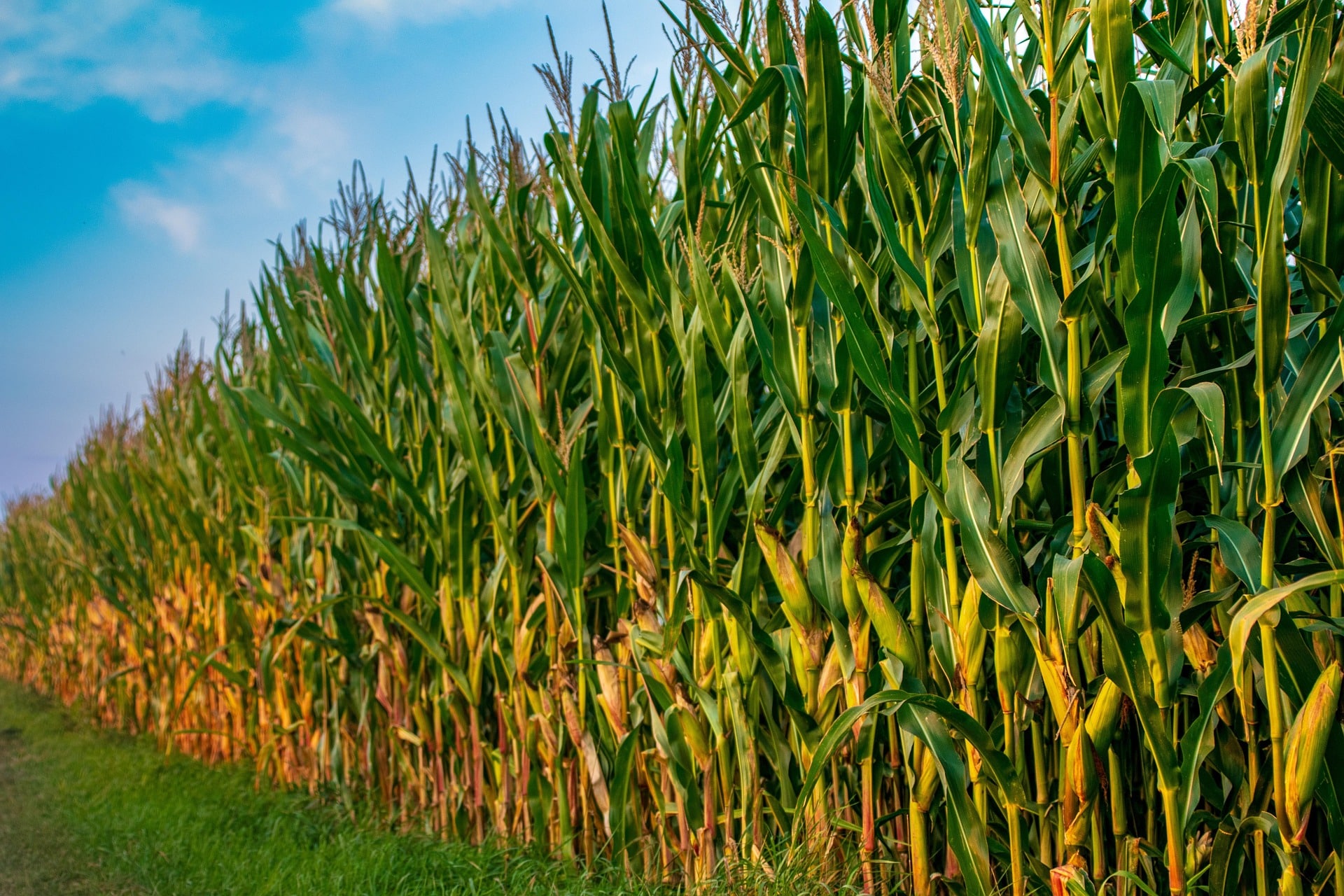
Buy a Farm
Expert guidance in finding the perfect agricultural property.
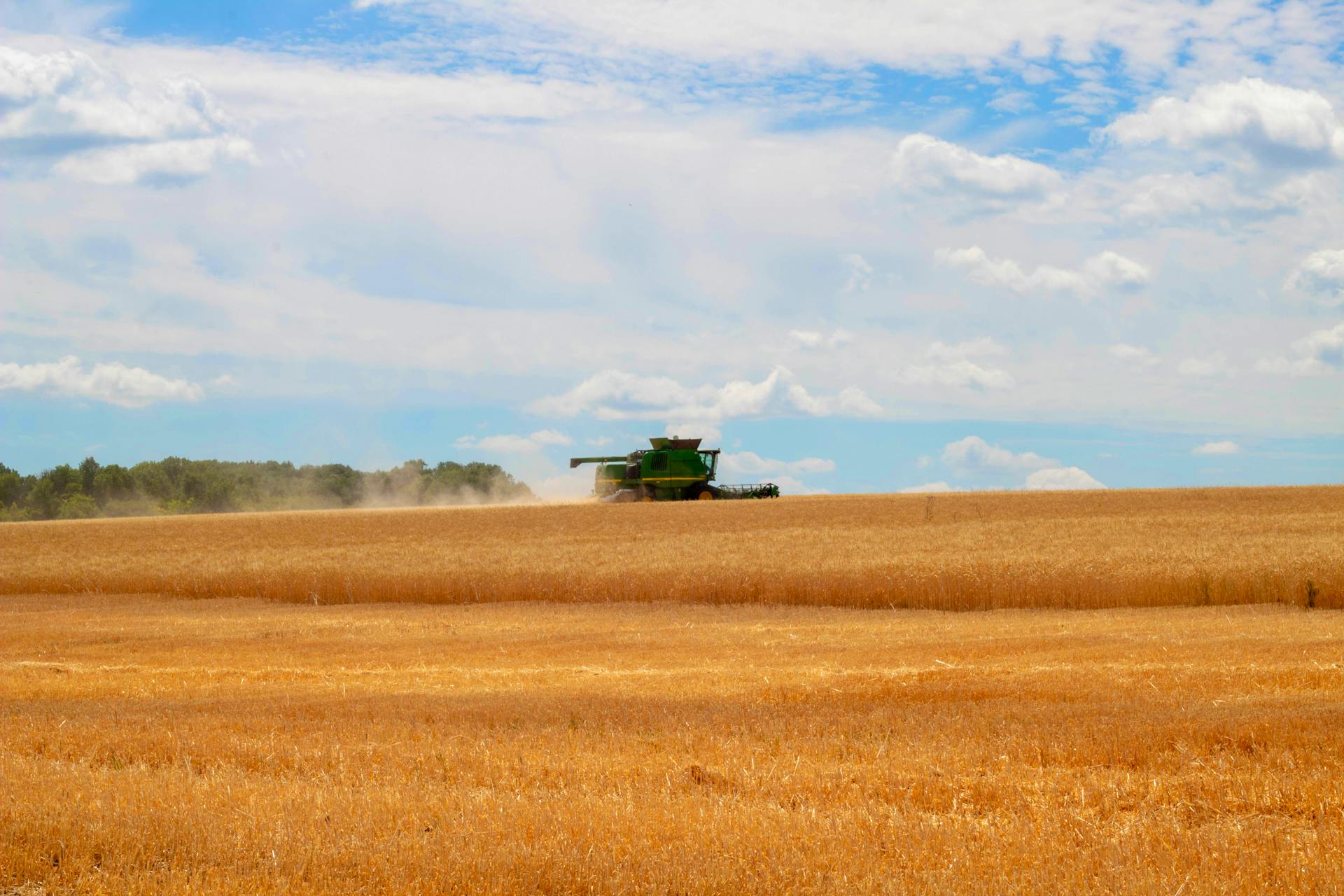
Sell Your Farm
Strategic marketing and valuation for maximum return.
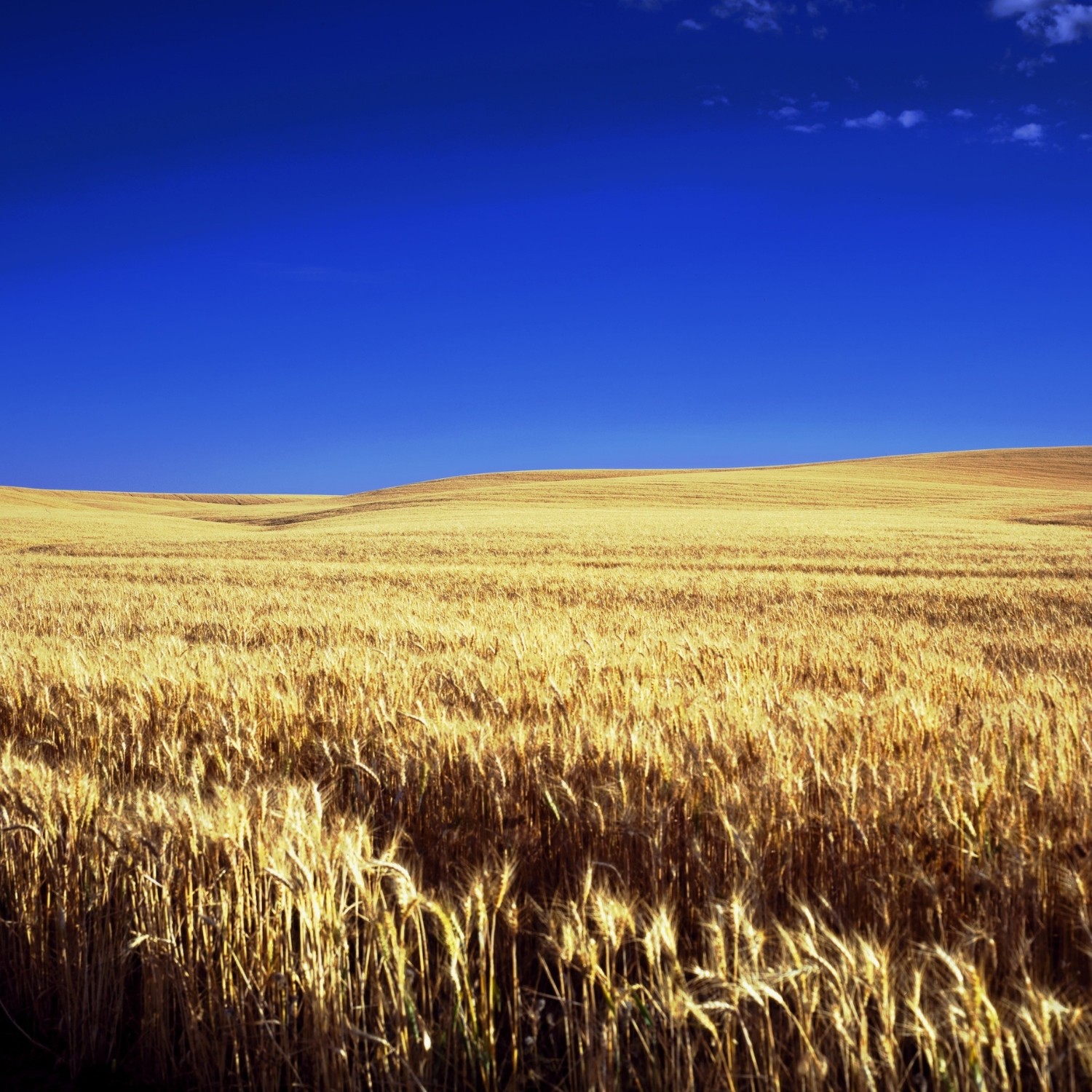
Land Valuation
Receive an accurate property valuation to inform your decisions.
Rural Realty Services
Comprehensive Farmland Services
Explore the Comprehensive Real Estate Solutions for Kansas farmers, landowners, families, and investors at Rural Realty
Buy a Farm
Expert guidance in finding the perfect agricultural property.
Sell Your Farm
Strategic marketing and valuation for maximum return.
Land Valuation
Receive an accurate property valuation to inform your decisions.
Rural Realty Services
Comprehensive Farmland Services
Explore the Comprehensive Real Estate Solutions for Kansas farmers, landowners, families, and investors at Rural Realty
Buy a Farm
Expert guidance in finding the perfect agricultural property.
Sell Your Farm
Strategic marketing and valuation for maximum return.
Land Valuation
Receive an accurate property valuation to inform your decisions.
Kansas Property Expertise
From farmland to family homes, Rural Realty brings generations of local expertise to every real estate transaction.
Kansas
Rural Homes
Rural Realty helps families find their perfect country property, specializing in homes with acreage across Kansas.

Kansas
Farmland
With over four generations of farming experience, Rural Realty brings unique insight to every agricultural land transaction.

Kansas
Ranchland
Rural Realty's deep understanding of ranch operations helps buyers and sellers make confident decisions about ranching properties.

Kansas
Hunting Properties
Rural Realty combines recreational value with agricultural opportunities to maximize returns on hunting property investments.

Kansas
Commercial Properties
From retail spaces to agricultural warehouses, Rural Realty guides clients through every commercial real estate transaction.

Kansas Property Expertise
From farmland to family homes, Rural Realty brings generations of local expertise to every real estate transaction.
Kansas
Rural Homes
Rural Realty helps families find their perfect country property, specializing in homes with acreage across Kansas.
Kansas
Farmland
With over four generations of farming experience, Rural Realty brings unique insight to every agricultural land transaction.
Kansas
Ranchland
Rural Realty's deep understanding of ranch operations helps buyers and sellers make confident decisions about ranching properties.
Kansas
Hunting Properties
Rural Realty combines recreational value with agricultural opportunities to maximize returns on hunting property investments.
Kansas
Commercial Properties
From retail spaces to agricultural warehouses, Rural Realty guides clients through every commercial real estate transaction.
Kansas Property Expertise
From farmland to family homes, Rural Realty brings generations of local expertise to every real estate transaction.
Kansas
Rural Homes
Rural Realty helps families find their perfect country property, specializing in homes with acreage across Kansas.
Kansas
Farmland
With over four generations of farming experience, Rural Realty brings unique insight to every agricultural land transaction.
Kansas
Ranchland
Rural Realty's deep understanding of ranch operations helps buyers and sellers make confident decisions about ranching properties.
Kansas
Hunting Properties
Rural Realty combines recreational value with agricultural opportunities to maximize returns on hunting property investments.
Kansas
Commercial Properties
From retail spaces to agricultural warehouses, Rural Realty guides clients through every commercial real estate transaction.
Ready to Buy or Sell Your Farm in Kansas?
Contact Rural Realty today for a personalized consultation about your farmland goals. Your agricultural future starts with the right land real estate agent.
Find an Agent in your Area
Contact Rural Realty
Find an Agent in your Area
Ready to Buy or Sell Your Farm in Kansas?
Contact Rural Realty today for a personalized consultation about your farmland goals. Your agricultural future starts with the right land real estate agent.
Find an Agent in your Area