Are Farmland Investments in Kansas Still Worth It in 2026
Alec Horton
•
Rural Realty
•
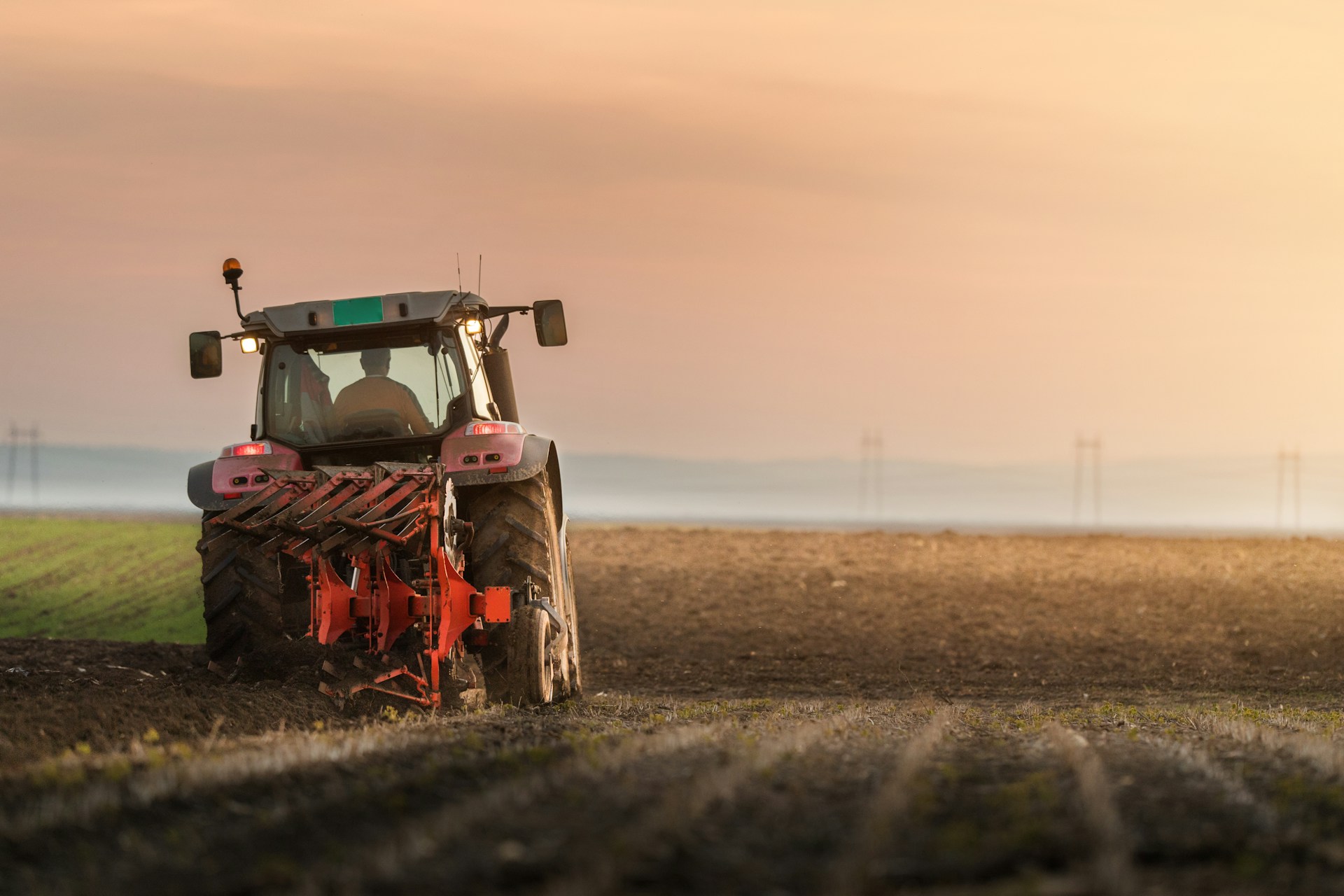
Farmland has long been seen as a steady investment, especially here in Kansas. It's familiar, tied to what so many of us know and work around. But with planting seasons shifting, markets changing, and weather more unpredictable than ever, many are asking the same question: are farmland investments still worth it as we move into 2026?
Winter is a good time to think about questions like this. The land sits quiet, giving us room to look without pressure. Frozen fields and bare trees let us see more than we would during a growing season. In this post, we’re sharing a few thoughts from our side of things, what’s still strong about Kansas farmland, what might be shifting as we start the year, and how to stay grounded when thinking long term.
How Kansas Farmland Holds Its Value Over Time
Land in Kansas has always carried meaning beyond numbers on a page. Year after year, we’ve watched how value holds steady when the land is cared for and used thoughtfully. Even small, steady choices, like rotating crops or tending to fences, can make a big difference.
Long-term use counts. A piece of land that’s been farmed by the same family or renter for a decade will wear that history. You'll often see better soil, better drainage, and fewer surprises underfoot.
Buyers often look for consistency. Can it grow the same crop again this year? Has it held up in dry spells? These types of answers carry weight, more than flashy updates.
Kansas soil knows how to hang on. When ground is fed, checked, and not pushed too hard, it tends to bounce back better than some might expect.
Even when markets shift or towns grow more slowly, well-managed land hangs on to both purpose and profit. That’s one of the reasons farmland investments here continue to make sense for those thinking beyond just this year.
Rural Realty specializes in helping investors and families navigate farmland purchases, offering full-service support from search and evaluation to closing across Kansas. As a company led by a fourth-generation Kansas farmer, we know how to spot long-term value that might not show up in a quick online search.
What’s Different About Looking at Land in Early 2026
Late winter gives us a clearer view, even if it’s not always the prettiest one. In early 2026, we're seeing what winter left behind. The snow might still be sitting in the low spots, and the dirt might be too wet to walk across easily, but these signs tell us a lot.
Bare fields show where water naturally collects. If it's slow to drain now, it’ll likely still be trouble during a heavy spring rain.
It's easier to spot wear and tear. Without tall crops or grass in the way, you can catch erosion lines, broken fencing, or anything that’s gone untouched.
This season comes without the rush. Planting isn't right around the corner yet. That makes now a better time to ask hard questions, explore slowly, and notice the things you’d miss during a full workday on the farm.
The break the land takes in winter shows us what it’s been through, and how it might handle the year ahead. Spending time on the property now gives you a window into its strengths and potential challenges. Cold months lay the groundwork for careful planning, and you can often learn more about the land’s story during this stretch than at any other point in the year.
Signs That a Farmland Investment Could Still Be Strong
Not every field tells the same story. Some properties naturally hold more long-term strength, and winter helps bring some of those signs forward. For those weighing farmland investments with the new year in mind, here are a few things that still stand out:
Strong, well-maintained fencing means someone was paying attention. That can reflect wider care across the property.
Signs of rotation or cover crops from past seasons show thinking beyond short-term gain. Even if it's not pretty, leftover root systems or old planting markers tell a story of careful use.
Water access matters more than ever. How close is the well? Does runoff have somewhere to go? Those things cost money to fix if neglected, which is why winter gives us a window to check conditions without the distraction of green fields.
With everything at rest, these signs come forward clearer than they do in the dead of summer. The goal is to spot the groundwork for something that will still make sense three or five years down the line. It's about understanding both what you see above ground and imagining how that groundwork was set through past choices. Sometimes, even little touches, like erosion control along a ditch or tidy edges by a roadway, can point to years of care that build value over time.
Our team provides Kansas farmland valuations that look closely at fencing, crop history, and water resources, supporting investors who want to identify what adds lasting value. By evaluating these aspects carefully, we help people look beyond the surface and make decisions that match their long-term goals.
Questions to Ask When Thinking About the Future
Buying farmland means thinking further out than most people are used to. It’s about time, patterns, and patience. Before jumping into any decision, it helps to slow down and ask a few bigger-picture questions.
How has the land been used in the past five years?
Who’s farming the area around it, and what are they growing?
Is this part of a floodplain or drought-prone belt?
Have field edges been kept up, or are weeds creeping in?
Can we tell if equipment has run through here recently, or has it been sitting untouched?
Understanding where a piece of land fits, on the map, in the soil, and in the local network, matters more than just reading a listing online. Many of the best calls are made after walking, thinking, and waiting a few weeks instead of rushing just because planting is coming. Taking your time to see the bigger picture is often more rewarding than deciding quickly. Sometimes the answers to these questions offer the clearest window into the future health and potential of your investment.
Keeping Expectations Realistic for the Year Ahead
Farmland investments work best when we go in with a clear head. It’s not about flipping something fast. A good property needs time, upkeep, and more than a lucky season. That’s why winter tends to be a better gauge than people expect. With the crops out and machines parked, the land shows its true shape.
As February moves into March, it’s a good time to plan without pressure. Snowmelt tells us where water will run. Empty fields let us see what’s been done or ignored. We always aim to walk into the new season with patience and purpose, and that starts now. Keeping expectations realistic and staying patient through the yearly cycle gives every buyer and seller the best shot at a smart, lasting choice.
Thinking about farmland investments in Kansas? Now is an ideal moment to explore your options, especially during these quieter seasons when property opportunities often become clearer. At Rural Realty, we’re here to talk through what you’re seeing and help guide your next steps. Give us a call when you’re ready and let’s walk through it together.

Alec Horton- Licensed KS Broker
Weekly Newsletter Update!
Join the Newsletter to Receive Kansas Market Updates
Stay up-to-date with the latest land prices, properties for sale, and tips for managing and selling your farm!
Blog Articles

Unexpected Income Streams on Kansas Ranch Land for Sale
Alec Horton
Learn More

Evaluating Kansas Farmland Rental History Before You Buy
Alec Horton
Learn More

Kansas Ranch Listing Terms: Stocking Rate, AUMs, Carrying Capacity
Alec Horton
Learn More

Leasing vs. Selling Kansas Farmland: Choosing the Right Path
Alec Horton
Learn More

Reading Kansas Land Listings When You Want Hunting Income
Alec Horton
Learn More
Are Farmland Investments in Kansas Still Worth It in 2026
Alec Horton
•
Rural Realty
Farmland has long been seen as a steady investment, especially here in Kansas. It's familiar, tied to what so many of us know and work around. But with planting seasons shifting, markets changing, and weather more unpredictable than ever, many are asking the same question: are farmland investments still worth it as we move into 2026?
Winter is a good time to think about questions like this. The land sits quiet, giving us room to look without pressure. Frozen fields and bare trees let us see more than we would during a growing season. In this post, we’re sharing a few thoughts from our side of things, what’s still strong about Kansas farmland, what might be shifting as we start the year, and how to stay grounded when thinking long term.
How Kansas Farmland Holds Its Value Over Time
Land in Kansas has always carried meaning beyond numbers on a page. Year after year, we’ve watched how value holds steady when the land is cared for and used thoughtfully. Even small, steady choices, like rotating crops or tending to fences, can make a big difference.
Long-term use counts. A piece of land that’s been farmed by the same family or renter for a decade will wear that history. You'll often see better soil, better drainage, and fewer surprises underfoot.
Buyers often look for consistency. Can it grow the same crop again this year? Has it held up in dry spells? These types of answers carry weight, more than flashy updates.
Kansas soil knows how to hang on. When ground is fed, checked, and not pushed too hard, it tends to bounce back better than some might expect.
Even when markets shift or towns grow more slowly, well-managed land hangs on to both purpose and profit. That’s one of the reasons farmland investments here continue to make sense for those thinking beyond just this year.
Rural Realty specializes in helping investors and families navigate farmland purchases, offering full-service support from search and evaluation to closing across Kansas. As a company led by a fourth-generation Kansas farmer, we know how to spot long-term value that might not show up in a quick online search.
What’s Different About Looking at Land in Early 2026
Late winter gives us a clearer view, even if it’s not always the prettiest one. In early 2026, we're seeing what winter left behind. The snow might still be sitting in the low spots, and the dirt might be too wet to walk across easily, but these signs tell us a lot.
Bare fields show where water naturally collects. If it's slow to drain now, it’ll likely still be trouble during a heavy spring rain.
It's easier to spot wear and tear. Without tall crops or grass in the way, you can catch erosion lines, broken fencing, or anything that’s gone untouched.
This season comes without the rush. Planting isn't right around the corner yet. That makes now a better time to ask hard questions, explore slowly, and notice the things you’d miss during a full workday on the farm.
The break the land takes in winter shows us what it’s been through, and how it might handle the year ahead. Spending time on the property now gives you a window into its strengths and potential challenges. Cold months lay the groundwork for careful planning, and you can often learn more about the land’s story during this stretch than at any other point in the year.
Signs That a Farmland Investment Could Still Be Strong
Not every field tells the same story. Some properties naturally hold more long-term strength, and winter helps bring some of those signs forward. For those weighing farmland investments with the new year in mind, here are a few things that still stand out:
Strong, well-maintained fencing means someone was paying attention. That can reflect wider care across the property.
Signs of rotation or cover crops from past seasons show thinking beyond short-term gain. Even if it's not pretty, leftover root systems or old planting markers tell a story of careful use.
Water access matters more than ever. How close is the well? Does runoff have somewhere to go? Those things cost money to fix if neglected, which is why winter gives us a window to check conditions without the distraction of green fields.
With everything at rest, these signs come forward clearer than they do in the dead of summer. The goal is to spot the groundwork for something that will still make sense three or five years down the line. It's about understanding both what you see above ground and imagining how that groundwork was set through past choices. Sometimes, even little touches, like erosion control along a ditch or tidy edges by a roadway, can point to years of care that build value over time.
Our team provides Kansas farmland valuations that look closely at fencing, crop history, and water resources, supporting investors who want to identify what adds lasting value. By evaluating these aspects carefully, we help people look beyond the surface and make decisions that match their long-term goals.
Questions to Ask When Thinking About the Future
Buying farmland means thinking further out than most people are used to. It’s about time, patterns, and patience. Before jumping into any decision, it helps to slow down and ask a few bigger-picture questions.
How has the land been used in the past five years?
Who’s farming the area around it, and what are they growing?
Is this part of a floodplain or drought-prone belt?
Have field edges been kept up, or are weeds creeping in?
Can we tell if equipment has run through here recently, or has it been sitting untouched?
Understanding where a piece of land fits, on the map, in the soil, and in the local network, matters more than just reading a listing online. Many of the best calls are made after walking, thinking, and waiting a few weeks instead of rushing just because planting is coming. Taking your time to see the bigger picture is often more rewarding than deciding quickly. Sometimes the answers to these questions offer the clearest window into the future health and potential of your investment.
Keeping Expectations Realistic for the Year Ahead
Farmland investments work best when we go in with a clear head. It’s not about flipping something fast. A good property needs time, upkeep, and more than a lucky season. That’s why winter tends to be a better gauge than people expect. With the crops out and machines parked, the land shows its true shape.
As February moves into March, it’s a good time to plan without pressure. Snowmelt tells us where water will run. Empty fields let us see what’s been done or ignored. We always aim to walk into the new season with patience and purpose, and that starts now. Keeping expectations realistic and staying patient through the yearly cycle gives every buyer and seller the best shot at a smart, lasting choice.
Thinking about farmland investments in Kansas? Now is an ideal moment to explore your options, especially during these quieter seasons when property opportunities often become clearer. At Rural Realty, we’re here to talk through what you’re seeing and help guide your next steps. Give us a call when you’re ready and let’s walk through it together.
Are Farmland Investments in Kansas Still Worth It in 2026
Alec Horton
•
Rural Realty
•
Farmland has long been seen as a steady investment, especially here in Kansas. It's familiar, tied to what so many of us know and work around. But with planting seasons shifting, markets changing, and weather more unpredictable than ever, many are asking the same question: are farmland investments still worth it as we move into 2026?
Winter is a good time to think about questions like this. The land sits quiet, giving us room to look without pressure. Frozen fields and bare trees let us see more than we would during a growing season. In this post, we’re sharing a few thoughts from our side of things, what’s still strong about Kansas farmland, what might be shifting as we start the year, and how to stay grounded when thinking long term.
How Kansas Farmland Holds Its Value Over Time
Land in Kansas has always carried meaning beyond numbers on a page. Year after year, we’ve watched how value holds steady when the land is cared for and used thoughtfully. Even small, steady choices, like rotating crops or tending to fences, can make a big difference.
Long-term use counts. A piece of land that’s been farmed by the same family or renter for a decade will wear that history. You'll often see better soil, better drainage, and fewer surprises underfoot.
Buyers often look for consistency. Can it grow the same crop again this year? Has it held up in dry spells? These types of answers carry weight, more than flashy updates.
Kansas soil knows how to hang on. When ground is fed, checked, and not pushed too hard, it tends to bounce back better than some might expect.
Even when markets shift or towns grow more slowly, well-managed land hangs on to both purpose and profit. That’s one of the reasons farmland investments here continue to make sense for those thinking beyond just this year.
Rural Realty specializes in helping investors and families navigate farmland purchases, offering full-service support from search and evaluation to closing across Kansas. As a company led by a fourth-generation Kansas farmer, we know how to spot long-term value that might not show up in a quick online search.
What’s Different About Looking at Land in Early 2026
Late winter gives us a clearer view, even if it’s not always the prettiest one. In early 2026, we're seeing what winter left behind. The snow might still be sitting in the low spots, and the dirt might be too wet to walk across easily, but these signs tell us a lot.
Bare fields show where water naturally collects. If it's slow to drain now, it’ll likely still be trouble during a heavy spring rain.
It's easier to spot wear and tear. Without tall crops or grass in the way, you can catch erosion lines, broken fencing, or anything that’s gone untouched.
This season comes without the rush. Planting isn't right around the corner yet. That makes now a better time to ask hard questions, explore slowly, and notice the things you’d miss during a full workday on the farm.
The break the land takes in winter shows us what it’s been through, and how it might handle the year ahead. Spending time on the property now gives you a window into its strengths and potential challenges. Cold months lay the groundwork for careful planning, and you can often learn more about the land’s story during this stretch than at any other point in the year.
Signs That a Farmland Investment Could Still Be Strong
Not every field tells the same story. Some properties naturally hold more long-term strength, and winter helps bring some of those signs forward. For those weighing farmland investments with the new year in mind, here are a few things that still stand out:
Strong, well-maintained fencing means someone was paying attention. That can reflect wider care across the property.
Signs of rotation or cover crops from past seasons show thinking beyond short-term gain. Even if it's not pretty, leftover root systems or old planting markers tell a story of careful use.
Water access matters more than ever. How close is the well? Does runoff have somewhere to go? Those things cost money to fix if neglected, which is why winter gives us a window to check conditions without the distraction of green fields.
With everything at rest, these signs come forward clearer than they do in the dead of summer. The goal is to spot the groundwork for something that will still make sense three or five years down the line. It's about understanding both what you see above ground and imagining how that groundwork was set through past choices. Sometimes, even little touches, like erosion control along a ditch or tidy edges by a roadway, can point to years of care that build value over time.
Our team provides Kansas farmland valuations that look closely at fencing, crop history, and water resources, supporting investors who want to identify what adds lasting value. By evaluating these aspects carefully, we help people look beyond the surface and make decisions that match their long-term goals.
Questions to Ask When Thinking About the Future
Buying farmland means thinking further out than most people are used to. It’s about time, patterns, and patience. Before jumping into any decision, it helps to slow down and ask a few bigger-picture questions.
How has the land been used in the past five years?
Who’s farming the area around it, and what are they growing?
Is this part of a floodplain or drought-prone belt?
Have field edges been kept up, or are weeds creeping in?
Can we tell if equipment has run through here recently, or has it been sitting untouched?
Understanding where a piece of land fits, on the map, in the soil, and in the local network, matters more than just reading a listing online. Many of the best calls are made after walking, thinking, and waiting a few weeks instead of rushing just because planting is coming. Taking your time to see the bigger picture is often more rewarding than deciding quickly. Sometimes the answers to these questions offer the clearest window into the future health and potential of your investment.
Keeping Expectations Realistic for the Year Ahead
Farmland investments work best when we go in with a clear head. It’s not about flipping something fast. A good property needs time, upkeep, and more than a lucky season. That’s why winter tends to be a better gauge than people expect. With the crops out and machines parked, the land shows its true shape.
As February moves into March, it’s a good time to plan without pressure. Snowmelt tells us where water will run. Empty fields let us see what’s been done or ignored. We always aim to walk into the new season with patience and purpose, and that starts now. Keeping expectations realistic and staying patient through the yearly cycle gives every buyer and seller the best shot at a smart, lasting choice.
Thinking about farmland investments in Kansas? Now is an ideal moment to explore your options, especially during these quieter seasons when property opportunities often become clearer. At Rural Realty, we’re here to talk through what you’re seeing and help guide your next steps. Give us a call when you’re ready and let’s walk through it together.
Meet the Founder of Rural Realty
Alec Horton
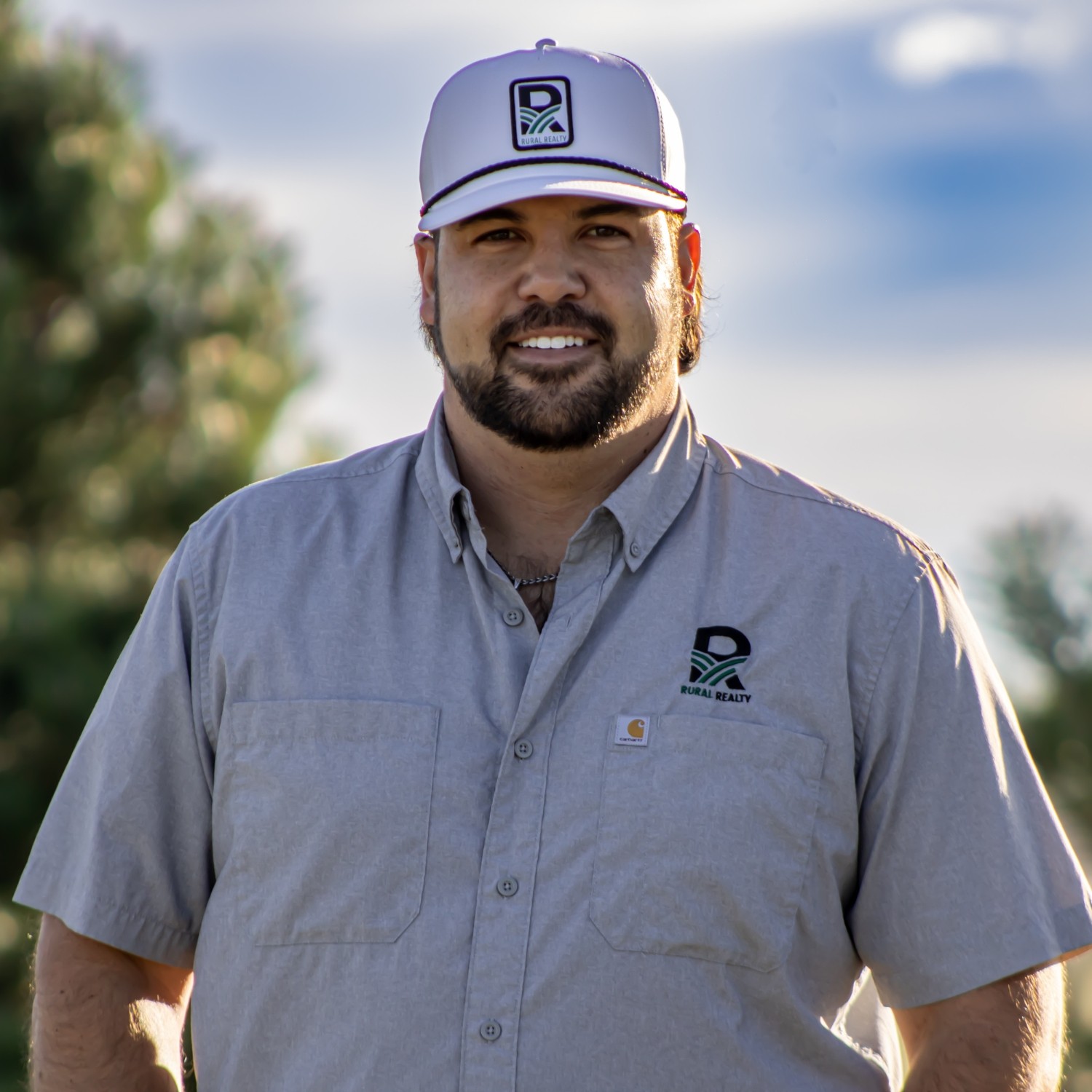
Alec Horton founded Rural Realty in 2025 to help Western Kansas landowners navigate the complexities of buying and selling rural properties with confidence. Born and raised in Leoti, Alec comes from four generations of farmers, giving him a deep understanding of the land and the people who work it. After 16 years of buying and selling agricultural land for his own family’s farm, he saw firsthand the challenges landowners face—uncertain pricing, complex transactions, and a lack of dedicated rural real estate expertise. Determined to bridge that gap, he launched Rural Realty to provide honest, knowledgeable, and personalized service to farmers, ranchers, and investors. As a licensed land broker, Alec and his team brings local insight, industry expertise, and a passion for helping clients achieve their landownership goals.
Meet the Founder of Rural Realty
Alec Horton
Alec Horton founded Rural Realty in 2025 to give landowners across Western Kansas a trusted partner in buying and selling rural properties. A fourth-generation farmer from Leoti with 16 years of experience in agricultural land deals, Alec saw the need for a brokerage that truly understands the land and the people who work it. With a deep knowledge of local markets and a commitment to honest, personalized service, Rural Realty helps farmers, ranchers, and investors navigate complex transactions with confidence.
Meet the Founder of Rural Realty
Alec Horton
Alec Horton founded Rural Realty in 2025 to help Western Kansas landowners navigate the complexities of buying and selling rural properties with confidence. Born and raised in Leoti, Alec comes from four generations of farmers, giving him a deep understanding of the land and the people who work it. After 16 years of buying and selling agricultural land for his own family’s farm, he saw firsthand the challenges landowners face—uncertain pricing, complex transactions, and a lack of dedicated rural real estate expertise. Determined to bridge that gap, he launched Rural Realty to provide honest, knowledgeable, and personalized service to farmers, ranchers, and investors. As a licensed land broker, Alec and his team brings local insight, industry expertise, and a passion for helping clients achieve their landownership goals.
Farm Experience You Can Trust
Local Knowledge. Proven Results.
46+
2023-2025 Farm Transactions
18+
Years of Farmland Experience
700+
Network of Kansas Farmers
Farm Experience You Can Trust
Local Knowledge. Proven Results.
46+
2023-2025 Farm Transactions
18+
Years of Farmland Experience
700+
Network of Kansas Farmers
Farm Experience You Can Trust
Local Knowledge. Proven Results.
46+
2023-2025 Farm Transactions
18+
Years of Farmland Experience
700+
Network of Kansas Farmers
Rural Realty Services
Comprehensive Farmland Services
Explore the Comprehensive Real Estate Solutions for Kansas farmers, landowners, families, and investors at Rural Realty
Buy a Farm
Expert guidance in finding the perfect agricultural property.
Sell Your Farm
Strategic marketing and valuation for maximum return.
Land Valuation
Receive an accurate property valuation to inform your decisions.
Rural Realty Services
Comprehensive Farmland Services
Explore the Comprehensive Real Estate Solutions for Kansas farmers, landowners, families, and investors at Rural Realty
Buy a Farm
Expert guidance in finding the perfect agricultural property.
Sell Your Farm
Strategic marketing and valuation for maximum return.
Land Valuation
Receive an accurate property valuation to inform your decisions.
Rural Realty Services
Comprehensive Farmland Services
Explore the Comprehensive Real Estate Solutions for Kansas farmers, landowners, families, and investors at Rural Realty
Buy a Farm
Expert guidance in finding the perfect agricultural property.
Sell Your Farm
Strategic marketing and valuation for maximum return.
Land Valuation
Receive an accurate property valuation to inform your decisions.
Kansas Property Expertise
From farmland to family homes, Rural Realty brings generations of local expertise to every real estate transaction.
Kansas
Rural Homes
Rural Realty helps families find their perfect country property, specializing in homes with acreage across Kansas.

Kansas
Farmland
With over four generations of farming experience, Rural Realty brings unique insight to every agricultural land transaction.

Kansas
Ranchland
Rural Realty's deep understanding of ranch operations helps buyers and sellers make confident decisions about ranching properties.

Kansas
Hunting Properties
Rural Realty combines recreational value with agricultural opportunities to maximize returns on hunting property investments.

Kansas
Commercial Properties
From retail spaces to agricultural warehouses, Rural Realty guides clients through every commercial real estate transaction.

Kansas Property Expertise
From farmland to family homes, Rural Realty brings generations of local expertise to every real estate transaction.
Kansas
Rural Homes
Rural Realty helps families find their perfect country property, specializing in homes with acreage across Kansas.
Kansas
Farmland
With over four generations of farming experience, Rural Realty brings unique insight to every agricultural land transaction.
Kansas
Ranchland
Rural Realty's deep understanding of ranch operations helps buyers and sellers make confident decisions about ranching properties.
Kansas
Hunting Properties
Rural Realty combines recreational value with agricultural opportunities to maximize returns on hunting property investments.
Kansas
Commercial Properties
From retail spaces to agricultural warehouses, Rural Realty guides clients through every commercial real estate transaction.
Kansas Property Expertise
From farmland to family homes, Rural Realty brings generations of local expertise to every real estate transaction.
Kansas
Rural Homes
Rural Realty helps families find their perfect country property, specializing in homes with acreage across Kansas.
Kansas
Farmland
With over four generations of farming experience, Rural Realty brings unique insight to every agricultural land transaction.
Kansas
Ranchland
Rural Realty's deep understanding of ranch operations helps buyers and sellers make confident decisions about ranching properties.
Kansas
Hunting Properties
Rural Realty combines recreational value with agricultural opportunities to maximize returns on hunting property investments.
Kansas
Commercial Properties
From retail spaces to agricultural warehouses, Rural Realty guides clients through every commercial real estate transaction.
Ready to Buy or Sell Your Farm in Kansas?
Contact Rural Realty today for a personalized consultation about your farmland goals. Your agricultural future starts with the right land real estate agent.
Find an Agent in your Area
Contact Rural Realty
Find an Agent in your Area
Ready to Buy or Sell Your Farm in Kansas?
Contact Rural Realty today for a personalized consultation about your farmland goals. Your agricultural future starts with the right land real estate agent.
Find an Agent in your Area