Inside Kansas Ranch Land for Sale: Grazing Leases and Income
Alec Horton
•
Rural Realty
•

Unlocking Income Potential From Kansas Ranch Land
Buying ranch land for sale in Kansas is about more than owning pretty grass and big skies. Many buyers want that land to carry its own weight and help pay the note. One of the most reliable ways to do that is with a good grazing lease. Cattle on pasture can turn a bare holding cost into steady income when the lease is set up the right way.
The details matter. Stocking too heavy, picking the wrong lease structure, or skipping drought planning can turn a solid deal into a headache. As a Western Kansas brokerage with deep ag roots, we see both the success stories and the problem deals. In this article, we walk through grazing basics, seasonal timing, income ranges, and simple steps that can help your next ranch purchase work like a real business, not just a hobby.
What Makes Kansas Ranch Land Valuable for Grazing
Not all ranch land for sale has the same grazing value. Two pastures that look similar from the road can lease for very different amounts once you walk the grass and study the water.
Key land basics that drive grazing value include:
Grass type and mix
Water sources and reliability
Fence quality and layout
Overall pasture condition
Native grasses can handle heat, wind, and dry spells better than many introduced species. They tend to bounce back well if they are not abused. Introduced grasses can grow fast with moisture and good management, but some do not like drought. Knowing what is actually in the pasture helps you set a safe stocking rate.
In Western Kansas, rainfall is limited and often uneven. Soil type and slope affect how much moisture the grass can hold. Shallow or sandy soils dry out fast, which lowers carrying capacity. Heavier soils can produce more forage in a good year but can be slow to drain. All of this ties straight into how many cattle the land can safely support per acre or per section.
Access and improvements also push demand. Land that is easier for a cattle operator to run usually pulls stronger lease bids, for example:
County road or good private road access
Working pens and a loadout near the main gate
Reliable wells, tanks, or ponds spread through the pasture
Power available for wells or future improvements
A pasture close to existing cattle operations, feedyards, or sale barns can also be more appealing. Shorter hauls mean less time, less fuel, and less stress on cattle.
Grazing Lease Basics Every Buyer Should Understand
Before you buy ranch land for sale with grazing income in mind, it helps to know how leases are commonly set up in Kansas. The most common structures are:
Per head per month
Per acre for a set season
One flat rate for the whole grazing season
Per head per month ties income directly to stocking numbers and length of stay. Per acre leases can feel simpler but may hide risk if grass conditions swing a lot. A flat seasonal rate can be steady for both sides when the carrying capacity is well understood.
A good lease should spell out who pays for what. Common items include:
Fence repair and new fencing, including materials and labor
Water system upkeep, like wells, tanks, and lines
Weed and brush control
Supplemental feed or mineral, if allowed or expected
Written terms protect both landowner and tenant. They should cover start and end dates, stocking limits, and how the parties will handle drought or early pull-out. Many landowners also ask tenants to carry liability insurance, and some carry their own coverage as well. Clear rules on access, hunting, and subleasing keep surprises to a minimum.
Turning Ranch Land Into Reliable Grazing Income
When you walk a potential purchase, you can start to sketch out what a grazing lease might bring in. The basics are simple: how much grass the land can grow, what local lease rates look like, and how rainfall has acted in recent years. From there, you can estimate a likely head count or acres leased and then estimate income from different lease styles.
The goal is not to squeeze every dollar out in year one. Long-term, the best money comes from keeping the grass healthy. That usually means:
Using rotational grazing where possible
Giving pastures rest periods after heavy use
Pulling cattle sooner in a dry spell instead of pounding the grass
Overstocking may bump income for a short time, but it can burn off the plant base. Once that happens, weeds move in, bare ground grows, and future lease rates may need to drop.
In Western Kansas, income per acre can vary a lot from one ranch to the next. Pastures with good fence, well-spaced water, and clean grass often stand at the top of the range. Simple improvements like cross-fencing, more water points, or brush control can open the door to higher stocking rates or stronger lease bids over time.
Seasonal Timing, Drought Planning, and Risk Management
Season matters with grazing deals in Kansas. Summer and early fall are key times to look at how much forage is left and what the pasture might carry going into cooler months. If you are buying during the warm season, you can see grass condition firsthand and start to plan winter stocking with a local operator.
Drought planning needs to be part of any lease. Good plans often include:
Flexible stocking rates tied to grass conditions
Clear emergency destocking or early removal clauses
Options to shift to haying small areas when grazing is not wise
Freedom to rest critical pastures for recovery
Some landowners also look at pasture insurance or other risk tools that may help soften the blow in very dry years. Others spread risk by leasing to different types of cattle operations or changing classes of cattle, like pairs, yearlings, or stockers, as conditions change. Keeping some financial cushion set aside for slow years helps you avoid land decisions made in a panic.
Beyond Grazing: Stacking Income on Ranch Land
Grazing does not have to be the only income stream. Many ranch buyers in Kansas like to stack a few simple uses that fit the land and local area. Common examples include:
Seasonal hunting leases
Day-access fees for fishing or bird watching
Limited hay production on stronger grass areas
Wildlife work often pairs nicely with cattle. Shelterbelts, food plots in the right spots, and extra water sources can draw more deer, birds, and other game, while also giving cattle better shade and drink options. Well-planned projects like these can help you ask more for both grazing and hunting over time.
Any added activity should be thought through. It is wise to look at liability risk, local rules, and how neighbors might feel. Clear, written agreements for hunters, anglers, and other guests should cover access routes, dates, property rules, and any limits on vehicle use or shooting areas.
With the right mix of grazing income, smart improvements, and maybe a second use like hunting or recreation, Kansas ranch land can be both a working asset and a place you are proud to own.
Find the Right Ranch Land to Match Your Long-Term Vision
If you are ready to own a piece of wide-open country, we can help you find the perfect fit for your goals. Explore our available ranch land for sale to see properties suited for cattle, recreation, or long-term investment. At Rural Realty, we use our local expertise to guide you through every step, from first visit to closing. Let us help you move confidently toward the rural lifestyle you have been planning.

Alec Horton- Licensed KS Broker
Weekly Newsletter Update!
Join the Newsletter to Receive Kansas Market Updates
Stay up-to-date with the latest land prices, properties for sale, and tips for managing and selling your farm!
Blog Articles

Unexpected Income Streams on Kansas Ranch Land for Sale
Alec Horton
Learn More

Evaluating Kansas Farmland Rental History Before You Buy
Alec Horton
Learn More

Kansas Ranch Listing Terms: Stocking Rate, AUMs, Carrying Capacity
Alec Horton
Learn More

Leasing vs. Selling Kansas Farmland: Choosing the Right Path
Alec Horton
Learn More

Reading Kansas Land Listings When You Want Hunting Income
Alec Horton
Learn More
Inside Kansas Ranch Land for Sale: Grazing Leases and Income
Alec Horton
•
Rural Realty
Unlocking Income Potential From Kansas Ranch Land
Buying ranch land for sale in Kansas is about more than owning pretty grass and big skies. Many buyers want that land to carry its own weight and help pay the note. One of the most reliable ways to do that is with a good grazing lease. Cattle on pasture can turn a bare holding cost into steady income when the lease is set up the right way.
The details matter. Stocking too heavy, picking the wrong lease structure, or skipping drought planning can turn a solid deal into a headache. As a Western Kansas brokerage with deep ag roots, we see both the success stories and the problem deals. In this article, we walk through grazing basics, seasonal timing, income ranges, and simple steps that can help your next ranch purchase work like a real business, not just a hobby.
What Makes Kansas Ranch Land Valuable for Grazing
Not all ranch land for sale has the same grazing value. Two pastures that look similar from the road can lease for very different amounts once you walk the grass and study the water.
Key land basics that drive grazing value include:
Grass type and mix
Water sources and reliability
Fence quality and layout
Overall pasture condition
Native grasses can handle heat, wind, and dry spells better than many introduced species. They tend to bounce back well if they are not abused. Introduced grasses can grow fast with moisture and good management, but some do not like drought. Knowing what is actually in the pasture helps you set a safe stocking rate.
In Western Kansas, rainfall is limited and often uneven. Soil type and slope affect how much moisture the grass can hold. Shallow or sandy soils dry out fast, which lowers carrying capacity. Heavier soils can produce more forage in a good year but can be slow to drain. All of this ties straight into how many cattle the land can safely support per acre or per section.
Access and improvements also push demand. Land that is easier for a cattle operator to run usually pulls stronger lease bids, for example:
County road or good private road access
Working pens and a loadout near the main gate
Reliable wells, tanks, or ponds spread through the pasture
Power available for wells or future improvements
A pasture close to existing cattle operations, feedyards, or sale barns can also be more appealing. Shorter hauls mean less time, less fuel, and less stress on cattle.
Grazing Lease Basics Every Buyer Should Understand
Before you buy ranch land for sale with grazing income in mind, it helps to know how leases are commonly set up in Kansas. The most common structures are:
Per head per month
Per acre for a set season
One flat rate for the whole grazing season
Per head per month ties income directly to stocking numbers and length of stay. Per acre leases can feel simpler but may hide risk if grass conditions swing a lot. A flat seasonal rate can be steady for both sides when the carrying capacity is well understood.
A good lease should spell out who pays for what. Common items include:
Fence repair and new fencing, including materials and labor
Water system upkeep, like wells, tanks, and lines
Weed and brush control
Supplemental feed or mineral, if allowed or expected
Written terms protect both landowner and tenant. They should cover start and end dates, stocking limits, and how the parties will handle drought or early pull-out. Many landowners also ask tenants to carry liability insurance, and some carry their own coverage as well. Clear rules on access, hunting, and subleasing keep surprises to a minimum.
Turning Ranch Land Into Reliable Grazing Income
When you walk a potential purchase, you can start to sketch out what a grazing lease might bring in. The basics are simple: how much grass the land can grow, what local lease rates look like, and how rainfall has acted in recent years. From there, you can estimate a likely head count or acres leased and then estimate income from different lease styles.
The goal is not to squeeze every dollar out in year one. Long-term, the best money comes from keeping the grass healthy. That usually means:
Using rotational grazing where possible
Giving pastures rest periods after heavy use
Pulling cattle sooner in a dry spell instead of pounding the grass
Overstocking may bump income for a short time, but it can burn off the plant base. Once that happens, weeds move in, bare ground grows, and future lease rates may need to drop.
In Western Kansas, income per acre can vary a lot from one ranch to the next. Pastures with good fence, well-spaced water, and clean grass often stand at the top of the range. Simple improvements like cross-fencing, more water points, or brush control can open the door to higher stocking rates or stronger lease bids over time.
Seasonal Timing, Drought Planning, and Risk Management
Season matters with grazing deals in Kansas. Summer and early fall are key times to look at how much forage is left and what the pasture might carry going into cooler months. If you are buying during the warm season, you can see grass condition firsthand and start to plan winter stocking with a local operator.
Drought planning needs to be part of any lease. Good plans often include:
Flexible stocking rates tied to grass conditions
Clear emergency destocking or early removal clauses
Options to shift to haying small areas when grazing is not wise
Freedom to rest critical pastures for recovery
Some landowners also look at pasture insurance or other risk tools that may help soften the blow in very dry years. Others spread risk by leasing to different types of cattle operations or changing classes of cattle, like pairs, yearlings, or stockers, as conditions change. Keeping some financial cushion set aside for slow years helps you avoid land decisions made in a panic.
Beyond Grazing: Stacking Income on Ranch Land
Grazing does not have to be the only income stream. Many ranch buyers in Kansas like to stack a few simple uses that fit the land and local area. Common examples include:
Seasonal hunting leases
Day-access fees for fishing or bird watching
Limited hay production on stronger grass areas
Wildlife work often pairs nicely with cattle. Shelterbelts, food plots in the right spots, and extra water sources can draw more deer, birds, and other game, while also giving cattle better shade and drink options. Well-planned projects like these can help you ask more for both grazing and hunting over time.
Any added activity should be thought through. It is wise to look at liability risk, local rules, and how neighbors might feel. Clear, written agreements for hunters, anglers, and other guests should cover access routes, dates, property rules, and any limits on vehicle use or shooting areas.
With the right mix of grazing income, smart improvements, and maybe a second use like hunting or recreation, Kansas ranch land can be both a working asset and a place you are proud to own.
Find the Right Ranch Land to Match Your Long-Term Vision
If you are ready to own a piece of wide-open country, we can help you find the perfect fit for your goals. Explore our available ranch land for sale to see properties suited for cattle, recreation, or long-term investment. At Rural Realty, we use our local expertise to guide you through every step, from first visit to closing. Let us help you move confidently toward the rural lifestyle you have been planning.
Inside Kansas Ranch Land for Sale: Grazing Leases and Income
Alec Horton
•
Rural Realty
•
Unlocking Income Potential From Kansas Ranch Land
Buying ranch land for sale in Kansas is about more than owning pretty grass and big skies. Many buyers want that land to carry its own weight and help pay the note. One of the most reliable ways to do that is with a good grazing lease. Cattle on pasture can turn a bare holding cost into steady income when the lease is set up the right way.
The details matter. Stocking too heavy, picking the wrong lease structure, or skipping drought planning can turn a solid deal into a headache. As a Western Kansas brokerage with deep ag roots, we see both the success stories and the problem deals. In this article, we walk through grazing basics, seasonal timing, income ranges, and simple steps that can help your next ranch purchase work like a real business, not just a hobby.
What Makes Kansas Ranch Land Valuable for Grazing
Not all ranch land for sale has the same grazing value. Two pastures that look similar from the road can lease for very different amounts once you walk the grass and study the water.
Key land basics that drive grazing value include:
Grass type and mix
Water sources and reliability
Fence quality and layout
Overall pasture condition
Native grasses can handle heat, wind, and dry spells better than many introduced species. They tend to bounce back well if they are not abused. Introduced grasses can grow fast with moisture and good management, but some do not like drought. Knowing what is actually in the pasture helps you set a safe stocking rate.
In Western Kansas, rainfall is limited and often uneven. Soil type and slope affect how much moisture the grass can hold. Shallow or sandy soils dry out fast, which lowers carrying capacity. Heavier soils can produce more forage in a good year but can be slow to drain. All of this ties straight into how many cattle the land can safely support per acre or per section.
Access and improvements also push demand. Land that is easier for a cattle operator to run usually pulls stronger lease bids, for example:
County road or good private road access
Working pens and a loadout near the main gate
Reliable wells, tanks, or ponds spread through the pasture
Power available for wells or future improvements
A pasture close to existing cattle operations, feedyards, or sale barns can also be more appealing. Shorter hauls mean less time, less fuel, and less stress on cattle.
Grazing Lease Basics Every Buyer Should Understand
Before you buy ranch land for sale with grazing income in mind, it helps to know how leases are commonly set up in Kansas. The most common structures are:
Per head per month
Per acre for a set season
One flat rate for the whole grazing season
Per head per month ties income directly to stocking numbers and length of stay. Per acre leases can feel simpler but may hide risk if grass conditions swing a lot. A flat seasonal rate can be steady for both sides when the carrying capacity is well understood.
A good lease should spell out who pays for what. Common items include:
Fence repair and new fencing, including materials and labor
Water system upkeep, like wells, tanks, and lines
Weed and brush control
Supplemental feed or mineral, if allowed or expected
Written terms protect both landowner and tenant. They should cover start and end dates, stocking limits, and how the parties will handle drought or early pull-out. Many landowners also ask tenants to carry liability insurance, and some carry their own coverage as well. Clear rules on access, hunting, and subleasing keep surprises to a minimum.
Turning Ranch Land Into Reliable Grazing Income
When you walk a potential purchase, you can start to sketch out what a grazing lease might bring in. The basics are simple: how much grass the land can grow, what local lease rates look like, and how rainfall has acted in recent years. From there, you can estimate a likely head count or acres leased and then estimate income from different lease styles.
The goal is not to squeeze every dollar out in year one. Long-term, the best money comes from keeping the grass healthy. That usually means:
Using rotational grazing where possible
Giving pastures rest periods after heavy use
Pulling cattle sooner in a dry spell instead of pounding the grass
Overstocking may bump income for a short time, but it can burn off the plant base. Once that happens, weeds move in, bare ground grows, and future lease rates may need to drop.
In Western Kansas, income per acre can vary a lot from one ranch to the next. Pastures with good fence, well-spaced water, and clean grass often stand at the top of the range. Simple improvements like cross-fencing, more water points, or brush control can open the door to higher stocking rates or stronger lease bids over time.
Seasonal Timing, Drought Planning, and Risk Management
Season matters with grazing deals in Kansas. Summer and early fall are key times to look at how much forage is left and what the pasture might carry going into cooler months. If you are buying during the warm season, you can see grass condition firsthand and start to plan winter stocking with a local operator.
Drought planning needs to be part of any lease. Good plans often include:
Flexible stocking rates tied to grass conditions
Clear emergency destocking or early removal clauses
Options to shift to haying small areas when grazing is not wise
Freedom to rest critical pastures for recovery
Some landowners also look at pasture insurance or other risk tools that may help soften the blow in very dry years. Others spread risk by leasing to different types of cattle operations or changing classes of cattle, like pairs, yearlings, or stockers, as conditions change. Keeping some financial cushion set aside for slow years helps you avoid land decisions made in a panic.
Beyond Grazing: Stacking Income on Ranch Land
Grazing does not have to be the only income stream. Many ranch buyers in Kansas like to stack a few simple uses that fit the land and local area. Common examples include:
Seasonal hunting leases
Day-access fees for fishing or bird watching
Limited hay production on stronger grass areas
Wildlife work often pairs nicely with cattle. Shelterbelts, food plots in the right spots, and extra water sources can draw more deer, birds, and other game, while also giving cattle better shade and drink options. Well-planned projects like these can help you ask more for both grazing and hunting over time.
Any added activity should be thought through. It is wise to look at liability risk, local rules, and how neighbors might feel. Clear, written agreements for hunters, anglers, and other guests should cover access routes, dates, property rules, and any limits on vehicle use or shooting areas.
With the right mix of grazing income, smart improvements, and maybe a second use like hunting or recreation, Kansas ranch land can be both a working asset and a place you are proud to own.
Find the Right Ranch Land to Match Your Long-Term Vision
If you are ready to own a piece of wide-open country, we can help you find the perfect fit for your goals. Explore our available ranch land for sale to see properties suited for cattle, recreation, or long-term investment. At Rural Realty, we use our local expertise to guide you through every step, from first visit to closing. Let us help you move confidently toward the rural lifestyle you have been planning.
Meet the Founder of Rural Realty
Alec Horton
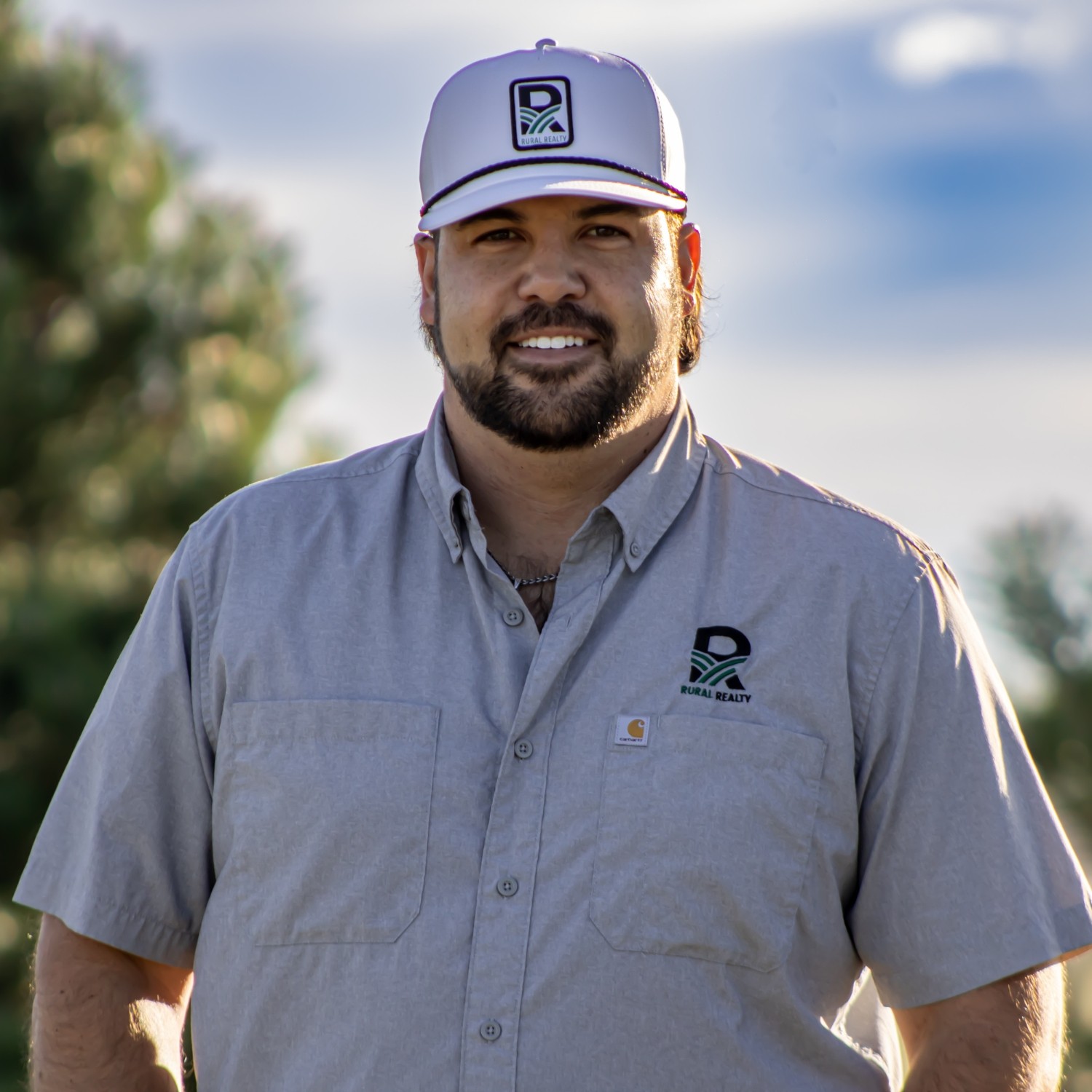
Alec Horton founded Rural Realty in 2025 to help Western Kansas landowners navigate the complexities of buying and selling rural properties with confidence. Born and raised in Leoti, Alec comes from four generations of farmers, giving him a deep understanding of the land and the people who work it. After 16 years of buying and selling agricultural land for his own family’s farm, he saw firsthand the challenges landowners face—uncertain pricing, complex transactions, and a lack of dedicated rural real estate expertise. Determined to bridge that gap, he launched Rural Realty to provide honest, knowledgeable, and personalized service to farmers, ranchers, and investors. As a licensed land broker, Alec and his team brings local insight, industry expertise, and a passion for helping clients achieve their landownership goals.
Meet the Founder of Rural Realty
Alec Horton
Alec Horton founded Rural Realty in 2025 to give landowners across Western Kansas a trusted partner in buying and selling rural properties. A fourth-generation farmer from Leoti with 16 years of experience in agricultural land deals, Alec saw the need for a brokerage that truly understands the land and the people who work it. With a deep knowledge of local markets and a commitment to honest, personalized service, Rural Realty helps farmers, ranchers, and investors navigate complex transactions with confidence.
Meet the Founder of Rural Realty
Alec Horton
Alec Horton founded Rural Realty in 2025 to help Western Kansas landowners navigate the complexities of buying and selling rural properties with confidence. Born and raised in Leoti, Alec comes from four generations of farmers, giving him a deep understanding of the land and the people who work it. After 16 years of buying and selling agricultural land for his own family’s farm, he saw firsthand the challenges landowners face—uncertain pricing, complex transactions, and a lack of dedicated rural real estate expertise. Determined to bridge that gap, he launched Rural Realty to provide honest, knowledgeable, and personalized service to farmers, ranchers, and investors. As a licensed land broker, Alec and his team brings local insight, industry expertise, and a passion for helping clients achieve their landownership goals.
Farm Experience You Can Trust
Local Knowledge. Proven Results.
46+
2023-2025 Farm Transactions
18+
Years of Farmland Experience
700+
Network of Kansas Farmers
Farm Experience You Can Trust
Local Knowledge. Proven Results.
46+
2023-2025 Farm Transactions
18+
Years of Farmland Experience
700+
Network of Kansas Farmers
Farm Experience You Can Trust
Local Knowledge. Proven Results.
46+
2023-2025 Farm Transactions
18+
Years of Farmland Experience
700+
Network of Kansas Farmers
Rural Realty Services
Comprehensive Farmland Services
Explore the Comprehensive Real Estate Solutions for Kansas farmers, landowners, families, and investors at Rural Realty
Buy a Farm
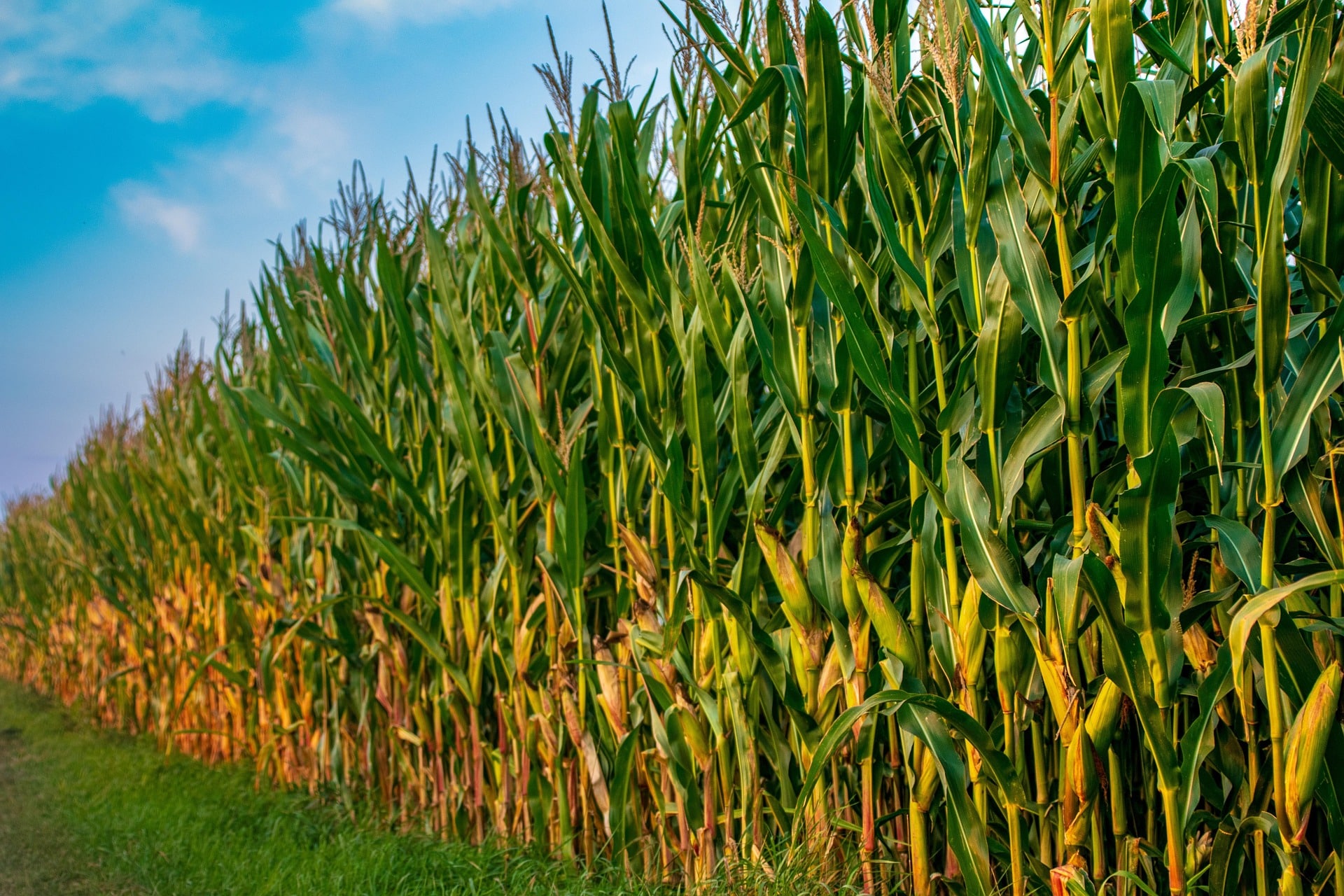
Expert guidance in finding the perfect agricultural property.
Sell Your Farm
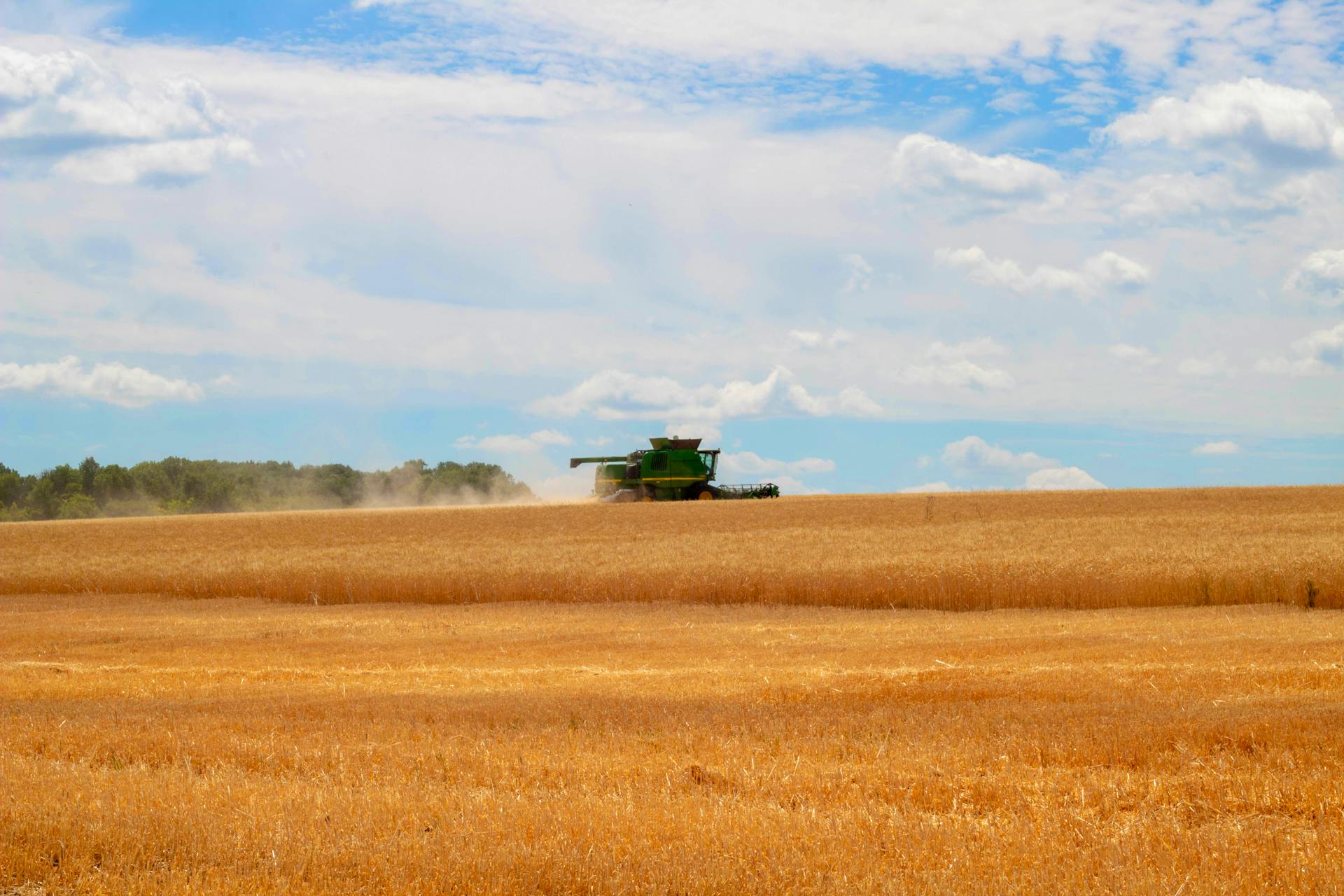
Strategic marketing and valuation for maximum return.
Land Valuation
Receive an accurate property valuation to inform your decisions.
Rural Realty Services
Comprehensive Farmland Services
Explore the Comprehensive Real Estate Solutions for Kansas farmers, landowners, families, and investors at Rural Realty
Buy a Farm
Expert guidance in finding the perfect agricultural property.
Sell Your Farm
Strategic marketing and valuation for maximum return.
Land Valuation
Receive an accurate property valuation to inform your decisions.
Rural Realty Services
Comprehensive Farmland Services
Explore the Comprehensive Real Estate Solutions for Kansas farmers, landowners, families, and investors at Rural Realty
Buy a Farm
Expert guidance in finding the perfect agricultural property.
Sell Your Farm
Strategic marketing and valuation for maximum return.
Land Valuation
Receive an accurate property valuation to inform your decisions.
Kansas Property Expertise
From farmland to family homes, Rural Realty brings generations of local expertise to every real estate transaction.
Kansas
Rural Homes
Rural Realty helps families find their perfect country property, specializing in homes with acreage across Kansas.

Kansas
Farmland
With over four generations of farming experience, Rural Realty brings unique insight to every agricultural land transaction.

Kansas
Ranchland
Rural Realty's deep understanding of ranch operations helps buyers and sellers make confident decisions about ranching properties.

Kansas
Hunting Properties
Rural Realty combines recreational value with agricultural opportunities to maximize returns on hunting property investments.

Kansas
Commercial Properties
From retail spaces to agricultural warehouses, Rural Realty guides clients through every commercial real estate transaction.

Kansas Property Expertise
From farmland to family homes, Rural Realty brings generations of local expertise to every real estate transaction.
Kansas
Rural Homes
Rural Realty helps families find their perfect country property, specializing in homes with acreage across Kansas.
Kansas
Farmland
With over four generations of farming experience, Rural Realty brings unique insight to every agricultural land transaction.
Kansas
Ranchland
Rural Realty's deep understanding of ranch operations helps buyers and sellers make confident decisions about ranching properties.
Kansas
Hunting Properties
Rural Realty combines recreational value with agricultural opportunities to maximize returns on hunting property investments.
Kansas
Commercial Properties
From retail spaces to agricultural warehouses, Rural Realty guides clients through every commercial real estate transaction.
Kansas Property Expertise
From farmland to family homes, Rural Realty brings generations of local expertise to every real estate transaction.
Kansas
Rural Homes
Rural Realty helps families find their perfect country property, specializing in homes with acreage across Kansas.
Kansas
Farmland
With over four generations of farming experience, Rural Realty brings unique insight to every agricultural land transaction.
Kansas
Ranchland
Rural Realty's deep understanding of ranch operations helps buyers and sellers make confident decisions about ranching properties.
Kansas
Hunting Properties
Rural Realty combines recreational value with agricultural opportunities to maximize returns on hunting property investments.
Kansas
Commercial Properties
From retail spaces to agricultural warehouses, Rural Realty guides clients through every commercial real estate transaction.
Ready to Buy or Sell Your Farm in Kansas?
Contact Rural Realty today for a personalized consultation about your farmland goals. Your agricultural future starts with the right land real estate agent.
Find an Agent in your Area
Contact Rural Realty
Find an Agent in your Area
Ready to Buy or Sell Your Farm in Kansas?
Contact Rural Realty today for a personalized consultation about your farmland goals. Your agricultural future starts with the right land real estate agent.
Find an Agent in your Area