Kansas Farmland Estate Buyouts: Valuation, Financing, and Fair Sibling Deals
Alec Horton
•
Rural Realty
•
Turning Heirs Into Partners, Not Adversaries
When a Kansas farm passes to the next generation, the land does not just show up as a line on a balance sheet. It carries memories of long days in the field, family dinners after harvest, and promises made to parents and grandparents. That is why decisions about selling, keeping, or buying out siblings can feel so heavy.
In many Kansas farm families, not every heir wants the same future. One sibling may be running the operation and wants to keep growing. Another may live in town or out of state and needs cash instead of more land. Estate buyouts are a common way to balance these needs so the farm can stay together and relationships can stay intact.
With the right team, including a Kansas farmland real estate agent, an appraiser, and an ag lender, families can sort through value, financing, and deal structure. The goal is simple but not always easy: a fair number, an affordable plan, and a respectful structure.
How Estate Buyouts Arise in Kansas Farm Families
Most estate buyouts start when something big changes. Common triggers include:
Death of a parent who owned or operated the farm
Retirement of an aging operator who cannot or will not keep working full-time
Divorce that forces a split of land or business assets
A serious health event that makes future planning impossible to ignore
Within that change, there are usually different types of heirs:
On-farm heirs who handle planting, cattle, equipment, and repairs
Off-farm heirs with jobs in town or in another state
Siblings with very different incomes and debts
Blended families with step-siblings and separate branches of ownership
Each group can have different goals and timelines. The on-farm heir may be thinking in decades, worrying about soil health, water, and long-term loans. Off-farm heirs may be focused on paying off their own house or helping a child through school. None of these goals are wrong, but they do pull in different directions.
Timing also matters. Many families in Kansas try to line up big decisions with the crop and cattle cycle. That can mean:
Working on buyout plans after wheat harvest when yields are known
Waiting until crop insurance and input costs are clearer
Looking at year-end so tax planning can be done with actual income numbers
When everyone understands why timing matters to the farm operation and to personal finances, it is easier to agree on a calendar and not feel rushed or stalled.
Getting to a Fair Number: Land Valuation That Makes Sense
A fair buyout starts with a fair value. For Kansas farmland, ranchland, and rural homes, several methods often come together, rather than one single formula.
Common tools include:
Recent comparable sales of similar farms in the same county or nearby
Per-acre productivity based on soil types and usual yields
Income capitalization, looking at what the land can earn in rent or crop share
Added value from irrigation, fencing, outbuildings, and grain storage
Coffee shop talk can be interesting, but it is rarely a solid base for a family deal. If one sibling quotes a very high number they heard in town and another uses a much lower figure, it quickly turns into an argument instead of a plan. A written opinion from an experienced appraiser or Kansas farmland real estate agent who knows local sales brings the conversation back to facts.
Estate situations often need special adjustments, such as:
Partial interests, where one heir owns only part of a field or pasture
Existing cash rent or crop share leases that affect current income
Conservation or government programs tied to the land
Mineral, wind, or hunting rights that may or may not transfer
Timing of valuation, such as before or after harvest, or during price swings
When everyone sees a clear explanation of how each factor affects value, it builds trust. The final number might not feel perfect to anyone, but it has a shared logic that the whole family can see.
Financing Paths for Sibling Buyouts Without Sinking the Farm
Once value is set, the next challenge is how the buying heir or heirs can pay without choking the farm with debt. This is where lenders who understand agriculture are important.
Common lending partners include:
Farm Credit associations that focus on agricultural borrowers
ag-focused community banks that know local operations
USDA-backed programs that can help younger or beginning farmers
There are several ways to structure the debt:
Long-term real estate loans, secured by the land being bought
Shorter-term notes backed by equipment or livestock
Seller financing, where siblings accept payments over time instead of all at once
Cash-flow planning is the part families often overlook. Payments have to fit with how and when the farm actually makes money. That might mean:
Aligning payments with typical crop marketing months
Planning around cattle sales or other livestock income
Building in room for drought years or price drops
Just because the appraised value would allow a bigger loan does not mean it is wise to take it. Over-leveraging can put the whole operation at risk, which is the opposite of what most families want in an estate buyout.
Structuring a Sibling Buyout That Feels Fair to Everyone
There is no single right way to organize a buyout. Families often look at several options before landing on what fits.
Common structures include:
One heir buying out all others and owning the land outright
Two or more heirs buying partial shares, sharing control and risk
Forming an LLC or family partnership where some siblings are active managers and others are passive owners
When cash is tight or opinions differ, negotiation tools can help:
Graduated buyouts where shares are purchased over several years
Valuation formulas tied to a recognized land index or average of future appraisals
Written agreements on rent, management decisions, and how to handle major improvements
Legal and tax planning are not just box-checking exercises. An estate attorney and tax professional can help with:
Proper title transfers so ownership is clear
Understanding the step-up in basis rules for inherited property
Possible capital gains when property is sold later
Avoiding surprise tax bills that land on one sibling more than another
Putting these details in writing might feel formal for family, but it actually protects the relationships by giving everyone the same rules to follow.
How a Local Kansas Farmland Real Estate Agent Helps
A local Kansas farmland real estate agent can be a key part of this process, even when the family plans to keep the farm rather than sell it on the open market.
On the data side, an agent can help by:
Gathering recent sales of comparable farms, ranches, and hunting tracts
Explaining current buyer demand in the county and nearby areas
Pointing out local factors that push value up or down beyond what online estimates show
Because the agent is not an heir, they can often serve as a neutral voice. They can lay out what a sale to an outside buyer might look like compared to an internal buyout, including pros and cons for both approaches. That helps siblings decide if their idea of a fair internal price lines up with what the market would actually pay.
A good agent can also support the process from start to finish by working with appraisers, attorneys, and lenders, and by helping set realistic timelines around planting and harvest. If a buyout falls through, they can help the family regroup and, if needed, prepare for an open-market sale that still respects the history of the land.
At Rural Realty, we live and work in rural Kansas, and we see these questions come up for families across farmland, ranchland, rural homes, and hunting properties. With honest information, patient planning, and the right team, estate buyouts can protect both your land and your relationships for years to come.
Partner With Experts To Get Top Dollar For Your Kansas Farmland
If you are considering selling, our team at Rural Realty is ready to guide you through every step so you can move forward with confidence. Work directly with an experienced Kansas farmland real estate agent who understands local land values, buyers, and marketing strategies that actually work. Tell us about your property and goals, and we will provide a clear, no-pressure selling plan tailored to you. If you are ready to take the next step, contact us to start the conversation.

Alec Horton- Licensed KS Broker
Weekly Newsletter Update!
Join the Newsletter to Receive Kansas Market Updates
Stay up-to-date with the latest land prices, properties for sale, and tips for managing and selling your farm!
Blog Articles

Unexpected Income Streams on Kansas Ranch Land for Sale
Alec Horton
Learn More

Evaluating Kansas Farmland Rental History Before You Buy
Alec Horton
Learn More

Kansas Ranch Listing Terms: Stocking Rate, AUMs, Carrying Capacity
Alec Horton
Learn More

Leasing vs. Selling Kansas Farmland: Choosing the Right Path
Alec Horton
Learn More

Reading Kansas Land Listings When You Want Hunting Income
Alec Horton
Learn More
Kansas Farmland Estate Buyouts: Valuation, Financing, and Fair Sibling Deals
Alec Horton
•
Rural Realty
Turning Heirs Into Partners, Not Adversaries
When a Kansas farm passes to the next generation, the land does not just show up as a line on a balance sheet. It carries memories of long days in the field, family dinners after harvest, and promises made to parents and grandparents. That is why decisions about selling, keeping, or buying out siblings can feel so heavy.
In many Kansas farm families, not every heir wants the same future. One sibling may be running the operation and wants to keep growing. Another may live in town or out of state and needs cash instead of more land. Estate buyouts are a common way to balance these needs so the farm can stay together and relationships can stay intact.
With the right team, including a Kansas farmland real estate agent, an appraiser, and an ag lender, families can sort through value, financing, and deal structure. The goal is simple but not always easy: a fair number, an affordable plan, and a respectful structure.
How Estate Buyouts Arise in Kansas Farm Families
Most estate buyouts start when something big changes. Common triggers include:
Death of a parent who owned or operated the farm
Retirement of an aging operator who cannot or will not keep working full-time
Divorce that forces a split of land or business assets
A serious health event that makes future planning impossible to ignore
Within that change, there are usually different types of heirs:
On-farm heirs who handle planting, cattle, equipment, and repairs
Off-farm heirs with jobs in town or in another state
Siblings with very different incomes and debts
Blended families with step-siblings and separate branches of ownership
Each group can have different goals and timelines. The on-farm heir may be thinking in decades, worrying about soil health, water, and long-term loans. Off-farm heirs may be focused on paying off their own house or helping a child through school. None of these goals are wrong, but they do pull in different directions.
Timing also matters. Many families in Kansas try to line up big decisions with the crop and cattle cycle. That can mean:
Working on buyout plans after wheat harvest when yields are known
Waiting until crop insurance and input costs are clearer
Looking at year-end so tax planning can be done with actual income numbers
When everyone understands why timing matters to the farm operation and to personal finances, it is easier to agree on a calendar and not feel rushed or stalled.
Getting to a Fair Number: Land Valuation That Makes Sense
A fair buyout starts with a fair value. For Kansas farmland, ranchland, and rural homes, several methods often come together, rather than one single formula.
Common tools include:
Recent comparable sales of similar farms in the same county or nearby
Per-acre productivity based on soil types and usual yields
Income capitalization, looking at what the land can earn in rent or crop share
Added value from irrigation, fencing, outbuildings, and grain storage
Coffee shop talk can be interesting, but it is rarely a solid base for a family deal. If one sibling quotes a very high number they heard in town and another uses a much lower figure, it quickly turns into an argument instead of a plan. A written opinion from an experienced appraiser or Kansas farmland real estate agent who knows local sales brings the conversation back to facts.
Estate situations often need special adjustments, such as:
Partial interests, where one heir owns only part of a field or pasture
Existing cash rent or crop share leases that affect current income
Conservation or government programs tied to the land
Mineral, wind, or hunting rights that may or may not transfer
Timing of valuation, such as before or after harvest, or during price swings
When everyone sees a clear explanation of how each factor affects value, it builds trust. The final number might not feel perfect to anyone, but it has a shared logic that the whole family can see.
Financing Paths for Sibling Buyouts Without Sinking the Farm
Once value is set, the next challenge is how the buying heir or heirs can pay without choking the farm with debt. This is where lenders who understand agriculture are important.
Common lending partners include:
Farm Credit associations that focus on agricultural borrowers
ag-focused community banks that know local operations
USDA-backed programs that can help younger or beginning farmers
There are several ways to structure the debt:
Long-term real estate loans, secured by the land being bought
Shorter-term notes backed by equipment or livestock
Seller financing, where siblings accept payments over time instead of all at once
Cash-flow planning is the part families often overlook. Payments have to fit with how and when the farm actually makes money. That might mean:
Aligning payments with typical crop marketing months
Planning around cattle sales or other livestock income
Building in room for drought years or price drops
Just because the appraised value would allow a bigger loan does not mean it is wise to take it. Over-leveraging can put the whole operation at risk, which is the opposite of what most families want in an estate buyout.
Structuring a Sibling Buyout That Feels Fair to Everyone
There is no single right way to organize a buyout. Families often look at several options before landing on what fits.
Common structures include:
One heir buying out all others and owning the land outright
Two or more heirs buying partial shares, sharing control and risk
Forming an LLC or family partnership where some siblings are active managers and others are passive owners
When cash is tight or opinions differ, negotiation tools can help:
Graduated buyouts where shares are purchased over several years
Valuation formulas tied to a recognized land index or average of future appraisals
Written agreements on rent, management decisions, and how to handle major improvements
Legal and tax planning are not just box-checking exercises. An estate attorney and tax professional can help with:
Proper title transfers so ownership is clear
Understanding the step-up in basis rules for inherited property
Possible capital gains when property is sold later
Avoiding surprise tax bills that land on one sibling more than another
Putting these details in writing might feel formal for family, but it actually protects the relationships by giving everyone the same rules to follow.
How a Local Kansas Farmland Real Estate Agent Helps
A local Kansas farmland real estate agent can be a key part of this process, even when the family plans to keep the farm rather than sell it on the open market.
On the data side, an agent can help by:
Gathering recent sales of comparable farms, ranches, and hunting tracts
Explaining current buyer demand in the county and nearby areas
Pointing out local factors that push value up or down beyond what online estimates show
Because the agent is not an heir, they can often serve as a neutral voice. They can lay out what a sale to an outside buyer might look like compared to an internal buyout, including pros and cons for both approaches. That helps siblings decide if their idea of a fair internal price lines up with what the market would actually pay.
A good agent can also support the process from start to finish by working with appraisers, attorneys, and lenders, and by helping set realistic timelines around planting and harvest. If a buyout falls through, they can help the family regroup and, if needed, prepare for an open-market sale that still respects the history of the land.
At Rural Realty, we live and work in rural Kansas, and we see these questions come up for families across farmland, ranchland, rural homes, and hunting properties. With honest information, patient planning, and the right team, estate buyouts can protect both your land and your relationships for years to come.
Partner With Experts To Get Top Dollar For Your Kansas Farmland
If you are considering selling, our team at Rural Realty is ready to guide you through every step so you can move forward with confidence. Work directly with an experienced Kansas farmland real estate agent who understands local land values, buyers, and marketing strategies that actually work. Tell us about your property and goals, and we will provide a clear, no-pressure selling plan tailored to you. If you are ready to take the next step, contact us to start the conversation.
Kansas Farmland Estate Buyouts: Valuation, Financing, and Fair Sibling Deals
Alec Horton
•
Rural Realty
•
Turning Heirs Into Partners, Not Adversaries
When a Kansas farm passes to the next generation, the land does not just show up as a line on a balance sheet. It carries memories of long days in the field, family dinners after harvest, and promises made to parents and grandparents. That is why decisions about selling, keeping, or buying out siblings can feel so heavy.
In many Kansas farm families, not every heir wants the same future. One sibling may be running the operation and wants to keep growing. Another may live in town or out of state and needs cash instead of more land. Estate buyouts are a common way to balance these needs so the farm can stay together and relationships can stay intact.
With the right team, including a Kansas farmland real estate agent, an appraiser, and an ag lender, families can sort through value, financing, and deal structure. The goal is simple but not always easy: a fair number, an affordable plan, and a respectful structure.
How Estate Buyouts Arise in Kansas Farm Families
Most estate buyouts start when something big changes. Common triggers include:
Death of a parent who owned or operated the farm
Retirement of an aging operator who cannot or will not keep working full-time
Divorce that forces a split of land or business assets
A serious health event that makes future planning impossible to ignore
Within that change, there are usually different types of heirs:
On-farm heirs who handle planting, cattle, equipment, and repairs
Off-farm heirs with jobs in town or in another state
Siblings with very different incomes and debts
Blended families with step-siblings and separate branches of ownership
Each group can have different goals and timelines. The on-farm heir may be thinking in decades, worrying about soil health, water, and long-term loans. Off-farm heirs may be focused on paying off their own house or helping a child through school. None of these goals are wrong, but they do pull in different directions.
Timing also matters. Many families in Kansas try to line up big decisions with the crop and cattle cycle. That can mean:
Working on buyout plans after wheat harvest when yields are known
Waiting until crop insurance and input costs are clearer
Looking at year-end so tax planning can be done with actual income numbers
When everyone understands why timing matters to the farm operation and to personal finances, it is easier to agree on a calendar and not feel rushed or stalled.
Getting to a Fair Number: Land Valuation That Makes Sense
A fair buyout starts with a fair value. For Kansas farmland, ranchland, and rural homes, several methods often come together, rather than one single formula.
Common tools include:
Recent comparable sales of similar farms in the same county or nearby
Per-acre productivity based on soil types and usual yields
Income capitalization, looking at what the land can earn in rent or crop share
Added value from irrigation, fencing, outbuildings, and grain storage
Coffee shop talk can be interesting, but it is rarely a solid base for a family deal. If one sibling quotes a very high number they heard in town and another uses a much lower figure, it quickly turns into an argument instead of a plan. A written opinion from an experienced appraiser or Kansas farmland real estate agent who knows local sales brings the conversation back to facts.
Estate situations often need special adjustments, such as:
Partial interests, where one heir owns only part of a field or pasture
Existing cash rent or crop share leases that affect current income
Conservation or government programs tied to the land
Mineral, wind, or hunting rights that may or may not transfer
Timing of valuation, such as before or after harvest, or during price swings
When everyone sees a clear explanation of how each factor affects value, it builds trust. The final number might not feel perfect to anyone, but it has a shared logic that the whole family can see.
Financing Paths for Sibling Buyouts Without Sinking the Farm
Once value is set, the next challenge is how the buying heir or heirs can pay without choking the farm with debt. This is where lenders who understand agriculture are important.
Common lending partners include:
Farm Credit associations that focus on agricultural borrowers
ag-focused community banks that know local operations
USDA-backed programs that can help younger or beginning farmers
There are several ways to structure the debt:
Long-term real estate loans, secured by the land being bought
Shorter-term notes backed by equipment or livestock
Seller financing, where siblings accept payments over time instead of all at once
Cash-flow planning is the part families often overlook. Payments have to fit with how and when the farm actually makes money. That might mean:
Aligning payments with typical crop marketing months
Planning around cattle sales or other livestock income
Building in room for drought years or price drops
Just because the appraised value would allow a bigger loan does not mean it is wise to take it. Over-leveraging can put the whole operation at risk, which is the opposite of what most families want in an estate buyout.
Structuring a Sibling Buyout That Feels Fair to Everyone
There is no single right way to organize a buyout. Families often look at several options before landing on what fits.
Common structures include:
One heir buying out all others and owning the land outright
Two or more heirs buying partial shares, sharing control and risk
Forming an LLC or family partnership where some siblings are active managers and others are passive owners
When cash is tight or opinions differ, negotiation tools can help:
Graduated buyouts where shares are purchased over several years
Valuation formulas tied to a recognized land index or average of future appraisals
Written agreements on rent, management decisions, and how to handle major improvements
Legal and tax planning are not just box-checking exercises. An estate attorney and tax professional can help with:
Proper title transfers so ownership is clear
Understanding the step-up in basis rules for inherited property
Possible capital gains when property is sold later
Avoiding surprise tax bills that land on one sibling more than another
Putting these details in writing might feel formal for family, but it actually protects the relationships by giving everyone the same rules to follow.
How a Local Kansas Farmland Real Estate Agent Helps
A local Kansas farmland real estate agent can be a key part of this process, even when the family plans to keep the farm rather than sell it on the open market.
On the data side, an agent can help by:
Gathering recent sales of comparable farms, ranches, and hunting tracts
Explaining current buyer demand in the county and nearby areas
Pointing out local factors that push value up or down beyond what online estimates show
Because the agent is not an heir, they can often serve as a neutral voice. They can lay out what a sale to an outside buyer might look like compared to an internal buyout, including pros and cons for both approaches. That helps siblings decide if their idea of a fair internal price lines up with what the market would actually pay.
A good agent can also support the process from start to finish by working with appraisers, attorneys, and lenders, and by helping set realistic timelines around planting and harvest. If a buyout falls through, they can help the family regroup and, if needed, prepare for an open-market sale that still respects the history of the land.
At Rural Realty, we live and work in rural Kansas, and we see these questions come up for families across farmland, ranchland, rural homes, and hunting properties. With honest information, patient planning, and the right team, estate buyouts can protect both your land and your relationships for years to come.
Partner With Experts To Get Top Dollar For Your Kansas Farmland
If you are considering selling, our team at Rural Realty is ready to guide you through every step so you can move forward with confidence. Work directly with an experienced Kansas farmland real estate agent who understands local land values, buyers, and marketing strategies that actually work. Tell us about your property and goals, and we will provide a clear, no-pressure selling plan tailored to you. If you are ready to take the next step, contact us to start the conversation.
Meet the Founder of Rural Realty
Alec Horton
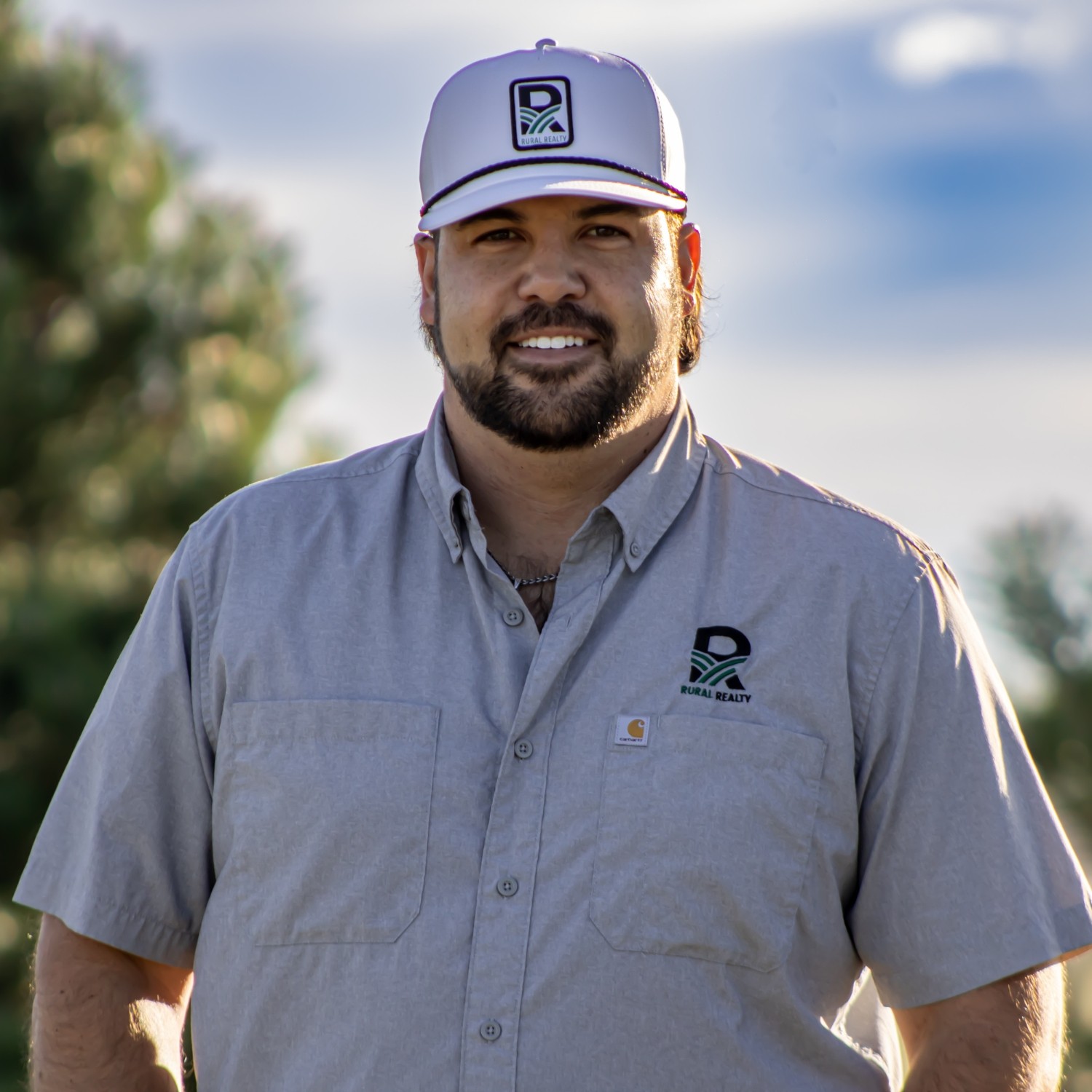
Alec Horton founded Rural Realty in 2025 to help Western Kansas landowners navigate the complexities of buying and selling rural properties with confidence. Born and raised in Leoti, Alec comes from four generations of farmers, giving him a deep understanding of the land and the people who work it. After 16 years of buying and selling agricultural land for his own family’s farm, he saw firsthand the challenges landowners face—uncertain pricing, complex transactions, and a lack of dedicated rural real estate expertise. Determined to bridge that gap, he launched Rural Realty to provide honest, knowledgeable, and personalized service to farmers, ranchers, and investors. As a licensed land broker, Alec and his team brings local insight, industry expertise, and a passion for helping clients achieve their landownership goals.
Meet the Founder of Rural Realty
Alec Horton
Alec Horton founded Rural Realty in 2025 to give landowners across Western Kansas a trusted partner in buying and selling rural properties. A fourth-generation farmer from Leoti with 16 years of experience in agricultural land deals, Alec saw the need for a brokerage that truly understands the land and the people who work it. With a deep knowledge of local markets and a commitment to honest, personalized service, Rural Realty helps farmers, ranchers, and investors navigate complex transactions with confidence.
Meet the Founder of Rural Realty
Alec Horton
Alec Horton founded Rural Realty in 2025 to help Western Kansas landowners navigate the complexities of buying and selling rural properties with confidence. Born and raised in Leoti, Alec comes from four generations of farmers, giving him a deep understanding of the land and the people who work it. After 16 years of buying and selling agricultural land for his own family’s farm, he saw firsthand the challenges landowners face—uncertain pricing, complex transactions, and a lack of dedicated rural real estate expertise. Determined to bridge that gap, he launched Rural Realty to provide honest, knowledgeable, and personalized service to farmers, ranchers, and investors. As a licensed land broker, Alec and his team brings local insight, industry expertise, and a passion for helping clients achieve their landownership goals.
Farm Experience You Can Trust
Local Knowledge. Proven Results.
46+
2023-2025 Farm Transactions
18+
Years of Farmland Experience
700+
Network of Kansas Farmers
Farm Experience You Can Trust
Local Knowledge. Proven Results.
46+
2023-2025 Farm Transactions
18+
Years of Farmland Experience
700+
Network of Kansas Farmers
Farm Experience You Can Trust
Local Knowledge. Proven Results.
46+
2023-2025 Farm Transactions
18+
Years of Farmland Experience
700+
Network of Kansas Farmers
Rural Realty Services
Comprehensive Farmland Services
Explore the Comprehensive Real Estate Solutions for Kansas farmers, landowners, families, and investors at Rural Realty

Buy a Farm
Expert guidance in finding the perfect agricultural property.
Sell Your Farm
Strategic marketing and valuation for maximum return.

Land Valuation
Receive an accurate property valuation to inform your decisions.
Rural Realty Services
Comprehensive Farmland Services
Explore the Comprehensive Real Estate Solutions for Kansas farmers, landowners, families, and investors at Rural Realty
Buy a Farm
Expert guidance in finding the perfect agricultural property.
Sell Your Farm
Strategic marketing and valuation for maximum return.
Land Valuation
Receive an accurate property valuation to inform your decisions.
Rural Realty Services
Comprehensive Farmland Services
Explore the Comprehensive Real Estate Solutions for Kansas farmers, landowners, families, and investors at Rural Realty
Buy a Farm
Expert guidance in finding the perfect agricultural property.
Sell Your Farm
Strategic marketing and valuation for maximum return.
Land Valuation
Receive an accurate property valuation to inform your decisions.
Kansas Property Expertise
From farmland to family homes, Rural Realty brings generations of local expertise to every real estate transaction.
Kansas
Rural Homes
Rural Realty helps families find their perfect country property, specializing in homes with acreage across Kansas.

Kansas
Farmland
With over four generations of farming experience, Rural Realty brings unique insight to every agricultural land transaction.

Kansas
Ranchland
Rural Realty's deep understanding of ranch operations helps buyers and sellers make confident decisions about ranching properties.

Kansas
Hunting Properties
Rural Realty combines recreational value with agricultural opportunities to maximize returns on hunting property investments.

Kansas
Commercial Properties
From retail spaces to agricultural warehouses, Rural Realty guides clients through every commercial real estate transaction.

Kansas Property Expertise
From farmland to family homes, Rural Realty brings generations of local expertise to every real estate transaction.
Kansas
Rural Homes
Rural Realty helps families find their perfect country property, specializing in homes with acreage across Kansas.
Kansas
Farmland
With over four generations of farming experience, Rural Realty brings unique insight to every agricultural land transaction.
Kansas
Ranchland
Rural Realty's deep understanding of ranch operations helps buyers and sellers make confident decisions about ranching properties.
Kansas
Hunting Properties
Rural Realty combines recreational value with agricultural opportunities to maximize returns on hunting property investments.
Kansas
Commercial Properties
From retail spaces to agricultural warehouses, Rural Realty guides clients through every commercial real estate transaction.
Kansas Property Expertise
From farmland to family homes, Rural Realty brings generations of local expertise to every real estate transaction.
Kansas
Rural Homes
Rural Realty helps families find their perfect country property, specializing in homes with acreage across Kansas.
Kansas
Farmland
With over four generations of farming experience, Rural Realty brings unique insight to every agricultural land transaction.
Kansas
Ranchland
Rural Realty's deep understanding of ranch operations helps buyers and sellers make confident decisions about ranching properties.
Kansas
Hunting Properties
Rural Realty combines recreational value with agricultural opportunities to maximize returns on hunting property investments.
Kansas
Commercial Properties
From retail spaces to agricultural warehouses, Rural Realty guides clients through every commercial real estate transaction.
Ready to Buy or Sell Your Farm in Kansas?
Contact Rural Realty today for a personalized consultation about your farmland goals. Your agricultural future starts with the right land real estate agent.
Find an Agent in your Area
Contact Rural Realty
Find an Agent in your Area
Ready to Buy or Sell Your Farm in Kansas?
Contact Rural Realty today for a personalized consultation about your farmland goals. Your agricultural future starts with the right land real estate agent.
Find an Agent in your Area