Deciding Between Kansas Ranch Land and Row-Crop Farmland
Alec Horton
•
Rural Realty
•

Choosing the Right Kansas Ground for Your Goals
Deciding between Kansas ranch land and row-crop farmland is a big choice. Both can be good long-term assets, but they fit very different families and goals. One person might stand on a Flint Hills pasture, loving the rolling grass and quiet, while another walks a high-producing quarter near Garden City, thinking about yields and grain checks. The right answer depends on what you want your land to do for you.
Summer is a helpful time to compare ranch land for sale with row-crop ground. Wheat is usually cut, corn and sorghum are growing, and grass conditions are easy to see. Leases are often clearer right after harvest too, so you can see who is farming or grazing and how that might carry into future years. Our goal is to help you sort out your financial, lifestyle, and legacy goals so the difference between ranch and farm ground feels clearer, not more confusing.
At Rural Realty, we live and work in Western Kansas, and our team comes from generations of farm and ranch families. We have seen how different types of land shape a family’s daily life and long-term wealth. The guidance below comes from that experience on real Kansas dirt.
Clarifying Your Long-Term Land Ownership Vision
Before comparing one property to another, it helps to answer a simple question: What is the main reason you want to own land?
Most buyers find their purpose fits one of these common buckets:
Investment only, with a renter running the operation
An ag operation that you or your family will manage yourselves
A recreational retreat for hunting, fishing, or weekend time away
A place to build a home, retire, and maybe run a smaller operation
We also tend to see three common buyer profiles in Kansas land purchases:
Local producers growing an existing farm or ranch
Out-of-area investors looking for stable, long-term returns
Families wanting hunting tracts or rural homes on acreage
Your time horizon matters too. If you care most about short-term cash flow, row-crop acres with strong tenants and established leases may look more appealing. If you are thinking more about a 20- to 30-year plan, including wealth building and how the land fits your life, ranch land for sale with steady grazing income and strong grass might come out ahead.
It also helps to think through family and legacy questions early, because they can change what “best” looks like. Consider the realities of family succession and who might take over operations, how simple or complex it will be to split or keep the land in an estate plan, and whether you want future generations raising cattle, farming irrigated circles, or focusing on recreation.
Working ranches can be easier to keep intact for grazing and hunting over time. Irrigated or high-quality dryland crop ground can be attractive for heirs who want a more hands-off, rent-based income stream. Neither option is better for every family, but they feel different when the land passes from one generation to the next.
Financial Upside of Ranch Land Versus Row-Crop Acres
Ranch land and row-crop ground both offer income potential, but the way the money comes in is not the same.
Typical income patterns look like this:
Row-crop farmland often brings income through cash rent or crop-share leases on corn, wheat, sorghum, soybeans, or other crops
Income can change more from year to year, based on yields and grain prices
Ranch land usually earns money from grazing leases, either per head or per acre
Grazing income often feels steadier but may be lower per acre than top-end crop ground
Even if you plan to lease the land out, cost structures still matter because they shape how tenants operate and what they can afford to pay. On crop ground, your tenant is usually dealing with major operating inputs and variable costs such as equipment, fuel, repairs, fertilizer, seed, chemicals, and (where water is involved) irrigation power and maintenance.
On ranch land, the ongoing needs are typically more infrastructure- and management-focused. The main recurring costs are usually tied to fencing and gates, water sources like wells, windmills, or tanks, and the grazing management systems that often include cross-fencing.
Risk looks different as well. Row-crop income can swing with weather events and quick moves in commodity markets. Well-managed ranches can sometimes handle dry periods better, especially with native grass and good water, and can offer more consistent stocking over time, even if stocking rates need to adjust in a drought.
Appreciation potential also has its own drivers. In Western Kansas, factors that can support row-crop values include:
Proximity to grain elevators, feedlots, and packing plants
Good soil types and strong yield history
Reliable water where irrigation is present
Ranch land can see value driven by:
Scenic views and wide-open feel
Strong wildlife habitat and hunting appeal
Large, contiguous acreages that are hard to piece together later
Lifestyle, Recreation, and Daily Use of the Land
Numbers are important, but so is how a place feels when you step out of the truck.
Ranch land often means:
Big skies, rolling grass, and a quiet pace
Longer drives to town, but more privacy and seclusion
Space to ride, hike, and watch wildlife
Row-crop ground is more likely to be:
Closer to towns, services, and paved roads
Surrounded by more day-to-day farm activity
Easier for frequent visits if you live in or near a nearby town
Recreation is another big factor. Ranches and mixed-use tracts tend to offer:
Better deer, upland bird, and turkey hunting
Creek bottoms, draws, and ponds for fishing or livestock water
Natural cover that appeals to both cattle and wildlife
Crop farms can still offer good hunting, especially where there are shelterbelts, waterways, and pockets of grass, but they sometimes need more intentional habitat work to reach their full potential.
If you plan to build a rural home, you will want to consider several practical items that can affect comfort, access, and long-term value:
House location for wind protection, water access, and views
Access roads and possible zoning or building rules
How taking acres out of production on irrigated land impacts long-term use and value
Summer is a great time to walk both ranch and farm ground. You can see shade and water for cattle, judge how cattle are using the grass, check crop health, and get a feel for how easy it is to reach the property in hot, dry conditions.
Practical Buying Differences in Western Kansas
Due diligence looks different for ranch land and row-crop farms, especially in Western Kansas.
For row-crop farmland, a careful buyer will want to review:
Farm Service Agency maps
Soil types and general productivity patterns
Historical yields and any available crop insurance records
Water rights and irrigation wells where they exist
Existing leases that may cover future crop years
For ranch land, important checks include:
Stocking rates and actual carrying capacity over time
Grass species and pasture condition
Fences, corrals, and working facilities
Water sources such as wells, ponds, windmills, or pipelines
Any conservation easements or CRP contracts that limit or guide use
Access and distance can feel different between a well-located farm and a more remote ranch, so it helps to look beyond the map and think about real travel and hauling patterns. Road quality, weather access, and distance to nearby infrastructure can shape both convenience and operating costs, including how far it is to:
Grain markets and elevators
Sale barns and feedlots
Feed stores and input suppliers
Local knowledge has real value here. People who live and work on Western Kansas land know where soils turn marginal, which bottoms tend to flood, and where neighbor access agreements exist. They also have a feel for the real carrying capacity of a ranch beyond what is written on a listing sheet.
Next Steps to Compare Kansas Properties with Confidence
Once you are clear on your goals, it can help to write them into a simple checklist. Include items like:
Income needs and acceptable risk
Desired recreation like deer, birds, or fishing
Distance from town and services
Willingness to manage operations or work with tenants
Plans for future homesites or family use
Use that checklist when walking both ranch land for sale and row-crop farms. Try to see ground in different seasons if you can. Walking grass and crops in midsummer shows growth, shade, and water. A late fall or winter visit may reveal erosion paths, water flow, and wildlife travel routes that are harder to see in heavy vegetation.
At Rural Realty, our roots are in Western Kansas farms and ranches, and we focus on helping buyers sort out what actually fits their life. Some buyers end up happiest with a working cattle ranch, others with a high-yielding quarter, and some with a blend of farm and pasture that does a little of both. With clear priorities and local guidance, you can choose Kansas ground that supports your finances, your lifestyle, and the legacy you hope to leave behind.
Find Your Ideal Ranch Property With Local Experts
If you are ready to own wide-open space for cattle, farming, or recreation, we are here to help you take the next step. Explore our current ranch land for sale listings to see properties that match your goals and budget. At Rural Realty, we use our local knowledge and straightforward guidance to help you make confident land decisions. Reach out today so we can walk you through available options and the purchase process from start to finish.

Alec Horton- Licensed KS Broker
Weekly Newsletter Update!
Join the Newsletter to Receive Kansas Market Updates
Stay up-to-date with the latest land prices, properties for sale, and tips for managing and selling your farm!
Blog Articles

Unexpected Income Streams on Kansas Ranch Land for Sale
Alec Horton
Learn More

Evaluating Kansas Farmland Rental History Before You Buy
Alec Horton
Learn More

Kansas Ranch Listing Terms: Stocking Rate, AUMs, Carrying Capacity
Alec Horton
Learn More

Leasing vs. Selling Kansas Farmland: Choosing the Right Path
Alec Horton
Learn More

Reading Kansas Land Listings When You Want Hunting Income
Alec Horton
Learn More
Deciding Between Kansas Ranch Land and Row-Crop Farmland
Alec Horton
•
Rural Realty
Choosing the Right Kansas Ground for Your Goals
Deciding between Kansas ranch land and row-crop farmland is a big choice. Both can be good long-term assets, but they fit very different families and goals. One person might stand on a Flint Hills pasture, loving the rolling grass and quiet, while another walks a high-producing quarter near Garden City, thinking about yields and grain checks. The right answer depends on what you want your land to do for you.
Summer is a helpful time to compare ranch land for sale with row-crop ground. Wheat is usually cut, corn and sorghum are growing, and grass conditions are easy to see. Leases are often clearer right after harvest too, so you can see who is farming or grazing and how that might carry into future years. Our goal is to help you sort out your financial, lifestyle, and legacy goals so the difference between ranch and farm ground feels clearer, not more confusing.
At Rural Realty, we live and work in Western Kansas, and our team comes from generations of farm and ranch families. We have seen how different types of land shape a family’s daily life and long-term wealth. The guidance below comes from that experience on real Kansas dirt.
Clarifying Your Long-Term Land Ownership Vision
Before comparing one property to another, it helps to answer a simple question: What is the main reason you want to own land?
Most buyers find their purpose fits one of these common buckets:
Investment only, with a renter running the operation
An ag operation that you or your family will manage yourselves
A recreational retreat for hunting, fishing, or weekend time away
A place to build a home, retire, and maybe run a smaller operation
We also tend to see three common buyer profiles in Kansas land purchases:
Local producers growing an existing farm or ranch
Out-of-area investors looking for stable, long-term returns
Families wanting hunting tracts or rural homes on acreage
Your time horizon matters too. If you care most about short-term cash flow, row-crop acres with strong tenants and established leases may look more appealing. If you are thinking more about a 20- to 30-year plan, including wealth building and how the land fits your life, ranch land for sale with steady grazing income and strong grass might come out ahead.
It also helps to think through family and legacy questions early, because they can change what “best” looks like. Consider the realities of family succession and who might take over operations, how simple or complex it will be to split or keep the land in an estate plan, and whether you want future generations raising cattle, farming irrigated circles, or focusing on recreation.
Working ranches can be easier to keep intact for grazing and hunting over time. Irrigated or high-quality dryland crop ground can be attractive for heirs who want a more hands-off, rent-based income stream. Neither option is better for every family, but they feel different when the land passes from one generation to the next.
Financial Upside of Ranch Land Versus Row-Crop Acres
Ranch land and row-crop ground both offer income potential, but the way the money comes in is not the same.
Typical income patterns look like this:
Row-crop farmland often brings income through cash rent or crop-share leases on corn, wheat, sorghum, soybeans, or other crops
Income can change more from year to year, based on yields and grain prices
Ranch land usually earns money from grazing leases, either per head or per acre
Grazing income often feels steadier but may be lower per acre than top-end crop ground
Even if you plan to lease the land out, cost structures still matter because they shape how tenants operate and what they can afford to pay. On crop ground, your tenant is usually dealing with major operating inputs and variable costs such as equipment, fuel, repairs, fertilizer, seed, chemicals, and (where water is involved) irrigation power and maintenance.
On ranch land, the ongoing needs are typically more infrastructure- and management-focused. The main recurring costs are usually tied to fencing and gates, water sources like wells, windmills, or tanks, and the grazing management systems that often include cross-fencing.
Risk looks different as well. Row-crop income can swing with weather events and quick moves in commodity markets. Well-managed ranches can sometimes handle dry periods better, especially with native grass and good water, and can offer more consistent stocking over time, even if stocking rates need to adjust in a drought.
Appreciation potential also has its own drivers. In Western Kansas, factors that can support row-crop values include:
Proximity to grain elevators, feedlots, and packing plants
Good soil types and strong yield history
Reliable water where irrigation is present
Ranch land can see value driven by:
Scenic views and wide-open feel
Strong wildlife habitat and hunting appeal
Large, contiguous acreages that are hard to piece together later
Lifestyle, Recreation, and Daily Use of the Land
Numbers are important, but so is how a place feels when you step out of the truck.
Ranch land often means:
Big skies, rolling grass, and a quiet pace
Longer drives to town, but more privacy and seclusion
Space to ride, hike, and watch wildlife
Row-crop ground is more likely to be:
Closer to towns, services, and paved roads
Surrounded by more day-to-day farm activity
Easier for frequent visits if you live in or near a nearby town
Recreation is another big factor. Ranches and mixed-use tracts tend to offer:
Better deer, upland bird, and turkey hunting
Creek bottoms, draws, and ponds for fishing or livestock water
Natural cover that appeals to both cattle and wildlife
Crop farms can still offer good hunting, especially where there are shelterbelts, waterways, and pockets of grass, but they sometimes need more intentional habitat work to reach their full potential.
If you plan to build a rural home, you will want to consider several practical items that can affect comfort, access, and long-term value:
House location for wind protection, water access, and views
Access roads and possible zoning or building rules
How taking acres out of production on irrigated land impacts long-term use and value
Summer is a great time to walk both ranch and farm ground. You can see shade and water for cattle, judge how cattle are using the grass, check crop health, and get a feel for how easy it is to reach the property in hot, dry conditions.
Practical Buying Differences in Western Kansas
Due diligence looks different for ranch land and row-crop farms, especially in Western Kansas.
For row-crop farmland, a careful buyer will want to review:
Farm Service Agency maps
Soil types and general productivity patterns
Historical yields and any available crop insurance records
Water rights and irrigation wells where they exist
Existing leases that may cover future crop years
For ranch land, important checks include:
Stocking rates and actual carrying capacity over time
Grass species and pasture condition
Fences, corrals, and working facilities
Water sources such as wells, ponds, windmills, or pipelines
Any conservation easements or CRP contracts that limit or guide use
Access and distance can feel different between a well-located farm and a more remote ranch, so it helps to look beyond the map and think about real travel and hauling patterns. Road quality, weather access, and distance to nearby infrastructure can shape both convenience and operating costs, including how far it is to:
Grain markets and elevators
Sale barns and feedlots
Feed stores and input suppliers
Local knowledge has real value here. People who live and work on Western Kansas land know where soils turn marginal, which bottoms tend to flood, and where neighbor access agreements exist. They also have a feel for the real carrying capacity of a ranch beyond what is written on a listing sheet.
Next Steps to Compare Kansas Properties with Confidence
Once you are clear on your goals, it can help to write them into a simple checklist. Include items like:
Income needs and acceptable risk
Desired recreation like deer, birds, or fishing
Distance from town and services
Willingness to manage operations or work with tenants
Plans for future homesites or family use
Use that checklist when walking both ranch land for sale and row-crop farms. Try to see ground in different seasons if you can. Walking grass and crops in midsummer shows growth, shade, and water. A late fall or winter visit may reveal erosion paths, water flow, and wildlife travel routes that are harder to see in heavy vegetation.
At Rural Realty, our roots are in Western Kansas farms and ranches, and we focus on helping buyers sort out what actually fits their life. Some buyers end up happiest with a working cattle ranch, others with a high-yielding quarter, and some with a blend of farm and pasture that does a little of both. With clear priorities and local guidance, you can choose Kansas ground that supports your finances, your lifestyle, and the legacy you hope to leave behind.
Find Your Ideal Ranch Property With Local Experts
If you are ready to own wide-open space for cattle, farming, or recreation, we are here to help you take the next step. Explore our current ranch land for sale listings to see properties that match your goals and budget. At Rural Realty, we use our local knowledge and straightforward guidance to help you make confident land decisions. Reach out today so we can walk you through available options and the purchase process from start to finish.
Deciding Between Kansas Ranch Land and Row-Crop Farmland
Alec Horton
•
Rural Realty
•
Choosing the Right Kansas Ground for Your Goals
Deciding between Kansas ranch land and row-crop farmland is a big choice. Both can be good long-term assets, but they fit very different families and goals. One person might stand on a Flint Hills pasture, loving the rolling grass and quiet, while another walks a high-producing quarter near Garden City, thinking about yields and grain checks. The right answer depends on what you want your land to do for you.
Summer is a helpful time to compare ranch land for sale with row-crop ground. Wheat is usually cut, corn and sorghum are growing, and grass conditions are easy to see. Leases are often clearer right after harvest too, so you can see who is farming or grazing and how that might carry into future years. Our goal is to help you sort out your financial, lifestyle, and legacy goals so the difference between ranch and farm ground feels clearer, not more confusing.
At Rural Realty, we live and work in Western Kansas, and our team comes from generations of farm and ranch families. We have seen how different types of land shape a family’s daily life and long-term wealth. The guidance below comes from that experience on real Kansas dirt.
Clarifying Your Long-Term Land Ownership Vision
Before comparing one property to another, it helps to answer a simple question: What is the main reason you want to own land?
Most buyers find their purpose fits one of these common buckets:
Investment only, with a renter running the operation
An ag operation that you or your family will manage yourselves
A recreational retreat for hunting, fishing, or weekend time away
A place to build a home, retire, and maybe run a smaller operation
We also tend to see three common buyer profiles in Kansas land purchases:
Local producers growing an existing farm or ranch
Out-of-area investors looking for stable, long-term returns
Families wanting hunting tracts or rural homes on acreage
Your time horizon matters too. If you care most about short-term cash flow, row-crop acres with strong tenants and established leases may look more appealing. If you are thinking more about a 20- to 30-year plan, including wealth building and how the land fits your life, ranch land for sale with steady grazing income and strong grass might come out ahead.
It also helps to think through family and legacy questions early, because they can change what “best” looks like. Consider the realities of family succession and who might take over operations, how simple or complex it will be to split or keep the land in an estate plan, and whether you want future generations raising cattle, farming irrigated circles, or focusing on recreation.
Working ranches can be easier to keep intact for grazing and hunting over time. Irrigated or high-quality dryland crop ground can be attractive for heirs who want a more hands-off, rent-based income stream. Neither option is better for every family, but they feel different when the land passes from one generation to the next.
Financial Upside of Ranch Land Versus Row-Crop Acres
Ranch land and row-crop ground both offer income potential, but the way the money comes in is not the same.
Typical income patterns look like this:
Row-crop farmland often brings income through cash rent or crop-share leases on corn, wheat, sorghum, soybeans, or other crops
Income can change more from year to year, based on yields and grain prices
Ranch land usually earns money from grazing leases, either per head or per acre
Grazing income often feels steadier but may be lower per acre than top-end crop ground
Even if you plan to lease the land out, cost structures still matter because they shape how tenants operate and what they can afford to pay. On crop ground, your tenant is usually dealing with major operating inputs and variable costs such as equipment, fuel, repairs, fertilizer, seed, chemicals, and (where water is involved) irrigation power and maintenance.
On ranch land, the ongoing needs are typically more infrastructure- and management-focused. The main recurring costs are usually tied to fencing and gates, water sources like wells, windmills, or tanks, and the grazing management systems that often include cross-fencing.
Risk looks different as well. Row-crop income can swing with weather events and quick moves in commodity markets. Well-managed ranches can sometimes handle dry periods better, especially with native grass and good water, and can offer more consistent stocking over time, even if stocking rates need to adjust in a drought.
Appreciation potential also has its own drivers. In Western Kansas, factors that can support row-crop values include:
Proximity to grain elevators, feedlots, and packing plants
Good soil types and strong yield history
Reliable water where irrigation is present
Ranch land can see value driven by:
Scenic views and wide-open feel
Strong wildlife habitat and hunting appeal
Large, contiguous acreages that are hard to piece together later
Lifestyle, Recreation, and Daily Use of the Land
Numbers are important, but so is how a place feels when you step out of the truck.
Ranch land often means:
Big skies, rolling grass, and a quiet pace
Longer drives to town, but more privacy and seclusion
Space to ride, hike, and watch wildlife
Row-crop ground is more likely to be:
Closer to towns, services, and paved roads
Surrounded by more day-to-day farm activity
Easier for frequent visits if you live in or near a nearby town
Recreation is another big factor. Ranches and mixed-use tracts tend to offer:
Better deer, upland bird, and turkey hunting
Creek bottoms, draws, and ponds for fishing or livestock water
Natural cover that appeals to both cattle and wildlife
Crop farms can still offer good hunting, especially where there are shelterbelts, waterways, and pockets of grass, but they sometimes need more intentional habitat work to reach their full potential.
If you plan to build a rural home, you will want to consider several practical items that can affect comfort, access, and long-term value:
House location for wind protection, water access, and views
Access roads and possible zoning or building rules
How taking acres out of production on irrigated land impacts long-term use and value
Summer is a great time to walk both ranch and farm ground. You can see shade and water for cattle, judge how cattle are using the grass, check crop health, and get a feel for how easy it is to reach the property in hot, dry conditions.
Practical Buying Differences in Western Kansas
Due diligence looks different for ranch land and row-crop farms, especially in Western Kansas.
For row-crop farmland, a careful buyer will want to review:
Farm Service Agency maps
Soil types and general productivity patterns
Historical yields and any available crop insurance records
Water rights and irrigation wells where they exist
Existing leases that may cover future crop years
For ranch land, important checks include:
Stocking rates and actual carrying capacity over time
Grass species and pasture condition
Fences, corrals, and working facilities
Water sources such as wells, ponds, windmills, or pipelines
Any conservation easements or CRP contracts that limit or guide use
Access and distance can feel different between a well-located farm and a more remote ranch, so it helps to look beyond the map and think about real travel and hauling patterns. Road quality, weather access, and distance to nearby infrastructure can shape both convenience and operating costs, including how far it is to:
Grain markets and elevators
Sale barns and feedlots
Feed stores and input suppliers
Local knowledge has real value here. People who live and work on Western Kansas land know where soils turn marginal, which bottoms tend to flood, and where neighbor access agreements exist. They also have a feel for the real carrying capacity of a ranch beyond what is written on a listing sheet.
Next Steps to Compare Kansas Properties with Confidence
Once you are clear on your goals, it can help to write them into a simple checklist. Include items like:
Income needs and acceptable risk
Desired recreation like deer, birds, or fishing
Distance from town and services
Willingness to manage operations or work with tenants
Plans for future homesites or family use
Use that checklist when walking both ranch land for sale and row-crop farms. Try to see ground in different seasons if you can. Walking grass and crops in midsummer shows growth, shade, and water. A late fall or winter visit may reveal erosion paths, water flow, and wildlife travel routes that are harder to see in heavy vegetation.
At Rural Realty, our roots are in Western Kansas farms and ranches, and we focus on helping buyers sort out what actually fits their life. Some buyers end up happiest with a working cattle ranch, others with a high-yielding quarter, and some with a blend of farm and pasture that does a little of both. With clear priorities and local guidance, you can choose Kansas ground that supports your finances, your lifestyle, and the legacy you hope to leave behind.
Find Your Ideal Ranch Property With Local Experts
If you are ready to own wide-open space for cattle, farming, or recreation, we are here to help you take the next step. Explore our current ranch land for sale listings to see properties that match your goals and budget. At Rural Realty, we use our local knowledge and straightforward guidance to help you make confident land decisions. Reach out today so we can walk you through available options and the purchase process from start to finish.
Meet the Founder of Rural Realty
Alec Horton
Alec Horton founded Rural Realty in 2025 to help Western Kansas landowners navigate the complexities of buying and selling rural properties with confidence. Born and raised in Leoti, Alec comes from four generations of farmers, giving him a deep understanding of the land and the people who work it. After 16 years of buying and selling agricultural land for his own family’s farm, he saw firsthand the challenges landowners face—uncertain pricing, complex transactions, and a lack of dedicated rural real estate expertise. Determined to bridge that gap, he launched Rural Realty to provide honest, knowledgeable, and personalized service to farmers, ranchers, and investors. As a licensed land broker, Alec and his team brings local insight, industry expertise, and a passion for helping clients achieve their landownership goals.

Meet the Founder of Rural Realty
Alec Horton
Alec Horton founded Rural Realty in 2025 to give landowners across Western Kansas a trusted partner in buying and selling rural properties. A fourth-generation farmer from Leoti with 16 years of experience in agricultural land deals, Alec saw the need for a brokerage that truly understands the land and the people who work it. With a deep knowledge of local markets and a commitment to honest, personalized service, Rural Realty helps farmers, ranchers, and investors navigate complex transactions with confidence.
Meet the Founder of Rural Realty
Alec Horton
Alec Horton founded Rural Realty in 2025 to help Western Kansas landowners navigate the complexities of buying and selling rural properties with confidence. Born and raised in Leoti, Alec comes from four generations of farmers, giving him a deep understanding of the land and the people who work it. After 16 years of buying and selling agricultural land for his own family’s farm, he saw firsthand the challenges landowners face—uncertain pricing, complex transactions, and a lack of dedicated rural real estate expertise. Determined to bridge that gap, he launched Rural Realty to provide honest, knowledgeable, and personalized service to farmers, ranchers, and investors. As a licensed land broker, Alec and his team brings local insight, industry expertise, and a passion for helping clients achieve their landownership goals.
Farm Experience You Can Trust
Local Knowledge. Proven Results.
46+
2023-2025 Farm Transactions
18+
Years of Farmland Experience
700+
Network of Kansas Farmers
Farm Experience You Can Trust
Local Knowledge. Proven Results.
46+
2023-2025 Farm Transactions
18+
Years of Farmland Experience
700+
Network of Kansas Farmers
Farm Experience You Can Trust
Local Knowledge. Proven Results.
46+
2023-2025 Farm Transactions
18+
Years of Farmland Experience
700+
Network of Kansas Farmers
Rural Realty Services
Comprehensive Farmland Services
Explore the Comprehensive Real Estate Solutions for Kansas farmers, landowners, families, and investors at Rural Realty
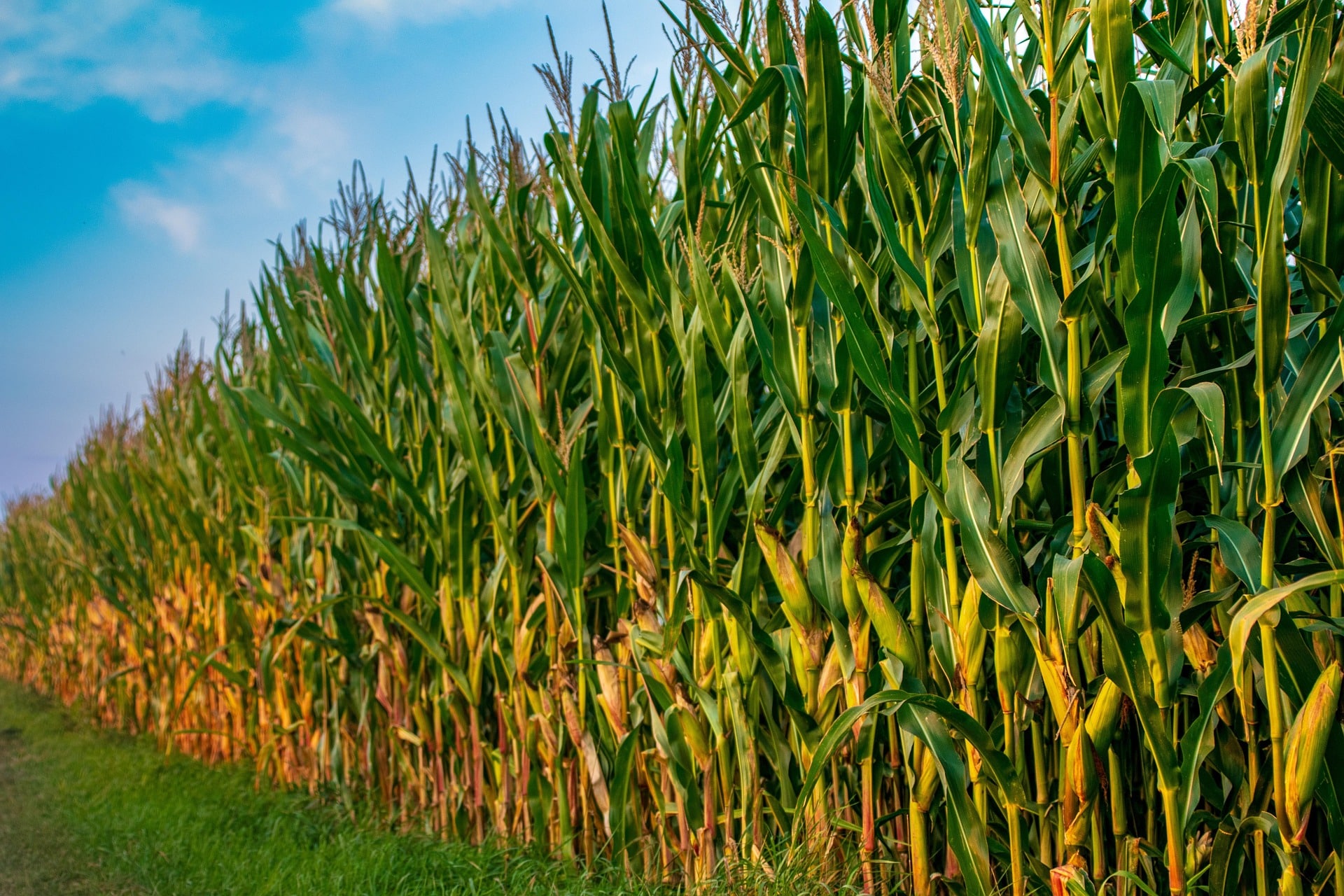
Buy a Farm
Expert guidance in finding the perfect agricultural property.
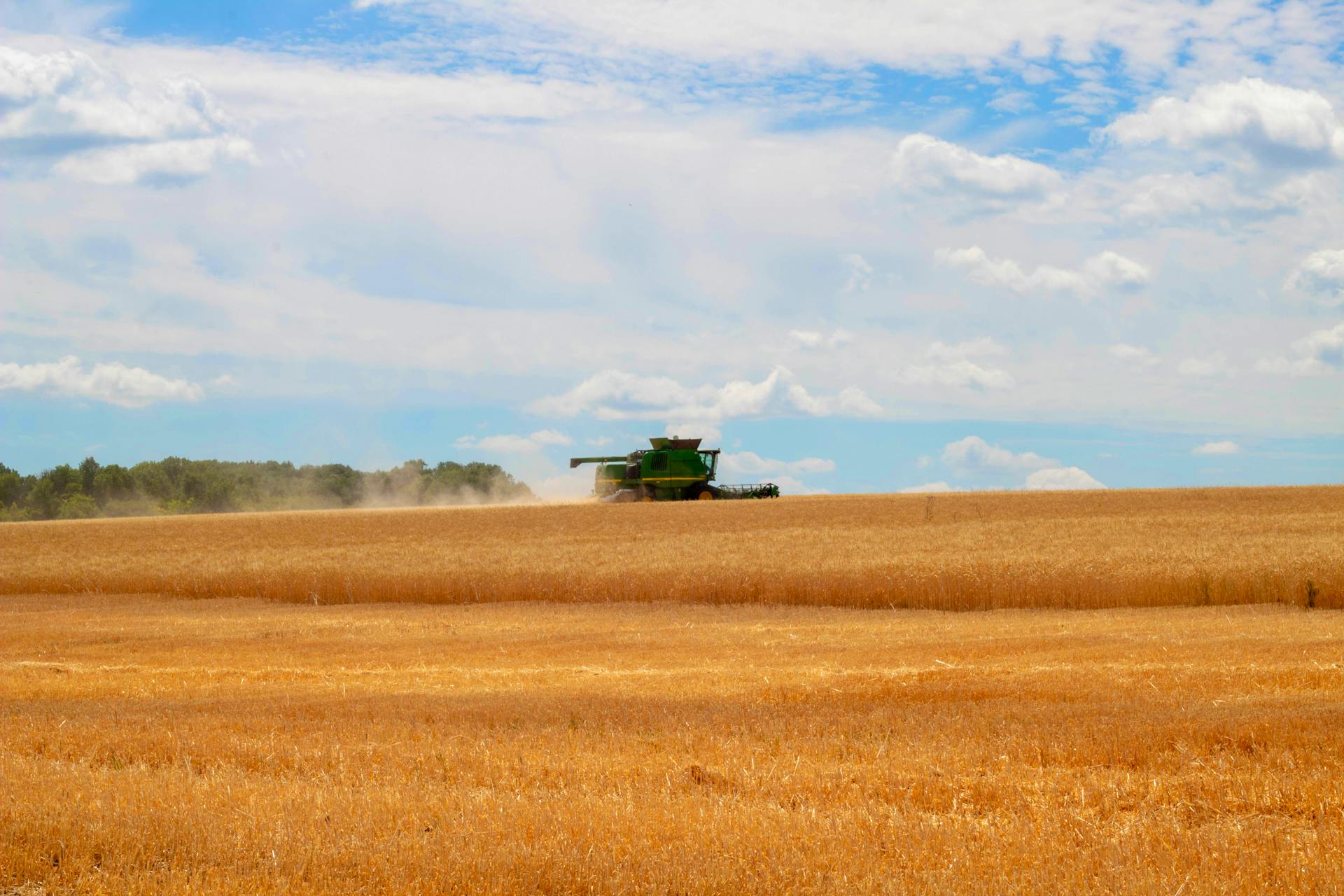
Sell Your Farm
Strategic marketing and valuation for maximum return.
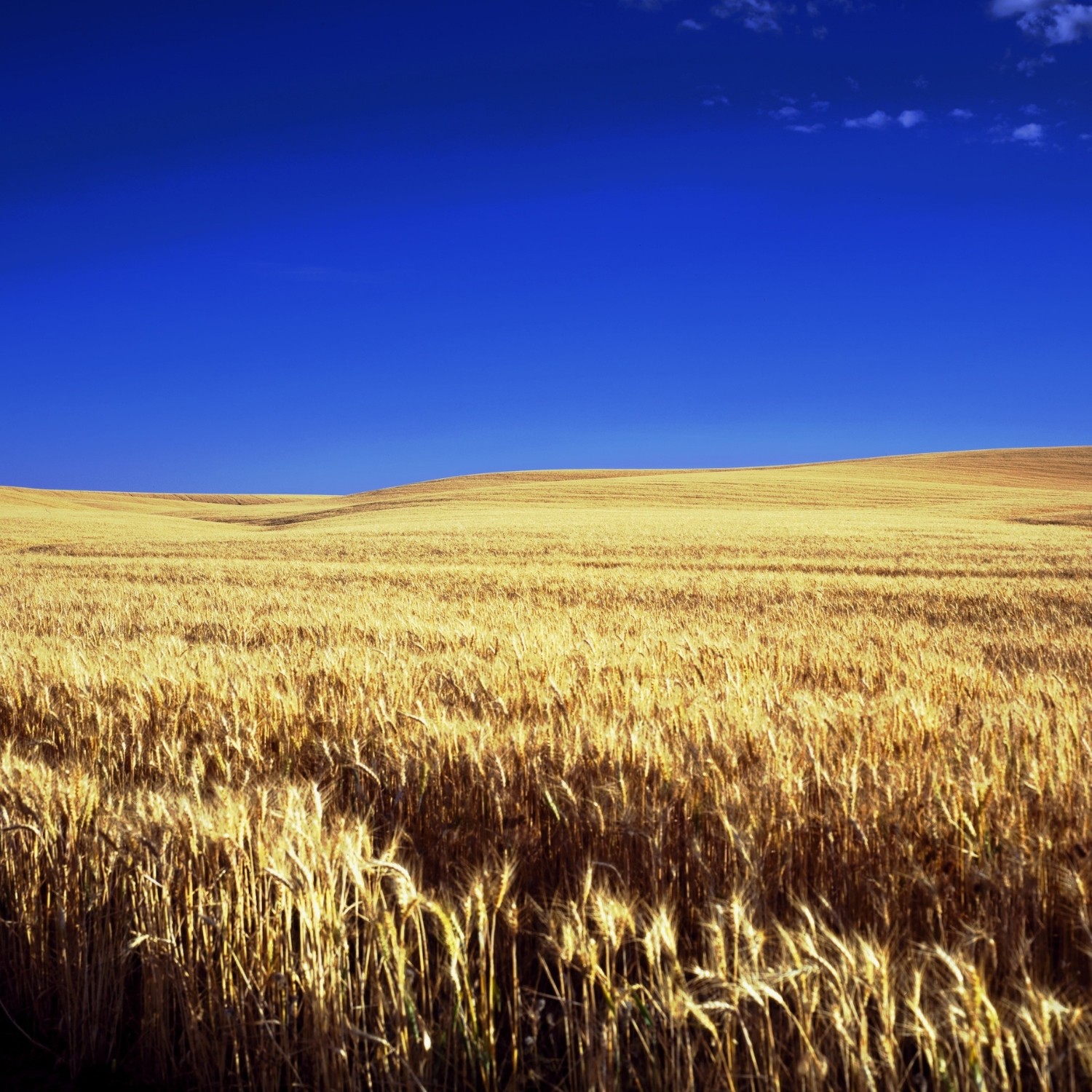
Land Valuation
Receive an accurate property valuation to inform your decisions.
Rural Realty Services
Comprehensive Farmland Services
Explore the Comprehensive Real Estate Solutions for Kansas farmers, landowners, families, and investors at Rural Realty
Buy a Farm
Expert guidance in finding the perfect agricultural property.
Sell Your Farm
Strategic marketing and valuation for maximum return.
Land Valuation
Receive an accurate property valuation to inform your decisions.
Rural Realty Services
Comprehensive Farmland Services
Explore the Comprehensive Real Estate Solutions for Kansas farmers, landowners, families, and investors at Rural Realty
Buy a Farm
Expert guidance in finding the perfect agricultural property.
Sell Your Farm
Strategic marketing and valuation for maximum return.
Land Valuation
Receive an accurate property valuation to inform your decisions.
Kansas Property Expertise
From farmland to family homes, Rural Realty brings generations of local expertise to every real estate transaction.
Kansas
Rural Homes
Rural Realty helps families find their perfect country property, specializing in homes with acreage across Kansas.

Kansas
Farmland
With over four generations of farming experience, Rural Realty brings unique insight to every agricultural land transaction.

Kansas
Ranchland
Rural Realty's deep understanding of ranch operations helps buyers and sellers make confident decisions about ranching properties.

Kansas
Hunting Properties
Rural Realty combines recreational value with agricultural opportunities to maximize returns on hunting property investments.

Kansas
Commercial Properties
From retail spaces to agricultural warehouses, Rural Realty guides clients through every commercial real estate transaction.

Kansas Property Expertise
From farmland to family homes, Rural Realty brings generations of local expertise to every real estate transaction.
Kansas
Rural Homes
Rural Realty helps families find their perfect country property, specializing in homes with acreage across Kansas.
Kansas
Farmland
With over four generations of farming experience, Rural Realty brings unique insight to every agricultural land transaction.
Kansas
Ranchland
Rural Realty's deep understanding of ranch operations helps buyers and sellers make confident decisions about ranching properties.
Kansas
Hunting Properties
Rural Realty combines recreational value with agricultural opportunities to maximize returns on hunting property investments.
Kansas
Commercial Properties
From retail spaces to agricultural warehouses, Rural Realty guides clients through every commercial real estate transaction.
Kansas Property Expertise
From farmland to family homes, Rural Realty brings generations of local expertise to every real estate transaction.
Kansas
Rural Homes
Rural Realty helps families find their perfect country property, specializing in homes with acreage across Kansas.
Kansas
Farmland
With over four generations of farming experience, Rural Realty brings unique insight to every agricultural land transaction.
Kansas
Ranchland
Rural Realty's deep understanding of ranch operations helps buyers and sellers make confident decisions about ranching properties.
Kansas
Hunting Properties
Rural Realty combines recreational value with agricultural opportunities to maximize returns on hunting property investments.
Kansas
Commercial Properties
From retail spaces to agricultural warehouses, Rural Realty guides clients through every commercial real estate transaction.
Ready to Buy or Sell Your Farm in Kansas?
Contact Rural Realty today for a personalized consultation about your farmland goals. Your agricultural future starts with the right land real estate agent.
Find an Agent in your Area
Contact Rural Realty
Find an Agent in your Area
Ready to Buy or Sell Your Farm in Kansas?
Contact Rural Realty today for a personalized consultation about your farmland goals. Your agricultural future starts with the right land real estate agent.
Find an Agent in your Area