Kansas Ranch Listing Terms: Stocking Rate, AUMs, Carrying Capacity
Alec Horton
•
Rural Realty
•

Decode Ranch Listings Before You Schedule a Tour
Buying ranch land for sale in Kansas is a big decision. Before you spend time and fuel driving to look at properties, it helps to understand the words used in those listings. Stocking rate, AUMs, carrying capacity, and notes about fence and water are not just filler. They are clues about what the ranch can really do for your cattle and your long-term plans.
When you know what these terms mean, you can compare ranches in a clear way. You can sort out which places match your herd size, your grazing season, and how you like to manage grass. You can also spot listings that sound good on paper but may not support what you want to run. Our goal here is to turn broker language into plain English so you can ask sharper questions and protect your investment.
What Stocking Rate Really Means for Your Cattle
Stocking rate is simply how many animals, or animal units, are on a certain number of acres for a set time. It is not just how many cows you see when you pull in the gate. It is usually written as animal units per acre, or acres per animal unit, over a grazing season.
In Kansas, a safe stocking rate changes with the weather and the year. Late summer heat, fall moisture, and how much winter feed is on hand all matter. A number that worked in a wet year may be too heavy in a dry stretch. That is why a single fixed rate with no context can be risky.
When you read a listing, pay attention to:
Stocking rate compared to soil type and rainfall zone
Whether the rate is based on year-round grazing or just warm-season
If the owner has been supplementing heavily with feed or hay
Red flags include a claimed stocking rate that feels high for shallow or sandy soils, especially in lower rainfall areas, with no mention of rotation or rest. On the other hand, it is a good sign if a seller is willing to share:
Historical grazing records by pasture or year
A rotation or rest plan they have been following
Notes on drought years and how they adjusted stocking
Those details tell you they have been thinking about grass health, not just short-term numbers.
AUMs and Carrying Capacity in Plain Language
An AUM, or Animal Unit Month, is the amount of forage a 1,000-pound animal, or an equivalent mix, needs for one month. It is a simple way to match grass supply to animal demand. When a listing shows total AUMs for a ranch, it is telling you how much grazing the place is expected to produce in an average year.
Carrying capacity is how many animals that ranch can support for a given length of time without hurting the grass. AUMs are the building blocks of that carrying capacity. You can use them to check if the place will hold the cow numbers you have in mind.
Here is a basic way to think about it:
Total ranch AUMs ÷ months you plan to graze = animal units you can run
Animal units can then be converted to your cow size and mix of pairs, bulls, or stockers
For example, if a listing states a certain number of AUMs and you want to graze for part of the year, you can see if your current herd fits inside that number with a little room to spare. If it does not, you may need to run fewer cows or shorten the season.
There is also a difference between current and potential carrying capacity:
Current capacity is what the ranch supports right now under the way it has been managed
Potential capacity is what it could support with better grazing plans, brush control, or seeding
Raising capacity takes time and planning. Overstocking from day one can set the grass back, hurt soil health, and drag down long-term property value. It is usually better to start a little light and grow into the place.
Evaluating Fence Condition Before You Make an Offer
Fence condition on ranch land for sale affects more than just how the place looks. It shapes how many acres you can actually use, how you rotate cattle, and how much work you will be doing after closing.
Common fence types on Kansas ranches include:
Barbed wire exterior fences
Woven wire in older or smaller pastures
Electric fences, single or multi-strand
Cross-fencing that splits big pastures into smaller paddocks
When you see words like “good,” “average,” or “older,” think about what that really means. “Good” might be tight wire, solid posts, and clear corners. “Average” could mean it holds cattle but will need work over time. “Older” often signals loose wire, rotted posts, and missing stays.
On a showing, keep a simple checklist:
Walk key-boundary stretches and compare to a survey map
Check corners, braces, and gates for leaning or rot
Look at water gaps on creeks or draws for washouts
Note where cross-fence lines help or hurt pasture flow
Every weak fence line is a future project. Those repair or replacement needs should be part of how you weigh the ranch and what you are willing to pay.
Water Infrastructure That Keeps Cattle and Wildlife Happy
In Kansas, water systems make or break the real carrying capacity of a ranch. Grass can look great, but if water is far apart or unreliable, you will not use that forage very well.
Key water pieces to look for are:
Ponds and lagoons
Creeks or seasonal draws
Rural water hookups
Wells, tanks, and pipeline systems
Rainfall patterns and winter freezes shape how each of these works over a full year. Shallow ponds may do fine in a wet spring then struggle in a hot, dry late summer. Wells and rural water can be more steady but still have limits. Tank placement also matters because cattle graze better when they do not have to walk long distances to drink.
Before you close on ranch land for sale, try to confirm:
Any water rights or agreements that affect supply
Well depth and production, and how it has held up in dry years
Pond depth, bank condition, and signs of heavy silt
How tanks are supplied and whether they have freeze protection
Where you might need extra tanks or short pipeline runs to support your herd
Strong water distribution often lets you rest pastures, rotate smarter, and use more of the ranch without stressing cattle.
Turn Listing Jargon Into a Smarter Ranch Offer
Stocking rate, AUMs, carrying capacity, fence quality, and water infrastructure all tie together. They tell you how many cows a Kansas ranch can truly support, for how long, and at what level of work and risk for you. When you read ranch land for sale listings through that lens, you can sort the solid, usable ranches from the ones that only look good in a short description.
Use these ideas to:
Ask better questions about how numbers were set
Run your own grazing plans for fall, winter, and beyond
Compare several ranches on what they can safely produce, not just price per acre
At Rural Realty, we live and work in Kansas ranch country and bring generations of local farm experience to every listing we handle. We are glad to walk properties with buyers, look over grazing records, and help match the right ranch to your cattle, hunting, or long-term investment goals.
Find Your Ideal Kansas Ranch Land With Local Experts
If you are ready to own wide-open acreage tailored to your goals, we are here to guide every step. Explore our current ranch land for sale listings to see properties that match your budget, location, and lifestyle needs. At Rural Realty, we use local insight and straightforward advice to help you evaluate each tract with confidence. Reach out today so we can talk through your plans and start narrowing in on the right piece of land for you.

Alec Horton- Licensed KS Broker
Weekly Newsletter Update!
Join the Newsletter to Receive Kansas Market Updates
Stay up-to-date with the latest land prices, properties for sale, and tips for managing and selling your farm!
Blog Articles

Unexpected Income Streams on Kansas Ranch Land for Sale
Alec Horton
Learn More

Evaluating Kansas Farmland Rental History Before You Buy
Alec Horton
Learn More

Leasing vs. Selling Kansas Farmland: Choosing the Right Path
Alec Horton
Learn More

Reading Kansas Land Listings When You Want Hunting Income
Alec Horton
Learn More

Weather Shifts That Quietly Change Kansas Farmland Value
Alec Horton
Learn More
Kansas Ranch Listing Terms: Stocking Rate, AUMs, Carrying Capacity
Alec Horton
•
Rural Realty
Decode Ranch Listings Before You Schedule a Tour
Buying ranch land for sale in Kansas is a big decision. Before you spend time and fuel driving to look at properties, it helps to understand the words used in those listings. Stocking rate, AUMs, carrying capacity, and notes about fence and water are not just filler. They are clues about what the ranch can really do for your cattle and your long-term plans.
When you know what these terms mean, you can compare ranches in a clear way. You can sort out which places match your herd size, your grazing season, and how you like to manage grass. You can also spot listings that sound good on paper but may not support what you want to run. Our goal here is to turn broker language into plain English so you can ask sharper questions and protect your investment.
What Stocking Rate Really Means for Your Cattle
Stocking rate is simply how many animals, or animal units, are on a certain number of acres for a set time. It is not just how many cows you see when you pull in the gate. It is usually written as animal units per acre, or acres per animal unit, over a grazing season.
In Kansas, a safe stocking rate changes with the weather and the year. Late summer heat, fall moisture, and how much winter feed is on hand all matter. A number that worked in a wet year may be too heavy in a dry stretch. That is why a single fixed rate with no context can be risky.
When you read a listing, pay attention to:
Stocking rate compared to soil type and rainfall zone
Whether the rate is based on year-round grazing or just warm-season
If the owner has been supplementing heavily with feed or hay
Red flags include a claimed stocking rate that feels high for shallow or sandy soils, especially in lower rainfall areas, with no mention of rotation or rest. On the other hand, it is a good sign if a seller is willing to share:
Historical grazing records by pasture or year
A rotation or rest plan they have been following
Notes on drought years and how they adjusted stocking
Those details tell you they have been thinking about grass health, not just short-term numbers.
AUMs and Carrying Capacity in Plain Language
An AUM, or Animal Unit Month, is the amount of forage a 1,000-pound animal, or an equivalent mix, needs for one month. It is a simple way to match grass supply to animal demand. When a listing shows total AUMs for a ranch, it is telling you how much grazing the place is expected to produce in an average year.
Carrying capacity is how many animals that ranch can support for a given length of time without hurting the grass. AUMs are the building blocks of that carrying capacity. You can use them to check if the place will hold the cow numbers you have in mind.
Here is a basic way to think about it:
Total ranch AUMs ÷ months you plan to graze = animal units you can run
Animal units can then be converted to your cow size and mix of pairs, bulls, or stockers
For example, if a listing states a certain number of AUMs and you want to graze for part of the year, you can see if your current herd fits inside that number with a little room to spare. If it does not, you may need to run fewer cows or shorten the season.
There is also a difference between current and potential carrying capacity:
Current capacity is what the ranch supports right now under the way it has been managed
Potential capacity is what it could support with better grazing plans, brush control, or seeding
Raising capacity takes time and planning. Overstocking from day one can set the grass back, hurt soil health, and drag down long-term property value. It is usually better to start a little light and grow into the place.
Evaluating Fence Condition Before You Make an Offer
Fence condition on ranch land for sale affects more than just how the place looks. It shapes how many acres you can actually use, how you rotate cattle, and how much work you will be doing after closing.
Common fence types on Kansas ranches include:
Barbed wire exterior fences
Woven wire in older or smaller pastures
Electric fences, single or multi-strand
Cross-fencing that splits big pastures into smaller paddocks
When you see words like “good,” “average,” or “older,” think about what that really means. “Good” might be tight wire, solid posts, and clear corners. “Average” could mean it holds cattle but will need work over time. “Older” often signals loose wire, rotted posts, and missing stays.
On a showing, keep a simple checklist:
Walk key-boundary stretches and compare to a survey map
Check corners, braces, and gates for leaning or rot
Look at water gaps on creeks or draws for washouts
Note where cross-fence lines help or hurt pasture flow
Every weak fence line is a future project. Those repair or replacement needs should be part of how you weigh the ranch and what you are willing to pay.
Water Infrastructure That Keeps Cattle and Wildlife Happy
In Kansas, water systems make or break the real carrying capacity of a ranch. Grass can look great, but if water is far apart or unreliable, you will not use that forage very well.
Key water pieces to look for are:
Ponds and lagoons
Creeks or seasonal draws
Rural water hookups
Wells, tanks, and pipeline systems
Rainfall patterns and winter freezes shape how each of these works over a full year. Shallow ponds may do fine in a wet spring then struggle in a hot, dry late summer. Wells and rural water can be more steady but still have limits. Tank placement also matters because cattle graze better when they do not have to walk long distances to drink.
Before you close on ranch land for sale, try to confirm:
Any water rights or agreements that affect supply
Well depth and production, and how it has held up in dry years
Pond depth, bank condition, and signs of heavy silt
How tanks are supplied and whether they have freeze protection
Where you might need extra tanks or short pipeline runs to support your herd
Strong water distribution often lets you rest pastures, rotate smarter, and use more of the ranch without stressing cattle.
Turn Listing Jargon Into a Smarter Ranch Offer
Stocking rate, AUMs, carrying capacity, fence quality, and water infrastructure all tie together. They tell you how many cows a Kansas ranch can truly support, for how long, and at what level of work and risk for you. When you read ranch land for sale listings through that lens, you can sort the solid, usable ranches from the ones that only look good in a short description.
Use these ideas to:
Ask better questions about how numbers were set
Run your own grazing plans for fall, winter, and beyond
Compare several ranches on what they can safely produce, not just price per acre
At Rural Realty, we live and work in Kansas ranch country and bring generations of local farm experience to every listing we handle. We are glad to walk properties with buyers, look over grazing records, and help match the right ranch to your cattle, hunting, or long-term investment goals.
Find Your Ideal Kansas Ranch Land With Local Experts
If you are ready to own wide-open acreage tailored to your goals, we are here to guide every step. Explore our current ranch land for sale listings to see properties that match your budget, location, and lifestyle needs. At Rural Realty, we use local insight and straightforward advice to help you evaluate each tract with confidence. Reach out today so we can talk through your plans and start narrowing in on the right piece of land for you.
Kansas Ranch Listing Terms: Stocking Rate, AUMs, Carrying Capacity
Alec Horton
•
Rural Realty
•
Decode Ranch Listings Before You Schedule a Tour
Buying ranch land for sale in Kansas is a big decision. Before you spend time and fuel driving to look at properties, it helps to understand the words used in those listings. Stocking rate, AUMs, carrying capacity, and notes about fence and water are not just filler. They are clues about what the ranch can really do for your cattle and your long-term plans.
When you know what these terms mean, you can compare ranches in a clear way. You can sort out which places match your herd size, your grazing season, and how you like to manage grass. You can also spot listings that sound good on paper but may not support what you want to run. Our goal here is to turn broker language into plain English so you can ask sharper questions and protect your investment.
What Stocking Rate Really Means for Your Cattle
Stocking rate is simply how many animals, or animal units, are on a certain number of acres for a set time. It is not just how many cows you see when you pull in the gate. It is usually written as animal units per acre, or acres per animal unit, over a grazing season.
In Kansas, a safe stocking rate changes with the weather and the year. Late summer heat, fall moisture, and how much winter feed is on hand all matter. A number that worked in a wet year may be too heavy in a dry stretch. That is why a single fixed rate with no context can be risky.
When you read a listing, pay attention to:
Stocking rate compared to soil type and rainfall zone
Whether the rate is based on year-round grazing or just warm-season
If the owner has been supplementing heavily with feed or hay
Red flags include a claimed stocking rate that feels high for shallow or sandy soils, especially in lower rainfall areas, with no mention of rotation or rest. On the other hand, it is a good sign if a seller is willing to share:
Historical grazing records by pasture or year
A rotation or rest plan they have been following
Notes on drought years and how they adjusted stocking
Those details tell you they have been thinking about grass health, not just short-term numbers.
AUMs and Carrying Capacity in Plain Language
An AUM, or Animal Unit Month, is the amount of forage a 1,000-pound animal, or an equivalent mix, needs for one month. It is a simple way to match grass supply to animal demand. When a listing shows total AUMs for a ranch, it is telling you how much grazing the place is expected to produce in an average year.
Carrying capacity is how many animals that ranch can support for a given length of time without hurting the grass. AUMs are the building blocks of that carrying capacity. You can use them to check if the place will hold the cow numbers you have in mind.
Here is a basic way to think about it:
Total ranch AUMs ÷ months you plan to graze = animal units you can run
Animal units can then be converted to your cow size and mix of pairs, bulls, or stockers
For example, if a listing states a certain number of AUMs and you want to graze for part of the year, you can see if your current herd fits inside that number with a little room to spare. If it does not, you may need to run fewer cows or shorten the season.
There is also a difference between current and potential carrying capacity:
Current capacity is what the ranch supports right now under the way it has been managed
Potential capacity is what it could support with better grazing plans, brush control, or seeding
Raising capacity takes time and planning. Overstocking from day one can set the grass back, hurt soil health, and drag down long-term property value. It is usually better to start a little light and grow into the place.
Evaluating Fence Condition Before You Make an Offer
Fence condition on ranch land for sale affects more than just how the place looks. It shapes how many acres you can actually use, how you rotate cattle, and how much work you will be doing after closing.
Common fence types on Kansas ranches include:
Barbed wire exterior fences
Woven wire in older or smaller pastures
Electric fences, single or multi-strand
Cross-fencing that splits big pastures into smaller paddocks
When you see words like “good,” “average,” or “older,” think about what that really means. “Good” might be tight wire, solid posts, and clear corners. “Average” could mean it holds cattle but will need work over time. “Older” often signals loose wire, rotted posts, and missing stays.
On a showing, keep a simple checklist:
Walk key-boundary stretches and compare to a survey map
Check corners, braces, and gates for leaning or rot
Look at water gaps on creeks or draws for washouts
Note where cross-fence lines help or hurt pasture flow
Every weak fence line is a future project. Those repair or replacement needs should be part of how you weigh the ranch and what you are willing to pay.
Water Infrastructure That Keeps Cattle and Wildlife Happy
In Kansas, water systems make or break the real carrying capacity of a ranch. Grass can look great, but if water is far apart or unreliable, you will not use that forage very well.
Key water pieces to look for are:
Ponds and lagoons
Creeks or seasonal draws
Rural water hookups
Wells, tanks, and pipeline systems
Rainfall patterns and winter freezes shape how each of these works over a full year. Shallow ponds may do fine in a wet spring then struggle in a hot, dry late summer. Wells and rural water can be more steady but still have limits. Tank placement also matters because cattle graze better when they do not have to walk long distances to drink.
Before you close on ranch land for sale, try to confirm:
Any water rights or agreements that affect supply
Well depth and production, and how it has held up in dry years
Pond depth, bank condition, and signs of heavy silt
How tanks are supplied and whether they have freeze protection
Where you might need extra tanks or short pipeline runs to support your herd
Strong water distribution often lets you rest pastures, rotate smarter, and use more of the ranch without stressing cattle.
Turn Listing Jargon Into a Smarter Ranch Offer
Stocking rate, AUMs, carrying capacity, fence quality, and water infrastructure all tie together. They tell you how many cows a Kansas ranch can truly support, for how long, and at what level of work and risk for you. When you read ranch land for sale listings through that lens, you can sort the solid, usable ranches from the ones that only look good in a short description.
Use these ideas to:
Ask better questions about how numbers were set
Run your own grazing plans for fall, winter, and beyond
Compare several ranches on what they can safely produce, not just price per acre
At Rural Realty, we live and work in Kansas ranch country and bring generations of local farm experience to every listing we handle. We are glad to walk properties with buyers, look over grazing records, and help match the right ranch to your cattle, hunting, or long-term investment goals.
Find Your Ideal Kansas Ranch Land With Local Experts
If you are ready to own wide-open acreage tailored to your goals, we are here to guide every step. Explore our current ranch land for sale listings to see properties that match your budget, location, and lifestyle needs. At Rural Realty, we use local insight and straightforward advice to help you evaluate each tract with confidence. Reach out today so we can talk through your plans and start narrowing in on the right piece of land for you.
Meet the Founder of Rural Realty
Alec Horton
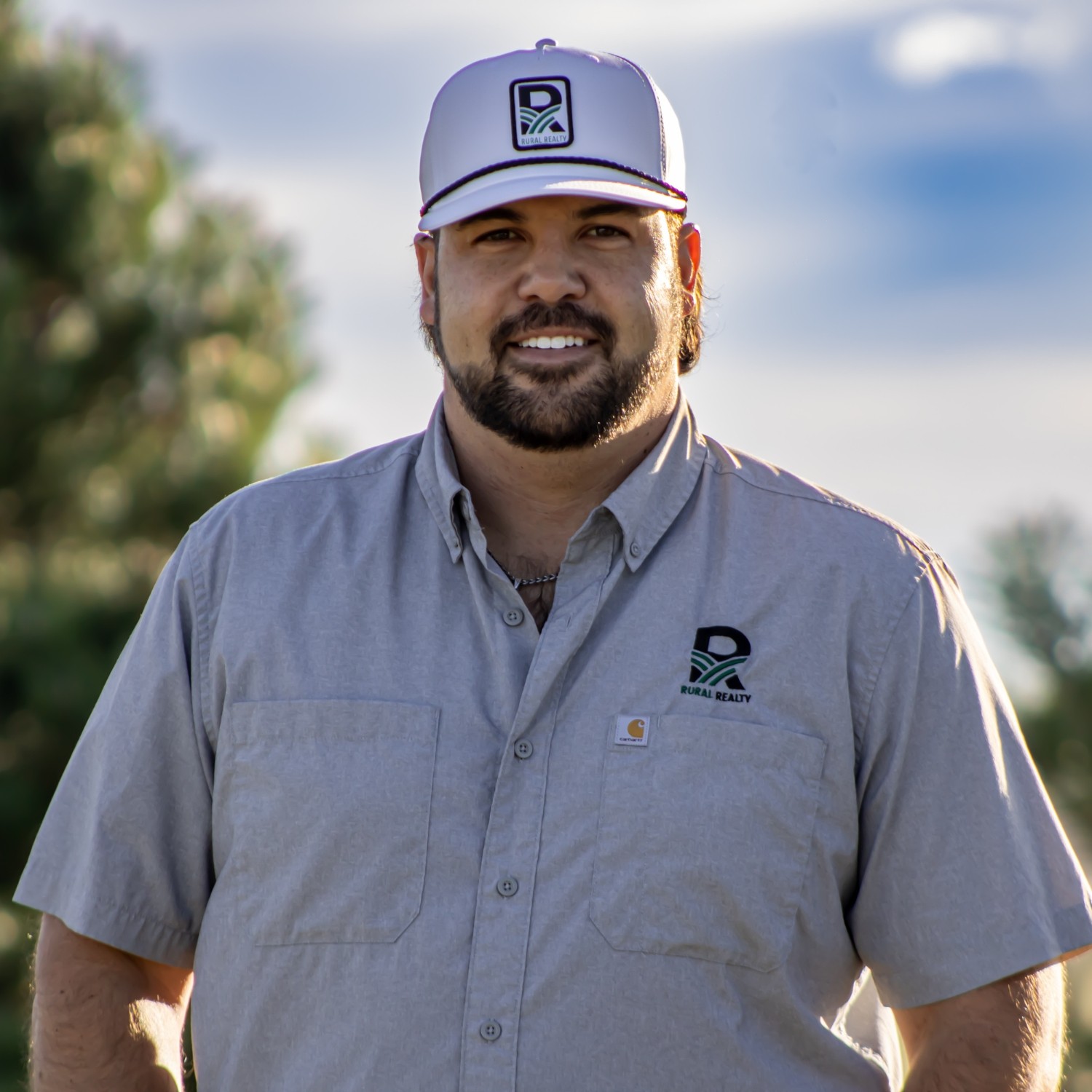
Alec Horton founded Rural Realty in 2025 to help Western Kansas landowners navigate the complexities of buying and selling rural properties with confidence. Born and raised in Leoti, Alec comes from four generations of farmers, giving him a deep understanding of the land and the people who work it. After 16 years of buying and selling agricultural land for his own family’s farm, he saw firsthand the challenges landowners face—uncertain pricing, complex transactions, and a lack of dedicated rural real estate expertise. Determined to bridge that gap, he launched Rural Realty to provide honest, knowledgeable, and personalized service to farmers, ranchers, and investors. As a licensed land broker, Alec and his team brings local insight, industry expertise, and a passion for helping clients achieve their landownership goals.
Meet the Founder of Rural Realty
Alec Horton
Alec Horton founded Rural Realty in 2025 to give landowners across Western Kansas a trusted partner in buying and selling rural properties. A fourth-generation farmer from Leoti with 16 years of experience in agricultural land deals, Alec saw the need for a brokerage that truly understands the land and the people who work it. With a deep knowledge of local markets and a commitment to honest, personalized service, Rural Realty helps farmers, ranchers, and investors navigate complex transactions with confidence.
Meet the Founder of Rural Realty
Alec Horton
Alec Horton founded Rural Realty in 2025 to help Western Kansas landowners navigate the complexities of buying and selling rural properties with confidence. Born and raised in Leoti, Alec comes from four generations of farmers, giving him a deep understanding of the land and the people who work it. After 16 years of buying and selling agricultural land for his own family’s farm, he saw firsthand the challenges landowners face—uncertain pricing, complex transactions, and a lack of dedicated rural real estate expertise. Determined to bridge that gap, he launched Rural Realty to provide honest, knowledgeable, and personalized service to farmers, ranchers, and investors. As a licensed land broker, Alec and his team brings local insight, industry expertise, and a passion for helping clients achieve their landownership goals.
Farm Experience You Can Trust
Local Knowledge. Proven Results.
46+
2023-2025 Farm Transactions
18+
Years of Farmland Experience
700+
Network of Kansas Farmers
Farm Experience You Can Trust
Local Knowledge. Proven Results.
46+
2023-2025 Farm Transactions
18+
Years of Farmland Experience
700+
Network of Kansas Farmers
Farm Experience You Can Trust
Local Knowledge. Proven Results.
46+
2023-2025 Farm Transactions
18+
Years of Farmland Experience
700+
Network of Kansas Farmers
Rural Realty Services
Comprehensive Farmland Services
Explore the Comprehensive Real Estate Solutions for Kansas farmers, landowners, families, and investors at Rural Realty
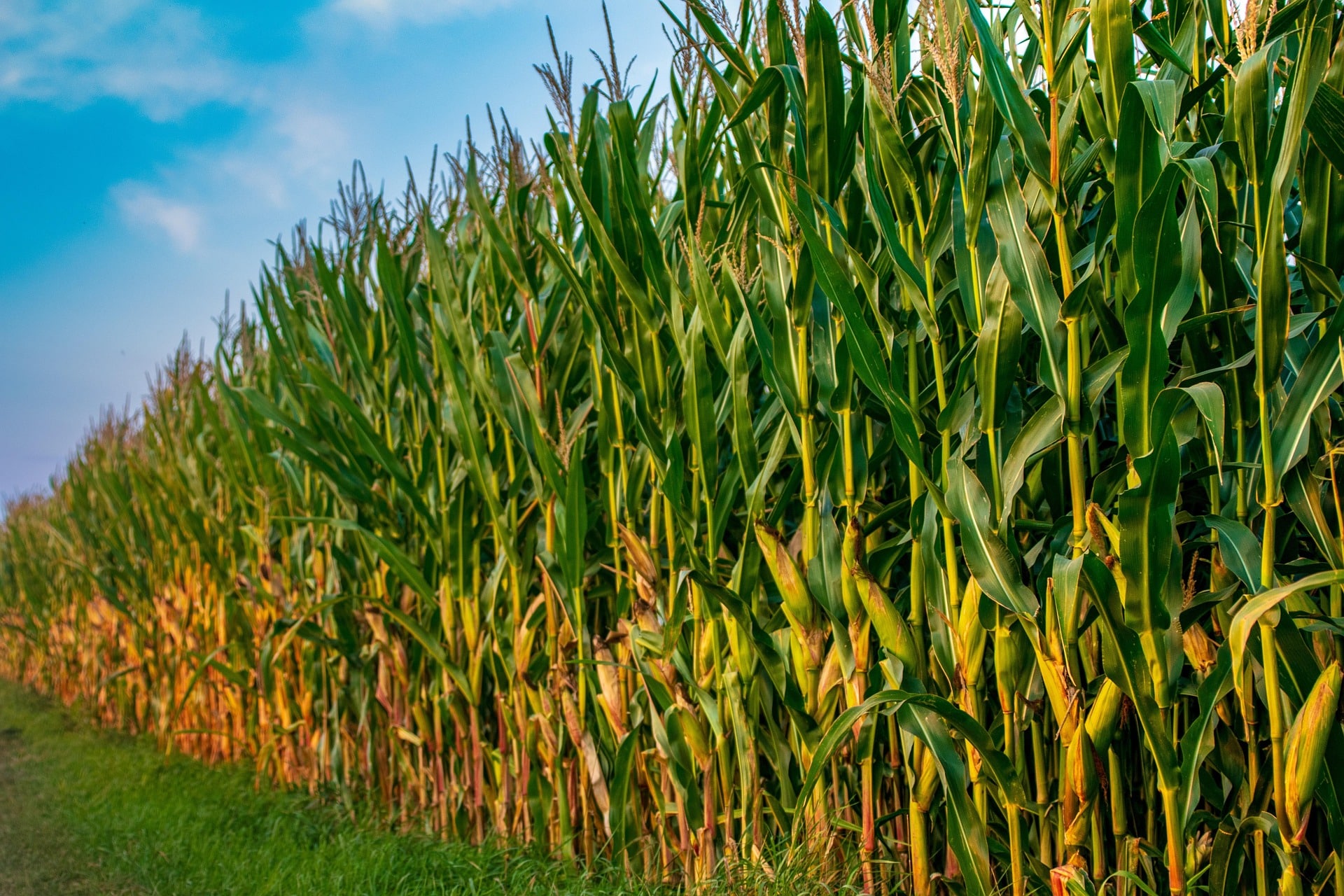
Buy a Farm
Expert guidance in finding the perfect agricultural property.
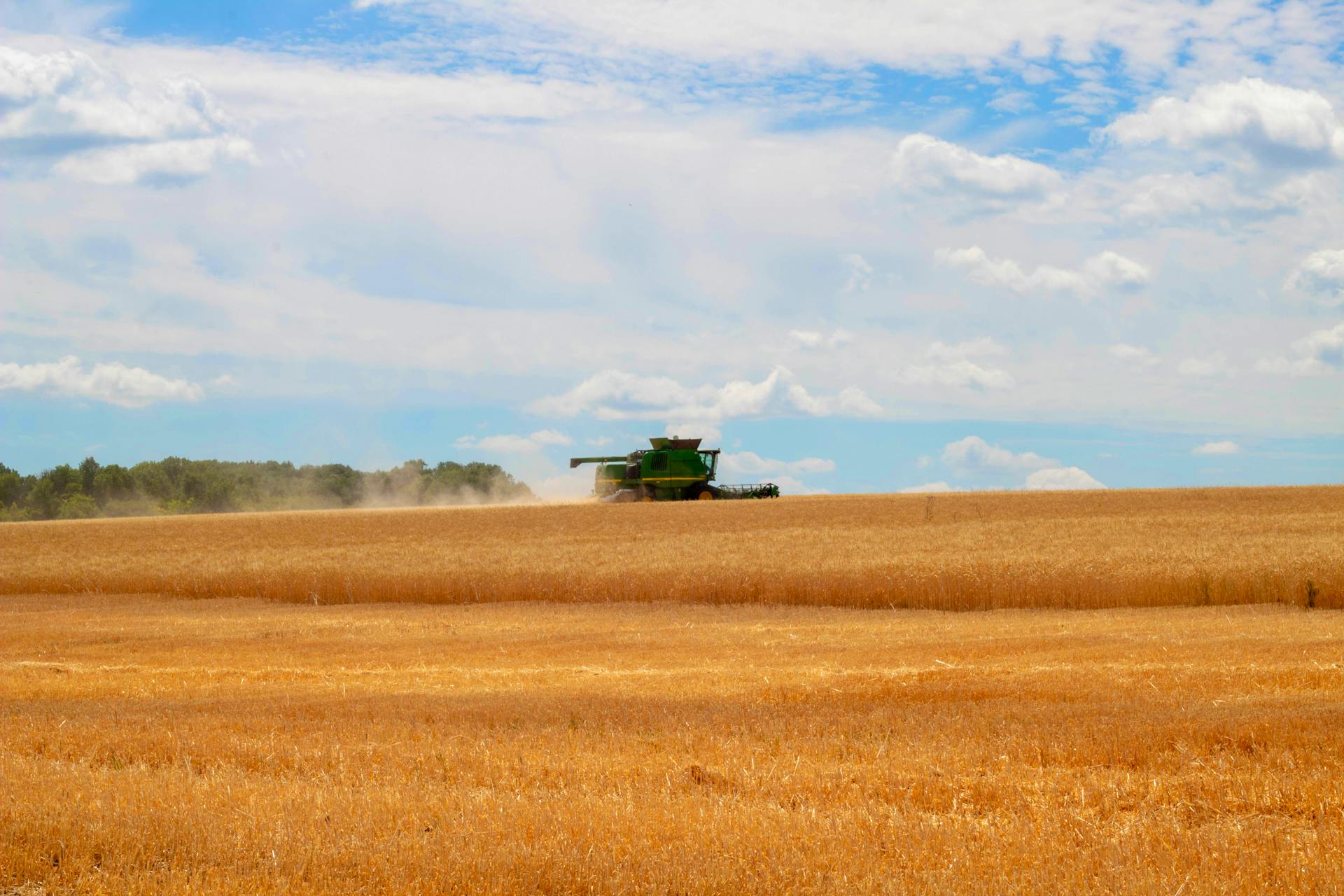
Sell Your Farm
Strategic marketing and valuation for maximum return.
Land Valuation
Receive an accurate property valuation to inform your decisions.
Rural Realty Services
Comprehensive Farmland Services
Explore the Comprehensive Real Estate Solutions for Kansas farmers, landowners, families, and investors at Rural Realty
Buy a Farm
Expert guidance in finding the perfect agricultural property.
Sell Your Farm
Strategic marketing and valuation for maximum return.
Land Valuation
Receive an accurate property valuation to inform your decisions.
Rural Realty Services
Comprehensive Farmland Services
Explore the Comprehensive Real Estate Solutions for Kansas farmers, landowners, families, and investors at Rural Realty
Buy a Farm
Expert guidance in finding the perfect agricultural property.
Sell Your Farm
Strategic marketing and valuation for maximum return.
Land Valuation
Receive an accurate property valuation to inform your decisions.
Kansas Property Expertise
From farmland to family homes, Rural Realty brings generations of local expertise to every real estate transaction.
Kansas
Rural Homes
Rural Realty helps families find their perfect country property, specializing in homes with acreage across Kansas.

Kansas
Farmland
With over four generations of farming experience, Rural Realty brings unique insight to every agricultural land transaction.

Kansas
Ranchland
Rural Realty's deep understanding of ranch operations helps buyers and sellers make confident decisions about ranching properties.

Kansas
Hunting Properties
Rural Realty combines recreational value with agricultural opportunities to maximize returns on hunting property investments.

Kansas
Commercial Properties
From retail spaces to agricultural warehouses, Rural Realty guides clients through every commercial real estate transaction.

Kansas Property Expertise
From farmland to family homes, Rural Realty brings generations of local expertise to every real estate transaction.
Kansas
Rural Homes
Rural Realty helps families find their perfect country property, specializing in homes with acreage across Kansas.
Kansas
Farmland
With over four generations of farming experience, Rural Realty brings unique insight to every agricultural land transaction.
Kansas
Ranchland
Rural Realty's deep understanding of ranch operations helps buyers and sellers make confident decisions about ranching properties.
Kansas
Hunting Properties
Rural Realty combines recreational value with agricultural opportunities to maximize returns on hunting property investments.
Kansas
Commercial Properties
From retail spaces to agricultural warehouses, Rural Realty guides clients through every commercial real estate transaction.
Kansas Property Expertise
From farmland to family homes, Rural Realty brings generations of local expertise to every real estate transaction.
Kansas
Rural Homes
Rural Realty helps families find their perfect country property, specializing in homes with acreage across Kansas.
Kansas
Farmland
With over four generations of farming experience, Rural Realty brings unique insight to every agricultural land transaction.
Kansas
Ranchland
Rural Realty's deep understanding of ranch operations helps buyers and sellers make confident decisions about ranching properties.
Kansas
Hunting Properties
Rural Realty combines recreational value with agricultural opportunities to maximize returns on hunting property investments.
Kansas
Commercial Properties
From retail spaces to agricultural warehouses, Rural Realty guides clients through every commercial real estate transaction.
Ready to Buy or Sell Your Farm in Kansas?
Contact Rural Realty today for a personalized consultation about your farmland goals. Your agricultural future starts with the right land real estate agent.
Find an Agent in your Area
Contact Rural Realty
Find an Agent in your Area
Ready to Buy or Sell Your Farm in Kansas?
Contact Rural Realty today for a personalized consultation about your farmland goals. Your agricultural future starts with the right land real estate agent.
Find an Agent in your Area