Understanding Land Valuation for Kansas Ranch Property Buyers
Alec Horton
•
Rural Realty
•
Kansas ranch buyers put a lot on the line. You are not just buying a house; you are buying a working piece of ground that can shape your family and your operation for years. That is why understanding how land is valued matters so much more than just asking, “What is the price per acre?”
When we talk about land valuation, we mean the full picture of what the ranch can do. That includes income potential, soil and water, improvements, access, and how well the land can hold up over time. Early summer is a key moment to read all this. Grass growth after spring rains, crop progress, and current cattle and grain prices all show up in how a ranch property for sale is priced and how hard a seller may hold that line.
What Smart Kansas Ranch Buyers Need to Know First
Smart buyers start by looking past the surface. Two ranches can have the same number of acres and a similar price, but be very different in what they can produce and how they will run day to day.
When you think about value, keep it practical. Ask what this ground can earn over a normal year, how reliable the water is, how much you will have to spend on repairs and upgrades in the first few seasons, and whether the place will still work for the next generation.
Early summer helps because you can walk the pastures and see conditions firsthand. You can judge how the grass is responding to recent moisture, how the creeks, tanks, and ponds are holding water, and how spring planting and early crops are shaping local attitudes on land value. All of this helps you decide if the asking price reflects what the ranch can really do.
Key Factors That Drive Kansas Ranch Land Value
Location still matters, even in wide-open country. In Western Kansas, value can change with the ranch’s proximity and connectivity to the market and to day-to-day services that matter for a working operation and a family.
Distance to sale barns, grain elevators, and packing plants
Access to major highways for hauling cattle, hay, and equipment
Local school districts and nearby towns that support families on the ranch
The mix of land types on the ranch also plays a big role. A good balance of native pasture, CRP, tillable acres, creek bottoms, draws, and shelterbelts adds flexibility across seasons and revenue streams. Physical layout and “how it runs” matter too, gentle slope, clean field edges, and well-placed gates can make grazing and equipment work more efficient and less stressful.
Make grazing rotations easier
Cut down time and fuel for equipment
Help you move cattle safely and quickly
Water, fencing, and access are often where values really separate. A ranch with the right infrastructure can justify a higher price than a place that looks similar on a map but needs a lot of work.
Strong wells or reliable ponds
Functional windmills or tanks
Solid perimeter fences and useful cross-fencing
Simple, all-weather road access
Understanding Income Potential and Carrying Capacity
Carrying capacity is at the heart of ranch value. You need to know how many animal units the land can support while keeping the grass healthy, and that number is tied to the resource base and how it has been managed over time.
Grass species and range condition
Average rainfall and drought history
How past owners grazed and rotated pastures
Beyond cattle, a Kansas ranch can earn from several additional uses, depending on the ground and the local market.
Hay production on stronger soils or sub-irrigated ground
Hunting leases for deer, upland birds, or waterfowl
Wind or solar opportunities in certain areas
A few fields of crops, where the soil and water make sense
The key is being honest about what is realistic, not what is possible in a perfect year. Once you have a realistic view of income, you then match that against operating costs that will follow the property.
Property taxes and insurance
Fuel, feed, minerals, and vet work
Equipment repairs and hired labor
When you compare what the ranch can likely earn against the asking price, you get a clearer sense of whether a ranch property for sale is fairly valued for its earning power.
Soil, Water, and Wildlife: Hidden Value Drivers
Soil quality is not just for row-crop farms. On ranch land, better soils can lift day-to-day productivity and recovery, and they can expand what the property can do in certain years.
Grow more grass per acre
Respond better after dry spells
Support haying or occasional crop use where that fits your plan
Soil maps, visible erosion, and how the ground has been cared for all show up in long-term productivity.
Water is another big piece. In Kansas, you need to understand where the ranch’s water actually comes from, what the paperwork or history shows, and how dependable it will be when conditions turn dry.
The source of water on the ranch, such as wells and surface ponds
Any recorded water rights or usage history
How dependable those sources are in dry years
Documented water history and sound wells add long-term security that often lifts value more than many buyers first expect.
Wildlife and habitat can also shape what a place is worth, especially for buyers who care about both ranching and hunting. Timbered draws, shelterbelts, and riparian areas along creeks can improve cattle comfort and winter protection, hold deer, turkey, and upland birds, and support paid hunting access if you choose.
Improve cattle comfort and winter protection
Hold deer, turkey, and upland birds
Support paid hunting access if you choose
Well-managed habitat can tip the scales when two ranches look similar from a cattle-only perspective.
Market Conditions, Timing, and Practical Buying Steps
No ranch exists in a vacuum. Land values move with broader economics and with local sentiment, and those forces can matter as much as rainfall and range condition when it comes to pricing and negotiation.
Cattle, grain, and hay prices
Interest rates and loan terms
Local attitudes on risk and expansion
Recent sales and auction results help set expectations, but not every “comp” truly compares. You have to sort out what was a normal sale versus a special situation, and you have to account for differences in improvements, land mix, and buyer behavior.
Forced or rushed sales from normal ones
Properties with very different improvements or land mix
Auctions that drew unusual interest from a few bidders
Early summer brings its own signals in Western Kansas. By this time, most calving is wrapped up, grass conditions are visible, and irrigation expectations are clearer. Some owners decide to sell after seeing how their pastures and feed look for the coming months, which can affect market supply and negotiating posture.
How many ranches hit the market
How motivated a seller may be
How flexible they might be on terms or timing
To buy with confidence, you need a clear checklist that verifies the fundamentals and reduces surprises after closing.
Confirming boundaries, access, and any easements
Reviewing leases, such as grazing or hunting
Asking about stocking history and grazing plans
Looking at well logs and any conservation programs on the place
It also helps to partner with a local land specialist who knows Western Kansas ground firsthand and can read soil maps, production records, and carrying capacity in a real-world way. From there, you can set your goals, budget, and time frame, then compare multiple ranches side by side with the same valuation lens so you can choose the place that truly fits your operation.
Find Your Ideal Kansas Ranch and Start Planning Your Next Chapter
If you are ready to own wide-open space with room to work, play, and grow, we are here to help you find the right fit. Explore our current ranch property for sale listings to see which Kansas ranch matches your goals. At Rural Realty, we use our local experience to guide you through every step, from first viewing to closing. Reach out to our team with your questions so we can help you move forward with confidence.

Alec Horton- Licensed KS Broker
Weekly Newsletter Update!
Join the Newsletter to Receive Kansas Market Updates
Stay up-to-date with the latest land prices, properties for sale, and tips for managing and selling your farm!
Blog Articles

Farm Land For Sale in Kansas
Alec Horton
Learn More

Unexpected Income Streams on Kansas Ranch Land for Sale
Alec Horton
Learn More

Evaluating Kansas Farmland Rental History Before You Buy
Alec Horton
Learn More

Kansas Ranch Listing Terms: Stocking Rate, AUMs, Carrying Capacity
Alec Horton
Learn More

Leasing vs. Selling Kansas Farmland: Choosing the Right Path
Alec Horton
Learn More
Understanding Land Valuation for Kansas Ranch Property Buyers
Alec Horton
•
Rural Realty
Kansas ranch buyers put a lot on the line. You are not just buying a house; you are buying a working piece of ground that can shape your family and your operation for years. That is why understanding how land is valued matters so much more than just asking, “What is the price per acre?”
When we talk about land valuation, we mean the full picture of what the ranch can do. That includes income potential, soil and water, improvements, access, and how well the land can hold up over time. Early summer is a key moment to read all this. Grass growth after spring rains, crop progress, and current cattle and grain prices all show up in how a ranch property for sale is priced and how hard a seller may hold that line.
What Smart Kansas Ranch Buyers Need to Know First
Smart buyers start by looking past the surface. Two ranches can have the same number of acres and a similar price, but be very different in what they can produce and how they will run day to day.
When you think about value, keep it practical. Ask what this ground can earn over a normal year, how reliable the water is, how much you will have to spend on repairs and upgrades in the first few seasons, and whether the place will still work for the next generation.
Early summer helps because you can walk the pastures and see conditions firsthand. You can judge how the grass is responding to recent moisture, how the creeks, tanks, and ponds are holding water, and how spring planting and early crops are shaping local attitudes on land value. All of this helps you decide if the asking price reflects what the ranch can really do.
Key Factors That Drive Kansas Ranch Land Value
Location still matters, even in wide-open country. In Western Kansas, value can change with the ranch’s proximity and connectivity to the market and to day-to-day services that matter for a working operation and a family.
Distance to sale barns, grain elevators, and packing plants
Access to major highways for hauling cattle, hay, and equipment
Local school districts and nearby towns that support families on the ranch
The mix of land types on the ranch also plays a big role. A good balance of native pasture, CRP, tillable acres, creek bottoms, draws, and shelterbelts adds flexibility across seasons and revenue streams. Physical layout and “how it runs” matter too, gentle slope, clean field edges, and well-placed gates can make grazing and equipment work more efficient and less stressful.
Make grazing rotations easier
Cut down time and fuel for equipment
Help you move cattle safely and quickly
Water, fencing, and access are often where values really separate. A ranch with the right infrastructure can justify a higher price than a place that looks similar on a map but needs a lot of work.
Strong wells or reliable ponds
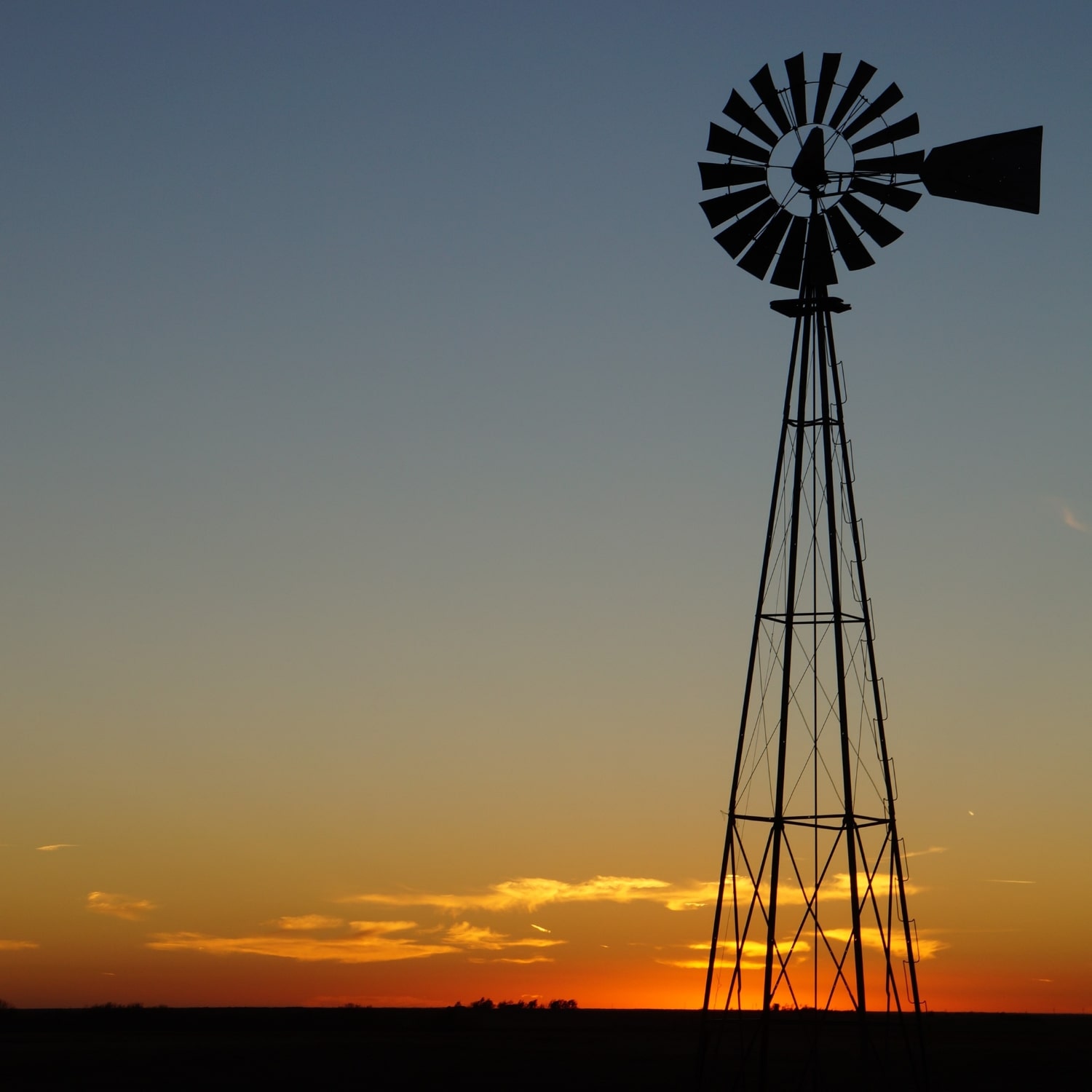
Functional windmills or tanks
Solid perimeter fences and useful cross-fencing
Simple, all-weather road access
Understanding Income Potential and Carrying Capacity
Carrying capacity is at the heart of ranch value. You need to know how many animal units the land can support while keeping the grass healthy, and that number is tied to the resource base and how it has been managed over time.
Grass species and range condition
Average rainfall and drought history
How past owners grazed and rotated pastures
Beyond cattle, a Kansas ranch can earn from several additional uses, depending on the ground and the local market.
Hay production on stronger soils or sub-irrigated ground
Hunting leases for deer, upland birds, or waterfowl
Wind or solar opportunities in certain areas
A few fields of crops, where the soil and water make sense
The key is being honest about what is realistic, not what is possible in a perfect year. Once you have a realistic view of income, you then match that against operating costs that will follow the property.
Property taxes and insurance
Fuel, feed, minerals, and vet work
Equipment repairs and hired labor
When you compare what the ranch can likely earn against the asking price, you get a clearer sense of whether a ranch property for sale is fairly valued for its earning power.
Soil, Water, and Wildlife: Hidden Value Drivers
Soil quality is not just for row-crop farms. On ranch land, better soils can lift day-to-day productivity and recovery, and they can expand what the property can do in certain years.
Grow more grass per acre
Respond better after dry spells
Support haying or occasional crop use where that fits your plan
Soil maps, visible erosion, and how the ground has been cared for all show up in long-term productivity.
Water is another big piece. In Kansas, you need to understand where the ranch’s water actually comes from, what the paperwork or history shows, and how dependable it will be when conditions turn dry.
The source of water on the ranch, such as wells and surface ponds
Any recorded water rights or usage history
How dependable those sources are in dry years
Documented water history and sound wells add long-term security that often lifts value more than many buyers first expect.
Wildlife and habitat can also shape what a place is worth, especially for buyers who care about both ranching and hunting. Timbered draws, shelterbelts, and riparian areas along creeks can improve cattle comfort and winter protection, hold deer, turkey, and upland birds, and support paid hunting access if you choose.
Improve cattle comfort and winter protection
Hold deer, turkey, and upland birds
Support paid hunting access if you choose
Well-managed habitat can tip the scales when two ranches look similar from a cattle-only perspective.
Market Conditions, Timing, and Practical Buying Steps
No ranch exists in a vacuum. Land values move with broader economics and with local sentiment, and those forces can matter as much as rainfall and range condition when it comes to pricing and negotiation.
Cattle, grain, and hay prices
Interest rates and loan terms
Local attitudes on risk and expansion
Recent sales and auction results help set expectations, but not every “comp” truly compares. You have to sort out what was a normal sale versus a special situation, and you have to account for differences in improvements, land mix, and buyer behavior.
Forced or rushed sales from normal ones
Properties with very different improvements or land mix
Auctions that drew unusual interest from a few bidders
Early summer brings its own signals in Western Kansas. By this time, most calving is wrapped up, grass conditions are visible, and irrigation expectations are clearer. Some owners decide to sell after seeing how their pastures and feed look for the coming months, which can affect market supply and negotiating posture.
How many ranches hit the market
How motivated a seller may be
How flexible they might be on terms or timing
To buy with confidence, you need a clear checklist that verifies the fundamentals and reduces surprises after closing.
Confirming boundaries, access, and any easements
Reviewing leases, such as grazing or hunting
Asking about stocking history and grazing plans
Looking at well logs and any conservation programs on the place
It also helps to partner with a local land specialist who knows Western Kansas ground firsthand and can read soil maps, production records, and carrying capacity in a real-world way. From there, you can set your goals, budget, and time frame, then compare multiple ranches side by side with the same valuation lens so you can choose the place that truly fits your operation.
Find Your Ideal Kansas Ranch and Start Planning Your Next Chapter
If you are ready to own wide-open space with room to work, play, and grow, we are here to help you find the right fit. Explore our current ranch property for sale listings to see which Kansas ranch matches your goals. At Rural Realty, we use our local experience to guide you through every step, from first viewing to closing. Reach out to our team with your questions so we can help you move forward with confidence.
Understanding Land Valuation for Kansas Ranch Property Buyers
Alec Horton
•
Rural Realty
•
Kansas ranch buyers put a lot on the line. You are not just buying a house; you are buying a working piece of ground that can shape your family and your operation for years. That is why understanding how land is valued matters so much more than just asking, “What is the price per acre?”
When we talk about land valuation, we mean the full picture of what the ranch can do. That includes income potential, soil and water, improvements, access, and how well the land can hold up over time. Early summer is a key moment to read all this. Grass growth after spring rains, crop progress, and current cattle and grain prices all show up in how a ranch property for sale is priced and how hard a seller may hold that line.
What Smart Kansas Ranch Buyers Need to Know First
Smart buyers start by looking past the surface. Two ranches can have the same number of acres and a similar price, but be very different in what they can produce and how they will run day to day.
When you think about value, keep it practical. Ask what this ground can earn over a normal year, how reliable the water is, how much you will have to spend on repairs and upgrades in the first few seasons, and whether the place will still work for the next generation.
Early summer helps because you can walk the pastures and see conditions firsthand. You can judge how the grass is responding to recent moisture, how the creeks, tanks, and ponds are holding water, and how spring planting and early crops are shaping local attitudes on land value. All of this helps you decide if the asking price reflects what the ranch can really do.
Key Factors That Drive Kansas Ranch Land Value
Location still matters, even in wide-open country. In Western Kansas, value can change with the ranch’s proximity and connectivity to the market and to day-to-day services that matter for a working operation and a family.
Distance to sale barns, grain elevators, and packing plants
Access to major highways for hauling cattle, hay, and equipment
Local school districts and nearby towns that support families on the ranch
The mix of land types on the ranch also plays a big role. A good balance of native pasture, CRP, tillable acres, creek bottoms, draws, and shelterbelts adds flexibility across seasons and revenue streams. Physical layout and “how it runs” matter too, gentle slope, clean field edges, and well-placed gates can make grazing and equipment work more efficient and less stressful.
Make grazing rotations easier
Cut down time and fuel for equipment
Help you move cattle safely and quickly
Water, fencing, and access are often where values really separate. A ranch with the right infrastructure can justify a higher price than a place that looks similar on a map but needs a lot of work.
Strong wells or reliable ponds
Functional windmills or tanks
Solid perimeter fences and useful cross-fencing
Simple, all-weather road access
Understanding Income Potential and Carrying Capacity
Carrying capacity is at the heart of ranch value. You need to know how many animal units the land can support while keeping the grass healthy, and that number is tied to the resource base and how it has been managed over time.
Grass species and range condition
Average rainfall and drought history
How past owners grazed and rotated pastures
Beyond cattle, a Kansas ranch can earn from several additional uses, depending on the ground and the local market.
Hay production on stronger soils or sub-irrigated ground
Hunting leases for deer, upland birds, or waterfowl
Wind or solar opportunities in certain areas
A few fields of crops, where the soil and water make sense
The key is being honest about what is realistic, not what is possible in a perfect year. Once you have a realistic view of income, you then match that against operating costs that will follow the property.
Property taxes and insurance
Fuel, feed, minerals, and vet work
Equipment repairs and hired labor
When you compare what the ranch can likely earn against the asking price, you get a clearer sense of whether a ranch property for sale is fairly valued for its earning power.
Soil, Water, and Wildlife: Hidden Value Drivers
Soil quality is not just for row-crop farms. On ranch land, better soils can lift day-to-day productivity and recovery, and they can expand what the property can do in certain years.
Grow more grass per acre
Respond better after dry spells
Support haying or occasional crop use where that fits your plan
Soil maps, visible erosion, and how the ground has been cared for all show up in long-term productivity.
Water is another big piece. In Kansas, you need to understand where the ranch’s water actually comes from, what the paperwork or history shows, and how dependable it will be when conditions turn dry.
The source of water on the ranch, such as wells and surface ponds
Any recorded water rights or usage history
How dependable those sources are in dry years
Documented water history and sound wells add long-term security that often lifts value more than many buyers first expect.
Wildlife and habitat can also shape what a place is worth, especially for buyers who care about both ranching and hunting. Timbered draws, shelterbelts, and riparian areas along creeks can improve cattle comfort and winter protection, hold deer, turkey, and upland birds, and support paid hunting access if you choose.
Improve cattle comfort and winter protection
Hold deer, turkey, and upland birds
Support paid hunting access if you choose
Well-managed habitat can tip the scales when two ranches look similar from a cattle-only perspective.
Market Conditions, Timing, and Practical Buying Steps
No ranch exists in a vacuum. Land values move with broader economics and with local sentiment, and those forces can matter as much as rainfall and range condition when it comes to pricing and negotiation.
Cattle, grain, and hay prices
Interest rates and loan terms
Local attitudes on risk and expansion
Recent sales and auction results help set expectations, but not every “comp” truly compares. You have to sort out what was a normal sale versus a special situation, and you have to account for differences in improvements, land mix, and buyer behavior.
Forced or rushed sales from normal ones
Properties with very different improvements or land mix
Auctions that drew unusual interest from a few bidders
Early summer brings its own signals in Western Kansas. By this time, most calving is wrapped up, grass conditions are visible, and irrigation expectations are clearer. Some owners decide to sell after seeing how their pastures and feed look for the coming months, which can affect market supply and negotiating posture.
How many ranches hit the market
How motivated a seller may be
How flexible they might be on terms or timing
To buy with confidence, you need a clear checklist that verifies the fundamentals and reduces surprises after closing.
Confirming boundaries, access, and any easements
Reviewing leases, such as grazing or hunting
Asking about stocking history and grazing plans
Looking at well logs and any conservation programs on the place
It also helps to partner with a local land specialist who knows Western Kansas ground firsthand and can read soil maps, production records, and carrying capacity in a real-world way. From there, you can set your goals, budget, and time frame, then compare multiple ranches side by side with the same valuation lens so you can choose the place that truly fits your operation.
Find Your Ideal Kansas Ranch and Start Planning Your Next Chapter
If you are ready to own wide-open space with room to work, play, and grow, we are here to help you find the right fit. Explore our current ranch property for sale listings to see which Kansas ranch matches your goals. At Rural Realty, we use our local experience to guide you through every step, from first viewing to closing. Reach out to our team with your questions so we can help you move forward with confidence.
Meet the Founder of Rural Realty
Alec Horton
Alec Horton founded Rural Realty in 2025 to help Western Kansas landowners navigate the complexities of buying and selling rural properties with confidence. Born and raised in Leoti, Alec comes from four generations of farmers, giving him a deep understanding of the land and the people who work it. After 16 years of buying and selling agricultural land for his own family’s farm, he saw firsthand the challenges landowners face—uncertain pricing, complex transactions, and a lack of dedicated rural real estate expertise. Determined to bridge that gap, he launched Rural Realty to provide honest, knowledgeable, and personalized service to farmers, ranchers, and investors. As a licensed land broker, Alec and his team brings local insight, industry expertise, and a passion for helping clients achieve their landownership goals.

Meet the Founder of Rural Realty
Alec Horton
Alec Horton founded Rural Realty in 2025 to give landowners across Western Kansas a trusted partner in buying and selling rural properties. A fourth-generation farmer from Leoti with 16 years of experience in agricultural land deals, Alec saw the need for a brokerage that truly understands the land and the people who work it. With a deep knowledge of local markets and a commitment to honest, personalized service, Rural Realty helps farmers, ranchers, and investors navigate complex transactions with confidence.
Meet the Founder of Rural Realty
Alec Horton
Alec Horton founded Rural Realty in 2025 to help Western Kansas landowners navigate the complexities of buying and selling rural properties with confidence. Born and raised in Leoti, Alec comes from four generations of farmers, giving him a deep understanding of the land and the people who work it. After 16 years of buying and selling agricultural land for his own family’s farm, he saw firsthand the challenges landowners face—uncertain pricing, complex transactions, and a lack of dedicated rural real estate expertise. Determined to bridge that gap, he launched Rural Realty to provide honest, knowledgeable, and personalized service to farmers, ranchers, and investors. As a licensed land broker, Alec and his team brings local insight, industry expertise, and a passion for helping clients achieve their landownership goals.
Farm Experience You Can Trust
Local Knowledge. Proven Results.
46+
2023-2025 Farm Transactions
18+
Years of Farmland Experience
700+
Network of Kansas Farmers
Farm Experience You Can Trust
Local Knowledge. Proven Results.
46+
2023-2025 Farm Transactions
18+
Years of Farmland Experience
700+
Network of Kansas Farmers
Farm Experience You Can Trust
Local Knowledge. Proven Results.
46+
2023-2025 Farm Transactions
18+
Years of Farmland Experience
700+
Network of Kansas Farmers
Rural Realty Services
Comprehensive Farmland Services
Explore the Comprehensive Real Estate Solutions for Kansas farmers, landowners, families, and investors at Rural Realty
Buy a Farm
Expert guidance in finding the perfect agricultural property.
Sell Your Farm
Strategic marketing and valuation for maximum return.
Land Valuation
Receive an accurate property valuation to inform your decisions.
Rural Realty Services
Comprehensive Farmland Services
Explore the Comprehensive Real Estate Solutions for Kansas farmers, landowners, families, and investors at Rural Realty
Buy a Farm
Expert guidance in finding the perfect agricultural property.
Sell Your Farm
Strategic marketing and valuation for maximum return.
Land Valuation
Receive an accurate property valuation to inform your decisions.
Rural Realty Services
Comprehensive Farmland Services
Explore the Comprehensive Real Estate Solutions for Kansas farmers, landowners, families, and investors at Rural Realty
Buy a Farm
Expert guidance in finding the perfect agricultural property.
Sell Your Farm
Strategic marketing and valuation for maximum return.
Land Valuation
Receive an accurate property valuation to inform your decisions.
Kansas Property Expertise
From farmland to family homes, Rural Realty brings generations of local expertise to every real estate transaction.
Kansas
Rural Homes
Rural Realty helps families find their perfect country property, specializing in homes with acreage across Kansas.

Kansas
Farmland
With over four generations of farming experience, Rural Realty brings unique insight to every agricultural land transaction.

Kansas
Ranchland
Rural Realty's deep understanding of ranch operations helps buyers and sellers make confident decisions about ranching properties.

Kansas
Hunting Properties
Rural Realty combines recreational value with agricultural opportunities to maximize returns on hunting property investments.

Kansas
Commercial Properties
From retail spaces to agricultural warehouses, Rural Realty guides clients through every commercial real estate transaction.

Kansas Property Expertise
From farmland to family homes, Rural Realty brings generations of local expertise to every real estate transaction.
Kansas
Rural Homes
Rural Realty helps families find their perfect country property, specializing in homes with acreage across Kansas.
Kansas
Farmland
With over four generations of farming experience, Rural Realty brings unique insight to every agricultural land transaction.
Kansas
Ranchland
Rural Realty's deep understanding of ranch operations helps buyers and sellers make confident decisions about ranching properties.
Kansas
Hunting Properties
Rural Realty combines recreational value with agricultural opportunities to maximize returns on hunting property investments.
Kansas
Commercial Properties
From retail spaces to agricultural warehouses, Rural Realty guides clients through every commercial real estate transaction.
Kansas Property Expertise
From farmland to family homes, Rural Realty brings generations of local expertise to every real estate transaction.
Kansas
Rural Homes
Rural Realty helps families find their perfect country property, specializing in homes with acreage across Kansas.
Kansas
Farmland
With over four generations of farming experience, Rural Realty brings unique insight to every agricultural land transaction.
Kansas
Ranchland
Rural Realty's deep understanding of ranch operations helps buyers and sellers make confident decisions about ranching properties.
Kansas
Hunting Properties
Rural Realty combines recreational value with agricultural opportunities to maximize returns on hunting property investments.
Kansas
Commercial Properties
From retail spaces to agricultural warehouses, Rural Realty guides clients through every commercial real estate transaction.
Ready to Buy or Sell Your Farm in Kansas?
Contact Rural Realty today for a personalized consultation about your farmland goals. Your agricultural future starts with the right land real estate agent.
Find an Agent in your Area
Contact Rural Realty
Find an Agent in your Area
Ready to Buy or Sell Your Farm in Kansas?
Contact Rural Realty today for a personalized consultation about your farmland goals. Your agricultural future starts with the right land real estate agent.
Find an Agent in your Area