Leasing vs. Selling Kansas Farmland: Choosing the Right Path
Alec Horton
•
Rural Realty
•

Owning Kansas farmland often means facing big money choices at very specific times of year. In late summer, it is a common moment to stop, look at your land, and decide whether it is time to lock in a purchase offer or line up a lease for the next crop year. That choice shapes your income, your taxes, your stress level, and your family’s future with the land.
In this guide, we walk through what it really means to lease or sell agricultural land in Kansas. We look at goals, risk, lease types, buyer demand, and practical questions to ask yourself. Our aim is simple: help you choose a path that feels right for your pocketbook and your peace of mind.
Weighing Today’s Paycheck Against Tomorrow’s Harvest
Late summer in Kansas can feel like a crossroads. Crops are close to the harvest, hunting seasons are on the horizon, and tax planning is starting to matter again. For many landowners, this is when a buyer’s offer or a new lease proposal lands on the table.
Several things come together this time of year:
Upcoming crop yields and grain prices
Fall hunting leases and recreational demand
End-of-year planning for taxes and retirement accounts
The core choice often looks like this:
Lease the land, keep ownership, and collect ongoing income.
Sell the land, take a lump sum, and use it for other goals like debt reduction, retirement, or new investments.
At Rural Realty, we focus on what is happening in Kansas fields, pastures, and small towns. Local lease rates, commodity markets, and rural land demand all matter. When we talk through options with owners, we keep those Kansas realities front and center.
Clarifying Your Goals Before You Lease or Sell
Before deciding to lease or sell agricultural land, it helps to get very honest about what you want and what you need.
First, think about your financial needs and your timeline.
Ask yourself:
Do I need a large payout soon to pay off loans, buy a home, or fund a business?
Can I afford to spread income out over many years instead?
How close am I to retirement, and do I plan to live on land income?
What do I want this ground to do for my heirs?
Next, think about your comfort with risk and the market. Commodity prices, interest rates, property taxes, and input costs will move up and down. Leasing keeps you tied to those swings. Selling during a strong land market can lock in today’s gains and remove that risk, but you also give up future upside if values climb.
Family, legacy, and control also matter. Some owners feel strongly about keeping land in the family, giving kids or grandkids a chance to farm, or preserving hunting access for themselves. That can tilt toward leasing. On the other hand, if multiple heirs cannot agree, no one wants to manage tenants, or no one plans to live nearby, selling can simplify everyone’s life.
What Leasing Kansas Farmland Really Looks Like
Leasing farmland can be as simple or as involved as you choose, but the structure of the lease makes a big difference.
Common lease types in Kansas include:
Cash rent: Tenant pays a set amount per acre, usually once or twice a year. Income is steady, but you do not share in high-yield or high-price years.
Crop share: Landowner and tenant split the crop, and sometimes some of the input costs. Income moves with yields and prices.
Flex lease: A mix of base cash rent with a bonus or adjustment tied to yields or grain prices.
Each lease type changes how often you get paid, how much risk you carry, and how involved you are in decisions. With crop share or flex leases, you may pay closer attention to input choices and marketing. With straight cash rent, you may focus more on choosing a reliable tenant and protecting the soil.
Management and relationships are a big part of leasing. Written leases, clear language, and agreed expectations around repairs, lime, terraces, and conservation work matter. Absentee owners often lean on trusted local contacts or professionals to check on fields, communicate with tenants, and keep an eye on hunting access and liability.
Leasing has some clear advantages:
Ongoing income without giving up ownership
Chance for land to keep appreciating over time
Flexibility to adjust terms or tenants later
Possible tax benefits compared to a sale, depending on your situation
The trade-offs are real too:
Income can vary with yields, prices, and weather
You still carry ownership responsibilities and oversight
Tenant performance and communication can become stress points
You may miss a strong selling window while you hold
When It Makes Sense to Sell Agricultural Land
Selling can be the right move when your life and finances point that way. Kansas landowners often choose to sell for reasons like:
Maximizing value when local demand is strong
Consolidating assets into something simpler to manage
Paying off debt or funding a clear goal like retirement or a move
Settling complex heir situations where some want cash and others do not
Big life events also push this decision. Health changes, moving away from rural Kansas, or stepping out of hands-on farming can all make a sale feel more practical than managing leases from afar.
Selling brings up financial, tax, and estate planning questions. A land sale can allow you to:
Spread funds across different investments
Reduce the number of properties your heirs must manage
Structure buyouts between farming and non-farming family members
Capital gains taxes, 1031 exchanges, and estate plans are serious topics. A Kansas land broker, a CPA, and an attorney can help you understand your options before you sign a contract.
Market timing also matters. Late summer decisions can place your property in front of fall and winter buyers planning for the next crop year. Value is influenced by:
Soil quality and productivity
Water rights and access to reliable water
Road access and proximity to grain markets or towns
Current lease terms and how soon possession can change
Hunting and recreational potential
Local competition for acres among neighbors and investors
Key Questions to Choose Between Leasing and Selling
When we talk with owners about whether to lease or sell agricultural land, we often walk through a few key questions.
Income, liquidity, and lifestyle:
How much do I need each year versus upfront?
How would lease income compare to selling and investing the proceeds?
Do I want to stay involved in land decisions, or would I prefer a clean break?
Control, flexibility, and future plans:
Do I want the ability to change tenants, farming practices, or land use?
Is there a chance for future development, specialty crops, solar, wind, or commercial uses that argue for holding?
If I sold, would I regret losing hunting rights or family ties to the ground?
Professional guidance and local insight are key. Each Kansas county, and often each township, can have its own patterns on lease rates and sale prices. Market data, recent local sales, and actual lease terms in your area give a clearer picture than guesswork.
Turning this decision into a true plan starts with matching your goals, your family needs, and what the local market is offering. At Rural Realty, we draw on generations of agricultural experience and day-to-day knowledge of Kansas farming communities to help compare realistic lease income with realistic sale value. That kind of side-by-side view can make a hard choice feel far clearer.
Sell Your Farmland With Confidence And Clarity
If you are ready to move on from your property, we can help you sell agricultural land with a clear plan and straightforward communication. At Rural Realty, we evaluate your goals, the land’s unique features, and current market conditions to recommend the best strategy. Reach out today so we can review your options and walk you through each step of a smooth and timely sale.

Alec Horton- Licensed KS Broker
Weekly Newsletter Update!
Join the Newsletter to Receive Kansas Market Updates
Stay up-to-date with the latest land prices, properties for sale, and tips for managing and selling your farm!
Blog Articles

Unexpected Income Streams on Kansas Ranch Land for Sale
Alec Horton
Learn More

Evaluating Kansas Farmland Rental History Before You Buy
Alec Horton
Learn More

Kansas Ranch Listing Terms: Stocking Rate, AUMs, Carrying Capacity
Alec Horton
Learn More

Reading Kansas Land Listings When You Want Hunting Income
Alec Horton
Learn More

Weather Shifts That Quietly Change Kansas Farmland Value
Alec Horton
Learn More
Leasing vs. Selling Kansas Farmland: Choosing the Right Path
Alec Horton
•
Rural Realty
Owning Kansas farmland often means facing big money choices at very specific times of year. In late summer, it is a common moment to stop, look at your land, and decide whether it is time to lock in a purchase offer or line up a lease for the next crop year. That choice shapes your income, your taxes, your stress level, and your family’s future with the land.
In this guide, we walk through what it really means to lease or sell agricultural land in Kansas. We look at goals, risk, lease types, buyer demand, and practical questions to ask yourself. Our aim is simple: help you choose a path that feels right for your pocketbook and your peace of mind.
Weighing Today’s Paycheck Against Tomorrow’s Harvest
Late summer in Kansas can feel like a crossroads. Crops are close to the harvest, hunting seasons are on the horizon, and tax planning is starting to matter again. For many landowners, this is when a buyer’s offer or a new lease proposal lands on the table.
Several things come together this time of year:
Upcoming crop yields and grain prices
Fall hunting leases and recreational demand
End-of-year planning for taxes and retirement accounts
The core choice often looks like this:
Lease the land, keep ownership, and collect ongoing income.
Sell the land, take a lump sum, and use it for other goals like debt reduction, retirement, or new investments.
At Rural Realty, we focus on what is happening in Kansas fields, pastures, and small towns. Local lease rates, commodity markets, and rural land demand all matter. When we talk through options with owners, we keep those Kansas realities front and center.
Clarifying Your Goals Before You Lease or Sell
Before deciding to lease or sell agricultural land, it helps to get very honest about what you want and what you need.
First, think about your financial needs and your timeline.
Ask yourself:
Do I need a large payout soon to pay off loans, buy a home, or fund a business?
Can I afford to spread income out over many years instead?
How close am I to retirement, and do I plan to live on land income?
What do I want this ground to do for my heirs?
Next, think about your comfort with risk and the market. Commodity prices, interest rates, property taxes, and input costs will move up and down. Leasing keeps you tied to those swings. Selling during a strong land market can lock in today’s gains and remove that risk, but you also give up future upside if values climb.
Family, legacy, and control also matter. Some owners feel strongly about keeping land in the family, giving kids or grandkids a chance to farm, or preserving hunting access for themselves. That can tilt toward leasing. On the other hand, if multiple heirs cannot agree, no one wants to manage tenants, or no one plans to live nearby, selling can simplify everyone’s life.
What Leasing Kansas Farmland Really Looks Like
Leasing farmland can be as simple or as involved as you choose, but the structure of the lease makes a big difference.
Common lease types in Kansas include:
Cash rent: Tenant pays a set amount per acre, usually once or twice a year. Income is steady, but you do not share in high-yield or high-price years.
Crop share: Landowner and tenant split the crop, and sometimes some of the input costs. Income moves with yields and prices.
Flex lease: A mix of base cash rent with a bonus or adjustment tied to yields or grain prices.
Each lease type changes how often you get paid, how much risk you carry, and how involved you are in decisions. With crop share or flex leases, you may pay closer attention to input choices and marketing. With straight cash rent, you may focus more on choosing a reliable tenant and protecting the soil.
Management and relationships are a big part of leasing. Written leases, clear language, and agreed expectations around repairs, lime, terraces, and conservation work matter. Absentee owners often lean on trusted local contacts or professionals to check on fields, communicate with tenants, and keep an eye on hunting access and liability.
Leasing has some clear advantages:
Ongoing income without giving up ownership
Chance for land to keep appreciating over time
Flexibility to adjust terms or tenants later
Possible tax benefits compared to a sale, depending on your situation
The trade-offs are real too:
Income can vary with yields, prices, and weather
You still carry ownership responsibilities and oversight
Tenant performance and communication can become stress points
You may miss a strong selling window while you hold
When It Makes Sense to Sell Agricultural Land
Selling can be the right move when your life and finances point that way. Kansas landowners often choose to sell for reasons like:
Maximizing value when local demand is strong
Consolidating assets into something simpler to manage
Paying off debt or funding a clear goal like retirement or a move
Settling complex heir situations where some want cash and others do not
Big life events also push this decision. Health changes, moving away from rural Kansas, or stepping out of hands-on farming can all make a sale feel more practical than managing leases from afar.
Selling brings up financial, tax, and estate planning questions. A land sale can allow you to:
Spread funds across different investments
Reduce the number of properties your heirs must manage
Structure buyouts between farming and non-farming family members
Capital gains taxes, 1031 exchanges, and estate plans are serious topics. A Kansas land broker, a CPA, and an attorney can help you understand your options before you sign a contract.
Market timing also matters. Late summer decisions can place your property in front of fall and winter buyers planning for the next crop year. Value is influenced by:
Soil quality and productivity
Water rights and access to reliable water
Road access and proximity to grain markets or towns
Current lease terms and how soon possession can change
Hunting and recreational potential
Local competition for acres among neighbors and investors
Key Questions to Choose Between Leasing and Selling
When we talk with owners about whether to lease or sell agricultural land, we often walk through a few key questions.
Income, liquidity, and lifestyle:
How much do I need each year versus upfront?
How would lease income compare to selling and investing the proceeds?
Do I want to stay involved in land decisions, or would I prefer a clean break?
Control, flexibility, and future plans:
Do I want the ability to change tenants, farming practices, or land use?
Is there a chance for future development, specialty crops, solar, wind, or commercial uses that argue for holding?
If I sold, would I regret losing hunting rights or family ties to the ground?
Professional guidance and local insight are key. Each Kansas county, and often each township, can have its own patterns on lease rates and sale prices. Market data, recent local sales, and actual lease terms in your area give a clearer picture than guesswork.
Turning this decision into a true plan starts with matching your goals, your family needs, and what the local market is offering. At Rural Realty, we draw on generations of agricultural experience and day-to-day knowledge of Kansas farming communities to help compare realistic lease income with realistic sale value. That kind of side-by-side view can make a hard choice feel far clearer.
Sell Your Farmland With Confidence And Clarity
If you are ready to move on from your property, we can help you sell agricultural land with a clear plan and straightforward communication. At Rural Realty, we evaluate your goals, the land’s unique features, and current market conditions to recommend the best strategy. Reach out today so we can review your options and walk you through each step of a smooth and timely sale.
Leasing vs. Selling Kansas Farmland: Choosing the Right Path
Alec Horton
•
Rural Realty
•
Owning Kansas farmland often means facing big money choices at very specific times of year. In late summer, it is a common moment to stop, look at your land, and decide whether it is time to lock in a purchase offer or line up a lease for the next crop year. That choice shapes your income, your taxes, your stress level, and your family’s future with the land.
In this guide, we walk through what it really means to lease or sell agricultural land in Kansas. We look at goals, risk, lease types, buyer demand, and practical questions to ask yourself. Our aim is simple: help you choose a path that feels right for your pocketbook and your peace of mind.
Weighing Today’s Paycheck Against Tomorrow’s Harvest
Late summer in Kansas can feel like a crossroads. Crops are close to the harvest, hunting seasons are on the horizon, and tax planning is starting to matter again. For many landowners, this is when a buyer’s offer or a new lease proposal lands on the table.
Several things come together this time of year:
Upcoming crop yields and grain prices
Fall hunting leases and recreational demand
End-of-year planning for taxes and retirement accounts
The core choice often looks like this:
Lease the land, keep ownership, and collect ongoing income.
Sell the land, take a lump sum, and use it for other goals like debt reduction, retirement, or new investments.
At Rural Realty, we focus on what is happening in Kansas fields, pastures, and small towns. Local lease rates, commodity markets, and rural land demand all matter. When we talk through options with owners, we keep those Kansas realities front and center.
Clarifying Your Goals Before You Lease or Sell
Before deciding to lease or sell agricultural land, it helps to get very honest about what you want and what you need.
First, think about your financial needs and your timeline.
Ask yourself:
Do I need a large payout soon to pay off loans, buy a home, or fund a business?
Can I afford to spread income out over many years instead?
How close am I to retirement, and do I plan to live on land income?
What do I want this ground to do for my heirs?
Next, think about your comfort with risk and the market. Commodity prices, interest rates, property taxes, and input costs will move up and down. Leasing keeps you tied to those swings. Selling during a strong land market can lock in today’s gains and remove that risk, but you also give up future upside if values climb.
Family, legacy, and control also matter. Some owners feel strongly about keeping land in the family, giving kids or grandkids a chance to farm, or preserving hunting access for themselves. That can tilt toward leasing. On the other hand, if multiple heirs cannot agree, no one wants to manage tenants, or no one plans to live nearby, selling can simplify everyone’s life.
What Leasing Kansas Farmland Really Looks Like
Leasing farmland can be as simple or as involved as you choose, but the structure of the lease makes a big difference.
Common lease types in Kansas include:
Cash rent: Tenant pays a set amount per acre, usually once or twice a year. Income is steady, but you do not share in high-yield or high-price years.
Crop share: Landowner and tenant split the crop, and sometimes some of the input costs. Income moves with yields and prices.
Flex lease: A mix of base cash rent with a bonus or adjustment tied to yields or grain prices.
Each lease type changes how often you get paid, how much risk you carry, and how involved you are in decisions. With crop share or flex leases, you may pay closer attention to input choices and marketing. With straight cash rent, you may focus more on choosing a reliable tenant and protecting the soil.
Management and relationships are a big part of leasing. Written leases, clear language, and agreed expectations around repairs, lime, terraces, and conservation work matter. Absentee owners often lean on trusted local contacts or professionals to check on fields, communicate with tenants, and keep an eye on hunting access and liability.
Leasing has some clear advantages:
Ongoing income without giving up ownership
Chance for land to keep appreciating over time
Flexibility to adjust terms or tenants later
Possible tax benefits compared to a sale, depending on your situation
The trade-offs are real too:
Income can vary with yields, prices, and weather
You still carry ownership responsibilities and oversight
Tenant performance and communication can become stress points
You may miss a strong selling window while you hold
When It Makes Sense to Sell Agricultural Land
Selling can be the right move when your life and finances point that way. Kansas landowners often choose to sell for reasons like:
Maximizing value when local demand is strong
Consolidating assets into something simpler to manage
Paying off debt or funding a clear goal like retirement or a move
Settling complex heir situations where some want cash and others do not
Big life events also push this decision. Health changes, moving away from rural Kansas, or stepping out of hands-on farming can all make a sale feel more practical than managing leases from afar.
Selling brings up financial, tax, and estate planning questions. A land sale can allow you to:
Spread funds across different investments
Reduce the number of properties your heirs must manage
Structure buyouts between farming and non-farming family members
Capital gains taxes, 1031 exchanges, and estate plans are serious topics. A Kansas land broker, a CPA, and an attorney can help you understand your options before you sign a contract.
Market timing also matters. Late summer decisions can place your property in front of fall and winter buyers planning for the next crop year. Value is influenced by:
Soil quality and productivity
Water rights and access to reliable water
Road access and proximity to grain markets or towns
Current lease terms and how soon possession can change
Hunting and recreational potential
Local competition for acres among neighbors and investors
Key Questions to Choose Between Leasing and Selling
When we talk with owners about whether to lease or sell agricultural land, we often walk through a few key questions.
Income, liquidity, and lifestyle:
How much do I need each year versus upfront?
How would lease income compare to selling and investing the proceeds?
Do I want to stay involved in land decisions, or would I prefer a clean break?
Control, flexibility, and future plans:
Do I want the ability to change tenants, farming practices, or land use?
Is there a chance for future development, specialty crops, solar, wind, or commercial uses that argue for holding?
If I sold, would I regret losing hunting rights or family ties to the ground?
Professional guidance and local insight are key. Each Kansas county, and often each township, can have its own patterns on lease rates and sale prices. Market data, recent local sales, and actual lease terms in your area give a clearer picture than guesswork.
Turning this decision into a true plan starts with matching your goals, your family needs, and what the local market is offering. At Rural Realty, we draw on generations of agricultural experience and day-to-day knowledge of Kansas farming communities to help compare realistic lease income with realistic sale value. That kind of side-by-side view can make a hard choice feel far clearer.
Sell Your Farmland With Confidence And Clarity
If you are ready to move on from your property, we can help you sell agricultural land with a clear plan and straightforward communication. At Rural Realty, we evaluate your goals, the land’s unique features, and current market conditions to recommend the best strategy. Reach out today so we can review your options and walk you through each step of a smooth and timely sale.
Meet the Founder of Rural Realty
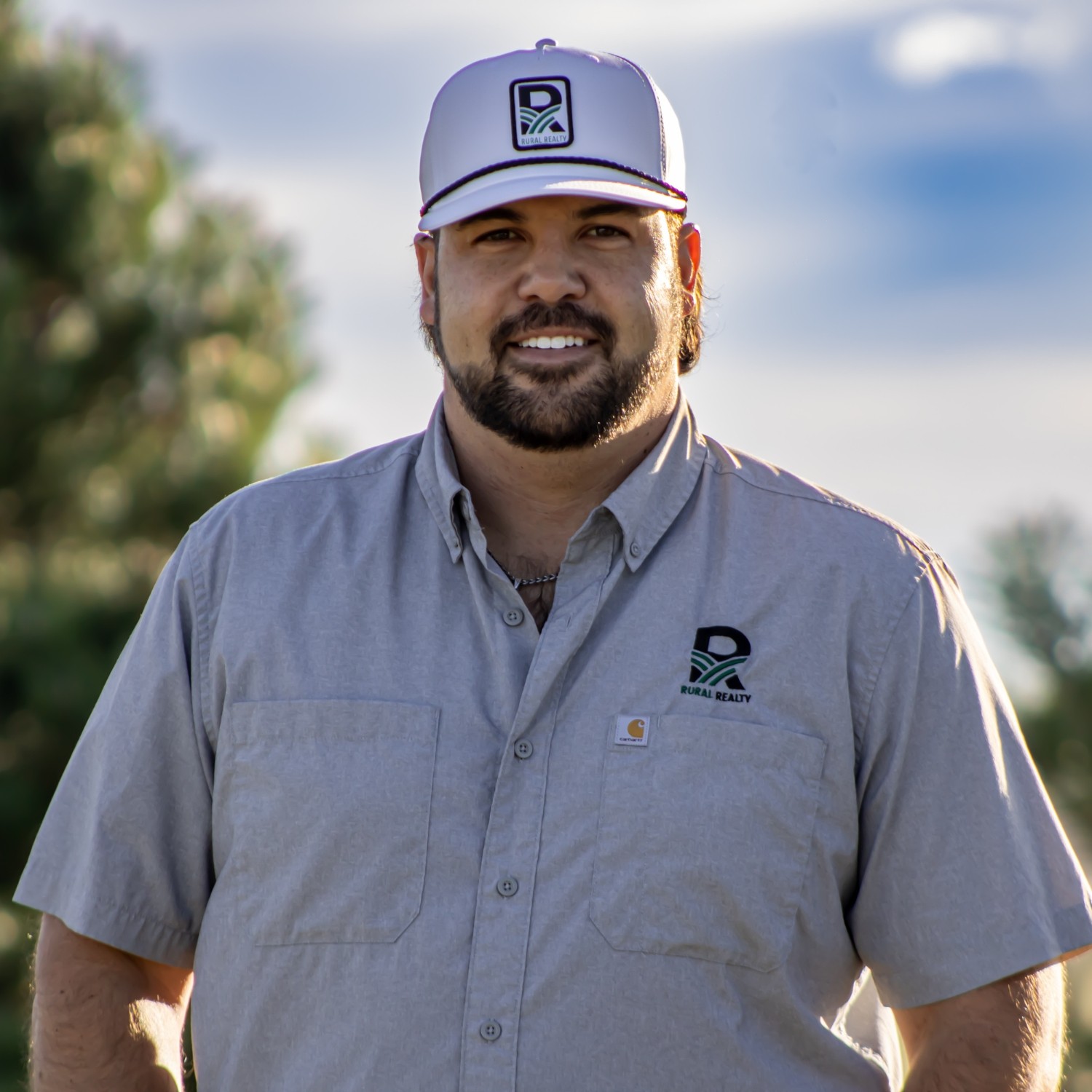
Alec Horton
Alec Horton founded Rural Realty in 2025 to help Western Kansas landowners navigate the complexities of buying and selling rural properties with confidence. Born and raised in Leoti, Alec comes from four generations of farmers, giving him a deep understanding of the land and the people who work it. After 16 years of buying and selling agricultural land for his own family’s farm, he saw firsthand the challenges landowners face—uncertain pricing, complex transactions, and a lack of dedicated rural real estate expertise. Determined to bridge that gap, he launched Rural Realty to provide honest, knowledgeable, and personalized service to farmers, ranchers, and investors. As a licensed land broker, Alec and his team brings local insight, industry expertise, and a passion for helping clients achieve their landownership goals.
Meet the Founder of Rural Realty
Alec Horton
Alec Horton founded Rural Realty in 2025 to give landowners across Western Kansas a trusted partner in buying and selling rural properties. A fourth-generation farmer from Leoti with 16 years of experience in agricultural land deals, Alec saw the need for a brokerage that truly understands the land and the people who work it. With a deep knowledge of local markets and a commitment to honest, personalized service, Rural Realty helps farmers, ranchers, and investors navigate complex transactions with confidence.
Meet the Founder of Rural Realty
Alec Horton
Alec Horton founded Rural Realty in 2025 to help Western Kansas landowners navigate the complexities of buying and selling rural properties with confidence. Born and raised in Leoti, Alec comes from four generations of farmers, giving him a deep understanding of the land and the people who work it. After 16 years of buying and selling agricultural land for his own family’s farm, he saw firsthand the challenges landowners face—uncertain pricing, complex transactions, and a lack of dedicated rural real estate expertise. Determined to bridge that gap, he launched Rural Realty to provide honest, knowledgeable, and personalized service to farmers, ranchers, and investors. As a licensed land broker, Alec and his team brings local insight, industry expertise, and a passion for helping clients achieve their landownership goals.
Farm Experience You Can Trust
Local Knowledge. Proven Results.
46+
2023-2025 Farm Transactions
18+
Years of Farmland Experience
700+
Network of Kansas Farmers
Farm Experience You Can Trust
Local Knowledge. Proven Results.
46+
2023-2025 Farm Transactions
18+
Years of Farmland Experience
700+
Network of Kansas Farmers
Farm Experience You Can Trust
Local Knowledge. Proven Results.
46+
2023-2025 Farm Transactions
18+
Years of Farmland Experience
700+
Network of Kansas Farmers
Rural Realty Services
Comprehensive Farmland Services
Explore the Comprehensive Real Estate Solutions for Kansas farmers, landowners, families, and investors at Rural Realty
Buy a Farm
Expert guidance in finding the perfect agricultural property.
Sell Your Farm
Strategic marketing and valuation for maximum return.
Land Valuation
Receive an accurate property valuation to inform your decisions.
Rural Realty Services
Comprehensive Farmland Services
Explore the Comprehensive Real Estate Solutions for Kansas farmers, landowners, families, and investors at Rural Realty
Buy a Farm
Expert guidance in finding the perfect agricultural property.
Sell Your Farm
Strategic marketing and valuation for maximum return.
Land Valuation
Receive an accurate property valuation to inform your decisions.
Rural Realty Services
Comprehensive Farmland Services
Explore the Comprehensive Real Estate Solutions for Kansas farmers, landowners, families, and investors at Rural Realty
Buy a Farm
Expert guidance in finding the perfect agricultural property.
Sell Your Farm
Strategic marketing and valuation for maximum return.
Land Valuation
Receive an accurate property valuation to inform your decisions.
Kansas Property Expertise
From farmland to family homes, Rural Realty brings generations of local expertise to every real estate transaction.
Kansas
Rural Homes
Rural Realty helps families find their perfect country property, specializing in homes with acreage across Kansas.

Kansas
Farmland
With over four generations of farming experience, Rural Realty brings unique insight to every agricultural land transaction.

Kansas
Ranchland
Rural Realty's deep understanding of ranch operations helps buyers and sellers make confident decisions about ranching properties.

Kansas
Hunting Properties
Rural Realty combines recreational value with agricultural opportunities to maximize returns on hunting property investments.

Kansas
Commercial Properties
From retail spaces to agricultural warehouses, Rural Realty guides clients through every commercial real estate transaction.

Kansas Property Expertise
From farmland to family homes, Rural Realty brings generations of local expertise to every real estate transaction.
Kansas
Rural Homes
Rural Realty helps families find their perfect country property, specializing in homes with acreage across Kansas.
Kansas
Farmland
With over four generations of farming experience, Rural Realty brings unique insight to every agricultural land transaction.
Kansas
Ranchland
Rural Realty's deep understanding of ranch operations helps buyers and sellers make confident decisions about ranching properties.
Kansas
Hunting Properties
Rural Realty combines recreational value with agricultural opportunities to maximize returns on hunting property investments.
Kansas
Commercial Properties
From retail spaces to agricultural warehouses, Rural Realty guides clients through every commercial real estate transaction.
Kansas Property Expertise
From farmland to family homes, Rural Realty brings generations of local expertise to every real estate transaction.
Kansas
Rural Homes
Rural Realty helps families find their perfect country property, specializing in homes with acreage across Kansas.
Kansas
Farmland
With over four generations of farming experience, Rural Realty brings unique insight to every agricultural land transaction.
Kansas
Ranchland
Rural Realty's deep understanding of ranch operations helps buyers and sellers make confident decisions about ranching properties.
Kansas
Hunting Properties
Rural Realty combines recreational value with agricultural opportunities to maximize returns on hunting property investments.
Kansas
Commercial Properties
From retail spaces to agricultural warehouses, Rural Realty guides clients through every commercial real estate transaction.
Ready to Buy or Sell Your Farm in Kansas?
Contact Rural Realty today for a personalized consultation about your farmland goals. Your agricultural future starts with the right land real estate agent.
Find an Agent in your Area
Contact Rural Realty
Find an Agent in your Area
Ready to Buy or Sell Your Farm in Kansas?
Contact Rural Realty today for a personalized consultation about your farmland goals. Your agricultural future starts with the right land real estate agent.
Find an Agent in your Area