Reading Kansas Farmland Auction Results to Price Your Own Land
Alec Horton
•
Rural Realty
•

Turn Auction Headlines Into Your Land’s Price Advantage
Kansas farmland auctions are busy in mid- to late summer for a reason. Planting is wrapped up, harvest has not started yet, and many families are working through estates. On top of that, buyers using 1031 exchanges are often on a timeline and eager to place money into land. All of this creates a steady stream of sales that landowners can watch.
Those auction results are one of the clearest windows you have into land valuation in Kansas. The sales are public, the terms are spelled out, and the bidding happens in the open. If you know how to read that information, you can turn auction headlines into a real pricing advantage for your own farm or ranch.
In this post, we show you how to look at auction results more like an appraiser, spot the missing details that change value, and decide when it is time to get a professional opinion instead of guessing.
What Recent Auction Prices Really Tell You
When you see a big auction price in the news, it can be tempting to grab that number and stick it on your own land. But the first step is to understand what actually sold.
At most Kansas farmland auctions, you will see:
Per acre price and total tract price
Dryland cropland, irrigated cropland, or grass
Tillable acres versus native or improved pasture
Mixes of farm ground and recreational or homestead acres
A headline might say a quarter sold for a high number per acre. That sounds great, but it may include:
Strong soils with good long-term productivity
Gentle slopes that are easy to farm
Good water access or irrigation rights
Improvements like fences, corrals, sheds, or a home
If you compare that to a rougher place with thin soil and steep draws, you are not comparing apples to apples.
One simple tool is to figure out an effective price per usable acre. To do that, you:
Start with total acres in the tract.
Subtract non-productive acres like timber, deep draws, waterways, house sites, and big ponds.
Take the total sale price and divide it by those usable acres.
That effective price tells you what buyers really paid for cropland or pasture, not for tree lines or building sites that do not bring in yearly income. When you apply this same math across several sales, you start to see a much clearer pattern.
Matching Auction Comparables to Your Own Kansas Farm
Once you know how to read one sale, the next step is picking the right sales to compare with your land. Not every Kansas auction is a good “comp” for your place.
Strong comparables usually match you on:
County or nearby counties with similar climate
Soil types and expected yields or stocking rates
Main use of the property, such as row crop, grazing, mixed operation, or hunting focus
Even within the same county, you still need to adjust in your head for key differences:
Small tracts often bring a higher per acre price than big units.
Tracts on paved or good gravel roads may bring more than land on minimum maintenance roads.
Property close to a town, grain elevator, or livestock market often has an advantage.
Seasonal and market conditions also matter. If the auction took place during a stretch of drought, worried buyers might have pulled back. If commodity prices were strong and interest rates were steady, buyers might have pushed harder. Those short-term swings can move auction prices away from the long-term trend for land valuation in Kansas, so it helps to read the sale date in context.
Decoding Hunting and Recreational Land Auction Results
Hunting and recreational properties often play by their own rules. A buyer with deer and turkey on the brain does not look at a tract the same way a grain farmer does. They may be willing to pay more for cover and seclusion than for pure production.
On these auctions, pay close attention to:
Deer quality and history of wildlife use
Mix of timber, grass, and crop fields for habitat diversity
Distance from busy roads and nearby houses
To separate the “trophy hunter” premium from basic land value, look at:
Timber to crop or grass ratios, to see how much is true habitat versus income acres
River, creek, or pond frontage, especially if it helps wildlife
Conservation programs like CRP or wetland programs that bring in yearly payments
Late summer auctions can give clues about how strong recreational demand is. Watch for:
Bidding wars on smaller tracts that work well for weekend hunters
Strong interest from out-of-state buyers who want Kansas whitetail and upland birds
Recreational tracts selling higher than expected compared to nearby farm ground
Those sales can put a halo around surrounding farms. A row crop farm with a nice creek bottom and a few timbered draws next door to a hot hunting sale might look more interesting to the next group of bidders.
Turning Auction Data Into a Working Price Range
You do not need to be an appraiser to pull some structure out of auction results. A simple process can help you turn scattered sales into a usable price range.
Here is one way to do it:
Gather 3 to 6 recent auctions from your county or nearby counties.
Break each tract down to a per acre price and, if needed, an effective price per usable acre.
Note land use, soil quality, and improvements for each sale.
Rank each auction tract as better than, similar to, or weaker than your place.
Bracket your property inside that spread of prices.
Income is also a key part of how buyers think about value. They look at:
Current cash rent on cropland
Pasture lease rates per acre or per pair
Hunting lease income or potential
Many buyers work backward from the yearly income they can collect toward a price per acre that feels fair. Strong, stable income often supports stronger values.
As you work through this, watch for common traps:
Letting one record-setting sale set your opinion for the whole neighborhood
Ignoring sale terms like seller financing, reserved minerals, or delayed possession
Leaning too hard on auction results that are several years old
Auction data is powerful when it is fresh, local, and adjusted with clear eyes. When you start feeling unsure about your adjustments or run into unusual situations, a professional opinion can save a lot of second guessing.
Putting Kansas Auction Insights to Work with Rural Realty
The process above gives you a solid starting point, but it is still only a starting point. Every tract has quirks that do not always show in a sale bill, from a wet corner that never gets planted to an old well that still has value. That is where local experience makes a difference.
At Rural Realty, we combine generational farm background with day-to-day tracking of Kansas land auctions. We are out in the counties where these sales happen, watching how bidders react to soil, water, access, and improvements. That helps us turn rough estimates into realistic price ranges tailored to specific counties, farm types, and buyer pools.
When you are ready to move from reading headlines to setting a price, gather your recent auction clippings, FSA maps, and soil reports. With the right information and local insight, those auction numbers can turn into a clear, confident plan for selling your Kansas land.
Unlock Accurate Kansas Land Values With Local Expertise
If you are weighing a purchase or sale, we can help you understand how location, soil quality, and market trends affect land valuation in Kansas. At Rural Realty, we use detailed, on-the-ground insights to give you clear numbers you can trust. Reach out today so we can walk through your goals, answer your questions, and outline your best options.

Alec Horton- Licensed KS Broker
Weekly Newsletter Update!
Join the Newsletter to Receive Kansas Market Updates
Stay up-to-date with the latest land prices, properties for sale, and tips for managing and selling your farm!
Blog Articles

Unexpected Income Streams on Kansas Ranch Land for Sale
Alec Horton
Learn More

Evaluating Kansas Farmland Rental History Before You Buy
Alec Horton
Learn More

Kansas Ranch Listing Terms: Stocking Rate, AUMs, Carrying Capacity
Alec Horton
Learn More

Leasing vs. Selling Kansas Farmland: Choosing the Right Path
Alec Horton
Learn More

Reading Kansas Land Listings When You Want Hunting Income
Alec Horton
Learn More
Reading Kansas Farmland Auction Results to Price Your Own Land
Alec Horton
•
Rural Realty
Turn Auction Headlines Into Your Land’s Price Advantage
Kansas farmland auctions are busy in mid- to late summer for a reason. Planting is wrapped up, harvest has not started yet, and many families are working through estates. On top of that, buyers using 1031 exchanges are often on a timeline and eager to place money into land. All of this creates a steady stream of sales that landowners can watch.
Those auction results are one of the clearest windows you have into land valuation in Kansas. The sales are public, the terms are spelled out, and the bidding happens in the open. If you know how to read that information, you can turn auction headlines into a real pricing advantage for your own farm or ranch.
In this post, we show you how to look at auction results more like an appraiser, spot the missing details that change value, and decide when it is time to get a professional opinion instead of guessing.
What Recent Auction Prices Really Tell You
When you see a big auction price in the news, it can be tempting to grab that number and stick it on your own land. But the first step is to understand what actually sold.
At most Kansas farmland auctions, you will see:
Per acre price and total tract price
Dryland cropland, irrigated cropland, or grass
Tillable acres versus native or improved pasture
Mixes of farm ground and recreational or homestead acres
A headline might say a quarter sold for a high number per acre. That sounds great, but it may include:
Strong soils with good long-term productivity
Gentle slopes that are easy to farm
Good water access or irrigation rights
Improvements like fences, corrals, sheds, or a home
If you compare that to a rougher place with thin soil and steep draws, you are not comparing apples to apples.
One simple tool is to figure out an effective price per usable acre. To do that, you:
Start with total acres in the tract.
Subtract non-productive acres like timber, deep draws, waterways, house sites, and big ponds.
Take the total sale price and divide it by those usable acres.
That effective price tells you what buyers really paid for cropland or pasture, not for tree lines or building sites that do not bring in yearly income. When you apply this same math across several sales, you start to see a much clearer pattern.
Matching Auction Comparables to Your Own Kansas Farm
Once you know how to read one sale, the next step is picking the right sales to compare with your land. Not every Kansas auction is a good “comp” for your place.
Strong comparables usually match you on:
County or nearby counties with similar climate
Soil types and expected yields or stocking rates
Main use of the property, such as row crop, grazing, mixed operation, or hunting focus
Even within the same county, you still need to adjust in your head for key differences:
Small tracts often bring a higher per acre price than big units.
Tracts on paved or good gravel roads may bring more than land on minimum maintenance roads.
Property close to a town, grain elevator, or livestock market often has an advantage.
Seasonal and market conditions also matter. If the auction took place during a stretch of drought, worried buyers might have pulled back. If commodity prices were strong and interest rates were steady, buyers might have pushed harder. Those short-term swings can move auction prices away from the long-term trend for land valuation in Kansas, so it helps to read the sale date in context.
Decoding Hunting and Recreational Land Auction Results
Hunting and recreational properties often play by their own rules. A buyer with deer and turkey on the brain does not look at a tract the same way a grain farmer does. They may be willing to pay more for cover and seclusion than for pure production.
On these auctions, pay close attention to:
Deer quality and history of wildlife use
Mix of timber, grass, and crop fields for habitat diversity
Distance from busy roads and nearby houses
To separate the “trophy hunter” premium from basic land value, look at:
Timber to crop or grass ratios, to see how much is true habitat versus income acres
River, creek, or pond frontage, especially if it helps wildlife
Conservation programs like CRP or wetland programs that bring in yearly payments
Late summer auctions can give clues about how strong recreational demand is. Watch for:
Bidding wars on smaller tracts that work well for weekend hunters
Strong interest from out-of-state buyers who want Kansas whitetail and upland birds
Recreational tracts selling higher than expected compared to nearby farm ground
Those sales can put a halo around surrounding farms. A row crop farm with a nice creek bottom and a few timbered draws next door to a hot hunting sale might look more interesting to the next group of bidders.
Turning Auction Data Into a Working Price Range
You do not need to be an appraiser to pull some structure out of auction results. A simple process can help you turn scattered sales into a usable price range.
Here is one way to do it:
Gather 3 to 6 recent auctions from your county or nearby counties.
Break each tract down to a per acre price and, if needed, an effective price per usable acre.
Note land use, soil quality, and improvements for each sale.
Rank each auction tract as better than, similar to, or weaker than your place.
Bracket your property inside that spread of prices.
Income is also a key part of how buyers think about value. They look at:
Current cash rent on cropland
Pasture lease rates per acre or per pair
Hunting lease income or potential
Many buyers work backward from the yearly income they can collect toward a price per acre that feels fair. Strong, stable income often supports stronger values.
As you work through this, watch for common traps:
Letting one record-setting sale set your opinion for the whole neighborhood
Ignoring sale terms like seller financing, reserved minerals, or delayed possession
Leaning too hard on auction results that are several years old
Auction data is powerful when it is fresh, local, and adjusted with clear eyes. When you start feeling unsure about your adjustments or run into unusual situations, a professional opinion can save a lot of second guessing.
Putting Kansas Auction Insights to Work with Rural Realty
The process above gives you a solid starting point, but it is still only a starting point. Every tract has quirks that do not always show in a sale bill, from a wet corner that never gets planted to an old well that still has value. That is where local experience makes a difference.
At Rural Realty, we combine generational farm background with day-to-day tracking of Kansas land auctions. We are out in the counties where these sales happen, watching how bidders react to soil, water, access, and improvements. That helps us turn rough estimates into realistic price ranges tailored to specific counties, farm types, and buyer pools.
When you are ready to move from reading headlines to setting a price, gather your recent auction clippings, FSA maps, and soil reports. With the right information and local insight, those auction numbers can turn into a clear, confident plan for selling your Kansas land.
Unlock Accurate Kansas Land Values With Local Expertise
If you are weighing a purchase or sale, we can help you understand how location, soil quality, and market trends affect land valuation in Kansas. At Rural Realty, we use detailed, on-the-ground insights to give you clear numbers you can trust. Reach out today so we can walk through your goals, answer your questions, and outline your best options.
Reading Kansas Farmland Auction Results to Price Your Own Land
Alec Horton
•
Rural Realty
•
Turn Auction Headlines Into Your Land’s Price Advantage
Kansas farmland auctions are busy in mid- to late summer for a reason. Planting is wrapped up, harvest has not started yet, and many families are working through estates. On top of that, buyers using 1031 exchanges are often on a timeline and eager to place money into land. All of this creates a steady stream of sales that landowners can watch.
Those auction results are one of the clearest windows you have into land valuation in Kansas. The sales are public, the terms are spelled out, and the bidding happens in the open. If you know how to read that information, you can turn auction headlines into a real pricing advantage for your own farm or ranch.
In this post, we show you how to look at auction results more like an appraiser, spot the missing details that change value, and decide when it is time to get a professional opinion instead of guessing.
What Recent Auction Prices Really Tell You
When you see a big auction price in the news, it can be tempting to grab that number and stick it on your own land. But the first step is to understand what actually sold.
At most Kansas farmland auctions, you will see:
Per acre price and total tract price
Dryland cropland, irrigated cropland, or grass
Tillable acres versus native or improved pasture
Mixes of farm ground and recreational or homestead acres
A headline might say a quarter sold for a high number per acre. That sounds great, but it may include:
Strong soils with good long-term productivity
Gentle slopes that are easy to farm
Good water access or irrigation rights
Improvements like fences, corrals, sheds, or a home
If you compare that to a rougher place with thin soil and steep draws, you are not comparing apples to apples.
One simple tool is to figure out an effective price per usable acre. To do that, you:
Start with total acres in the tract.
Subtract non-productive acres like timber, deep draws, waterways, house sites, and big ponds.
Take the total sale price and divide it by those usable acres.
That effective price tells you what buyers really paid for cropland or pasture, not for tree lines or building sites that do not bring in yearly income. When you apply this same math across several sales, you start to see a much clearer pattern.
Matching Auction Comparables to Your Own Kansas Farm
Once you know how to read one sale, the next step is picking the right sales to compare with your land. Not every Kansas auction is a good “comp” for your place.
Strong comparables usually match you on:
County or nearby counties with similar climate
Soil types and expected yields or stocking rates
Main use of the property, such as row crop, grazing, mixed operation, or hunting focus
Even within the same county, you still need to adjust in your head for key differences:
Small tracts often bring a higher per acre price than big units.
Tracts on paved or good gravel roads may bring more than land on minimum maintenance roads.
Property close to a town, grain elevator, or livestock market often has an advantage.
Seasonal and market conditions also matter. If the auction took place during a stretch of drought, worried buyers might have pulled back. If commodity prices were strong and interest rates were steady, buyers might have pushed harder. Those short-term swings can move auction prices away from the long-term trend for land valuation in Kansas, so it helps to read the sale date in context.
Decoding Hunting and Recreational Land Auction Results
Hunting and recreational properties often play by their own rules. A buyer with deer and turkey on the brain does not look at a tract the same way a grain farmer does. They may be willing to pay more for cover and seclusion than for pure production.
On these auctions, pay close attention to:
Deer quality and history of wildlife use
Mix of timber, grass, and crop fields for habitat diversity
Distance from busy roads and nearby houses
To separate the “trophy hunter” premium from basic land value, look at:
Timber to crop or grass ratios, to see how much is true habitat versus income acres
River, creek, or pond frontage, especially if it helps wildlife
Conservation programs like CRP or wetland programs that bring in yearly payments
Late summer auctions can give clues about how strong recreational demand is. Watch for:
Bidding wars on smaller tracts that work well for weekend hunters
Strong interest from out-of-state buyers who want Kansas whitetail and upland birds
Recreational tracts selling higher than expected compared to nearby farm ground
Those sales can put a halo around surrounding farms. A row crop farm with a nice creek bottom and a few timbered draws next door to a hot hunting sale might look more interesting to the next group of bidders.
Turning Auction Data Into a Working Price Range
You do not need to be an appraiser to pull some structure out of auction results. A simple process can help you turn scattered sales into a usable price range.
Here is one way to do it:
Gather 3 to 6 recent auctions from your county or nearby counties.
Break each tract down to a per acre price and, if needed, an effective price per usable acre.
Note land use, soil quality, and improvements for each sale.
Rank each auction tract as better than, similar to, or weaker than your place.
Bracket your property inside that spread of prices.
Income is also a key part of how buyers think about value. They look at:
Current cash rent on cropland
Pasture lease rates per acre or per pair
Hunting lease income or potential
Many buyers work backward from the yearly income they can collect toward a price per acre that feels fair. Strong, stable income often supports stronger values.
As you work through this, watch for common traps:
Letting one record-setting sale set your opinion for the whole neighborhood
Ignoring sale terms like seller financing, reserved minerals, or delayed possession
Leaning too hard on auction results that are several years old
Auction data is powerful when it is fresh, local, and adjusted with clear eyes. When you start feeling unsure about your adjustments or run into unusual situations, a professional opinion can save a lot of second guessing.
Putting Kansas Auction Insights to Work with Rural Realty
The process above gives you a solid starting point, but it is still only a starting point. Every tract has quirks that do not always show in a sale bill, from a wet corner that never gets planted to an old well that still has value. That is where local experience makes a difference.
At Rural Realty, we combine generational farm background with day-to-day tracking of Kansas land auctions. We are out in the counties where these sales happen, watching how bidders react to soil, water, access, and improvements. That helps us turn rough estimates into realistic price ranges tailored to specific counties, farm types, and buyer pools.
When you are ready to move from reading headlines to setting a price, gather your recent auction clippings, FSA maps, and soil reports. With the right information and local insight, those auction numbers can turn into a clear, confident plan for selling your Kansas land.
Unlock Accurate Kansas Land Values With Local Expertise
If you are weighing a purchase or sale, we can help you understand how location, soil quality, and market trends affect land valuation in Kansas. At Rural Realty, we use detailed, on-the-ground insights to give you clear numbers you can trust. Reach out today so we can walk through your goals, answer your questions, and outline your best options.
Meet the Founder of Rural Realty
Alec Horton
Alec Horton founded Rural Realty in 2025 to help Western Kansas landowners navigate the complexities of buying and selling rural properties with confidence. Born and raised in Leoti, Alec comes from four generations of farmers, giving him a deep understanding of the land and the people who work it. After 16 years of buying and selling agricultural land for his own family’s farm, he saw firsthand the challenges landowners face—uncertain pricing, complex transactions, and a lack of dedicated rural real estate expertise. Determined to bridge that gap, he launched Rural Realty to provide honest, knowledgeable, and personalized service to farmers, ranchers, and investors. As a licensed land broker, Alec and his team brings local insight, industry expertise, and a passion for helping clients achieve their landownership goals.

Meet the Founder of Rural Realty
Alec Horton
Alec Horton founded Rural Realty in 2025 to give landowners across Western Kansas a trusted partner in buying and selling rural properties. A fourth-generation farmer from Leoti with 16 years of experience in agricultural land deals, Alec saw the need for a brokerage that truly understands the land and the people who work it. With a deep knowledge of local markets and a commitment to honest, personalized service, Rural Realty helps farmers, ranchers, and investors navigate complex transactions with confidence.
Meet the Founder of Rural Realty
Alec Horton
Alec Horton founded Rural Realty in 2025 to help Western Kansas landowners navigate the complexities of buying and selling rural properties with confidence. Born and raised in Leoti, Alec comes from four generations of farmers, giving him a deep understanding of the land and the people who work it. After 16 years of buying and selling agricultural land for his own family’s farm, he saw firsthand the challenges landowners face—uncertain pricing, complex transactions, and a lack of dedicated rural real estate expertise. Determined to bridge that gap, he launched Rural Realty to provide honest, knowledgeable, and personalized service to farmers, ranchers, and investors. As a licensed land broker, Alec and his team brings local insight, industry expertise, and a passion for helping clients achieve their landownership goals.
Farm Experience You Can Trust
Local Knowledge. Proven Results.
46+
2023-2025 Farm Transactions
18+
Years of Farmland Experience
700+
Network of Kansas Farmers
Farm Experience You Can Trust
Local Knowledge. Proven Results.
46+
2023-2025 Farm Transactions
18+
Years of Farmland Experience
700+
Network of Kansas Farmers
Farm Experience You Can Trust
Local Knowledge. Proven Results.
46+
2023-2025 Farm Transactions
18+
Years of Farmland Experience
700+
Network of Kansas Farmers
Rural Realty Services
Comprehensive Farmland Services
Explore the Comprehensive Real Estate Solutions for Kansas farmers, landowners, families, and investors at Rural Realty
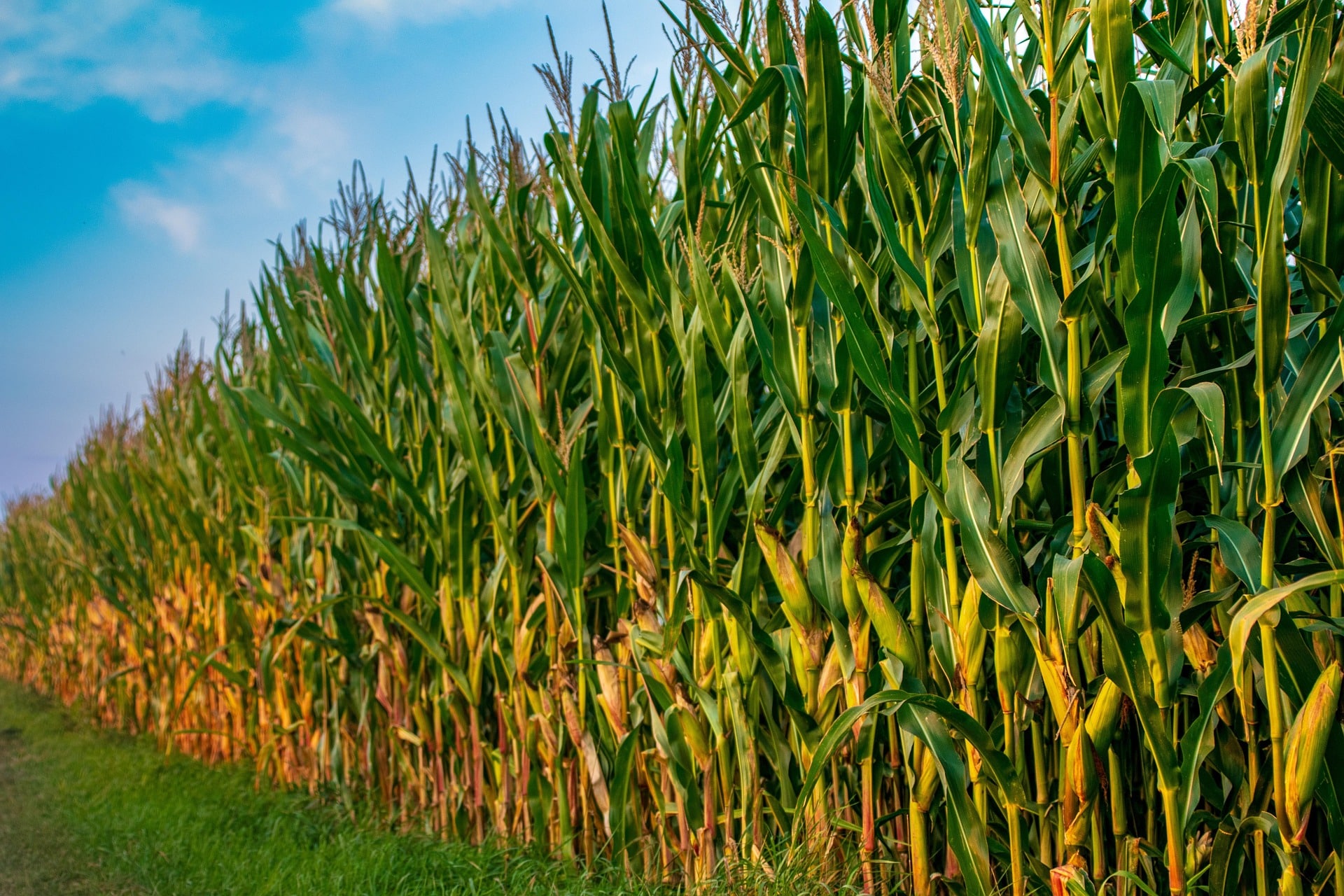
Buy a Farm
Expert guidance in finding the perfect agricultural property.
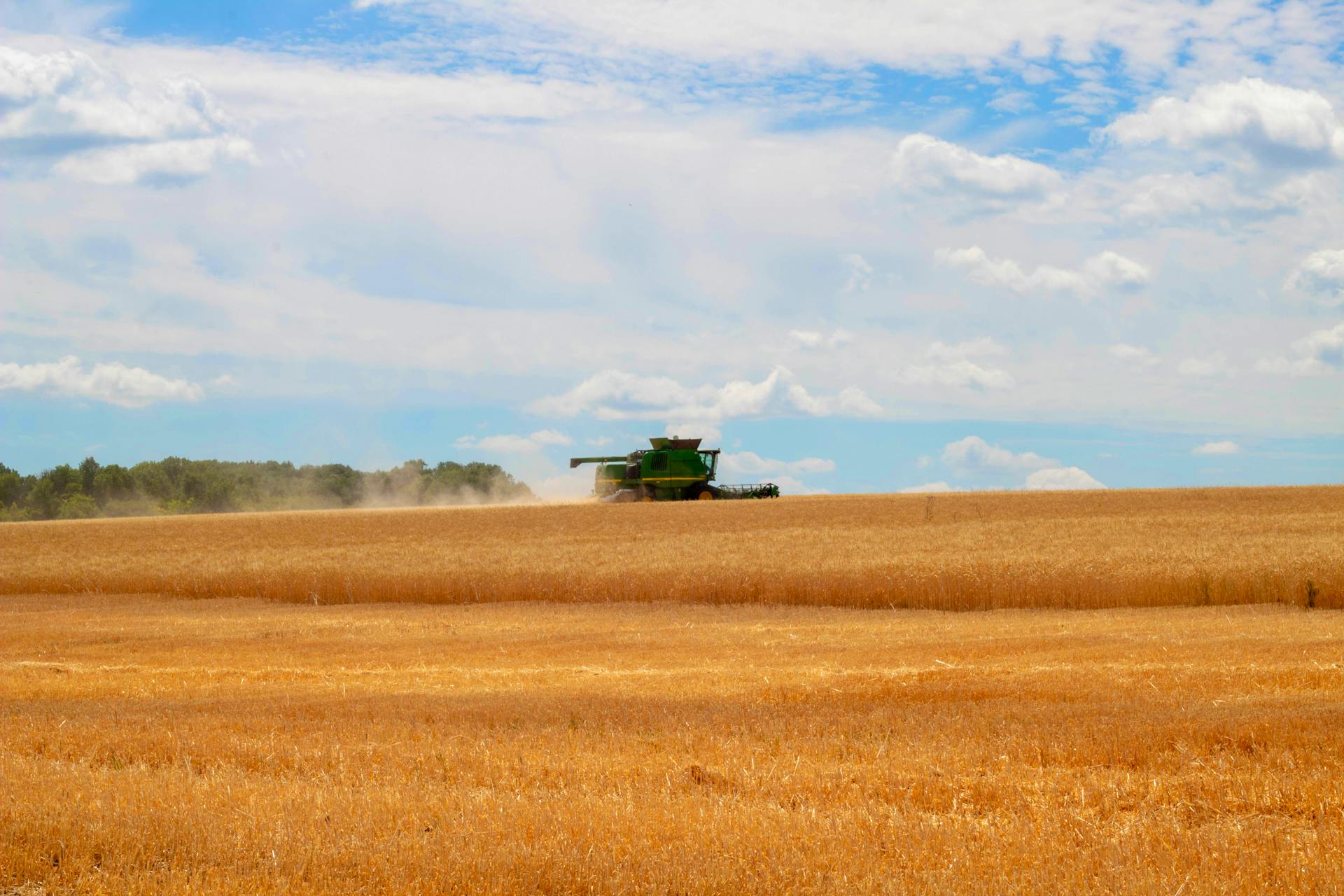
Sell Your Farm
Strategic marketing and valuation for maximum return.
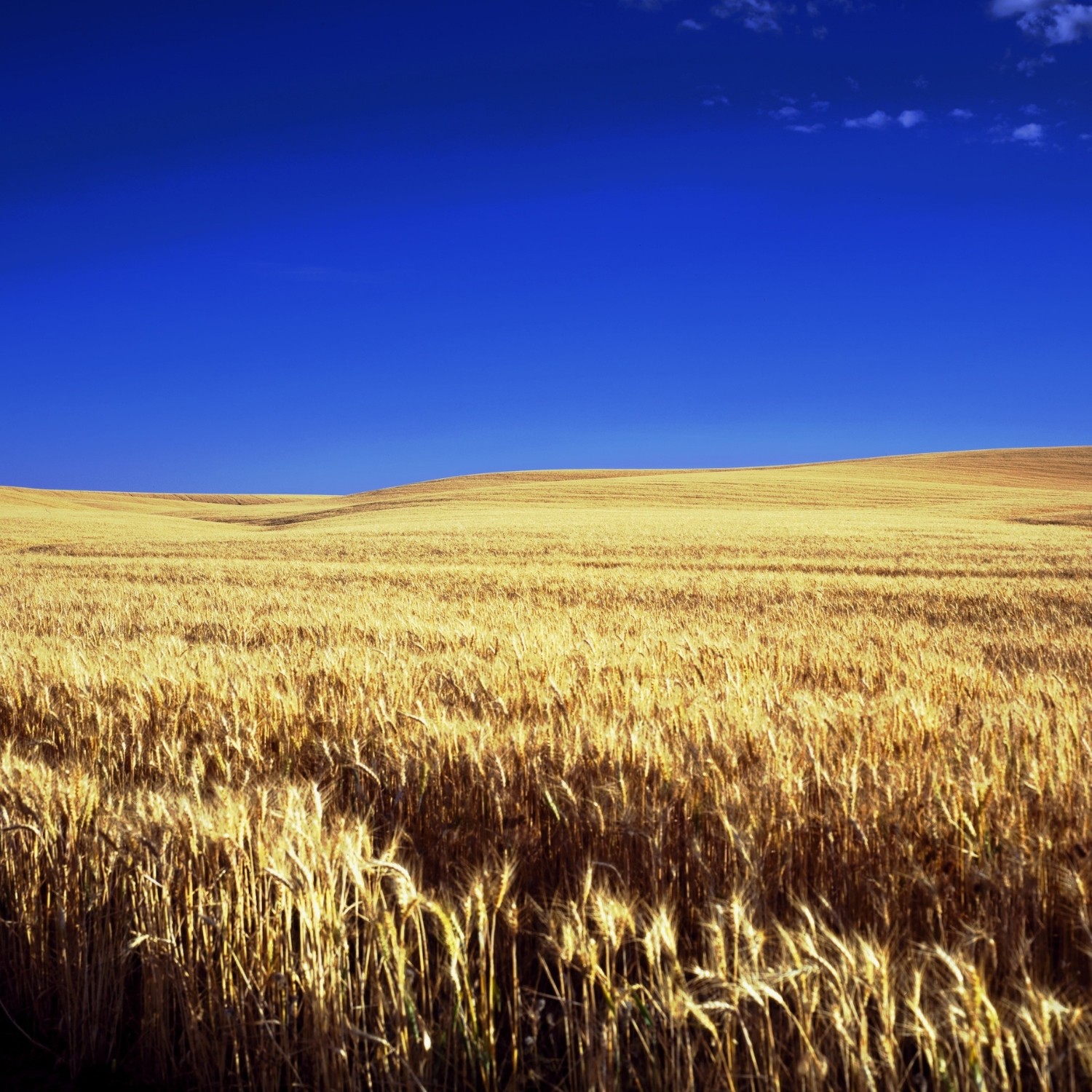
Land Valuation
Receive an accurate property valuation to inform your decisions.
Rural Realty Services
Comprehensive Farmland Services
Explore the Comprehensive Real Estate Solutions for Kansas farmers, landowners, families, and investors at Rural Realty
Buy a Farm
Expert guidance in finding the perfect agricultural property.
Sell Your Farm
Strategic marketing and valuation for maximum return.
Land Valuation
Receive an accurate property valuation to inform your decisions.
Rural Realty Services
Comprehensive Farmland Services
Explore the Comprehensive Real Estate Solutions for Kansas farmers, landowners, families, and investors at Rural Realty
Buy a Farm
Expert guidance in finding the perfect agricultural property.
Sell Your Farm
Strategic marketing and valuation for maximum return.
Land Valuation
Receive an accurate property valuation to inform your decisions.
Kansas Property Expertise
From farmland to family homes, Rural Realty brings generations of local expertise to every real estate transaction.
Kansas
Rural Homes
Rural Realty helps families find their perfect country property, specializing in homes with acreage across Kansas.

Kansas
Farmland
With over four generations of farming experience, Rural Realty brings unique insight to every agricultural land transaction.

Kansas
Ranchland
Rural Realty's deep understanding of ranch operations helps buyers and sellers make confident decisions about ranching properties.

Kansas
Hunting Properties
Rural Realty combines recreational value with agricultural opportunities to maximize returns on hunting property investments.

Kansas
Commercial Properties
From retail spaces to agricultural warehouses, Rural Realty guides clients through every commercial real estate transaction.

Kansas Property Expertise
From farmland to family homes, Rural Realty brings generations of local expertise to every real estate transaction.
Kansas
Rural Homes
Rural Realty helps families find their perfect country property, specializing in homes with acreage across Kansas.
Kansas
Farmland
With over four generations of farming experience, Rural Realty brings unique insight to every agricultural land transaction.
Kansas
Ranchland
Rural Realty's deep understanding of ranch operations helps buyers and sellers make confident decisions about ranching properties.
Kansas
Hunting Properties
Rural Realty combines recreational value with agricultural opportunities to maximize returns on hunting property investments.
Kansas
Commercial Properties
From retail spaces to agricultural warehouses, Rural Realty guides clients through every commercial real estate transaction.
Kansas Property Expertise
From farmland to family homes, Rural Realty brings generations of local expertise to every real estate transaction.
Kansas
Rural Homes
Rural Realty helps families find their perfect country property, specializing in homes with acreage across Kansas.
Kansas
Farmland
With over four generations of farming experience, Rural Realty brings unique insight to every agricultural land transaction.
Kansas
Ranchland
Rural Realty's deep understanding of ranch operations helps buyers and sellers make confident decisions about ranching properties.
Kansas
Hunting Properties
Rural Realty combines recreational value with agricultural opportunities to maximize returns on hunting property investments.
Kansas
Commercial Properties
From retail spaces to agricultural warehouses, Rural Realty guides clients through every commercial real estate transaction.
Ready to Buy or Sell Your Farm in Kansas?
Contact Rural Realty today for a personalized consultation about your farmland goals. Your agricultural future starts with the right land real estate agent.
Find an Agent in your Area
Contact Rural Realty
Find an Agent in your Area
Ready to Buy or Sell Your Farm in Kansas?
Contact Rural Realty today for a personalized consultation about your farmland goals. Your agricultural future starts with the right land real estate agent.
Find an Agent in your Area