Reading Kansas Land Listings When You Want Hunting Income
Alec Horton
•
Rural Realty
•

Turn Kansas Hunting Ground Into Reliable Income
Buying Kansas land for hunting income sounds simple. Scroll through hunting properties for sale, pick the prettiest place with a creek and some trees, then wait on lease checks and big deer. But once you start reading listings, it can feel like a different language.
Kansas is known for whitetails and upland birds, and the right tract can help cover taxes, pay part of the note, and still give you a place to hunt. The trick is learning how to read between the lines. In this guide, we will walk through how to decode listings so you can spot real income potential, avoid problem properties, and ask smart questions before you ever step out of the truck.
Clarify Your Hunting Income Game Plan
Before you scroll another page of hunting properties for sale, you need a clear plan. The same farm will look very different to someone chasing big bucks versus someone focused on pheasants or waterfowl.
First, nail down your main hunting focus:
Trophy whitetails
Upland birds
Turkeys
Waterfowl
A mix of several species
Each one needs different habitat. Big whitetails like cover, edges, and quiet neighbors. Upland birds need grass and grain fields. Ducks want water, cover, and low pressure.
Next, think about how you want to earn income:
Seasonal leases for deer or birds
Year-round access leases
A few short, guided hunts
Mostly friends and family, with a couple of paying hunters
Your income style affects what you need. Guiding and hosting groups work better with good parking, a driveway that does not turn to mud, maybe a small cabin or spot for campers. Simple seasonal leases might only need a solid entrance and clear boundaries.
You also need to decide how much you plan to hunt it yourself. If you want your own low-pressure trophy spot, you may not want to pack in a lot of lease hunters. That changes how you think about carrying capacity, stand locations, and when others can be on the property.
Finally, set realistic expectations. Lease rates change by region, habitat quality, and species focus. Being honest about what you need for a return helps you rule out properties that simply cannot support your goals, no matter how pretty the photos look.
What Listing Details Reveal About Wildlife Potential
Once your goals are clear, the real work starts with the listing details. The habitat mix on paper tells you a lot about what income you can expect later.
Pay close attention to the acreage breakdown:
Timber or tree rows
Pasture and native grass
Tillable acres
CRP or similar cover programs
Creek bottoms and draws
A mix of cover types often beats a big block of only one thing. For both deer and pheasants, patches of grass, crops, and cover let wildlife feed, bed, and move with less pressure. If the listing says almost all open tillable with no cover, you will likely need habitat work before it brings strong hunting income.
Water is another major clue. Listings that mention live water, year-round creeks, stock ponds, or wetlands usually hold more consistent wildlife use. Game needs water every day, especially in Kansas summers, and water can pull animals from neighboring properties.
Also study what the listing says about access and nearby land use. Phrases that can signal good potential include:
Dead-end or low-traffic road
Limited public access in the area
Large neighboring farms or ranches
On the other hand, lots of road frontage, or being surrounded by small tracts, can mean more eyes, more pressure, and more risk of trespass.
If you are buying in late summer, pay attention to crop mentions. Soybeans, milo, corn, and alfalfa all help draw deer and birds as seasons open. Mast trees like oaks do the same. A listing that notes current crops or strong fall food sources might give you income sooner.
Hidden Clues in Photos, Maps, and Aerials
Most buyers look at listing photos for pretty views. As hunters, we want to read them like sign.
Look closely at ground photos. Try to spot:
Game trails along fence lines or creek edges
Rubs on trees and scraped-up saplings
Worn crossings in fences or ditches
Secluded corners of fields that would set up well for stands
A property with natural travel routes and pinch points is easier to lease, since hunters can picture where to sit and how animals move.
Aerials and maps are just as important. From above, check for:
Narrow tree lines connecting bigger cover
Shelterbelts along fields
Creek crossings and bends
Odd-shaped field edges that create funnels
Sometimes a simple rectangle hunts much bigger than it looks if the layout creates good travel corridors and bedding areas.
Think about logistics too. If you plan to host hunters, you want:
Safe parking off the road
Room for a small cabin or campers
Enough entrance points to spread hunters out
Finally, watch for signs of pressure in photos and aerials. Visible blinds on the fence, heavy ATV trails, or lots of activity along the line can hint at surrounding hunting pressure that may hurt long-term income.
Income Drivers Buried in the Fine Print
Some of the most important income clues hide in the boring parts of a listing. That fine print can help or hurt your hunting plan.
Look for any existing income streams:
CRP or similar conservation payments
Hay or grazing leases
Crop-share agreements
These can stack with hunting income, but they can also affect habitat. Heavy grazing or constant hay cutting can reduce cover for nesting birds or bedding deer. You want to know what is in place and how long it runs.
Also remember that not every acre is huntable. When comparing hunting properties for sale, think in terms of:
Huntable acres, the parts you can actually hunt and place stands
Support acres, open or working areas that help wildlife but are not prime stand sites
A smaller tract with a high share of huntable acres might bring better lease income than a larger farm with limited cover.
Pay close attention to anything about access, easements, or shared driveways. Wording like easement access or no deeded access means you need to think about parking, liability, and how your hunters will reach the property without conflict. Clear boundary lines and good neighbor relationships make managing paid hunters much easier.
Finally, check mentions of utilities and improvements. Rural water, electricity, an old cabin, or a shop can set up well for hosted hunts or higher lease rates. A simple building that keeps hunters warm and dry can make your place more attractive than a bare piece of ground.
Questions to Ask and How to Build a Smart Shortlist
Before you ever tour a farm, get on the phone with the listing agent and ask focused questions. That saves time and helps you sort out which properties are worth the drive.
Key questions include:
How has the property been hunted in recent seasons?
Are there any photos or records of past harvests?
Has it been heavily leased to large groups, or lightly hunted?
Are there any written leases or agreements that a new owner must honor?
What is the current fencing and survey status?
Are there any recorded easements or access quirks?
You can also ask about simple improvements. Food plots, better access trails, a few well-placed blinds, or a small cabin can raise lease appeal. Knowing what you can do soon after closing helps you plan short-term and long-term income.
As you sort through options, build a simple comparison checklist and score each property on:
Habitat diversity and cover
Water sources
Access and parking
Neighbor situation and visible pressure
Existing income and contracts
Room for upgrades
If you are buying in late summer, time matters. Walk the property, confirm sign, place a few stands, and line up lease hunters before fall seasons arrive. That way your new Kansas tract can start working for you as soon as possible.
Rural Realty is based right here in Kansas, and our background in local farming and rural ground helps us look past shiny listing photos, and into real hunting and income potential. When you read listings with a clear plan and a trained eye, you put yourself in a much better position to turn the right hunting property into steady, long-term income.
Find Your Ideal Hunting Property With Local Experts
If you are ready to own ground you can hunt, explore our curated selection of hunting properties for sale and see what fits your goals. At Rural Realty, we use our local knowledge and land expertise to help you evaluate access, habitat, and long-term value. Tell us what kind of hunting experience you want, and we will guide you to the tracts that match your vision.

Alec Horton- Licensed KS Broker
Weekly Newsletter Update!
Join the Newsletter to Receive Kansas Market Updates
Stay up-to-date with the latest land prices, properties for sale, and tips for managing and selling your farm!
Blog Articles

Unexpected Income Streams on Kansas Ranch Land for Sale
Alec Horton
Learn More

Evaluating Kansas Farmland Rental History Before You Buy
Alec Horton
Learn More

Kansas Ranch Listing Terms: Stocking Rate, AUMs, Carrying Capacity
Alec Horton
Learn More

Leasing vs. Selling Kansas Farmland: Choosing the Right Path
Alec Horton
Learn More

Weather Shifts That Quietly Change Kansas Farmland Value
Alec Horton
Learn More
Reading Kansas Land Listings When You Want Hunting Income
Alec Horton
•
Rural Realty
Turn Kansas Hunting Ground Into Reliable Income
Buying Kansas land for hunting income sounds simple. Scroll through hunting properties for sale, pick the prettiest place with a creek and some trees, then wait on lease checks and big deer. But once you start reading listings, it can feel like a different language.
Kansas is known for whitetails and upland birds, and the right tract can help cover taxes, pay part of the note, and still give you a place to hunt. The trick is learning how to read between the lines. In this guide, we will walk through how to decode listings so you can spot real income potential, avoid problem properties, and ask smart questions before you ever step out of the truck.
Clarify Your Hunting Income Game Plan
Before you scroll another page of hunting properties for sale, you need a clear plan. The same farm will look very different to someone chasing big bucks versus someone focused on pheasants or waterfowl.
First, nail down your main hunting focus:
Trophy whitetails
Upland birds
Turkeys
Waterfowl
A mix of several species
Each one needs different habitat. Big whitetails like cover, edges, and quiet neighbors. Upland birds need grass and grain fields. Ducks want water, cover, and low pressure.
Next, think about how you want to earn income:
Seasonal leases for deer or birds
Year-round access leases
A few short, guided hunts
Mostly friends and family, with a couple of paying hunters
Your income style affects what you need. Guiding and hosting groups work better with good parking, a driveway that does not turn to mud, maybe a small cabin or spot for campers. Simple seasonal leases might only need a solid entrance and clear boundaries.
You also need to decide how much you plan to hunt it yourself. If you want your own low-pressure trophy spot, you may not want to pack in a lot of lease hunters. That changes how you think about carrying capacity, stand locations, and when others can be on the property.
Finally, set realistic expectations. Lease rates change by region, habitat quality, and species focus. Being honest about what you need for a return helps you rule out properties that simply cannot support your goals, no matter how pretty the photos look.
What Listing Details Reveal About Wildlife Potential
Once your goals are clear, the real work starts with the listing details. The habitat mix on paper tells you a lot about what income you can expect later.
Pay close attention to the acreage breakdown:
Timber or tree rows
Pasture and native grass
Tillable acres
CRP or similar cover programs
Creek bottoms and draws
A mix of cover types often beats a big block of only one thing. For both deer and pheasants, patches of grass, crops, and cover let wildlife feed, bed, and move with less pressure. If the listing says almost all open tillable with no cover, you will likely need habitat work before it brings strong hunting income.
Water is another major clue. Listings that mention live water, year-round creeks, stock ponds, or wetlands usually hold more consistent wildlife use. Game needs water every day, especially in Kansas summers, and water can pull animals from neighboring properties.
Also study what the listing says about access and nearby land use. Phrases that can signal good potential include:
Dead-end or low-traffic road
Limited public access in the area
Large neighboring farms or ranches
On the other hand, lots of road frontage, or being surrounded by small tracts, can mean more eyes, more pressure, and more risk of trespass.
If you are buying in late summer, pay attention to crop mentions. Soybeans, milo, corn, and alfalfa all help draw deer and birds as seasons open. Mast trees like oaks do the same. A listing that notes current crops or strong fall food sources might give you income sooner.
Hidden Clues in Photos, Maps, and Aerials
Most buyers look at listing photos for pretty views. As hunters, we want to read them like sign.
Look closely at ground photos. Try to spot:
Game trails along fence lines or creek edges
Rubs on trees and scraped-up saplings
Worn crossings in fences or ditches
Secluded corners of fields that would set up well for stands
A property with natural travel routes and pinch points is easier to lease, since hunters can picture where to sit and how animals move.
Aerials and maps are just as important. From above, check for:
Narrow tree lines connecting bigger cover
Shelterbelts along fields
Creek crossings and bends
Odd-shaped field edges that create funnels
Sometimes a simple rectangle hunts much bigger than it looks if the layout creates good travel corridors and bedding areas.
Think about logistics too. If you plan to host hunters, you want:
Safe parking off the road
Room for a small cabin or campers
Enough entrance points to spread hunters out
Finally, watch for signs of pressure in photos and aerials. Visible blinds on the fence, heavy ATV trails, or lots of activity along the line can hint at surrounding hunting pressure that may hurt long-term income.
Income Drivers Buried in the Fine Print
Some of the most important income clues hide in the boring parts of a listing. That fine print can help or hurt your hunting plan.
Look for any existing income streams:
CRP or similar conservation payments
Hay or grazing leases
Crop-share agreements
These can stack with hunting income, but they can also affect habitat. Heavy grazing or constant hay cutting can reduce cover for nesting birds or bedding deer. You want to know what is in place and how long it runs.
Also remember that not every acre is huntable. When comparing hunting properties for sale, think in terms of:
Huntable acres, the parts you can actually hunt and place stands
Support acres, open or working areas that help wildlife but are not prime stand sites
A smaller tract with a high share of huntable acres might bring better lease income than a larger farm with limited cover.
Pay close attention to anything about access, easements, or shared driveways. Wording like easement access or no deeded access means you need to think about parking, liability, and how your hunters will reach the property without conflict. Clear boundary lines and good neighbor relationships make managing paid hunters much easier.
Finally, check mentions of utilities and improvements. Rural water, electricity, an old cabin, or a shop can set up well for hosted hunts or higher lease rates. A simple building that keeps hunters warm and dry can make your place more attractive than a bare piece of ground.
Questions to Ask and How to Build a Smart Shortlist
Before you ever tour a farm, get on the phone with the listing agent and ask focused questions. That saves time and helps you sort out which properties are worth the drive.
Key questions include:
How has the property been hunted in recent seasons?
Are there any photos or records of past harvests?
Has it been heavily leased to large groups, or lightly hunted?
Are there any written leases or agreements that a new owner must honor?
What is the current fencing and survey status?
Are there any recorded easements or access quirks?
You can also ask about simple improvements. Food plots, better access trails, a few well-placed blinds, or a small cabin can raise lease appeal. Knowing what you can do soon after closing helps you plan short-term and long-term income.
As you sort through options, build a simple comparison checklist and score each property on:
Habitat diversity and cover
Water sources
Access and parking
Neighbor situation and visible pressure
Existing income and contracts
Room for upgrades
If you are buying in late summer, time matters. Walk the property, confirm sign, place a few stands, and line up lease hunters before fall seasons arrive. That way your new Kansas tract can start working for you as soon as possible.
Rural Realty is based right here in Kansas, and our background in local farming and rural ground helps us look past shiny listing photos, and into real hunting and income potential. When you read listings with a clear plan and a trained eye, you put yourself in a much better position to turn the right hunting property into steady, long-term income.
Find Your Ideal Hunting Property With Local Experts
If you are ready to own ground you can hunt, explore our curated selection of hunting properties for sale and see what fits your goals. At Rural Realty, we use our local knowledge and land expertise to help you evaluate access, habitat, and long-term value. Tell us what kind of hunting experience you want, and we will guide you to the tracts that match your vision.
Reading Kansas Land Listings When You Want Hunting Income
Alec Horton
•
Rural Realty
•
Turn Kansas Hunting Ground Into Reliable Income
Buying Kansas land for hunting income sounds simple. Scroll through hunting properties for sale, pick the prettiest place with a creek and some trees, then wait on lease checks and big deer. But once you start reading listings, it can feel like a different language.
Kansas is known for whitetails and upland birds, and the right tract can help cover taxes, pay part of the note, and still give you a place to hunt. The trick is learning how to read between the lines. In this guide, we will walk through how to decode listings so you can spot real income potential, avoid problem properties, and ask smart questions before you ever step out of the truck.
Clarify Your Hunting Income Game Plan
Before you scroll another page of hunting properties for sale, you need a clear plan. The same farm will look very different to someone chasing big bucks versus someone focused on pheasants or waterfowl.
First, nail down your main hunting focus:
Trophy whitetails
Upland birds
Turkeys
Waterfowl
A mix of several species
Each one needs different habitat. Big whitetails like cover, edges, and quiet neighbors. Upland birds need grass and grain fields. Ducks want water, cover, and low pressure.
Next, think about how you want to earn income:
Seasonal leases for deer or birds
Year-round access leases
A few short, guided hunts
Mostly friends and family, with a couple of paying hunters
Your income style affects what you need. Guiding and hosting groups work better with good parking, a driveway that does not turn to mud, maybe a small cabin or spot for campers. Simple seasonal leases might only need a solid entrance and clear boundaries.
You also need to decide how much you plan to hunt it yourself. If you want your own low-pressure trophy spot, you may not want to pack in a lot of lease hunters. That changes how you think about carrying capacity, stand locations, and when others can be on the property.
Finally, set realistic expectations. Lease rates change by region, habitat quality, and species focus. Being honest about what you need for a return helps you rule out properties that simply cannot support your goals, no matter how pretty the photos look.
What Listing Details Reveal About Wildlife Potential
Once your goals are clear, the real work starts with the listing details. The habitat mix on paper tells you a lot about what income you can expect later.
Pay close attention to the acreage breakdown:
Timber or tree rows
Pasture and native grass
Tillable acres
CRP or similar cover programs
Creek bottoms and draws
A mix of cover types often beats a big block of only one thing. For both deer and pheasants, patches of grass, crops, and cover let wildlife feed, bed, and move with less pressure. If the listing says almost all open tillable with no cover, you will likely need habitat work before it brings strong hunting income.
Water is another major clue. Listings that mention live water, year-round creeks, stock ponds, or wetlands usually hold more consistent wildlife use. Game needs water every day, especially in Kansas summers, and water can pull animals from neighboring properties.
Also study what the listing says about access and nearby land use. Phrases that can signal good potential include:
Dead-end or low-traffic road
Limited public access in the area
Large neighboring farms or ranches
On the other hand, lots of road frontage, or being surrounded by small tracts, can mean more eyes, more pressure, and more risk of trespass.
If you are buying in late summer, pay attention to crop mentions. Soybeans, milo, corn, and alfalfa all help draw deer and birds as seasons open. Mast trees like oaks do the same. A listing that notes current crops or strong fall food sources might give you income sooner.
Hidden Clues in Photos, Maps, and Aerials
Most buyers look at listing photos for pretty views. As hunters, we want to read them like sign.
Look closely at ground photos. Try to spot:
Game trails along fence lines or creek edges
Rubs on trees and scraped-up saplings
Worn crossings in fences or ditches
Secluded corners of fields that would set up well for stands
A property with natural travel routes and pinch points is easier to lease, since hunters can picture where to sit and how animals move.
Aerials and maps are just as important. From above, check for:
Narrow tree lines connecting bigger cover
Shelterbelts along fields
Creek crossings and bends
Odd-shaped field edges that create funnels
Sometimes a simple rectangle hunts much bigger than it looks if the layout creates good travel corridors and bedding areas.
Think about logistics too. If you plan to host hunters, you want:
Safe parking off the road
Room for a small cabin or campers
Enough entrance points to spread hunters out
Finally, watch for signs of pressure in photos and aerials. Visible blinds on the fence, heavy ATV trails, or lots of activity along the line can hint at surrounding hunting pressure that may hurt long-term income.
Income Drivers Buried in the Fine Print
Some of the most important income clues hide in the boring parts of a listing. That fine print can help or hurt your hunting plan.
Look for any existing income streams:
CRP or similar conservation payments
Hay or grazing leases
Crop-share agreements
These can stack with hunting income, but they can also affect habitat. Heavy grazing or constant hay cutting can reduce cover for nesting birds or bedding deer. You want to know what is in place and how long it runs.
Also remember that not every acre is huntable. When comparing hunting properties for sale, think in terms of:
Huntable acres, the parts you can actually hunt and place stands
Support acres, open or working areas that help wildlife but are not prime stand sites
A smaller tract with a high share of huntable acres might bring better lease income than a larger farm with limited cover.
Pay close attention to anything about access, easements, or shared driveways. Wording like easement access or no deeded access means you need to think about parking, liability, and how your hunters will reach the property without conflict. Clear boundary lines and good neighbor relationships make managing paid hunters much easier.
Finally, check mentions of utilities and improvements. Rural water, electricity, an old cabin, or a shop can set up well for hosted hunts or higher lease rates. A simple building that keeps hunters warm and dry can make your place more attractive than a bare piece of ground.
Questions to Ask and How to Build a Smart Shortlist
Before you ever tour a farm, get on the phone with the listing agent and ask focused questions. That saves time and helps you sort out which properties are worth the drive.
Key questions include:
How has the property been hunted in recent seasons?
Are there any photos or records of past harvests?
Has it been heavily leased to large groups, or lightly hunted?
Are there any written leases or agreements that a new owner must honor?
What is the current fencing and survey status?
Are there any recorded easements or access quirks?
You can also ask about simple improvements. Food plots, better access trails, a few well-placed blinds, or a small cabin can raise lease appeal. Knowing what you can do soon after closing helps you plan short-term and long-term income.
As you sort through options, build a simple comparison checklist and score each property on:
Habitat diversity and cover
Water sources
Access and parking
Neighbor situation and visible pressure
Existing income and contracts
Room for upgrades
If you are buying in late summer, time matters. Walk the property, confirm sign, place a few stands, and line up lease hunters before fall seasons arrive. That way your new Kansas tract can start working for you as soon as possible.
Rural Realty is based right here in Kansas, and our background in local farming and rural ground helps us look past shiny listing photos, and into real hunting and income potential. When you read listings with a clear plan and a trained eye, you put yourself in a much better position to turn the right hunting property into steady, long-term income.
Find Your Ideal Hunting Property With Local Experts
If you are ready to own ground you can hunt, explore our curated selection of hunting properties for sale and see what fits your goals. At Rural Realty, we use our local knowledge and land expertise to help you evaluate access, habitat, and long-term value. Tell us what kind of hunting experience you want, and we will guide you to the tracts that match your vision.
Meet the Founder of Rural Realty
Alec Horton
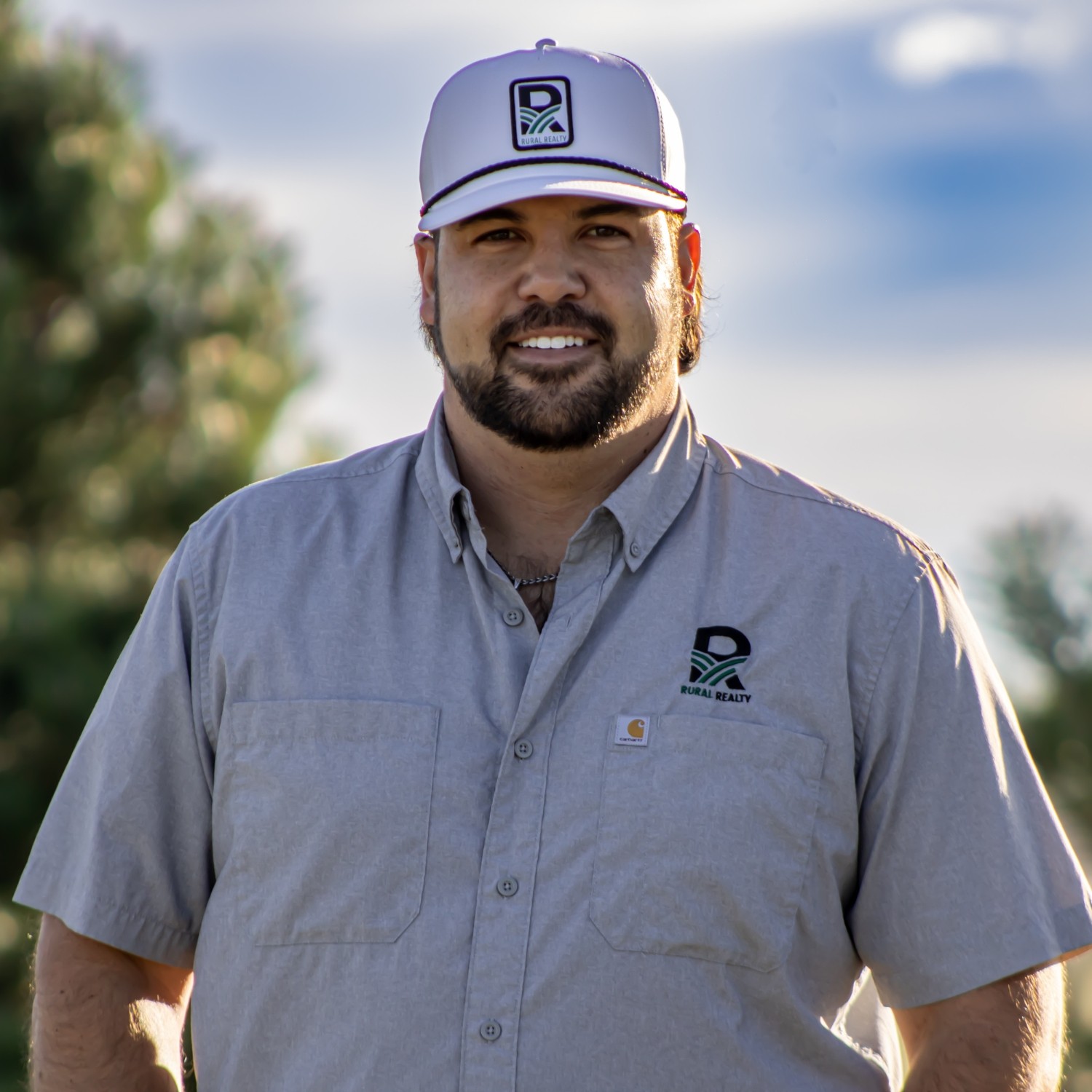
Alec Horton founded Rural Realty in 2025 to help Western Kansas landowners navigate the complexities of buying and selling rural properties with confidence. Born and raised in Leoti, Alec comes from four generations of farmers, giving him a deep understanding of the land and the people who work it. After 16 years of buying and selling agricultural land for his own family’s farm, he saw firsthand the challenges landowners face—uncertain pricing, complex transactions, and a lack of dedicated rural real estate expertise. Determined to bridge that gap, he launched Rural Realty to provide honest, knowledgeable, and personalized service to farmers, ranchers, and investors. As a licensed land broker, Alec and his team brings local insight, industry expertise, and a passion for helping clients achieve their landownership goals.
Meet the Founder of Rural Realty
Alec Horton
Alec Horton founded Rural Realty in 2025 to give landowners across Western Kansas a trusted partner in buying and selling rural properties. A fourth-generation farmer from Leoti with 16 years of experience in agricultural land deals, Alec saw the need for a brokerage that truly understands the land and the people who work it. With a deep knowledge of local markets and a commitment to honest, personalized service, Rural Realty helps farmers, ranchers, and investors navigate complex transactions with confidence.
Meet the Founder of Rural Realty
Alec Horton
Alec Horton founded Rural Realty in 2025 to help Western Kansas landowners navigate the complexities of buying and selling rural properties with confidence. Born and raised in Leoti, Alec comes from four generations of farmers, giving him a deep understanding of the land and the people who work it. After 16 years of buying and selling agricultural land for his own family’s farm, he saw firsthand the challenges landowners face—uncertain pricing, complex transactions, and a lack of dedicated rural real estate expertise. Determined to bridge that gap, he launched Rural Realty to provide honest, knowledgeable, and personalized service to farmers, ranchers, and investors. As a licensed land broker, Alec and his team brings local insight, industry expertise, and a passion for helping clients achieve their landownership goals.
Farm Experience You Can Trust
Local Knowledge. Proven Results.
46+
2023-2025 Farm Transactions
18+
Years of Farmland Experience
700+
Network of Kansas Farmers
Farm Experience You Can Trust
Local Knowledge. Proven Results.
46+
2023-2025 Farm Transactions
18+
Years of Farmland Experience
700+
Network of Kansas Farmers
Farm Experience You Can Trust
Local Knowledge. Proven Results.
46+
2023-2025 Farm Transactions
18+
Years of Farmland Experience
700+
Network of Kansas Farmers
Rural Realty Services
Comprehensive Farmland Services
Explore the Comprehensive Real Estate Solutions for Kansas farmers, landowners, families, and investors at Rural Realty
Buy a Farm
Expert guidance in finding the perfect agricultural property.
Sell Your Farm
Strategic marketing and valuation for maximum return.
Land Valuation
Receive an accurate property valuation to inform your decisions.
Rural Realty Services
Comprehensive Farmland Services
Explore the Comprehensive Real Estate Solutions for Kansas farmers, landowners, families, and investors at Rural Realty
Buy a Farm
Expert guidance in finding the perfect agricultural property.
Sell Your Farm
Strategic marketing and valuation for maximum return.
Land Valuation
Receive an accurate property valuation to inform your decisions.
Rural Realty Services
Comprehensive Farmland Services
Explore the Comprehensive Real Estate Solutions for Kansas farmers, landowners, families, and investors at Rural Realty
Buy a Farm
Expert guidance in finding the perfect agricultural property.
Sell Your Farm
Strategic marketing and valuation for maximum return.
Land Valuation
Receive an accurate property valuation to inform your decisions.
Kansas Property Expertise
From farmland to family homes, Rural Realty brings generations of local expertise to every real estate transaction.
Kansas
Rural Homes
Rural Realty helps families find their perfect country property, specializing in homes with acreage across Kansas.

Kansas
Farmland
With over four generations of farming experience, Rural Realty brings unique insight to every agricultural land transaction.

Kansas
Ranchland
Rural Realty's deep understanding of ranch operations helps buyers and sellers make confident decisions about ranching properties.

Kansas
Hunting Properties
Rural Realty combines recreational value with agricultural opportunities to maximize returns on hunting property investments.

Kansas
Commercial Properties
From retail spaces to agricultural warehouses, Rural Realty guides clients through every commercial real estate transaction.

Kansas Property Expertise
From farmland to family homes, Rural Realty brings generations of local expertise to every real estate transaction.
Kansas
Rural Homes
Rural Realty helps families find their perfect country property, specializing in homes with acreage across Kansas.
Kansas
Farmland
With over four generations of farming experience, Rural Realty brings unique insight to every agricultural land transaction.
Kansas
Ranchland
Rural Realty's deep understanding of ranch operations helps buyers and sellers make confident decisions about ranching properties.
Kansas
Hunting Properties
Rural Realty combines recreational value with agricultural opportunities to maximize returns on hunting property investments.
Kansas
Commercial Properties
From retail spaces to agricultural warehouses, Rural Realty guides clients through every commercial real estate transaction.
Kansas Property Expertise
From farmland to family homes, Rural Realty brings generations of local expertise to every real estate transaction.
Kansas
Rural Homes
Rural Realty helps families find their perfect country property, specializing in homes with acreage across Kansas.
Kansas
Farmland
With over four generations of farming experience, Rural Realty brings unique insight to every agricultural land transaction.
Kansas
Ranchland
Rural Realty's deep understanding of ranch operations helps buyers and sellers make confident decisions about ranching properties.
Kansas
Hunting Properties
Rural Realty combines recreational value with agricultural opportunities to maximize returns on hunting property investments.
Kansas
Commercial Properties
From retail spaces to agricultural warehouses, Rural Realty guides clients through every commercial real estate transaction.
Ready to Buy or Sell Your Farm in Kansas?
Contact Rural Realty today for a personalized consultation about your farmland goals. Your agricultural future starts with the right land real estate agent.
Find an Agent in your Area
Contact Rural Realty
Find an Agent in your Area
Ready to Buy or Sell Your Farm in Kansas?
Contact Rural Realty today for a personalized consultation about your farmland goals. Your agricultural future starts with the right land real estate agent.
Find an Agent in your Area