Recognizing Overpriced Rural Real Estate in Kansas
Alec Horton
•
Rural Realty
•
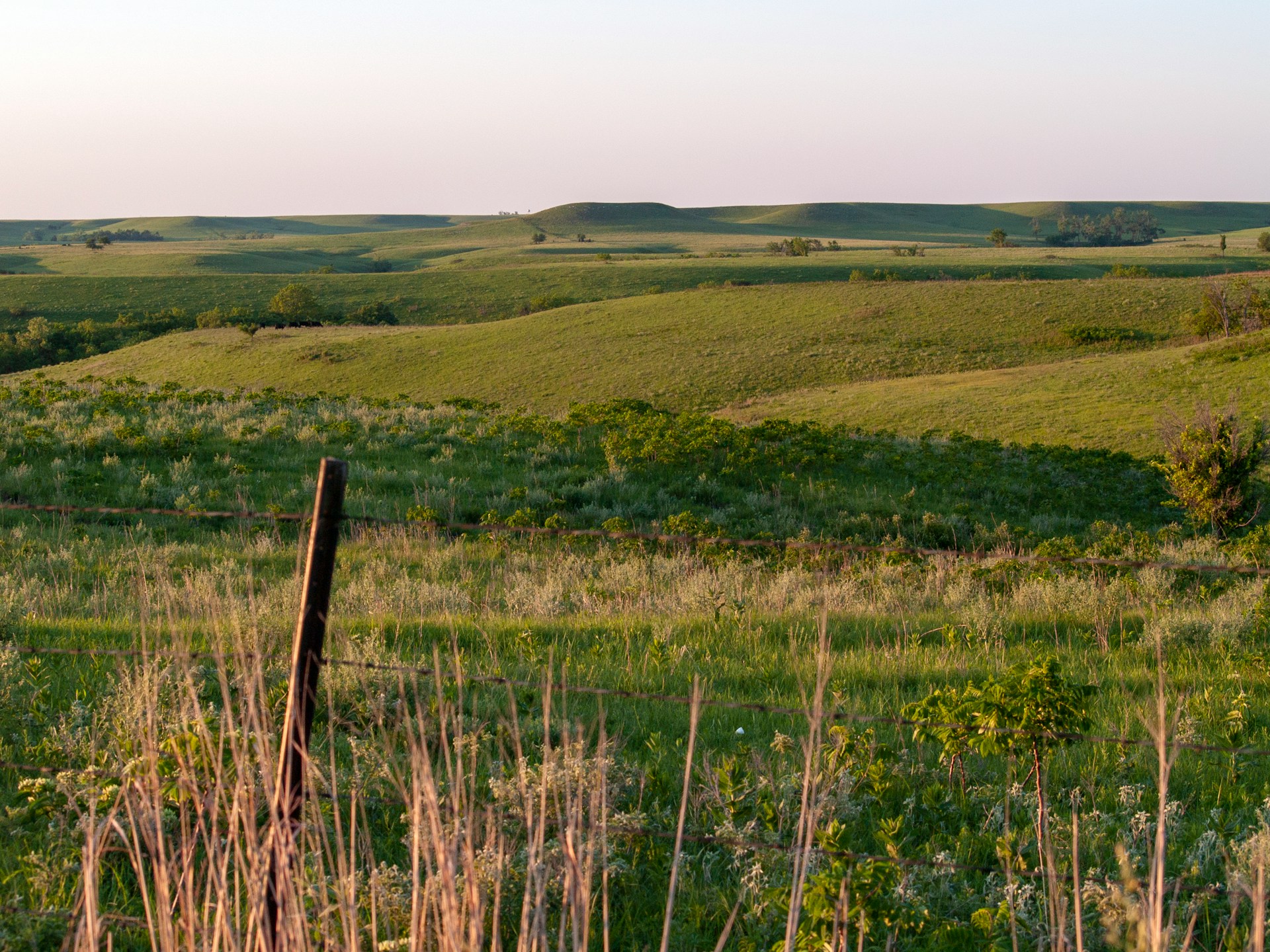
Spotting Value Versus Hype in Rural Kansas Land
Buying rural real estate in Kansas can change your operation, your family life, and your long-term plans. It can also box you in if you pay too much. Many buyers fall in love with a farm, ranch, or hunting tract, stretch to match a high asking price, then find out later that the income is not there to support the payment.
Recognizing when a property is overpriced matters, especially when interest rates are higher and operating margins for farmers and ranchers feel tight. Out-of-state buyers and lifestyle buyers are often willing to pay more for views, space, or hunting than the land can realistically earn. That can push asking prices beyond what pencils out for a working operation.
Rural land is not like a house in town. There are fewer recent sales to compare, and every tract is different. Soils, water, pasture quality, hunting value, access, and improvements all change the true worth of a place. That leaves more room for sellers to aim high and for buyers to get caught up in the story.
Our roots are in Kansas farming and ranching, and we look at land first as a working asset, not a glossy listing. In this article, we will walk through clear warning signs of overpriced rural land, how to separate feelings from facts, and simple steps to check the numbers before planting season or hunting season pulls you into a rush decision.
How Kansas Land Really Gets Its Price Tag
To spot an inflated price, it helps to know what actually drives value in rural real estate in Kansas. At the core, most buyers are paying for a mix of soils, water, grass, and improvements.
Key drivers include things like:
Soil productivity, irrigated versus dryland, and crop history
Water rights, wells, and reliable stock water in pasture
Pasture quality and grass species, including how it holds up in dry years
Existing infrastructure, such as fencing, corrals, sheds, grain storage, and homes
Recent commodity prices and local lease rates also matter. If cash rent and grazing leases in a county only support a certain level of income, it is hard to justify a price far above what that income can carry. The same goes for hunting leases on recreational tracts. If lease rates are modest in the area, that tells you something about demand.
Location is more than distance to the nearest town. For many Kansas buyers, it is about:
Proximity to grain elevators and sale barns
Quality of county roads and access in wet or snowy conditions
School districts for families living on site
Nearby lakes, reservoirs, or river corridors that add hunting or fishing appeal
Nonagricultural influences can push prices up. Some out-of-state buyers are willing to pay a premium for a Kansas hunting property or quiet country home, even if the income does not match the price. When you understand the ag side and the lifestyle side, it becomes easier to see when a seller is pricing off emotion instead of market reality.
Clear Warning Signs a Kansas Property Is Overpriced
Certain patterns show up again and again on overpriced listings. One of the biggest red flags is time on the market. If similar properties are selling while one listing lingers for months, something is off. You might also see a string of small price cuts instead of one honest reset to where buyers are actually comfortable.
Another warning sign is what we call emotional pricing. That shows up when sellers base the number on:
What they feel the place is worth to them
Old high water mark prices from past years
What they think they need to get to fund retirement or another purchase
There are more specific disconnects to watch for:
Asking price per acre far above recent sales with equal or better soils and improvements
Poor or broken fences, weak wells, or run-down barns, without any discount in the price
A “trophy hunting” description but thin cover, little habitat work, and heavy neighbor pressure
Online, the clues are often in the listing details. Lots of dramatic drone shots but very light information on soil types, water, or lease terms can be a hint that the story is stronger than the substance. Promises about “unlimited potential” without yield history, stocking rates, or any proof of hunting results should make you slow down.
If a property looks perfect on screen yet has not moved in what feels like a strong local market, ask why. Good ground at a fair price in Kansas rarely sits still very long.
Running the Numbers Before You Fall in Love
Before your heart runs the show, it pays to do a simple financial check. You do not have to build a long spreadsheet, but you do need a rough sense of how the place can pay its way.
Start by comparing the asking price to conservative income:
For cropland, use realistic yields for that soil and typical local cash rent or share crop terms
For pasture, look at common stocking rates in that part of Kansas and local pasture lease rates
For hunting ground, consider actual lease rates people are paying nearby, not wishful thinking
Then factor in interest rates. A property might be fairly priced on a per acre basis, but if the loan payment, taxes, and insurance are higher than steady income from the land, you are still stretching your cash flow. That may be fine for a pure lifestyle or recreational purchase, but it needs to be a choice, not a surprise.
Do not forget the non-income costs you may face:
Upgrading an older farmhouse to modern comfort and safety
Replacing fences and gates across long property lines
Drilling or rehabbing wells and improving stock tanks
Adding a shop, machinery shed, or corrals for livestock
Investing in habitat projects on hunting properties
Always lean on local data. Stories from other states or national headlines often have little to do with what rural real estate in Kansas will actually support. Recent sales in the county or nearby counties, along with local lease markets, tell you much more about whether the asking price on a specific parcel is reasonable.
When to Negotiate, Walk Away, or Get Creative
Not every high price means you should move on. Some situations call for a fair but firm offer. That is most likely when sellers are clearly motivated, such as:
Owners who want to close before planting or after harvest to simplify their year
Estates that would like to settle and distribute assets within a certain timeframe
Properties with obvious work needed, where you can support your offer with estimates
If the seller refuses to consider real comparable sales, or if the land has basic problems like poor access, unreliable water, or frequent flooding yet is priced like prime crop ground or premium pasture, walking away is usually the smarter move. If the land will not cash flow under even good conditions, expecting it to “grow into the price” is risky.
Sometimes, value can be built through creative structure instead of only chasing a lower sticker price. Depending on the situation, buyers and sellers may talk about:
Seller concessions at closing to offset needed repairs
Adjusted timing of possession, such as after harvest or after grazing season
Including equipment, mineral rights, or existing leases to balance the deal
Kansas is a big and diverse state. If one piece is clearly overpriced, there are often better options nearby. You might find a mixed crop and pasture farm that fits your numbers better than pure tillable ground, or a more modest hunting property with stronger long-term potential.
Partnering with Local Experts to Protect Your Budget
Sorting through soil maps, water questions, lease rates, and local buyer demand is a lot to take on alone, especially if you are new to rural property. A knowledgeable Kansas broker can bring recent sales, local ag insight, and on-the-ground experience that you will not get from listing photos.
At Rural Realty, our background is built on generations of farming and ranching across Kansas. We look at irrigated quarters, Flint Hills pasture, and mixed recreational and ag tracts with the same basic question: does the price match what this place really is, not just what someone hopes it might be?
A smart next step is to sit down with your budget after planting, think through your goals for the land, and line those goals up with what different types of Kansas properties can realistically offer. From there, comparing specific tracts, asking the right questions, and watching for the warning signs of an overpriced listing becomes much more simple and much less emotional.
When you match the right Kansas property with a fair price, you give your operation, your lifestyle, and your future room to grow. When you overpay, even once, you can feel that strain for years.
Take The Next Step Toward Your Ideal Kansas Property
If you are considering selling or transitioning your rural real estate in Kansas, we are ready to help you move forward with clarity and confidence. At Rural Realty, we focus on straightforward guidance, realistic pricing, and marketing that actually reaches qualified buyers. Share your goals and property details with us so we can outline a plan tailored to your situation, or contact us with any questions before you decide your next move.

Alec Horton- Licensed KS Broker
Weekly Newsletter Update!
Join the Newsletter to Receive Kansas Market Updates
Stay up-to-date with the latest land prices, properties for sale, and tips for managing and selling your farm!
Blog Articles

Unexpected Income Streams on Kansas Ranch Land for Sale
Alec Horton
Learn More

Evaluating Kansas Farmland Rental History Before You Buy
Alec Horton
Learn More

Kansas Ranch Listing Terms: Stocking Rate, AUMs, Carrying Capacity
Alec Horton
Learn More

Leasing vs. Selling Kansas Farmland: Choosing the Right Path
Alec Horton
Learn More

Reading Kansas Land Listings When You Want Hunting Income
Alec Horton
Learn More
Recognizing Overpriced Rural Real Estate in Kansas
Alec Horton
•
Rural Realty
Spotting Value Versus Hype in Rural Kansas Land
Buying rural real estate in Kansas can change your operation, your family life, and your long-term plans. It can also box you in if you pay too much. Many buyers fall in love with a farm, ranch, or hunting tract, stretch to match a high asking price, then find out later that the income is not there to support the payment.
Recognizing when a property is overpriced matters, especially when interest rates are higher and operating margins for farmers and ranchers feel tight. Out-of-state buyers and lifestyle buyers are often willing to pay more for views, space, or hunting than the land can realistically earn. That can push asking prices beyond what pencils out for a working operation.
Rural land is not like a house in town. There are fewer recent sales to compare, and every tract is different. Soils, water, pasture quality, hunting value, access, and improvements all change the true worth of a place. That leaves more room for sellers to aim high and for buyers to get caught up in the story.
Our roots are in Kansas farming and ranching, and we look at land first as a working asset, not a glossy listing. In this article, we will walk through clear warning signs of overpriced rural land, how to separate feelings from facts, and simple steps to check the numbers before planting season or hunting season pulls you into a rush decision.
How Kansas Land Really Gets Its Price Tag
To spot an inflated price, it helps to know what actually drives value in rural real estate in Kansas. At the core, most buyers are paying for a mix of soils, water, grass, and improvements.
Key drivers include things like:
Soil productivity, irrigated versus dryland, and crop history
Water rights, wells, and reliable stock water in pasture
Pasture quality and grass species, including how it holds up in dry years
Existing infrastructure, such as fencing, corrals, sheds, grain storage, and homes
Recent commodity prices and local lease rates also matter. If cash rent and grazing leases in a county only support a certain level of income, it is hard to justify a price far above what that income can carry. The same goes for hunting leases on recreational tracts. If lease rates are modest in the area, that tells you something about demand.
Location is more than distance to the nearest town. For many Kansas buyers, it is about:
Proximity to grain elevators and sale barns
Quality of county roads and access in wet or snowy conditions
School districts for families living on site
Nearby lakes, reservoirs, or river corridors that add hunting or fishing appeal
Nonagricultural influences can push prices up. Some out-of-state buyers are willing to pay a premium for a Kansas hunting property or quiet country home, even if the income does not match the price. When you understand the ag side and the lifestyle side, it becomes easier to see when a seller is pricing off emotion instead of market reality.
Clear Warning Signs a Kansas Property Is Overpriced
Certain patterns show up again and again on overpriced listings. One of the biggest red flags is time on the market. If similar properties are selling while one listing lingers for months, something is off. You might also see a string of small price cuts instead of one honest reset to where buyers are actually comfortable.
Another warning sign is what we call emotional pricing. That shows up when sellers base the number on:
What they feel the place is worth to them
Old high water mark prices from past years
What they think they need to get to fund retirement or another purchase
There are more specific disconnects to watch for:
Asking price per acre far above recent sales with equal or better soils and improvements
Poor or broken fences, weak wells, or run-down barns, without any discount in the price
A “trophy hunting” description but thin cover, little habitat work, and heavy neighbor pressure
Online, the clues are often in the listing details. Lots of dramatic drone shots but very light information on soil types, water, or lease terms can be a hint that the story is stronger than the substance. Promises about “unlimited potential” without yield history, stocking rates, or any proof of hunting results should make you slow down.
If a property looks perfect on screen yet has not moved in what feels like a strong local market, ask why. Good ground at a fair price in Kansas rarely sits still very long.
Running the Numbers Before You Fall in Love
Before your heart runs the show, it pays to do a simple financial check. You do not have to build a long spreadsheet, but you do need a rough sense of how the place can pay its way.
Start by comparing the asking price to conservative income:
For cropland, use realistic yields for that soil and typical local cash rent or share crop terms
For pasture, look at common stocking rates in that part of Kansas and local pasture lease rates
For hunting ground, consider actual lease rates people are paying nearby, not wishful thinking
Then factor in interest rates. A property might be fairly priced on a per acre basis, but if the loan payment, taxes, and insurance are higher than steady income from the land, you are still stretching your cash flow. That may be fine for a pure lifestyle or recreational purchase, but it needs to be a choice, not a surprise.
Do not forget the non-income costs you may face:
Upgrading an older farmhouse to modern comfort and safety
Replacing fences and gates across long property lines
Drilling or rehabbing wells and improving stock tanks
Adding a shop, machinery shed, or corrals for livestock
Investing in habitat projects on hunting properties
Always lean on local data. Stories from other states or national headlines often have little to do with what rural real estate in Kansas will actually support. Recent sales in the county or nearby counties, along with local lease markets, tell you much more about whether the asking price on a specific parcel is reasonable.
When to Negotiate, Walk Away, or Get Creative
Not every high price means you should move on. Some situations call for a fair but firm offer. That is most likely when sellers are clearly motivated, such as:
Owners who want to close before planting or after harvest to simplify their year
Estates that would like to settle and distribute assets within a certain timeframe
Properties with obvious work needed, where you can support your offer with estimates
If the seller refuses to consider real comparable sales, or if the land has basic problems like poor access, unreliable water, or frequent flooding yet is priced like prime crop ground or premium pasture, walking away is usually the smarter move. If the land will not cash flow under even good conditions, expecting it to “grow into the price” is risky.
Sometimes, value can be built through creative structure instead of only chasing a lower sticker price. Depending on the situation, buyers and sellers may talk about:
Seller concessions at closing to offset needed repairs
Adjusted timing of possession, such as after harvest or after grazing season
Including equipment, mineral rights, or existing leases to balance the deal
Kansas is a big and diverse state. If one piece is clearly overpriced, there are often better options nearby. You might find a mixed crop and pasture farm that fits your numbers better than pure tillable ground, or a more modest hunting property with stronger long-term potential.
Partnering with Local Experts to Protect Your Budget
Sorting through soil maps, water questions, lease rates, and local buyer demand is a lot to take on alone, especially if you are new to rural property. A knowledgeable Kansas broker can bring recent sales, local ag insight, and on-the-ground experience that you will not get from listing photos.
At Rural Realty, our background is built on generations of farming and ranching across Kansas. We look at irrigated quarters, Flint Hills pasture, and mixed recreational and ag tracts with the same basic question: does the price match what this place really is, not just what someone hopes it might be?
A smart next step is to sit down with your budget after planting, think through your goals for the land, and line those goals up with what different types of Kansas properties can realistically offer. From there, comparing specific tracts, asking the right questions, and watching for the warning signs of an overpriced listing becomes much more simple and much less emotional.
When you match the right Kansas property with a fair price, you give your operation, your lifestyle, and your future room to grow. When you overpay, even once, you can feel that strain for years.
Take The Next Step Toward Your Ideal Kansas Property
If you are considering selling or transitioning your rural real estate in Kansas, we are ready to help you move forward with clarity and confidence. At Rural Realty, we focus on straightforward guidance, realistic pricing, and marketing that actually reaches qualified buyers. Share your goals and property details with us so we can outline a plan tailored to your situation, or contact us with any questions before you decide your next move.
Recognizing Overpriced Rural Real Estate in Kansas
Alec Horton
•
Rural Realty
•
Spotting Value Versus Hype in Rural Kansas Land
Buying rural real estate in Kansas can change your operation, your family life, and your long-term plans. It can also box you in if you pay too much. Many buyers fall in love with a farm, ranch, or hunting tract, stretch to match a high asking price, then find out later that the income is not there to support the payment.
Recognizing when a property is overpriced matters, especially when interest rates are higher and operating margins for farmers and ranchers feel tight. Out-of-state buyers and lifestyle buyers are often willing to pay more for views, space, or hunting than the land can realistically earn. That can push asking prices beyond what pencils out for a working operation.
Rural land is not like a house in town. There are fewer recent sales to compare, and every tract is different. Soils, water, pasture quality, hunting value, access, and improvements all change the true worth of a place. That leaves more room for sellers to aim high and for buyers to get caught up in the story.
Our roots are in Kansas farming and ranching, and we look at land first as a working asset, not a glossy listing. In this article, we will walk through clear warning signs of overpriced rural land, how to separate feelings from facts, and simple steps to check the numbers before planting season or hunting season pulls you into a rush decision.
How Kansas Land Really Gets Its Price Tag
To spot an inflated price, it helps to know what actually drives value in rural real estate in Kansas. At the core, most buyers are paying for a mix of soils, water, grass, and improvements.
Key drivers include things like:
Soil productivity, irrigated versus dryland, and crop history
Water rights, wells, and reliable stock water in pasture
Pasture quality and grass species, including how it holds up in dry years
Existing infrastructure, such as fencing, corrals, sheds, grain storage, and homes
Recent commodity prices and local lease rates also matter. If cash rent and grazing leases in a county only support a certain level of income, it is hard to justify a price far above what that income can carry. The same goes for hunting leases on recreational tracts. If lease rates are modest in the area, that tells you something about demand.
Location is more than distance to the nearest town. For many Kansas buyers, it is about:
Proximity to grain elevators and sale barns
Quality of county roads and access in wet or snowy conditions
School districts for families living on site
Nearby lakes, reservoirs, or river corridors that add hunting or fishing appeal
Nonagricultural influences can push prices up. Some out-of-state buyers are willing to pay a premium for a Kansas hunting property or quiet country home, even if the income does not match the price. When you understand the ag side and the lifestyle side, it becomes easier to see when a seller is pricing off emotion instead of market reality.
Clear Warning Signs a Kansas Property Is Overpriced
Certain patterns show up again and again on overpriced listings. One of the biggest red flags is time on the market. If similar properties are selling while one listing lingers for months, something is off. You might also see a string of small price cuts instead of one honest reset to where buyers are actually comfortable.
Another warning sign is what we call emotional pricing. That shows up when sellers base the number on:
What they feel the place is worth to them
Old high water mark prices from past years
What they think they need to get to fund retirement or another purchase
There are more specific disconnects to watch for:
Asking price per acre far above recent sales with equal or better soils and improvements
Poor or broken fences, weak wells, or run-down barns, without any discount in the price
A “trophy hunting” description but thin cover, little habitat work, and heavy neighbor pressure
Online, the clues are often in the listing details. Lots of dramatic drone shots but very light information on soil types, water, or lease terms can be a hint that the story is stronger than the substance. Promises about “unlimited potential” without yield history, stocking rates, or any proof of hunting results should make you slow down.
If a property looks perfect on screen yet has not moved in what feels like a strong local market, ask why. Good ground at a fair price in Kansas rarely sits still very long.
Running the Numbers Before You Fall in Love
Before your heart runs the show, it pays to do a simple financial check. You do not have to build a long spreadsheet, but you do need a rough sense of how the place can pay its way.
Start by comparing the asking price to conservative income:
For cropland, use realistic yields for that soil and typical local cash rent or share crop terms
For pasture, look at common stocking rates in that part of Kansas and local pasture lease rates
For hunting ground, consider actual lease rates people are paying nearby, not wishful thinking
Then factor in interest rates. A property might be fairly priced on a per acre basis, but if the loan payment, taxes, and insurance are higher than steady income from the land, you are still stretching your cash flow. That may be fine for a pure lifestyle or recreational purchase, but it needs to be a choice, not a surprise.
Do not forget the non-income costs you may face:
Upgrading an older farmhouse to modern comfort and safety
Replacing fences and gates across long property lines
Drilling or rehabbing wells and improving stock tanks
Adding a shop, machinery shed, or corrals for livestock
Investing in habitat projects on hunting properties
Always lean on local data. Stories from other states or national headlines often have little to do with what rural real estate in Kansas will actually support. Recent sales in the county or nearby counties, along with local lease markets, tell you much more about whether the asking price on a specific parcel is reasonable.
When to Negotiate, Walk Away, or Get Creative
Not every high price means you should move on. Some situations call for a fair but firm offer. That is most likely when sellers are clearly motivated, such as:
Owners who want to close before planting or after harvest to simplify their year
Estates that would like to settle and distribute assets within a certain timeframe
Properties with obvious work needed, where you can support your offer with estimates
If the seller refuses to consider real comparable sales, or if the land has basic problems like poor access, unreliable water, or frequent flooding yet is priced like prime crop ground or premium pasture, walking away is usually the smarter move. If the land will not cash flow under even good conditions, expecting it to “grow into the price” is risky.
Sometimes, value can be built through creative structure instead of only chasing a lower sticker price. Depending on the situation, buyers and sellers may talk about:
Seller concessions at closing to offset needed repairs
Adjusted timing of possession, such as after harvest or after grazing season
Including equipment, mineral rights, or existing leases to balance the deal
Kansas is a big and diverse state. If one piece is clearly overpriced, there are often better options nearby. You might find a mixed crop and pasture farm that fits your numbers better than pure tillable ground, or a more modest hunting property with stronger long-term potential.
Partnering with Local Experts to Protect Your Budget
Sorting through soil maps, water questions, lease rates, and local buyer demand is a lot to take on alone, especially if you are new to rural property. A knowledgeable Kansas broker can bring recent sales, local ag insight, and on-the-ground experience that you will not get from listing photos.
At Rural Realty, our background is built on generations of farming and ranching across Kansas. We look at irrigated quarters, Flint Hills pasture, and mixed recreational and ag tracts with the same basic question: does the price match what this place really is, not just what someone hopes it might be?
A smart next step is to sit down with your budget after planting, think through your goals for the land, and line those goals up with what different types of Kansas properties can realistically offer. From there, comparing specific tracts, asking the right questions, and watching for the warning signs of an overpriced listing becomes much more simple and much less emotional.
When you match the right Kansas property with a fair price, you give your operation, your lifestyle, and your future room to grow. When you overpay, even once, you can feel that strain for years.
Take The Next Step Toward Your Ideal Kansas Property
If you are considering selling or transitioning your rural real estate in Kansas, we are ready to help you move forward with clarity and confidence. At Rural Realty, we focus on straightforward guidance, realistic pricing, and marketing that actually reaches qualified buyers. Share your goals and property details with us so we can outline a plan tailored to your situation, or contact us with any questions before you decide your next move.
Meet the Founder of Rural Realty
Alec Horton
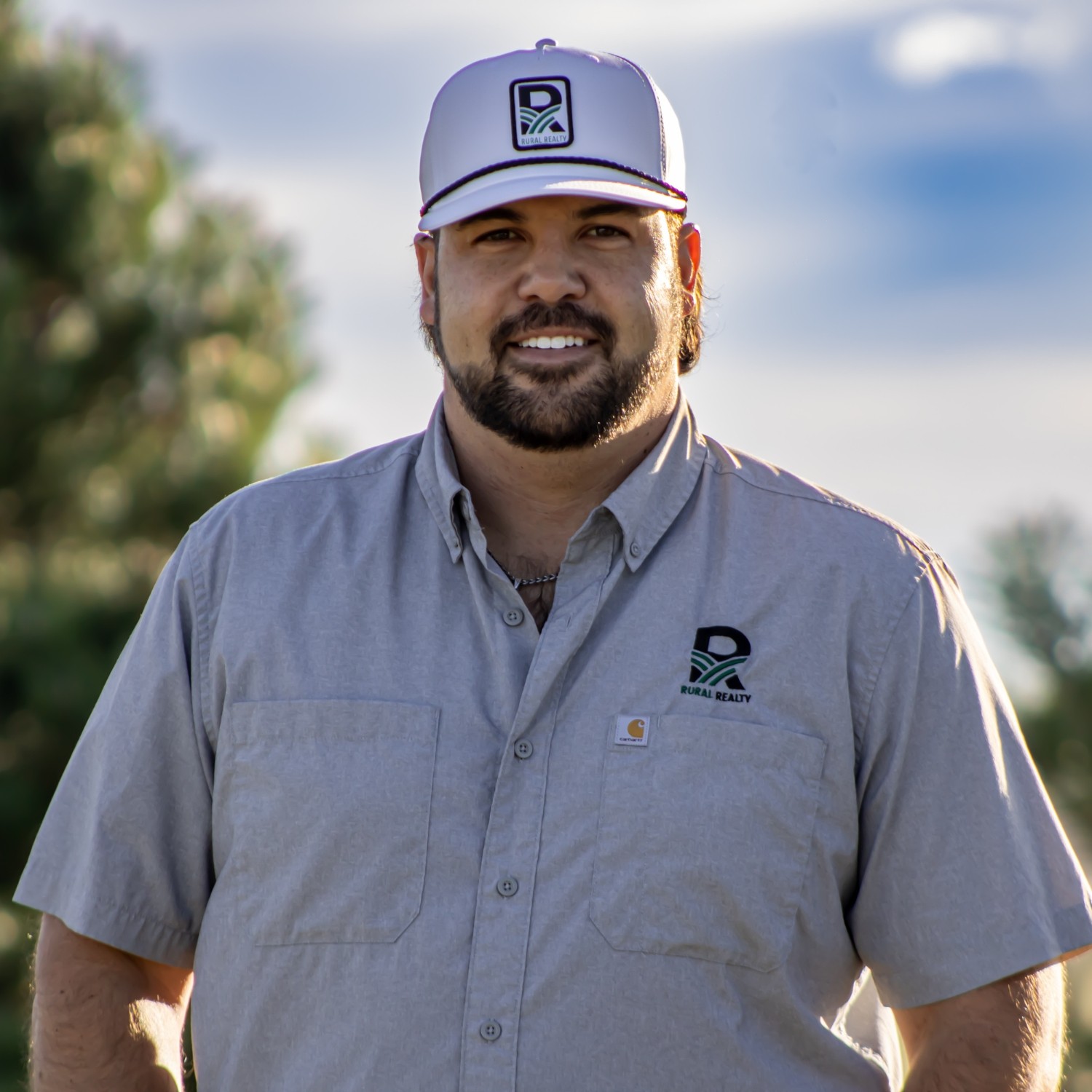
Alec Horton founded Rural Realty in 2025 to help Western Kansas landowners navigate the complexities of buying and selling rural properties with confidence. Born and raised in Leoti, Alec comes from four generations of farmers, giving him a deep understanding of the land and the people who work it. After 16 years of buying and selling agricultural land for his own family’s farm, he saw firsthand the challenges landowners face—uncertain pricing, complex transactions, and a lack of dedicated rural real estate expertise. Determined to bridge that gap, he launched Rural Realty to provide honest, knowledgeable, and personalized service to farmers, ranchers, and investors. As a licensed land broker, Alec and his team brings local insight, industry expertise, and a passion for helping clients achieve their landownership goals.
Meet the Founder of Rural Realty
Alec Horton
Alec Horton founded Rural Realty in 2025 to give landowners across Western Kansas a trusted partner in buying and selling rural properties. A fourth-generation farmer from Leoti with 16 years of experience in agricultural land deals, Alec saw the need for a brokerage that truly understands the land and the people who work it. With a deep knowledge of local markets and a commitment to honest, personalized service, Rural Realty helps farmers, ranchers, and investors navigate complex transactions with confidence.
Meet the Founder of Rural Realty
Alec Horton
Alec Horton founded Rural Realty in 2025 to help Western Kansas landowners navigate the complexities of buying and selling rural properties with confidence. Born and raised in Leoti, Alec comes from four generations of farmers, giving him a deep understanding of the land and the people who work it. After 16 years of buying and selling agricultural land for his own family’s farm, he saw firsthand the challenges landowners face—uncertain pricing, complex transactions, and a lack of dedicated rural real estate expertise. Determined to bridge that gap, he launched Rural Realty to provide honest, knowledgeable, and personalized service to farmers, ranchers, and investors. As a licensed land broker, Alec and his team brings local insight, industry expertise, and a passion for helping clients achieve their landownership goals.
Farm Experience You Can Trust
Local Knowledge. Proven Results.
46+
2023-2025 Farm Transactions
18+
Years of Farmland Experience
700+
Network of Kansas Farmers
Farm Experience You Can Trust
Local Knowledge. Proven Results.
46+
2023-2025 Farm Transactions
18+
Years of Farmland Experience
700+
Network of Kansas Farmers
Farm Experience You Can Trust
Local Knowledge. Proven Results.
46+
2023-2025 Farm Transactions
18+
Years of Farmland Experience
700+
Network of Kansas Farmers
Rural Realty Services
Comprehensive Farmland Services
Explore the Comprehensive Real Estate Solutions for Kansas farmers, landowners, families, and investors at Rural Realty
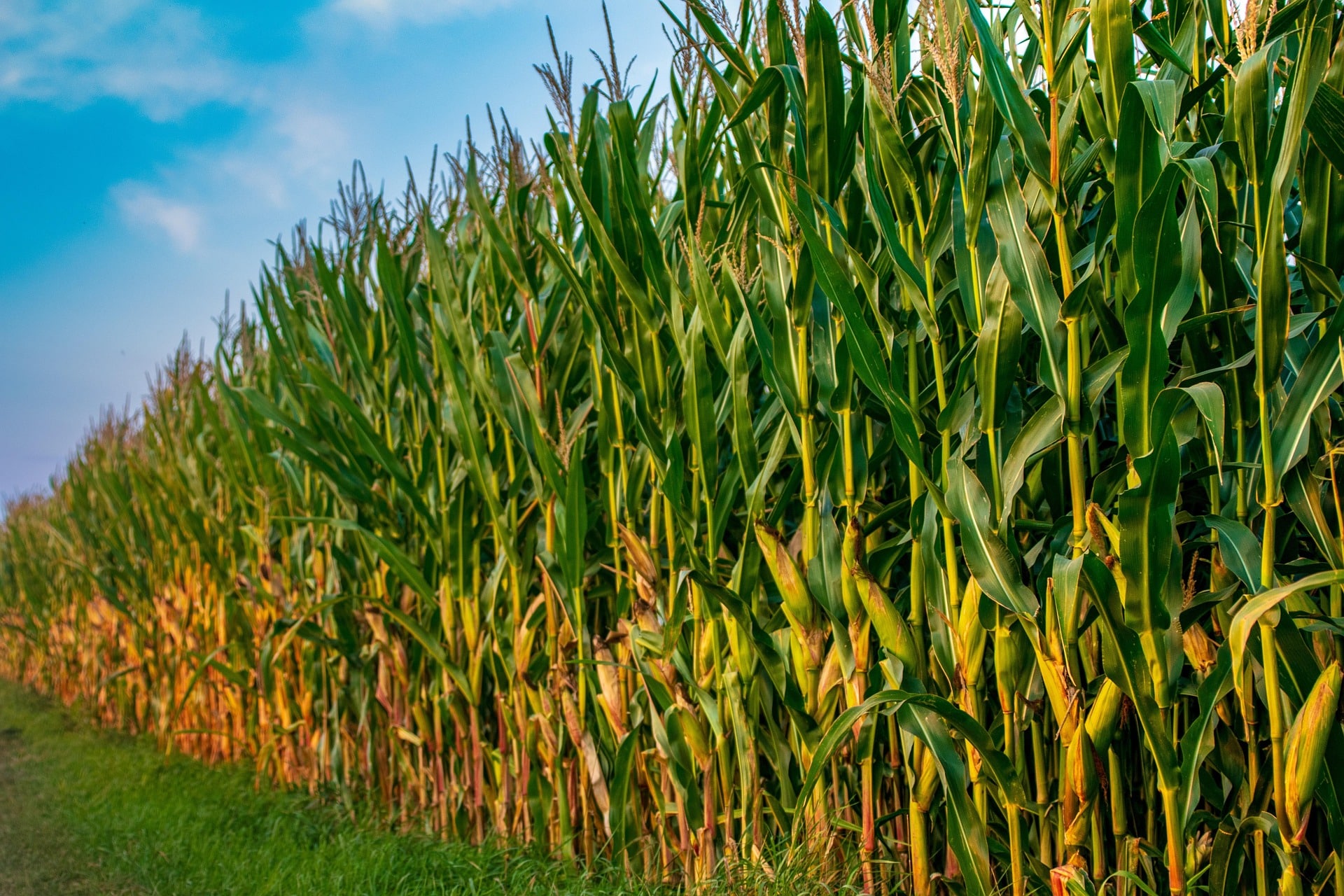
Buy a Farm
Expert guidance in finding the perfect agricultural property.
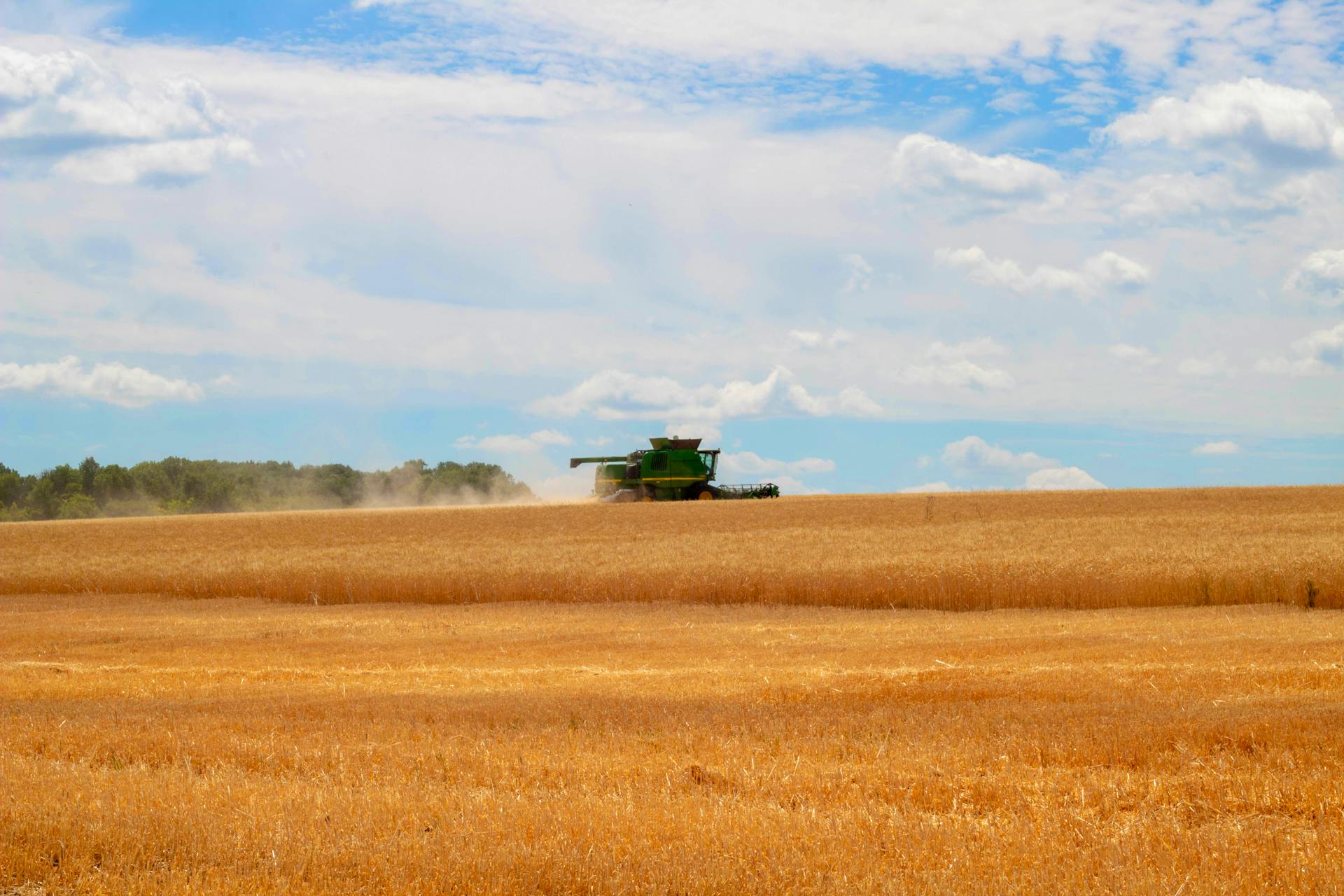
Sell Your Farm
Strategic marketing and valuation for maximum return.
Land Valuation
Receive an accurate property valuation to inform your decisions.
Rural Realty Services
Comprehensive Farmland Services
Explore the Comprehensive Real Estate Solutions for Kansas farmers, landowners, families, and investors at Rural Realty
Buy a Farm
Expert guidance in finding the perfect agricultural property.
Sell Your Farm
Strategic marketing and valuation for maximum return.
Land Valuation
Receive an accurate property valuation to inform your decisions.
Rural Realty Services
Comprehensive Farmland Services
Explore the Comprehensive Real Estate Solutions for Kansas farmers, landowners, families, and investors at Rural Realty
Buy a Farm
Expert guidance in finding the perfect agricultural property.
Sell Your Farm
Strategic marketing and valuation for maximum return.
Land Valuation
Receive an accurate property valuation to inform your decisions.
Kansas Property Expertise
From farmland to family homes, Rural Realty brings generations of local expertise to every real estate transaction.
Kansas
Rural Homes
Rural Realty helps families find their perfect country property, specializing in homes with acreage across Kansas.

Kansas
Farmland
With over four generations of farming experience, Rural Realty brings unique insight to every agricultural land transaction.

Kansas
Ranchland
Rural Realty's deep understanding of ranch operations helps buyers and sellers make confident decisions about ranching properties.

Kansas
Hunting Properties
Rural Realty combines recreational value with agricultural opportunities to maximize returns on hunting property investments.

Kansas
Commercial Properties
From retail spaces to agricultural warehouses, Rural Realty guides clients through every commercial real estate transaction.

Kansas Property Expertise
From farmland to family homes, Rural Realty brings generations of local expertise to every real estate transaction.
Kansas
Rural Homes
Rural Realty helps families find their perfect country property, specializing in homes with acreage across Kansas.
Kansas
Farmland
With over four generations of farming experience, Rural Realty brings unique insight to every agricultural land transaction.
Kansas
Ranchland
Rural Realty's deep understanding of ranch operations helps buyers and sellers make confident decisions about ranching properties.
Kansas
Hunting Properties
Rural Realty combines recreational value with agricultural opportunities to maximize returns on hunting property investments.
Kansas
Commercial Properties
From retail spaces to agricultural warehouses, Rural Realty guides clients through every commercial real estate transaction.
Kansas Property Expertise
From farmland to family homes, Rural Realty brings generations of local expertise to every real estate transaction.
Kansas
Rural Homes
Rural Realty helps families find their perfect country property, specializing in homes with acreage across Kansas.
Kansas
Farmland
With over four generations of farming experience, Rural Realty brings unique insight to every agricultural land transaction.
Kansas
Ranchland
Rural Realty's deep understanding of ranch operations helps buyers and sellers make confident decisions about ranching properties.
Kansas
Hunting Properties
Rural Realty combines recreational value with agricultural opportunities to maximize returns on hunting property investments.
Kansas
Commercial Properties
From retail spaces to agricultural warehouses, Rural Realty guides clients through every commercial real estate transaction.
Ready to Buy or Sell Your Farm in Kansas?
Contact Rural Realty today for a personalized consultation about your farmland goals. Your agricultural future starts with the right land real estate agent.
Find an Agent in your Area
Contact Rural Realty
Find an Agent in your Area
Ready to Buy or Sell Your Farm in Kansas?
Contact Rural Realty today for a personalized consultation about your farmland goals. Your agricultural future starts with the right land real estate agent.
Find an Agent in your Area