Rural Kansas Estate Transitions: Preparing a Property for Sale With Multiple
Alec Horton
•
Rural Realty
•
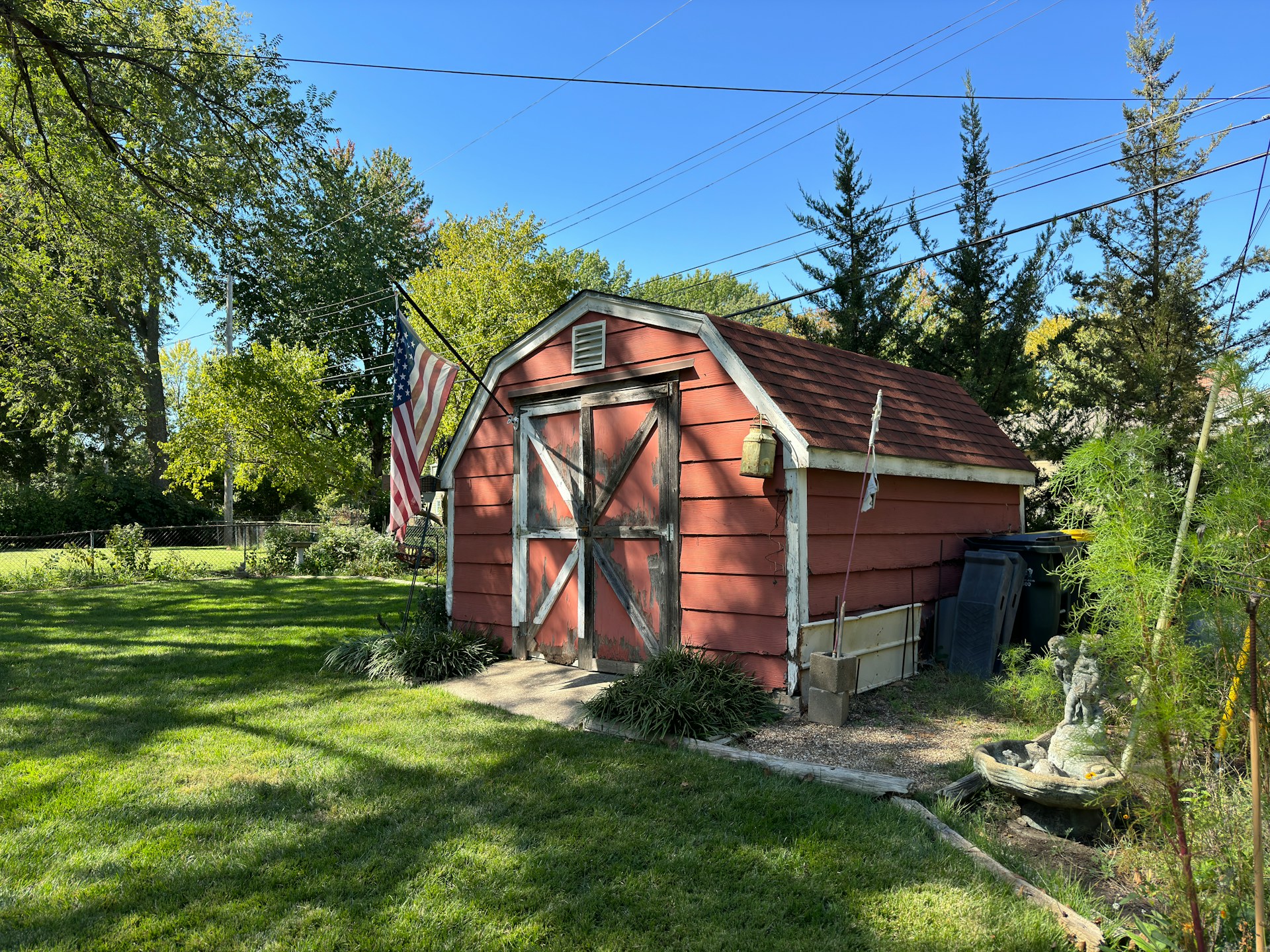
Turn a Complicated Inheritance Into a Clear Plan
Selling a family farm, ranch, or rural home when there are several heirs is hard. There are memories in every field, every shed, and every dirt lane. On top of the emotion, there are real questions that have to be answered before the place can be sold in an orderly way.
If nobody agrees on who can stay there, who takes care of the place, or who can go in and out, the sale can drag on. Buyers pull back when they sense confusion. Families feel strain when one person carries more of the load or when decisions feel rushed or secret.
In this article, we walk through how to turn that stress into a simple plan: who lives there, who maintains it, how everyone will access it, and how the family will make choices together. As a Kansas-based brokerage focused on rural real estate in Kansas, we at Rural Realty spend a lot of time helping families through exactly these estate transitions. Late spring and early summer are common months to list rural properties, so planning ahead now can protect both your timing and your property value.
Clarifying Ownership, Roles, and Expectations Among Heirs
Before anyone makes plans for crops, cattle, or moving into the house, it is important to know exactly who owns what. That means checking where the estate is in probate, how the title reads, and whether there are any liens or loans tied to the property. It also means knowing if there are current leases, Conservation Reserve Program (CRP) contracts, or other farm program agreements that a buyer will need to honor or renegotiate.
Once ownership is clear, the next step is to assign roles so every heir is not trying to do everything.
Common roles include:
A primary point of contact for agents, attorneys, and buyers
A property coordinator who keeps an eye on maintenance and access
A financial lead who tracks shared expenses and potential reimbursements
It helps to gather everyone, either in person or on a video call, for a neutral, focused meeting. During that time, heirs can talk through expectations, such as:
Who wants to sell as soon as practical
Who is interested in buying out others
Who feels the strongest emotional tie to the home or land
A Kansas estate attorney can explain how the estate process works and what options you have for transfers, buyouts, or a sale. A tax professional can talk about basis step-up, capital gains, and how different timelines could affect each heir. A local rural real estate expert who knows rural real estate in Kansas can also give a preliminary property assessment so expectations line up with market reality instead of just memories or guesses.
Occupancy and Access: Avoiding Conflicts Before They Start
One of the fastest ways to create tension is to leave occupancy and access as a gray area. If one heir is staying at the farmhouse without clear rules, or if neighbors are still hunting or grazing like they always have, misunderstandings are almost guaranteed.
A simple written occupancy plan should answer:
Will any heir live on-site before the sale, and for how long
Will they pay rent or share in utilities, taxes, and insurance
Are there tenants or hired caretakers who need updated agreements
How will showings be handled if someone is living there
An access plan is just as important. Rural properties often have multiple buildings, gates, bins, and fields. Decide in writing:
Who has keys, gate codes, and alarm codes
How access works for barns, grain bins, livestock pens, and hunting ground
How access will be handled during planting, harvest, or peak hunting seasons
Old habits can also cause problems. Maybe neighbors have had informal hunting rights or allowed their cattle to graze along a fence line for years. Before listing, all those permissions should be reviewed by the heirs together, then either renewed in writing or ended in a clear and respectful way.
Do not forget safety and insurance. Make sure coverage is in place for guests, workers, and potential buyers walking fields, pastures, sheds, and ponds. Clear rules about when people can be on the property and what areas are off-limits lower the risk of accidents and arguments.
Coordinating Maintenance to Protect Value and Safety
Deferred maintenance is one of the biggest threats to the value of rural real estate in Kansas. A loose roof panel on the machine shed, a weak fence along a county road, or a septic system no one has checked in years can scare buyers or cut offers.
We encourage heirs to build a simple seasonal checklist ahead of listing, including:
Mowing, brush control, and tree trimming around improvements
Grading driveways and farm lanes so buyers can reach all areas safely
Checking ponds, culverts, and terraces for clear flow and erosion issues
Inspecting roofs, siding, doors, and windows on all buildings
Handling basic interior repairs and clean-up in the home
Because multiple heirs are involved, it helps to agree on a shared maintenance calendar and budget. Decide:
Who can approve work and up to what amount
How bids from local agricultural contractors will be collected and shared
How costs will be split and tracked for later settlement
Safety should sit at the top of the list. Old cisterns, abandoned wells, unstable sheds, fuel tanks, chemicals, and unused machinery should be secured or removed when possible. Functioning gates and livestock fencing protect both animals and neighbors, and they also protect the heirs from liability concerns.
In Kansas, many contractors are busiest during planting and harvest. Planning maintenance ahead of a late spring or summer listing date gives you a better chance of getting work done on time, instead of rushing repairs when buyers are already calling.
Communication and Decision-Making That Keep the Family United
A clear communication plan can do as much for family peace as any legal document. When everyone knows where information lives and how choices are made, trust grows and stress drops.
Simple tools can help:
A shared email thread or group for updates and questions
Monthly or biweekly calls to review progress and decisions
A central digital folder for title work, surveys, leases, tax records, and appraisals
The next step is to agree on how decisions will be made. Some families choose majority vote. Others want unanimous consent on large moves, like signing a listing agreement or accepting an offer, but allow one heir to handle routine tasks like mowing or minor repairs.
Whatever you choose, write it down. That written plan can cover:
Occupancy rules and who holds keys
Access permissions for neighbors, tenants, and contractors
The list of planned repairs and general budget caps
The target window for listing and how you will review offers
A neutral rural land professional can be very helpful here. When a Rural Realty land specialist presents data-based pricing, comparable sales, and clear marketing timelines, it takes pressure off family members who might otherwise feel blamed for pushing a certain number or strategy. This kind of steady, outside input often leads to smoother showings, faster sales, and fewer last-minute surprises at closing.
From Heirs to Sellers: Preparing for the Market
When you pull all these pieces together, the path from heirs to sellers looks much clearer. You confirm ownership and legal details, assign roles, set occupancy and access rules, map out maintenance, and agree on how you will communicate and decide things as a group. That structure turns a confusing inheritance into a plan you can actually follow.
The last big step is timing. Heirs should pick a target listing window that makes sense with local farm, ranch, and hunting seasons, then work backward several months. That gives plenty of room for legal work, clean-up, repairs, and property evaluation before buyers ever step onto the place.
At Rural Realty, we focus on rural real estate in Kansas, including farmland, ranchland, hunting tracts, rural homes, and commercial properties in small towns. With planning, clear agreements, and local guidance, families can honor the legacy of the land, protect their relationships, and move into the next chapter with confidence and a strong sale behind them.
Take The Next Step Toward Your Ideal Kansas Property
If you are ready to sell or refine your plans for rural real estate in Kansas, we are here to guide you through every stage. At Rural Realty, we focus on clear communication, realistic pricing, and a strategy that fits your land or rural home. Tell us about your goals and timeline, and we will provide a straightforward path forward. Have questions or want to talk specifics first? You can contact us to start the conversation.

Alec Horton- Licensed KS Broker
Weekly Newsletter Update!
Join the Newsletter to Receive Kansas Market Updates
Stay up-to-date with the latest land prices, properties for sale, and tips for managing and selling your farm!
Blog Articles

Unexpected Income Streams on Kansas Ranch Land for Sale
Alec Horton
Learn More

Evaluating Kansas Farmland Rental History Before You Buy
Alec Horton
Learn More

Kansas Ranch Listing Terms: Stocking Rate, AUMs, Carrying Capacity
Alec Horton
Learn More

Leasing vs. Selling Kansas Farmland: Choosing the Right Path
Alec Horton
Learn More

Reading Kansas Land Listings When You Want Hunting Income
Alec Horton
Learn More
Rural Kansas Estate Transitions: Preparing a Property for Sale With Multiple
Alec Horton
•
Rural Realty
Turn a Complicated Inheritance Into a Clear Plan
Selling a family farm, ranch, or rural home when there are several heirs is hard. There are memories in every field, every shed, and every dirt lane. On top of the emotion, there are real questions that have to be answered before the place can be sold in an orderly way.
If nobody agrees on who can stay there, who takes care of the place, or who can go in and out, the sale can drag on. Buyers pull back when they sense confusion. Families feel strain when one person carries more of the load or when decisions feel rushed or secret.
In this article, we walk through how to turn that stress into a simple plan: who lives there, who maintains it, how everyone will access it, and how the family will make choices together. As a Kansas-based brokerage focused on rural real estate in Kansas, we at Rural Realty spend a lot of time helping families through exactly these estate transitions. Late spring and early summer are common months to list rural properties, so planning ahead now can protect both your timing and your property value.
Clarifying Ownership, Roles, and Expectations Among Heirs
Before anyone makes plans for crops, cattle, or moving into the house, it is important to know exactly who owns what. That means checking where the estate is in probate, how the title reads, and whether there are any liens or loans tied to the property. It also means knowing if there are current leases, Conservation Reserve Program (CRP) contracts, or other farm program agreements that a buyer will need to honor or renegotiate.
Once ownership is clear, the next step is to assign roles so every heir is not trying to do everything.
Common roles include:
A primary point of contact for agents, attorneys, and buyers
A property coordinator who keeps an eye on maintenance and access
A financial lead who tracks shared expenses and potential reimbursements
It helps to gather everyone, either in person or on a video call, for a neutral, focused meeting. During that time, heirs can talk through expectations, such as:
Who wants to sell as soon as practical
Who is interested in buying out others
Who feels the strongest emotional tie to the home or land
A Kansas estate attorney can explain how the estate process works and what options you have for transfers, buyouts, or a sale. A tax professional can talk about basis step-up, capital gains, and how different timelines could affect each heir. A local rural real estate expert who knows rural real estate in Kansas can also give a preliminary property assessment so expectations line up with market reality instead of just memories or guesses.
Occupancy and Access: Avoiding Conflicts Before They Start
One of the fastest ways to create tension is to leave occupancy and access as a gray area. If one heir is staying at the farmhouse without clear rules, or if neighbors are still hunting or grazing like they always have, misunderstandings are almost guaranteed.
A simple written occupancy plan should answer:
Will any heir live on-site before the sale, and for how long
Will they pay rent or share in utilities, taxes, and insurance
Are there tenants or hired caretakers who need updated agreements
How will showings be handled if someone is living there
An access plan is just as important. Rural properties often have multiple buildings, gates, bins, and fields. Decide in writing:
Who has keys, gate codes, and alarm codes
How access works for barns, grain bins, livestock pens, and hunting ground
How access will be handled during planting, harvest, or peak hunting seasons
Old habits can also cause problems. Maybe neighbors have had informal hunting rights or allowed their cattle to graze along a fence line for years. Before listing, all those permissions should be reviewed by the heirs together, then either renewed in writing or ended in a clear and respectful way.
Do not forget safety and insurance. Make sure coverage is in place for guests, workers, and potential buyers walking fields, pastures, sheds, and ponds. Clear rules about when people can be on the property and what areas are off-limits lower the risk of accidents and arguments.
Coordinating Maintenance to Protect Value and Safety
Deferred maintenance is one of the biggest threats to the value of rural real estate in Kansas. A loose roof panel on the machine shed, a weak fence along a county road, or a septic system no one has checked in years can scare buyers or cut offers.
We encourage heirs to build a simple seasonal checklist ahead of listing, including:
Mowing, brush control, and tree trimming around improvements
Grading driveways and farm lanes so buyers can reach all areas safely
Checking ponds, culverts, and terraces for clear flow and erosion issues
Inspecting roofs, siding, doors, and windows on all buildings
Handling basic interior repairs and clean-up in the home
Because multiple heirs are involved, it helps to agree on a shared maintenance calendar and budget. Decide:
Who can approve work and up to what amount
How bids from local agricultural contractors will be collected and shared
How costs will be split and tracked for later settlement
Safety should sit at the top of the list. Old cisterns, abandoned wells, unstable sheds, fuel tanks, chemicals, and unused machinery should be secured or removed when possible. Functioning gates and livestock fencing protect both animals and neighbors, and they also protect the heirs from liability concerns.
In Kansas, many contractors are busiest during planting and harvest. Planning maintenance ahead of a late spring or summer listing date gives you a better chance of getting work done on time, instead of rushing repairs when buyers are already calling.
Communication and Decision-Making That Keep the Family United
A clear communication plan can do as much for family peace as any legal document. When everyone knows where information lives and how choices are made, trust grows and stress drops.
Simple tools can help:
A shared email thread or group for updates and questions
Monthly or biweekly calls to review progress and decisions
A central digital folder for title work, surveys, leases, tax records, and appraisals
The next step is to agree on how decisions will be made. Some families choose majority vote. Others want unanimous consent on large moves, like signing a listing agreement or accepting an offer, but allow one heir to handle routine tasks like mowing or minor repairs.
Whatever you choose, write it down. That written plan can cover:
Occupancy rules and who holds keys
Access permissions for neighbors, tenants, and contractors
The list of planned repairs and general budget caps
The target window for listing and how you will review offers
A neutral rural land professional can be very helpful here. When a Rural Realty land specialist presents data-based pricing, comparable sales, and clear marketing timelines, it takes pressure off family members who might otherwise feel blamed for pushing a certain number or strategy. This kind of steady, outside input often leads to smoother showings, faster sales, and fewer last-minute surprises at closing.
From Heirs to Sellers: Preparing for the Market
When you pull all these pieces together, the path from heirs to sellers looks much clearer. You confirm ownership and legal details, assign roles, set occupancy and access rules, map out maintenance, and agree on how you will communicate and decide things as a group. That structure turns a confusing inheritance into a plan you can actually follow.
The last big step is timing. Heirs should pick a target listing window that makes sense with local farm, ranch, and hunting seasons, then work backward several months. That gives plenty of room for legal work, clean-up, repairs, and property evaluation before buyers ever step onto the place.
At Rural Realty, we focus on rural real estate in Kansas, including farmland, ranchland, hunting tracts, rural homes, and commercial properties in small towns. With planning, clear agreements, and local guidance, families can honor the legacy of the land, protect their relationships, and move into the next chapter with confidence and a strong sale behind them.
Take The Next Step Toward Your Ideal Kansas Property
If you are ready to sell or refine your plans for rural real estate in Kansas, we are here to guide you through every stage. At Rural Realty, we focus on clear communication, realistic pricing, and a strategy that fits your land or rural home. Tell us about your goals and timeline, and we will provide a straightforward path forward. Have questions or want to talk specifics first? You can contact us to start the conversation.
Rural Kansas Estate Transitions: Preparing a Property for Sale With Multiple
Alec Horton
•
Rural Realty
•
Turn a Complicated Inheritance Into a Clear Plan
Selling a family farm, ranch, or rural home when there are several heirs is hard. There are memories in every field, every shed, and every dirt lane. On top of the emotion, there are real questions that have to be answered before the place can be sold in an orderly way.
If nobody agrees on who can stay there, who takes care of the place, or who can go in and out, the sale can drag on. Buyers pull back when they sense confusion. Families feel strain when one person carries more of the load or when decisions feel rushed or secret.
In this article, we walk through how to turn that stress into a simple plan: who lives there, who maintains it, how everyone will access it, and how the family will make choices together. As a Kansas-based brokerage focused on rural real estate in Kansas, we at Rural Realty spend a lot of time helping families through exactly these estate transitions. Late spring and early summer are common months to list rural properties, so planning ahead now can protect both your timing and your property value.
Clarifying Ownership, Roles, and Expectations Among Heirs
Before anyone makes plans for crops, cattle, or moving into the house, it is important to know exactly who owns what. That means checking where the estate is in probate, how the title reads, and whether there are any liens or loans tied to the property. It also means knowing if there are current leases, Conservation Reserve Program (CRP) contracts, or other farm program agreements that a buyer will need to honor or renegotiate.
Once ownership is clear, the next step is to assign roles so every heir is not trying to do everything.
Common roles include:
A primary point of contact for agents, attorneys, and buyers
A property coordinator who keeps an eye on maintenance and access
A financial lead who tracks shared expenses and potential reimbursements
It helps to gather everyone, either in person or on a video call, for a neutral, focused meeting. During that time, heirs can talk through expectations, such as:
Who wants to sell as soon as practical
Who is interested in buying out others
Who feels the strongest emotional tie to the home or land
A Kansas estate attorney can explain how the estate process works and what options you have for transfers, buyouts, or a sale. A tax professional can talk about basis step-up, capital gains, and how different timelines could affect each heir. A local rural real estate expert who knows rural real estate in Kansas can also give a preliminary property assessment so expectations line up with market reality instead of just memories or guesses.
Occupancy and Access: Avoiding Conflicts Before They Start
One of the fastest ways to create tension is to leave occupancy and access as a gray area. If one heir is staying at the farmhouse without clear rules, or if neighbors are still hunting or grazing like they always have, misunderstandings are almost guaranteed.
A simple written occupancy plan should answer:
Will any heir live on-site before the sale, and for how long
Will they pay rent or share in utilities, taxes, and insurance
Are there tenants or hired caretakers who need updated agreements
How will showings be handled if someone is living there
An access plan is just as important. Rural properties often have multiple buildings, gates, bins, and fields. Decide in writing:
Who has keys, gate codes, and alarm codes
How access works for barns, grain bins, livestock pens, and hunting ground
How access will be handled during planting, harvest, or peak hunting seasons
Old habits can also cause problems. Maybe neighbors have had informal hunting rights or allowed their cattle to graze along a fence line for years. Before listing, all those permissions should be reviewed by the heirs together, then either renewed in writing or ended in a clear and respectful way.
Do not forget safety and insurance. Make sure coverage is in place for guests, workers, and potential buyers walking fields, pastures, sheds, and ponds. Clear rules about when people can be on the property and what areas are off-limits lower the risk of accidents and arguments.
Coordinating Maintenance to Protect Value and Safety
Deferred maintenance is one of the biggest threats to the value of rural real estate in Kansas. A loose roof panel on the machine shed, a weak fence along a county road, or a septic system no one has checked in years can scare buyers or cut offers.
We encourage heirs to build a simple seasonal checklist ahead of listing, including:
Mowing, brush control, and tree trimming around improvements
Grading driveways and farm lanes so buyers can reach all areas safely
Checking ponds, culverts, and terraces for clear flow and erosion issues
Inspecting roofs, siding, doors, and windows on all buildings
Handling basic interior repairs and clean-up in the home
Because multiple heirs are involved, it helps to agree on a shared maintenance calendar and budget. Decide:
Who can approve work and up to what amount
How bids from local agricultural contractors will be collected and shared
How costs will be split and tracked for later settlement
Safety should sit at the top of the list. Old cisterns, abandoned wells, unstable sheds, fuel tanks, chemicals, and unused machinery should be secured or removed when possible. Functioning gates and livestock fencing protect both animals and neighbors, and they also protect the heirs from liability concerns.
In Kansas, many contractors are busiest during planting and harvest. Planning maintenance ahead of a late spring or summer listing date gives you a better chance of getting work done on time, instead of rushing repairs when buyers are already calling.
Communication and Decision-Making That Keep the Family United
A clear communication plan can do as much for family peace as any legal document. When everyone knows where information lives and how choices are made, trust grows and stress drops.
Simple tools can help:
A shared email thread or group for updates and questions
Monthly or biweekly calls to review progress and decisions
A central digital folder for title work, surveys, leases, tax records, and appraisals
The next step is to agree on how decisions will be made. Some families choose majority vote. Others want unanimous consent on large moves, like signing a listing agreement or accepting an offer, but allow one heir to handle routine tasks like mowing or minor repairs.
Whatever you choose, write it down. That written plan can cover:
Occupancy rules and who holds keys
Access permissions for neighbors, tenants, and contractors
The list of planned repairs and general budget caps
The target window for listing and how you will review offers
A neutral rural land professional can be very helpful here. When a Rural Realty land specialist presents data-based pricing, comparable sales, and clear marketing timelines, it takes pressure off family members who might otherwise feel blamed for pushing a certain number or strategy. This kind of steady, outside input often leads to smoother showings, faster sales, and fewer last-minute surprises at closing.
From Heirs to Sellers: Preparing for the Market
When you pull all these pieces together, the path from heirs to sellers looks much clearer. You confirm ownership and legal details, assign roles, set occupancy and access rules, map out maintenance, and agree on how you will communicate and decide things as a group. That structure turns a confusing inheritance into a plan you can actually follow.
The last big step is timing. Heirs should pick a target listing window that makes sense with local farm, ranch, and hunting seasons, then work backward several months. That gives plenty of room for legal work, clean-up, repairs, and property evaluation before buyers ever step onto the place.
At Rural Realty, we focus on rural real estate in Kansas, including farmland, ranchland, hunting tracts, rural homes, and commercial properties in small towns. With planning, clear agreements, and local guidance, families can honor the legacy of the land, protect their relationships, and move into the next chapter with confidence and a strong sale behind them.
Take The Next Step Toward Your Ideal Kansas Property
If you are ready to sell or refine your plans for rural real estate in Kansas, we are here to guide you through every stage. At Rural Realty, we focus on clear communication, realistic pricing, and a strategy that fits your land or rural home. Tell us about your goals and timeline, and we will provide a straightforward path forward. Have questions or want to talk specifics first? You can contact us to start the conversation.
Meet the Founder of Rural Realty
Alec Horton
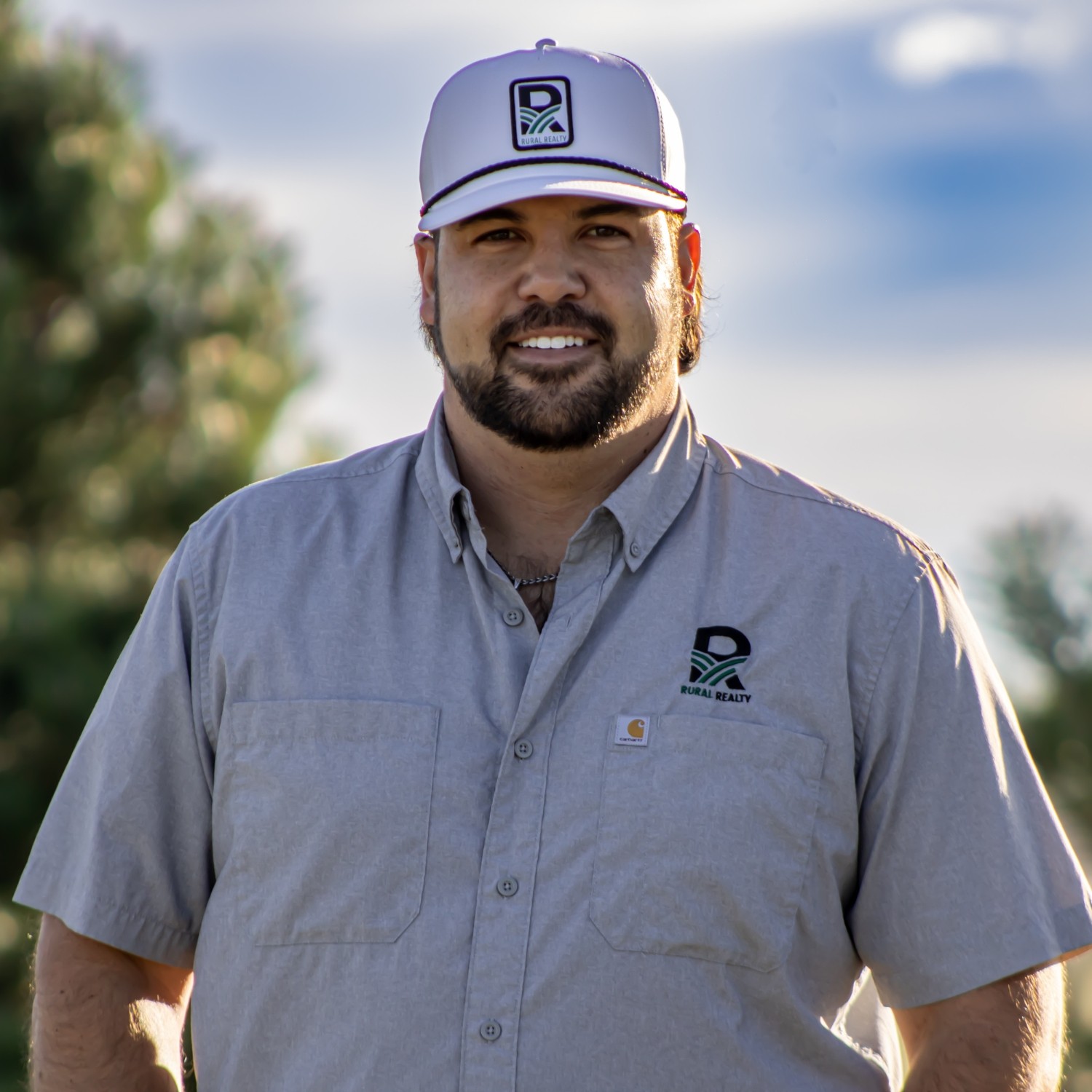
Alec Horton founded Rural Realty in 2025 to help Western Kansas landowners navigate the complexities of buying and selling rural properties with confidence. Born and raised in Leoti, Alec comes from four generations of farmers, giving him a deep understanding of the land and the people who work it. After 16 years of buying and selling agricultural land for his own family’s farm, he saw firsthand the challenges landowners face—uncertain pricing, complex transactions, and a lack of dedicated rural real estate expertise. Determined to bridge that gap, he launched Rural Realty to provide honest, knowledgeable, and personalized service to farmers, ranchers, and investors. As a licensed land broker, Alec and his team brings local insight, industry expertise, and a passion for helping clients achieve their landownership goals.
Meet the Founder of Rural Realty
Alec Horton
Alec Horton founded Rural Realty in 2025 to give landowners across Western Kansas a trusted partner in buying and selling rural properties. A fourth-generation farmer from Leoti with 16 years of experience in agricultural land deals, Alec saw the need for a brokerage that truly understands the land and the people who work it. With a deep knowledge of local markets and a commitment to honest, personalized service, Rural Realty helps farmers, ranchers, and investors navigate complex transactions with confidence.
Meet the Founder of Rural Realty
Alec Horton
Alec Horton founded Rural Realty in 2025 to help Western Kansas landowners navigate the complexities of buying and selling rural properties with confidence. Born and raised in Leoti, Alec comes from four generations of farmers, giving him a deep understanding of the land and the people who work it. After 16 years of buying and selling agricultural land for his own family’s farm, he saw firsthand the challenges landowners face—uncertain pricing, complex transactions, and a lack of dedicated rural real estate expertise. Determined to bridge that gap, he launched Rural Realty to provide honest, knowledgeable, and personalized service to farmers, ranchers, and investors. As a licensed land broker, Alec and his team brings local insight, industry expertise, and a passion for helping clients achieve their landownership goals.
Farm Experience You Can Trust
Local Knowledge. Proven Results.
46+
2023-2025 Farm Transactions
18+
Years of Farmland Experience
700+
Network of Kansas Farmers
Farm Experience You Can Trust
Local Knowledge. Proven Results.
46+
2023-2025 Farm Transactions
18+
Years of Farmland Experience
700+
Network of Kansas Farmers
Farm Experience You Can Trust
Local Knowledge. Proven Results.
46+
2023-2025 Farm Transactions
18+
Years of Farmland Experience
700+
Network of Kansas Farmers
Rural Realty Services
Comprehensive Farmland Services
Explore the Comprehensive Real Estate Solutions for Kansas farmers, landowners, families, and investors at Rural Realty
Buy a Farm
Expert guidance in finding the perfect agricultural property.
Sell Your Farm
Strategic marketing and valuation for maximum return.

Land Valuation
Receive an accurate property valuation to inform your decisions.
Rural Realty Services
Comprehensive Farmland Services
Explore the Comprehensive Real Estate Solutions for Kansas farmers, landowners, families, and investors at Rural Realty
Buy a Farm
Expert guidance in finding the perfect agricultural property.
Sell Your Farm
Strategic marketing and valuation for maximum return.
Land Valuation
Receive an accurate property valuation to inform your decisions.
Rural Realty Services
Comprehensive Farmland Services
Explore the Comprehensive Real Estate Solutions for Kansas farmers, landowners, families, and investors at Rural Realty
Buy a Farm
Expert guidance in finding the perfect agricultural property.
Sell Your Farm
Strategic marketing and valuation for maximum return.
Land Valuation
Receive an accurate property valuation to inform your decisions.
Kansas Property Expertise
From farmland to family homes, Rural Realty brings generations of local expertise to every real estate transaction.
Kansas
Rural Homes
Rural Realty helps families find their perfect country property, specializing in homes with acreage across Kansas.

Kansas
Farmland
With over four generations of farming experience, Rural Realty brings unique insight to every agricultural land transaction.

Kansas
Ranchland
Rural Realty's deep understanding of ranch operations helps buyers and sellers make confident decisions about ranching properties.

Kansas
Hunting Properties
Rural Realty combines recreational value with agricultural opportunities to maximize returns on hunting property investments.

Kansas
Commercial Properties
From retail spaces to agricultural warehouses, Rural Realty guides clients through every commercial real estate transaction.

Kansas Property Expertise
From farmland to family homes, Rural Realty brings generations of local expertise to every real estate transaction.
Kansas
Rural Homes
Rural Realty helps families find their perfect country property, specializing in homes with acreage across Kansas.
Kansas
Farmland
With over four generations of farming experience, Rural Realty brings unique insight to every agricultural land transaction.
Kansas
Ranchland
Rural Realty's deep understanding of ranch operations helps buyers and sellers make confident decisions about ranching properties.
Kansas
Hunting Properties
Rural Realty combines recreational value with agricultural opportunities to maximize returns on hunting property investments.
Kansas
Commercial Properties
From retail spaces to agricultural warehouses, Rural Realty guides clients through every commercial real estate transaction.
Kansas Property Expertise
From farmland to family homes, Rural Realty brings generations of local expertise to every real estate transaction.
Kansas
Rural Homes
Rural Realty helps families find their perfect country property, specializing in homes with acreage across Kansas.
Kansas
Farmland
With over four generations of farming experience, Rural Realty brings unique insight to every agricultural land transaction.
Kansas
Ranchland
Rural Realty's deep understanding of ranch operations helps buyers and sellers make confident decisions about ranching properties.
Kansas
Hunting Properties
Rural Realty combines recreational value with agricultural opportunities to maximize returns on hunting property investments.
Kansas
Commercial Properties
From retail spaces to agricultural warehouses, Rural Realty guides clients through every commercial real estate transaction.
Ready to Buy or Sell Your Farm in Kansas?
Contact Rural Realty today for a personalized consultation about your farmland goals. Your agricultural future starts with the right land real estate agent.
Find an Agent in your Area
Contact Rural Realty
Find an Agent in your Area
Ready to Buy or Sell Your Farm in Kansas?
Contact Rural Realty today for a personalized consultation about your farmland goals. Your agricultural future starts with the right land real estate agent.
Find an Agent in your Area