Summer Leasing Decisions That Shape Kansas Hunting Properties
Alec Horton
•
Rural Realty
•

Summer leasing choices quietly shape how a Kansas hunting property will hunt in the fall. The way you handle access, farming, grazing, and habitat in June, July, and August can build better cover and wildlife patterns, or slowly wear them down. If you own ground in Western Kansas, summer is when you decide what kind of hunts and what kind of long-term value your land will support.
We will walk through how summer leases affect wildlife and habitat, how to balance farm income with hunting value, and which lease terms matter most. We will also look at how buyers judge hunting properties for sale in midsummer and why a smart leasing record can make your ground stand out.
Make Summer Leasing Decisions Work for Fall Hunts
Summer leasing might feel like simple paperwork, but it shapes the whole hunting season ahead. When you sort out who can be on the land, how they use it, and what they can change, you are setting up how deer, pheasants, quail, and waterfowl will use that property later in the year.
What is really at stake includes things like:
Stronger habitat and predictable wildlife patterns
Reliable, repeat income from both ag and hunting leases
Lower risk of soil damage, ruts, and habitat loss from poor use
Long-term appeal when you decide to list hunting properties for sale
Short-term choices can hurt long-term value. Allowing heavy traffic, mowing every corner, or overgrazing might add a bit of quick income, but it can reduce cover, push game away, and lower what a buyer is willing to pay down the road.
Rural land buyers in Western Kansas often ask how a place is leased, who has access, and what kind of wildlife use the property receives. Smart summer leases can make your property more attractive when you decide it is time to sell. As a brokerage with deep agricultural roots, we at Rural Realty see summer leasing as a key tool for both better hunting and stronger long-term land value.
How Summer Leases Shape Wildlife and Habitat
What happens on the land in summer has a big impact on wildlife behavior in fall. Timing is a big part of this. Decisions on mowing, haying, grazing, and tillage from June through August can mean the difference between a property full of wildlife and one that feels empty on opening day.
A few key timing points to think about:
Early mowing in nesting areas can destroy pheasant and quail nests
Heavy grazing during hot, dry weeks can strip key bedding cover for deer
Aggressive summer tillage can remove weedy food and bug habitat that young birds depend on
Dropping water levels or shutting off marginal tanks can shrink available water for game
Human pressure also matters. Constant ATV riding, frequent target shooting near bedding areas, or heavy summer scouting can push game to neighboring properties before hunting season even starts. Wildlife that get bumped all summer often become harder to pattern in the fall.
That is why it pays to include clear habitat agreements in leases instead of leaving decisions to chance. Good lease language might cover:
Set-aside buffers along shelterbelts, draws, and creek bottoms
Leave strips of milo, corn, or wheat stubble in key travel corridors
Protection of windbreaks, shelterbelts, and CRP-like cover patches
Minimum water availability at ponds or tanks when possible
Small, specific rules can protect cover, nesting, and food sources without shutting down normal farm and ranch work.
Balancing Ag Income and Hunting Value in Western Kansas
In Western Kansas, most hunting ground also needs to earn its keep as farmland or ranchland. The lease structure you choose plays a big role in that balance.
Common structures include:
Cash rent for crops or grazing
Crop-share agreements with a farm tenant
Season-long or year-round grazing leases
Separate hunting access leases for deer, upland, or waterfowl
Each one affects habitat differently. For example, a simple cash rent may give the tenant full control of crop decisions, while a crop-share or custom agreement can give you more say over field layout and residue. Grazing leases that allow some rest periods often leave better grass and more cover by fall.
Working closely with your farm or ranch tenant is one of the best ways to protect both income and hunting quality. Useful topics to discuss include:
Field layout that leaves edges, corners, and odd-shaped areas as cover
Crop choices that offer both yield and wildlife food, like grain sorghum near shelterbelts
Grazing intensity and rotation, so not every pasture is short at the same time
Timing of haying and shredding in known nesting or bedding areas
Simple changes like leaving a few acres of standing crops, trying rotational grazing instead of season-long pressure, or delaying mowing in key spots can increase both annual lease income and long-term property value. Buyers looking at hunting properties for sale often place a premium on ground that shows this kind of care.
Smart Summer Terms for Kansas Hunting Leases
The fine print in a summer hunting lease can either prevent problems or invite them. Clear, simple language helps protect the land, the wildlife, and the relationships between landowners and hunters.
Key clauses that matter include:
Exact access dates and times, including when scouting can start
Rules on vehicle use, such as which roads, no traveling in wet conditions, and where to park
Guest policies so you know who is on the property and when
Placement and removal of stands, blinds, feeders, and cameras
What kind of food plots or habitat work is allowed, and who pays for it
Risk management also belongs in your summer planning. Landowners usually want leases that spell out:
Liability coverage requirements for hunters or outfitters
Indemnification language that protects the landowner from certain claims
Safety rules around livestock, irrigation equipment, and heavy machinery
Clear property boundaries, with maps or marked fences so no one crosses onto neighbors
Many owners like multi-year strategies if the lessees are good stewards. Multi-year leases can:
Reward respectful hunters with stable access
Help wildlife settle into repeat patterns, year after year
Give both sides time to adjust to dry spells or wet cycles
Create a steady income stream that also supports ongoing habitat work
Reading the Market on Hunting Properties for Sale
Serious buyers do not wait for the first cold front to judge a hunting property. They study ground in summer to see what it might really produce in the fall. When someone walks or drives a property in July or August, they often look closely at:
Trail camera activity and where cameras are placed
Crop stage and how much food will be left going into fall
Water sources like ponds, creeks, and tanks that will hold late-season wildlife
Habitat structure, including grass height, shelterbelts, and transition zones
Lease history can be a powerful selling tool. A written record of:
Past hunting leases and how long lessees stayed
Harvest notes, such as deer age class or bird numbers over time
Habitat projects, like new tree plantings or improved water access
All of this helps buyers see that the property is not just lucky, but managed with a plan.
Strong summer lease terms can support higher asking prices, because they show that the property produces both income and quality hunting. Clear maps, recent photos, and simple income summaries from ag and hunting leases make it easier for buyers to understand what they are getting and why it is worth a premium.
Partner with Rural Realty Before You Sign
Before locking in new summer hunting terms, it helps to take a fresh look at your ground as a whole. That means looking at soils, water, road access, existing ag leases, and current habitat side by side. A land specialist can help you see how each piece affects your long-term goals, whether that is stronger hunting, higher income, eventual sale, or all three.
At Rural Realty, our background in Western Kansas agriculture and land management shapes how we think about leases. We work with landowners to build custom leasing plans that fit each unique mix of farmland, ranchland, and wildlife habitat. Good leases are not one-size-fits-all; they should match your soil types, your water, your neighbors, and your plans for the next owner.
When you treat summer as the planning season for fall hunting, your ground becomes more than just acres on a map. It becomes a place where wildlife, income, and long-term value all move in the same direction, and that is what stands out when buyers start comparing hunting properties for sale across Western Kansas.
Find Your Ideal Hunting Retreat With Expert Local Guidance
If you are ready to own land that fits your lifestyle and hunting goals, we are here to help you every step of the way. Explore our curated selection of hunting properties for sale and get insights from professionals who know the terrain, wildlife patterns, and local market. At Rural Realty, we work closely with you to match your budget, preferred location, and long-term plans. Reach out today so we can start narrowing down the properties that truly fit what you are looking for.

Alec Horton- Licensed KS Broker
Weekly Newsletter Update!
Join the Newsletter to Receive Kansas Market Updates
Stay up-to-date with the latest land prices, properties for sale, and tips for managing and selling your farm!
Blog Articles

Unexpected Income Streams on Kansas Ranch Land for Sale
Alec Horton
Learn More

Evaluating Kansas Farmland Rental History Before You Buy
Alec Horton
Learn More

Kansas Ranch Listing Terms: Stocking Rate, AUMs, Carrying Capacity
Alec Horton
Learn More

Leasing vs. Selling Kansas Farmland: Choosing the Right Path
Alec Horton
Learn More

Reading Kansas Land Listings When You Want Hunting Income
Alec Horton
Learn More
Summer Leasing Decisions That Shape Kansas Hunting Properties
Alec Horton
•
Rural Realty
Summer leasing choices quietly shape how a Kansas hunting property will hunt in the fall. The way you handle access, farming, grazing, and habitat in June, July, and August can build better cover and wildlife patterns, or slowly wear them down. If you own ground in Western Kansas, summer is when you decide what kind of hunts and what kind of long-term value your land will support.
We will walk through how summer leases affect wildlife and habitat, how to balance farm income with hunting value, and which lease terms matter most. We will also look at how buyers judge hunting properties for sale in midsummer and why a smart leasing record can make your ground stand out.
Make Summer Leasing Decisions Work for Fall Hunts
Summer leasing might feel like simple paperwork, but it shapes the whole hunting season ahead. When you sort out who can be on the land, how they use it, and what they can change, you are setting up how deer, pheasants, quail, and waterfowl will use that property later in the year.
What is really at stake includes things like:
Stronger habitat and predictable wildlife patterns
Reliable, repeat income from both ag and hunting leases
Lower risk of soil damage, ruts, and habitat loss from poor use
Long-term appeal when you decide to list hunting properties for sale
Short-term choices can hurt long-term value. Allowing heavy traffic, mowing every corner, or overgrazing might add a bit of quick income, but it can reduce cover, push game away, and lower what a buyer is willing to pay down the road.
Rural land buyers in Western Kansas often ask how a place is leased, who has access, and what kind of wildlife use the property receives. Smart summer leases can make your property more attractive when you decide it is time to sell. As a brokerage with deep agricultural roots, we at Rural Realty see summer leasing as a key tool for both better hunting and stronger long-term land value.
How Summer Leases Shape Wildlife and Habitat
What happens on the land in summer has a big impact on wildlife behavior in fall. Timing is a big part of this. Decisions on mowing, haying, grazing, and tillage from June through August can mean the difference between a property full of wildlife and one that feels empty on opening day.
A few key timing points to think about:
Early mowing in nesting areas can destroy pheasant and quail nests
Heavy grazing during hot, dry weeks can strip key bedding cover for deer
Aggressive summer tillage can remove weedy food and bug habitat that young birds depend on
Dropping water levels or shutting off marginal tanks can shrink available water for game
Human pressure also matters. Constant ATV riding, frequent target shooting near bedding areas, or heavy summer scouting can push game to neighboring properties before hunting season even starts. Wildlife that get bumped all summer often become harder to pattern in the fall.
That is why it pays to include clear habitat agreements in leases instead of leaving decisions to chance. Good lease language might cover:
Set-aside buffers along shelterbelts, draws, and creek bottoms
Leave strips of milo, corn, or wheat stubble in key travel corridors
Protection of windbreaks, shelterbelts, and CRP-like cover patches
Minimum water availability at ponds or tanks when possible
Small, specific rules can protect cover, nesting, and food sources without shutting down normal farm and ranch work.
Balancing Ag Income and Hunting Value in Western Kansas
In Western Kansas, most hunting ground also needs to earn its keep as farmland or ranchland. The lease structure you choose plays a big role in that balance.
Common structures include:
Cash rent for crops or grazing
Crop-share agreements with a farm tenant
Season-long or year-round grazing leases
Separate hunting access leases for deer, upland, or waterfowl
Each one affects habitat differently. For example, a simple cash rent may give the tenant full control of crop decisions, while a crop-share or custom agreement can give you more say over field layout and residue. Grazing leases that allow some rest periods often leave better grass and more cover by fall.
Working closely with your farm or ranch tenant is one of the best ways to protect both income and hunting quality. Useful topics to discuss include:
Field layout that leaves edges, corners, and odd-shaped areas as cover
Crop choices that offer both yield and wildlife food, like grain sorghum near shelterbelts
Grazing intensity and rotation, so not every pasture is short at the same time
Timing of haying and shredding in known nesting or bedding areas
Simple changes like leaving a few acres of standing crops, trying rotational grazing instead of season-long pressure, or delaying mowing in key spots can increase both annual lease income and long-term property value. Buyers looking at hunting properties for sale often place a premium on ground that shows this kind of care.
Smart Summer Terms for Kansas Hunting Leases
The fine print in a summer hunting lease can either prevent problems or invite them. Clear, simple language helps protect the land, the wildlife, and the relationships between landowners and hunters.
Key clauses that matter include:
Exact access dates and times, including when scouting can start
Rules on vehicle use, such as which roads, no traveling in wet conditions, and where to park
Guest policies so you know who is on the property and when
Placement and removal of stands, blinds, feeders, and cameras
What kind of food plots or habitat work is allowed, and who pays for it
Risk management also belongs in your summer planning. Landowners usually want leases that spell out:
Liability coverage requirements for hunters or outfitters
Indemnification language that protects the landowner from certain claims
Safety rules around livestock, irrigation equipment, and heavy machinery
Clear property boundaries, with maps or marked fences so no one crosses onto neighbors
Many owners like multi-year strategies if the lessees are good stewards. Multi-year leases can:
Reward respectful hunters with stable access
Help wildlife settle into repeat patterns, year after year
Give both sides time to adjust to dry spells or wet cycles
Create a steady income stream that also supports ongoing habitat work
Reading the Market on Hunting Properties for Sale
Serious buyers do not wait for the first cold front to judge a hunting property. They study ground in summer to see what it might really produce in the fall. When someone walks or drives a property in July or August, they often look closely at:
Trail camera activity and where cameras are placed
Crop stage and how much food will be left going into fall
Water sources like ponds, creeks, and tanks that will hold late-season wildlife
Habitat structure, including grass height, shelterbelts, and transition zones
Lease history can be a powerful selling tool. A written record of:
Past hunting leases and how long lessees stayed
Harvest notes, such as deer age class or bird numbers over time
Habitat projects, like new tree plantings or improved water access
All of this helps buyers see that the property is not just lucky, but managed with a plan.
Strong summer lease terms can support higher asking prices, because they show that the property produces both income and quality hunting. Clear maps, recent photos, and simple income summaries from ag and hunting leases make it easier for buyers to understand what they are getting and why it is worth a premium.
Partner with Rural Realty Before You Sign
Before locking in new summer hunting terms, it helps to take a fresh look at your ground as a whole. That means looking at soils, water, road access, existing ag leases, and current habitat side by side. A land specialist can help you see how each piece affects your long-term goals, whether that is stronger hunting, higher income, eventual sale, or all three.
At Rural Realty, our background in Western Kansas agriculture and land management shapes how we think about leases. We work with landowners to build custom leasing plans that fit each unique mix of farmland, ranchland, and wildlife habitat. Good leases are not one-size-fits-all; they should match your soil types, your water, your neighbors, and your plans for the next owner.
When you treat summer as the planning season for fall hunting, your ground becomes more than just acres on a map. It becomes a place where wildlife, income, and long-term value all move in the same direction, and that is what stands out when buyers start comparing hunting properties for sale across Western Kansas.
Find Your Ideal Hunting Retreat With Expert Local Guidance
If you are ready to own land that fits your lifestyle and hunting goals, we are here to help you every step of the way. Explore our curated selection of hunting properties for sale and get insights from professionals who know the terrain, wildlife patterns, and local market. At Rural Realty, we work closely with you to match your budget, preferred location, and long-term plans. Reach out today so we can start narrowing down the properties that truly fit what you are looking for.
Summer Leasing Decisions That Shape Kansas Hunting Properties
Alec Horton
•
Rural Realty
•
Summer leasing choices quietly shape how a Kansas hunting property will hunt in the fall. The way you handle access, farming, grazing, and habitat in June, July, and August can build better cover and wildlife patterns, or slowly wear them down. If you own ground in Western Kansas, summer is when you decide what kind of hunts and what kind of long-term value your land will support.
We will walk through how summer leases affect wildlife and habitat, how to balance farm income with hunting value, and which lease terms matter most. We will also look at how buyers judge hunting properties for sale in midsummer and why a smart leasing record can make your ground stand out.
Make Summer Leasing Decisions Work for Fall Hunts
Summer leasing might feel like simple paperwork, but it shapes the whole hunting season ahead. When you sort out who can be on the land, how they use it, and what they can change, you are setting up how deer, pheasants, quail, and waterfowl will use that property later in the year.
What is really at stake includes things like:
Stronger habitat and predictable wildlife patterns
Reliable, repeat income from both ag and hunting leases
Lower risk of soil damage, ruts, and habitat loss from poor use
Long-term appeal when you decide to list hunting properties for sale
Short-term choices can hurt long-term value. Allowing heavy traffic, mowing every corner, or overgrazing might add a bit of quick income, but it can reduce cover, push game away, and lower what a buyer is willing to pay down the road.
Rural land buyers in Western Kansas often ask how a place is leased, who has access, and what kind of wildlife use the property receives. Smart summer leases can make your property more attractive when you decide it is time to sell. As a brokerage with deep agricultural roots, we at Rural Realty see summer leasing as a key tool for both better hunting and stronger long-term land value.
How Summer Leases Shape Wildlife and Habitat
What happens on the land in summer has a big impact on wildlife behavior in fall. Timing is a big part of this. Decisions on mowing, haying, grazing, and tillage from June through August can mean the difference between a property full of wildlife and one that feels empty on opening day.
A few key timing points to think about:
Early mowing in nesting areas can destroy pheasant and quail nests
Heavy grazing during hot, dry weeks can strip key bedding cover for deer
Aggressive summer tillage can remove weedy food and bug habitat that young birds depend on
Dropping water levels or shutting off marginal tanks can shrink available water for game
Human pressure also matters. Constant ATV riding, frequent target shooting near bedding areas, or heavy summer scouting can push game to neighboring properties before hunting season even starts. Wildlife that get bumped all summer often become harder to pattern in the fall.
That is why it pays to include clear habitat agreements in leases instead of leaving decisions to chance. Good lease language might cover:
Set-aside buffers along shelterbelts, draws, and creek bottoms
Leave strips of milo, corn, or wheat stubble in key travel corridors
Protection of windbreaks, shelterbelts, and CRP-like cover patches
Minimum water availability at ponds or tanks when possible
Small, specific rules can protect cover, nesting, and food sources without shutting down normal farm and ranch work.
Balancing Ag Income and Hunting Value in Western Kansas
In Western Kansas, most hunting ground also needs to earn its keep as farmland or ranchland. The lease structure you choose plays a big role in that balance.
Common structures include:
Cash rent for crops or grazing
Crop-share agreements with a farm tenant
Season-long or year-round grazing leases
Separate hunting access leases for deer, upland, or waterfowl
Each one affects habitat differently. For example, a simple cash rent may give the tenant full control of crop decisions, while a crop-share or custom agreement can give you more say over field layout and residue. Grazing leases that allow some rest periods often leave better grass and more cover by fall.
Working closely with your farm or ranch tenant is one of the best ways to protect both income and hunting quality. Useful topics to discuss include:
Field layout that leaves edges, corners, and odd-shaped areas as cover
Crop choices that offer both yield and wildlife food, like grain sorghum near shelterbelts
Grazing intensity and rotation, so not every pasture is short at the same time
Timing of haying and shredding in known nesting or bedding areas
Simple changes like leaving a few acres of standing crops, trying rotational grazing instead of season-long pressure, or delaying mowing in key spots can increase both annual lease income and long-term property value. Buyers looking at hunting properties for sale often place a premium on ground that shows this kind of care.
Smart Summer Terms for Kansas Hunting Leases
The fine print in a summer hunting lease can either prevent problems or invite them. Clear, simple language helps protect the land, the wildlife, and the relationships between landowners and hunters.
Key clauses that matter include:
Exact access dates and times, including when scouting can start
Rules on vehicle use, such as which roads, no traveling in wet conditions, and where to park
Guest policies so you know who is on the property and when
Placement and removal of stands, blinds, feeders, and cameras
What kind of food plots or habitat work is allowed, and who pays for it
Risk management also belongs in your summer planning. Landowners usually want leases that spell out:
Liability coverage requirements for hunters or outfitters
Indemnification language that protects the landowner from certain claims
Safety rules around livestock, irrigation equipment, and heavy machinery
Clear property boundaries, with maps or marked fences so no one crosses onto neighbors
Many owners like multi-year strategies if the lessees are good stewards. Multi-year leases can:
Reward respectful hunters with stable access
Help wildlife settle into repeat patterns, year after year
Give both sides time to adjust to dry spells or wet cycles
Create a steady income stream that also supports ongoing habitat work
Reading the Market on Hunting Properties for Sale
Serious buyers do not wait for the first cold front to judge a hunting property. They study ground in summer to see what it might really produce in the fall. When someone walks or drives a property in July or August, they often look closely at:
Trail camera activity and where cameras are placed
Crop stage and how much food will be left going into fall
Water sources like ponds, creeks, and tanks that will hold late-season wildlife
Habitat structure, including grass height, shelterbelts, and transition zones
Lease history can be a powerful selling tool. A written record of:
Past hunting leases and how long lessees stayed
Harvest notes, such as deer age class or bird numbers over time
Habitat projects, like new tree plantings or improved water access
All of this helps buyers see that the property is not just lucky, but managed with a plan.
Strong summer lease terms can support higher asking prices, because they show that the property produces both income and quality hunting. Clear maps, recent photos, and simple income summaries from ag and hunting leases make it easier for buyers to understand what they are getting and why it is worth a premium.
Partner with Rural Realty Before You Sign
Before locking in new summer hunting terms, it helps to take a fresh look at your ground as a whole. That means looking at soils, water, road access, existing ag leases, and current habitat side by side. A land specialist can help you see how each piece affects your long-term goals, whether that is stronger hunting, higher income, eventual sale, or all three.
At Rural Realty, our background in Western Kansas agriculture and land management shapes how we think about leases. We work with landowners to build custom leasing plans that fit each unique mix of farmland, ranchland, and wildlife habitat. Good leases are not one-size-fits-all; they should match your soil types, your water, your neighbors, and your plans for the next owner.
When you treat summer as the planning season for fall hunting, your ground becomes more than just acres on a map. It becomes a place where wildlife, income, and long-term value all move in the same direction, and that is what stands out when buyers start comparing hunting properties for sale across Western Kansas.
Find Your Ideal Hunting Retreat With Expert Local Guidance
If you are ready to own land that fits your lifestyle and hunting goals, we are here to help you every step of the way. Explore our curated selection of hunting properties for sale and get insights from professionals who know the terrain, wildlife patterns, and local market. At Rural Realty, we work closely with you to match your budget, preferred location, and long-term plans. Reach out today so we can start narrowing down the properties that truly fit what you are looking for.
Meet the Founder of Rural Realty
Alec Horton
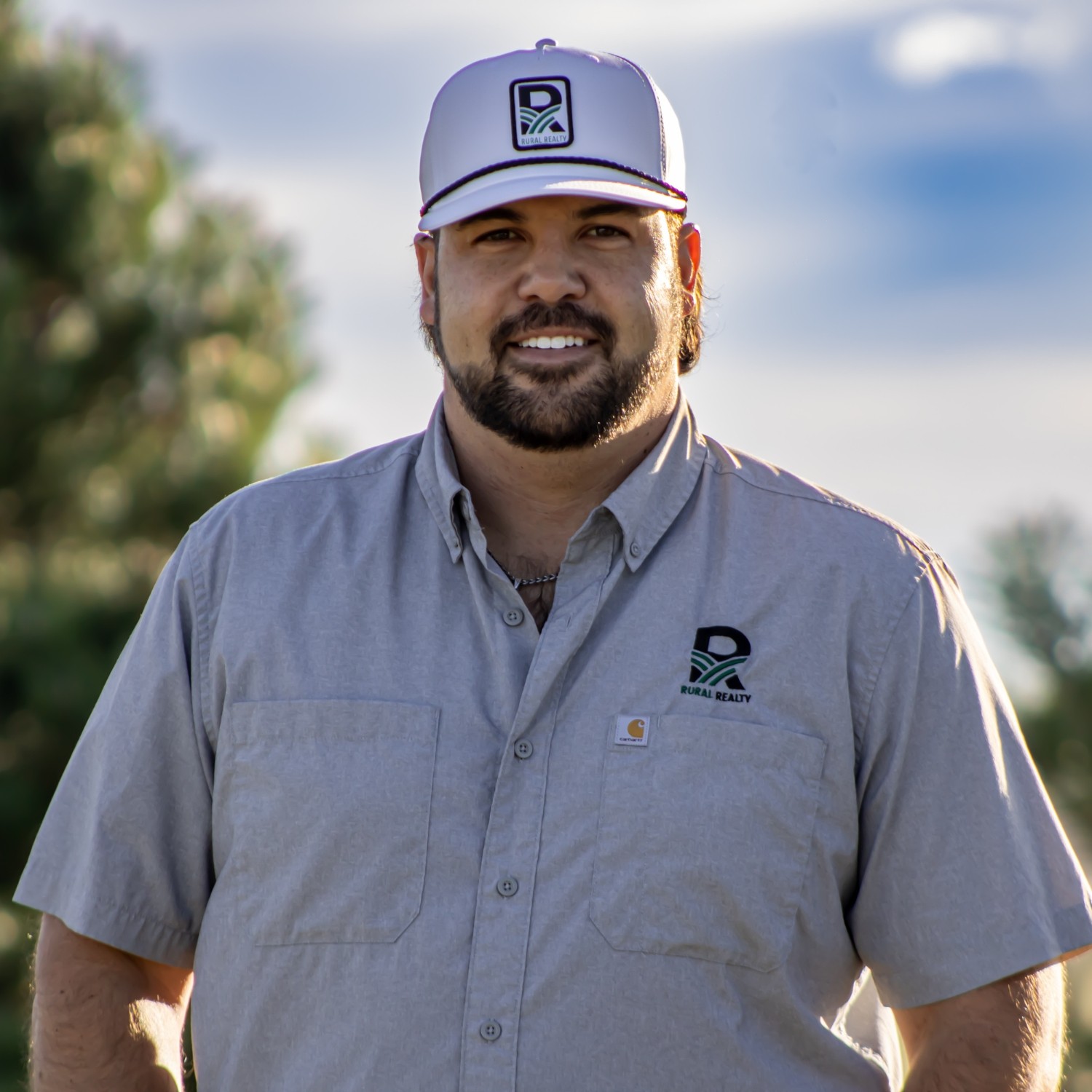
Alec Horton founded Rural Realty in 2025 to help Western Kansas landowners navigate the complexities of buying and selling rural properties with confidence. Born and raised in Leoti, Alec comes from four generations of farmers, giving him a deep understanding of the land and the people who work it. After 16 years of buying and selling agricultural land for his own family’s farm, he saw firsthand the challenges landowners face—uncertain pricing, complex transactions, and a lack of dedicated rural real estate expertise. Determined to bridge that gap, he launched Rural Realty to provide honest, knowledgeable, and personalized service to farmers, ranchers, and investors. As a licensed land broker, Alec and his team brings local insight, industry expertise, and a passion for helping clients achieve their landownership goals.
Meet the Founder of Rural Realty
Alec Horton
Alec Horton founded Rural Realty in 2025 to give landowners across Western Kansas a trusted partner in buying and selling rural properties. A fourth-generation farmer from Leoti with 16 years of experience in agricultural land deals, Alec saw the need for a brokerage that truly understands the land and the people who work it. With a deep knowledge of local markets and a commitment to honest, personalized service, Rural Realty helps farmers, ranchers, and investors navigate complex transactions with confidence.
Meet the Founder of Rural Realty
Alec Horton
Alec Horton founded Rural Realty in 2025 to help Western Kansas landowners navigate the complexities of buying and selling rural properties with confidence. Born and raised in Leoti, Alec comes from four generations of farmers, giving him a deep understanding of the land and the people who work it. After 16 years of buying and selling agricultural land for his own family’s farm, he saw firsthand the challenges landowners face—uncertain pricing, complex transactions, and a lack of dedicated rural real estate expertise. Determined to bridge that gap, he launched Rural Realty to provide honest, knowledgeable, and personalized service to farmers, ranchers, and investors. As a licensed land broker, Alec and his team brings local insight, industry expertise, and a passion for helping clients achieve their landownership goals.
Farm Experience You Can Trust
Local Knowledge. Proven Results.
46+
2023-2025 Farm Transactions
18+
Years of Farmland Experience
700+
Network of Kansas Farmers
Farm Experience You Can Trust
Local Knowledge. Proven Results.
46+
2023-2025 Farm Transactions
18+
Years of Farmland Experience
700+
Network of Kansas Farmers
Farm Experience You Can Trust
Local Knowledge. Proven Results.
46+
2023-2025 Farm Transactions
18+
Years of Farmland Experience
700+
Network of Kansas Farmers
Rural Realty Services
Comprehensive Farmland Services
Explore the Comprehensive Real Estate Solutions for Kansas farmers, landowners, families, and investors at Rural Realty
Buy a Farm
Expert guidance in finding the perfect agricultural property.
Sell Your Farm
Strategic marketing and valuation for maximum return.
Land Valuation
Receive an accurate property valuation to inform your decisions.
Rural Realty Services
Comprehensive Farmland Services
Explore the Comprehensive Real Estate Solutions for Kansas farmers, landowners, families, and investors at Rural Realty
Buy a Farm
Expert guidance in finding the perfect agricultural property.
Sell Your Farm
Strategic marketing and valuation for maximum return.
Land Valuation
Receive an accurate property valuation to inform your decisions.
Rural Realty Services
Comprehensive Farmland Services
Explore the Comprehensive Real Estate Solutions for Kansas farmers, landowners, families, and investors at Rural Realty
Buy a Farm
Expert guidance in finding the perfect agricultural property.
Sell Your Farm
Strategic marketing and valuation for maximum return.
Land Valuation
Receive an accurate property valuation to inform your decisions.
Kansas Property Expertise
From farmland to family homes, Rural Realty brings generations of local expertise to every real estate transaction.
Kansas
Rural Homes
Rural Realty helps families find their perfect country property, specializing in homes with acreage across Kansas.

Kansas
Farmland
With over four generations of farming experience, Rural Realty brings unique insight to every agricultural land transaction.

Kansas
Ranchland
Rural Realty's deep understanding of ranch operations helps buyers and sellers make confident decisions about ranching properties.

Kansas
Hunting Properties
Rural Realty combines recreational value with agricultural opportunities to maximize returns on hunting property investments.

Kansas
Commercial Properties
From retail spaces to agricultural warehouses, Rural Realty guides clients through every commercial real estate transaction.

Kansas Property Expertise
From farmland to family homes, Rural Realty brings generations of local expertise to every real estate transaction.
Kansas
Rural Homes
Rural Realty helps families find their perfect country property, specializing in homes with acreage across Kansas.
Kansas
Farmland
With over four generations of farming experience, Rural Realty brings unique insight to every agricultural land transaction.
Kansas
Ranchland
Rural Realty's deep understanding of ranch operations helps buyers and sellers make confident decisions about ranching properties.
Kansas
Hunting Properties
Rural Realty combines recreational value with agricultural opportunities to maximize returns on hunting property investments.
Kansas
Commercial Properties
From retail spaces to agricultural warehouses, Rural Realty guides clients through every commercial real estate transaction.
Kansas Property Expertise
From farmland to family homes, Rural Realty brings generations of local expertise to every real estate transaction.
Kansas
Rural Homes
Rural Realty helps families find their perfect country property, specializing in homes with acreage across Kansas.
Kansas
Farmland
With over four generations of farming experience, Rural Realty brings unique insight to every agricultural land transaction.
Kansas
Ranchland
Rural Realty's deep understanding of ranch operations helps buyers and sellers make confident decisions about ranching properties.
Kansas
Hunting Properties
Rural Realty combines recreational value with agricultural opportunities to maximize returns on hunting property investments.
Kansas
Commercial Properties
From retail spaces to agricultural warehouses, Rural Realty guides clients through every commercial real estate transaction.
Ready to Buy or Sell Your Farm in Kansas?
Contact Rural Realty today for a personalized consultation about your farmland goals. Your agricultural future starts with the right land real estate agent.
Find an Agent in your Area
Contact Rural Realty
Find an Agent in your Area
Ready to Buy or Sell Your Farm in Kansas?
Contact Rural Realty today for a personalized consultation about your farmland goals. Your agricultural future starts with the right land real estate agent.
Find an Agent in your Area