Use Land Valuation to Time Your Kansas Farm Listing and Set a Price Range
Alec Horton
•
Rural Realty
•
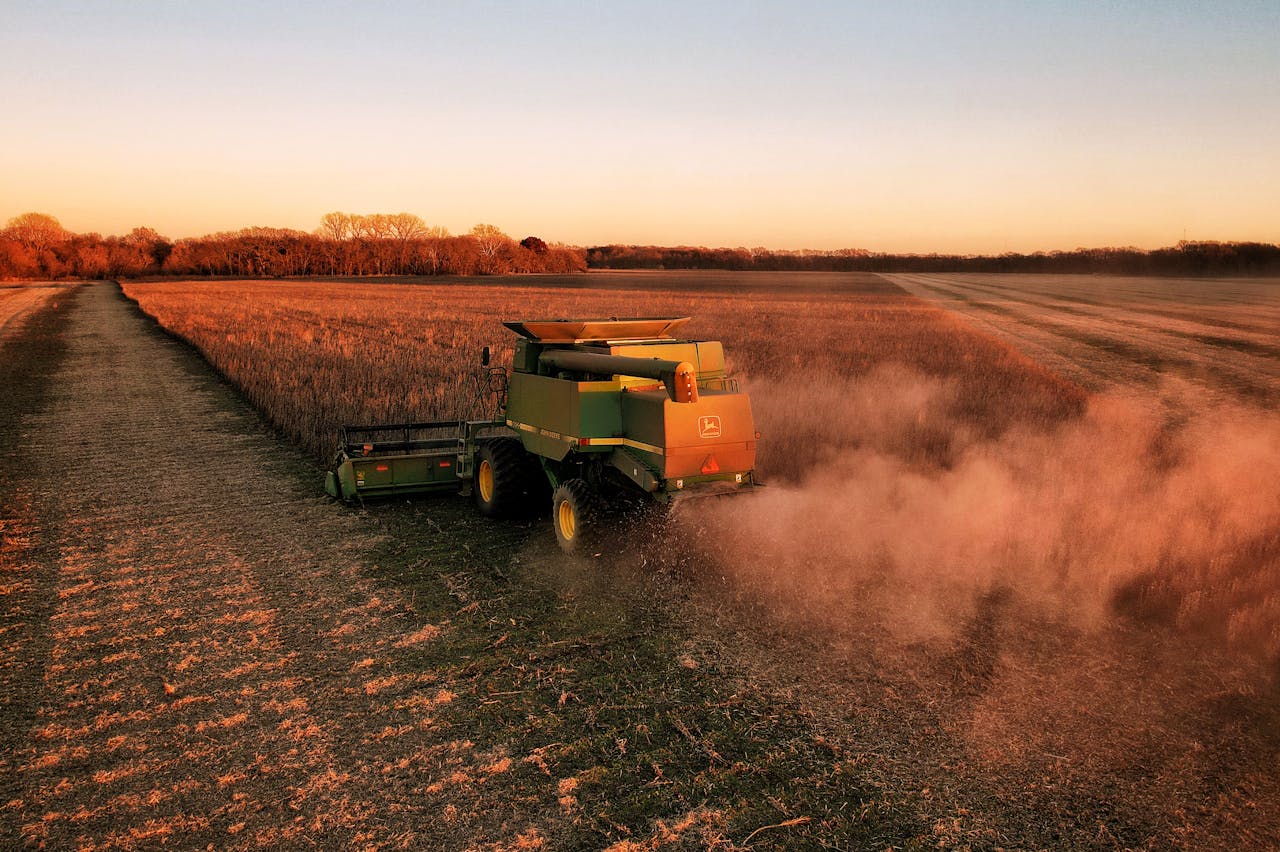
Selling a Kansas farm is not just about planting a sign and waiting. The value of the same piece of ground can change a lot depending on timing, markets, and how clearly the price is backed up by real data. When you understand land valuation in Kansas, you are in a much better spot to pick your listing window and set a price that is firm but still fair to buyers.
Spring is often a busy time for rural property. Buyers are thinking about the coming crop year, fall grazing, and hunting seasons. That makes it a smart season to pay close attention to value, demand, and the story your farm can tell. In this article, we will walk through how land valuation works, how timing connects to price, and how to use both to give your sale the best shot at success.
Use Smart Land Valuation to Sell at the Right Time
The same Kansas farm can be worth more or less from one month to another. Markets move, buyers gain or lose confidence, and interest rates shift. On top of that, buyers are far more willing to pay up when they see strong data that proves the land is worth your asking price.
Late winter through late spring is often a key window to sell. Buyers are:
Planning planting and grazing
Lining up leases and operating loans
Thinking about where to place sale proceeds or 1031 exchange funds
When you match that buyer energy with a professional land valuation, you can:
Choose a go-to-market month that lines up with real demand
Set a solid pricing range instead of guessing
Avoid sitting on the market too long or giving away equity
What Land Valuation Really Means for Kansas Farms
Land valuation in Kansas is not just a single number on a page. There are a few pieces that work together:
Fair market value: What a well-informed buyer and seller are likely to agree on in a normal sale.
Appraised value: An opinion of value from an appraiser, often used by lenders.
Listing price: The number you post publicly, based on data and your goals.
These three do not always match, but they should be in the same ballpark if you want serious buyers to pay attention.
Key value drivers for Kansas farms and ranches usually include:
Soil quality and productivity
Water access and any related rights
Pasture condition and stocking potential
Improvements like fences, corrals, barns, and sheds
Location and access to grain markets or sale barns
Local details matter a lot. Statewide averages can hide big differences between counties or even between two roads in the same county. Local sales, lease rates, and the mix of irrigation and dryland all shape what your farm is really worth. Hunting demand can also add value where there is strong wildlife habitat.
Reading the Market: When to List Your Kansas Farm
Timing a listing is part weather, part habit, and part economics. Many Kansas sellers like late winter through early summer because:
Farmers are planning acres and equipment
Ranchers are watching pasture and feed supplies
Buyers working with 1031 exchanges may have firm deadlines
An April listing often lines up with planting plans, spring pasture checks, and early thoughts about fall hunting. That means more eyes on rural listings and more buyers ready to make offers.
At the same time, bigger economic signals shape how bold you can be on price. Things we watch closely include:
Interest rates and how they affect loan payments
Commodity prices for crops and cattle
Input costs like fertilizer, fuel, and feed
When profits feel tighter, buyers may be more cautious. When conditions look stronger, they may stretch more for the right farm. A rural land professional watches recent sales, days on market, and buyer calls or showings to help decide if now is strong enough or if it might pay to wait.
Using Land Valuation to Set a Realistic Price Range
Many sellers have a number in mind before they ever see a sale report. That is normal, but emotion alone can work against you. A good land valuation in Kansas starts with data, such as:
Comparable sales that match your soil, water, and location
Soil maps and crop history
Current or past hunting income
Lease rates for crops, pasture, or CRP ground
From there, it is helpful to think in pricing bands, not one magic price. For example:
Conservative: A price that should pull strong interest quickly if demand is steady
Market-aligned: A price that matches recent sales and your property’s true strengths
Aggressive: A top-of-market price that needs excellent marketing and patient timing
Features like a high percentage of tillable acres, live water, CRP income, or strong hunting potential can justify sitting closer to the top of that range.
Common mistakes often fall into three buckets:
Underpricing, which can bring a quick sale but leave equity on the table
Overpricing, which can lead to a stale listing and repeated price cuts
Testing the market without data, which often ends with confusion and burnout
At Rural Realty, we lean on clear, local valuation work to find that sweet spot where buyers feel the price is supported, and sellers feel respected.
Aligning Timing, Valuation, and Your Sale Strategy
Not every buyer type shops the same way or at the same time. Matching your timing to the most likely buyer for your farm can add real strength to your listing. For example:
Row-crop farmers may focus around planting and harvest gaps
Ranchers watch grass conditions and herd plans
Investors pay attention to returns, lease terms, and interest rates year-round
Recreational buyers often think ahead to deer and upland seasons
When your listing date lines up with those natural windows, your valuation story lands better.
A strong valuation also shapes your marketing. Good photos, clear maps, soil reports, yield history, and hunting or grazing details all work together to support your asking price. Buyers should be able to look at your listing and think, "I see how they got to that number."
That same data gives you power in negotiation. When offers come in, you can compare them to the valuation, recent sales, and your pricing bands. This helps you decide when to stand firm, when to counter, and when an offer is actually strong for the current market.
Take the Next Step Before You Pick a Listing Date
Before you worry about picking the exact week to list, it helps to gather the records that support a clean valuation. A simple pre-listing checklist might include:
Yield history or crop insurance records
Grazing and stocking records
Any hunting leases or income details
Water rights or well information
CRP or other program contracts
Notes on recent improvements or repairs
With those pieces in hand, a rural land professional can give you a clearer look at value, likely buyers, and a recommended listing window. At Rural Realty, we bring our farming background and rural focus to that process, so your Kansas farm is not judged by statewide averages alone.
If you are thinking about selling in the next season or two, starting the land valuation process now can give you far more control. When timing, valuation, and strategy all line up, you go to market with a clear plan instead of guesswork, and that can make all the difference in how your Kansas farm sale turns out.
Unlock Accurate Land Insights For Smarter Decisions
If you are ready to understand what your acreage is truly worth, our team at Rural Realty is here to help. Start with a professional land valuation in Kansas so you can make confident choices about selling, purchasing, or long-term planning. We will walk you through local market trends, comparable sales, and the unique characteristics of your property. Have specific questions or time-sensitive goals? Contact us to schedule a conversation about your land.

Alec Horton- Licensed KS Broker
Weekly Newsletter Update!
Join the Newsletter to Receive Kansas Market Updates
Stay up-to-date with the latest land prices, properties for sale, and tips for managing and selling your farm!
Blog Articles

Farm Land For Sale in Kansas
Alec Horton
Learn More

Unexpected Income Streams on Kansas Ranch Land for Sale
Alec Horton
Learn More

Evaluating Kansas Farmland Rental History Before You Buy
Alec Horton
Learn More

Kansas Ranch Listing Terms: Stocking Rate, AUMs, Carrying Capacity
Alec Horton
Learn More

Leasing vs. Selling Kansas Farmland: Choosing the Right Path
Alec Horton
Learn More
Use Land Valuation to Time Your Kansas Farm Listing and Set a Price Range
Alec Horton
•
Rural Realty
Selling a Kansas farm is not just about planting a sign and waiting. The value of the same piece of ground can change a lot depending on timing, markets, and how clearly the price is backed up by real data. When you understand land valuation in Kansas, you are in a much better spot to pick your listing window and set a price that is firm but still fair to buyers.
Spring is often a busy time for rural property. Buyers are thinking about the coming crop year, fall grazing, and hunting seasons. That makes it a smart season to pay close attention to value, demand, and the story your farm can tell. In this article, we will walk through how land valuation works, how timing connects to price, and how to use both to give your sale the best shot at success.
Use Smart Land Valuation to Sell at the Right Time
The same Kansas farm can be worth more or less from one month to another. Markets move, buyers gain or lose confidence, and interest rates shift. On top of that, buyers are far more willing to pay up when they see strong data that proves the land is worth your asking price.
Late winter through late spring is often a key window to sell. Buyers are:
Planning planting and grazing
Lining up leases and operating loans
Thinking about where to place sale proceeds or 1031 exchange funds
When you match that buyer energy with a professional land valuation, you can:
Choose a go-to-market month that lines up with real demand
Set a solid pricing range instead of guessing
Avoid sitting on the market too long or giving away equity
What Land Valuation Really Means for Kansas Farms
Land valuation in Kansas is not just a single number on a page. There are a few pieces that work together:
Fair market value: What a well-informed buyer and seller are likely to agree on in a normal sale.
Appraised value: An opinion of value from an appraiser, often used by lenders.
Listing price: The number you post publicly, based on data and your goals.
These three do not always match, but they should be in the same ballpark if you want serious buyers to pay attention.
Key value drivers for Kansas farms and ranches usually include:
Soil quality and productivity
Water access and any related rights
Pasture condition and stocking potential
Improvements like fences, corrals, barns, and sheds
Location and access to grain markets or sale barns
Local details matter a lot. Statewide averages can hide big differences between counties or even between two roads in the same county. Local sales, lease rates, and the mix of irrigation and dryland all shape what your farm is really worth. Hunting demand can also add value where there is strong wildlife habitat.
Reading the Market: When to List Your Kansas Farm
Timing a listing is part weather, part habit, and part economics. Many Kansas sellers like late winter through early summer because:
Farmers are planning acres and equipment
Ranchers are watching pasture and feed supplies
Buyers working with 1031 exchanges may have firm deadlines
An April listing often lines up with planting plans, spring pasture checks, and early thoughts about fall hunting. That means more eyes on rural listings and more buyers ready to make offers.
At the same time, bigger economic signals shape how bold you can be on price. Things we watch closely include:
Interest rates and how they affect loan payments
Commodity prices for crops and cattle
Input costs like fertilizer, fuel, and feed
When profits feel tighter, buyers may be more cautious. When conditions look stronger, they may stretch more for the right farm. A rural land professional watches recent sales, days on market, and buyer calls or showings to help decide if now is strong enough or if it might pay to wait.
Using Land Valuation to Set a Realistic Price Range
Many sellers have a number in mind before they ever see a sale report. That is normal, but emotion alone can work against you. A good land valuation in Kansas starts with data, such as:
Comparable sales that match your soil, water, and location
Soil maps and crop history
Current or past hunting income
Lease rates for crops, pasture, or CRP ground
From there, it is helpful to think in pricing bands, not one magic price. For example:
Conservative: A price that should pull strong interest quickly if demand is steady
Market-aligned: A price that matches recent sales and your property’s true strengths
Aggressive: A top-of-market price that needs excellent marketing and patient timing
Features like a high percentage of tillable acres, live water, CRP income, or strong hunting potential can justify sitting closer to the top of that range.
Common mistakes often fall into three buckets:
Underpricing, which can bring a quick sale but leave equity on the table
Overpricing, which can lead to a stale listing and repeated price cuts
Testing the market without data, which often ends with confusion and burnout
At Rural Realty, we lean on clear, local valuation work to find that sweet spot where buyers feel the price is supported, and sellers feel respected.
Aligning Timing, Valuation, and Your Sale Strategy
Not every buyer type shops the same way or at the same time. Matching your timing to the most likely buyer for your farm can add real strength to your listing. For example:
Row-crop farmers may focus around planting and harvest gaps
Ranchers watch grass conditions and herd plans
Investors pay attention to returns, lease terms, and interest rates year-round
Recreational buyers often think ahead to deer and upland seasons
When your listing date lines up with those natural windows, your valuation story lands better.
A strong valuation also shapes your marketing. Good photos, clear maps, soil reports, yield history, and hunting or grazing details all work together to support your asking price. Buyers should be able to look at your listing and think, "I see how they got to that number."
That same data gives you power in negotiation. When offers come in, you can compare them to the valuation, recent sales, and your pricing bands. This helps you decide when to stand firm, when to counter, and when an offer is actually strong for the current market.
Take the Next Step Before You Pick a Listing Date
Before you worry about picking the exact week to list, it helps to gather the records that support a clean valuation. A simple pre-listing checklist might include:
Yield history or crop insurance records
Grazing and stocking records
Any hunting leases or income details
Water rights or well information
CRP or other program contracts
Notes on recent improvements or repairs
With those pieces in hand, a rural land professional can give you a clearer look at value, likely buyers, and a recommended listing window. At Rural Realty, we bring our farming background and rural focus to that process, so your Kansas farm is not judged by statewide averages alone.
If you are thinking about selling in the next season or two, starting the land valuation process now can give you far more control. When timing, valuation, and strategy all line up, you go to market with a clear plan instead of guesswork, and that can make all the difference in how your Kansas farm sale turns out.
Unlock Accurate Land Insights For Smarter Decisions
If you are ready to understand what your acreage is truly worth, our team at Rural Realty is here to help. Start with a professional land valuation in Kansas so you can make confident choices about selling, purchasing, or long-term planning. We will walk you through local market trends, comparable sales, and the unique characteristics of your property. Have specific questions or time-sensitive goals? Contact us to schedule a conversation about your land.
Use Land Valuation to Time Your Kansas Farm Listing and Set a Price Range
Alec Horton
•
Rural Realty
•
Selling a Kansas farm is not just about planting a sign and waiting. The value of the same piece of ground can change a lot depending on timing, markets, and how clearly the price is backed up by real data. When you understand land valuation in Kansas, you are in a much better spot to pick your listing window and set a price that is firm but still fair to buyers.
Spring is often a busy time for rural property. Buyers are thinking about the coming crop year, fall grazing, and hunting seasons. That makes it a smart season to pay close attention to value, demand, and the story your farm can tell. In this article, we will walk through how land valuation works, how timing connects to price, and how to use both to give your sale the best shot at success.
Use Smart Land Valuation to Sell at the Right Time
The same Kansas farm can be worth more or less from one month to another. Markets move, buyers gain or lose confidence, and interest rates shift. On top of that, buyers are far more willing to pay up when they see strong data that proves the land is worth your asking price.
Late winter through late spring is often a key window to sell. Buyers are:
Planning planting and grazing
Lining up leases and operating loans
Thinking about where to place sale proceeds or 1031 exchange funds
When you match that buyer energy with a professional land valuation, you can:
Choose a go-to-market month that lines up with real demand
Set a solid pricing range instead of guessing
Avoid sitting on the market too long or giving away equity
What Land Valuation Really Means for Kansas Farms
Land valuation in Kansas is not just a single number on a page. There are a few pieces that work together:
Fair market value: What a well-informed buyer and seller are likely to agree on in a normal sale.
Appraised value: An opinion of value from an appraiser, often used by lenders.
Listing price: The number you post publicly, based on data and your goals.
These three do not always match, but they should be in the same ballpark if you want serious buyers to pay attention.
Key value drivers for Kansas farms and ranches usually include:
Soil quality and productivity
Water access and any related rights
Pasture condition and stocking potential
Improvements like fences, corrals, barns, and sheds
Location and access to grain markets or sale barns
Local details matter a lot. Statewide averages can hide big differences between counties or even between two roads in the same county. Local sales, lease rates, and the mix of irrigation and dryland all shape what your farm is really worth. Hunting demand can also add value where there is strong wildlife habitat.
Reading the Market: When to List Your Kansas Farm
Timing a listing is part weather, part habit, and part economics. Many Kansas sellers like late winter through early summer because:
Farmers are planning acres and equipment
Ranchers are watching pasture and feed supplies
Buyers working with 1031 exchanges may have firm deadlines
An April listing often lines up with planting plans, spring pasture checks, and early thoughts about fall hunting. That means more eyes on rural listings and more buyers ready to make offers.
At the same time, bigger economic signals shape how bold you can be on price. Things we watch closely include:
Interest rates and how they affect loan payments
Commodity prices for crops and cattle
Input costs like fertilizer, fuel, and feed
When profits feel tighter, buyers may be more cautious. When conditions look stronger, they may stretch more for the right farm. A rural land professional watches recent sales, days on market, and buyer calls or showings to help decide if now is strong enough or if it might pay to wait.
Using Land Valuation to Set a Realistic Price Range
Many sellers have a number in mind before they ever see a sale report. That is normal, but emotion alone can work against you. A good land valuation in Kansas starts with data, such as:
Comparable sales that match your soil, water, and location
Soil maps and crop history
Current or past hunting income
Lease rates for crops, pasture, or CRP ground
From there, it is helpful to think in pricing bands, not one magic price. For example:
Conservative: A price that should pull strong interest quickly if demand is steady
Market-aligned: A price that matches recent sales and your property’s true strengths
Aggressive: A top-of-market price that needs excellent marketing and patient timing
Features like a high percentage of tillable acres, live water, CRP income, or strong hunting potential can justify sitting closer to the top of that range.
Common mistakes often fall into three buckets:
Underpricing, which can bring a quick sale but leave equity on the table
Overpricing, which can lead to a stale listing and repeated price cuts
Testing the market without data, which often ends with confusion and burnout
At Rural Realty, we lean on clear, local valuation work to find that sweet spot where buyers feel the price is supported, and sellers feel respected.
Aligning Timing, Valuation, and Your Sale Strategy
Not every buyer type shops the same way or at the same time. Matching your timing to the most likely buyer for your farm can add real strength to your listing. For example:
Row-crop farmers may focus around planting and harvest gaps
Ranchers watch grass conditions and herd plans
Investors pay attention to returns, lease terms, and interest rates year-round
Recreational buyers often think ahead to deer and upland seasons
When your listing date lines up with those natural windows, your valuation story lands better.
A strong valuation also shapes your marketing. Good photos, clear maps, soil reports, yield history, and hunting or grazing details all work together to support your asking price. Buyers should be able to look at your listing and think, "I see how they got to that number."
That same data gives you power in negotiation. When offers come in, you can compare them to the valuation, recent sales, and your pricing bands. This helps you decide when to stand firm, when to counter, and when an offer is actually strong for the current market.
Take the Next Step Before You Pick a Listing Date
Before you worry about picking the exact week to list, it helps to gather the records that support a clean valuation. A simple pre-listing checklist might include:
Yield history or crop insurance records
Grazing and stocking records
Any hunting leases or income details
Water rights or well information
CRP or other program contracts
Notes on recent improvements or repairs
With those pieces in hand, a rural land professional can give you a clearer look at value, likely buyers, and a recommended listing window. At Rural Realty, we bring our farming background and rural focus to that process, so your Kansas farm is not judged by statewide averages alone.
If you are thinking about selling in the next season or two, starting the land valuation process now can give you far more control. When timing, valuation, and strategy all line up, you go to market with a clear plan instead of guesswork, and that can make all the difference in how your Kansas farm sale turns out.
Unlock Accurate Land Insights For Smarter Decisions
If you are ready to understand what your acreage is truly worth, our team at Rural Realty is here to help. Start with a professional land valuation in Kansas so you can make confident choices about selling, purchasing, or long-term planning. We will walk you through local market trends, comparable sales, and the unique characteristics of your property. Have specific questions or time-sensitive goals? Contact us to schedule a conversation about your land.
Meet the Founder of Rural Realty
Alec Horton
Alec Horton founded Rural Realty in 2025 to help Western Kansas landowners navigate the complexities of buying and selling rural properties with confidence. Born and raised in Leoti, Alec comes from four generations of farmers, giving him a deep understanding of the land and the people who work it. After 16 years of buying and selling agricultural land for his own family’s farm, he saw firsthand the challenges landowners face—uncertain pricing, complex transactions, and a lack of dedicated rural real estate expertise. Determined to bridge that gap, he launched Rural Realty to provide honest, knowledgeable, and personalized service to farmers, ranchers, and investors. As a licensed land broker, Alec and his team brings local insight, industry expertise, and a passion for helping clients achieve their landownership goals.

Meet the Founder of Rural Realty
Alec Horton
Alec Horton founded Rural Realty in 2025 to give landowners across Western Kansas a trusted partner in buying and selling rural properties. A fourth-generation farmer from Leoti with 16 years of experience in agricultural land deals, Alec saw the need for a brokerage that truly understands the land and the people who work it. With a deep knowledge of local markets and a commitment to honest, personalized service, Rural Realty helps farmers, ranchers, and investors navigate complex transactions with confidence.
Meet the Founder of Rural Realty
Alec Horton
Alec Horton founded Rural Realty in 2025 to help Western Kansas landowners navigate the complexities of buying and selling rural properties with confidence. Born and raised in Leoti, Alec comes from four generations of farmers, giving him a deep understanding of the land and the people who work it. After 16 years of buying and selling agricultural land for his own family’s farm, he saw firsthand the challenges landowners face—uncertain pricing, complex transactions, and a lack of dedicated rural real estate expertise. Determined to bridge that gap, he launched Rural Realty to provide honest, knowledgeable, and personalized service to farmers, ranchers, and investors. As a licensed land broker, Alec and his team brings local insight, industry expertise, and a passion for helping clients achieve their landownership goals.
Farm Experience You Can Trust
Local Knowledge. Proven Results.
46+
2023-2025 Farm Transactions
18+
Years of Farmland Experience
700+
Network of Kansas Farmers
Farm Experience You Can Trust
Local Knowledge. Proven Results.
46+
2023-2025 Farm Transactions
18+
Years of Farmland Experience
700+
Network of Kansas Farmers
Farm Experience You Can Trust
Local Knowledge. Proven Results.
46+
2023-2025 Farm Transactions
18+
Years of Farmland Experience
700+
Network of Kansas Farmers
Rural Realty Services
Comprehensive Farmland Services
Explore the Comprehensive Real Estate Solutions for Kansas farmers, landowners, families, and investors at Rural Realty
Buy a Farm
Expert guidance in finding the perfect agricultural property.
Sell Your Farm
Strategic marketing and valuation for maximum return.
Land Valuation
Receive an accurate property valuation to inform your decisions.
Rural Realty Services
Comprehensive Farmland Services
Explore the Comprehensive Real Estate Solutions for Kansas farmers, landowners, families, and investors at Rural Realty
Buy a Farm
Expert guidance in finding the perfect agricultural property.
Sell Your Farm
Strategic marketing and valuation for maximum return.
Land Valuation
Receive an accurate property valuation to inform your decisions.
Rural Realty Services
Comprehensive Farmland Services
Explore the Comprehensive Real Estate Solutions for Kansas farmers, landowners, families, and investors at Rural Realty
Buy a Farm
Expert guidance in finding the perfect agricultural property.
Sell Your Farm
Strategic marketing and valuation for maximum return.
Land Valuation
Receive an accurate property valuation to inform your decisions.
Kansas Property Expertise
From farmland to family homes, Rural Realty brings generations of local expertise to every real estate transaction.
Kansas
Rural Homes
Rural Realty helps families find their perfect country property, specializing in homes with acreage across Kansas.

Kansas
Farmland
With over four generations of farming experience, Rural Realty brings unique insight to every agricultural land transaction.

Kansas
Ranchland
Rural Realty's deep understanding of ranch operations helps buyers and sellers make confident decisions about ranching properties.

Kansas
Hunting Properties
Rural Realty combines recreational value with agricultural opportunities to maximize returns on hunting property investments.

Kansas
Commercial Properties
From retail spaces to agricultural warehouses, Rural Realty guides clients through every commercial real estate transaction.

Kansas Property Expertise
From farmland to family homes, Rural Realty brings generations of local expertise to every real estate transaction.
Kansas
Rural Homes
Rural Realty helps families find their perfect country property, specializing in homes with acreage across Kansas.
Kansas
Farmland
With over four generations of farming experience, Rural Realty brings unique insight to every agricultural land transaction.
Kansas
Ranchland
Rural Realty's deep understanding of ranch operations helps buyers and sellers make confident decisions about ranching properties.
Kansas
Hunting Properties
Rural Realty combines recreational value with agricultural opportunities to maximize returns on hunting property investments.
Kansas
Commercial Properties
From retail spaces to agricultural warehouses, Rural Realty guides clients through every commercial real estate transaction.
Kansas Property Expertise
From farmland to family homes, Rural Realty brings generations of local expertise to every real estate transaction.
Kansas
Rural Homes
Rural Realty helps families find their perfect country property, specializing in homes with acreage across Kansas.
Kansas
Farmland
With over four generations of farming experience, Rural Realty brings unique insight to every agricultural land transaction.
Kansas
Ranchland
Rural Realty's deep understanding of ranch operations helps buyers and sellers make confident decisions about ranching properties.
Kansas
Hunting Properties
Rural Realty combines recreational value with agricultural opportunities to maximize returns on hunting property investments.
Kansas
Commercial Properties
From retail spaces to agricultural warehouses, Rural Realty guides clients through every commercial real estate transaction.
Ready to Buy or Sell Your Farm in Kansas?
Contact Rural Realty today for a personalized consultation about your farmland goals. Your agricultural future starts with the right land real estate agent.
Find an Agent in your Area
Contact Rural Realty
Find an Agent in your Area
Ready to Buy or Sell Your Farm in Kansas?
Contact Rural Realty today for a personalized consultation about your farmland goals. Your agricultural future starts with the right land real estate agent.
Find an Agent in your Area