When Drought Risk Changes the Value of Kansas Farmland
Alec Horton
•
Rural Realty
•
How Drought Risk Is Reshaping Kansas Farmland Values
Drought has always been part of farming in Kansas, but it is starting to hit land values in new and sharper ways. Longer dry stretches, tighter water rules in some areas, and hotter summers are changing how buyers, lenders, and appraisers look at ground across the state.
For many years, drought was treated as a background worry. Now it is a main factor in land valuation in Kansas. When we talk with farmers, landowners, and investors, they want to know not only what a farm can do in a “normal” year, but how it holds up when rain shuts off. In this article, we will walk through how drought risk shows up in the numbers, what traits buyers are paying extra for, and how you can protect the long-term value of your property.
As we head into another growing season with questions about moisture and heat, it pays to look beyond a single yield or cash rent check. Understanding drought risk can help you set better asking prices, negotiate with more confidence, and protect your long-term return on the land.
Why Weather Volatility Now Matters More Than Ever
Weather in Kansas has always swung between wet and dry, but lately we are seeing more extreme shifts. Many areas are dealing with:
Longer dry spells between rains
Hotter stretches in midsummer
Stricter irrigation limits in some groundwater districts
Heavier storms that run off faster and do less to recharge soil
That kind of pattern makes planning a crop or a grazing season tougher. One or two strong yield years no longer tell the whole story. Serious buyers, lenders, and appraisers are looking at longer records of rainfall, heat, and water use when they think about land valuation in Kansas.
Because of this, buyers are starting to “price in” volatility. In simple terms, that means:
Farms that are more resilient to drought can support stronger values
Farms that burn up faster in a dry year often see a discount
Properties with uncertain irrigation or shallow soils raise more questions
This does not mean dryland or marginal ground has no value. It does mean that the market is rewarding stability and clear water access more than it did in the past.
How Drought Risk Impacts Land Valuation in Kansas
Drought risk shows up in land values through several everyday numbers that most landowners know well. When we look at a farm or ranch, some of the first areas drought touches are:
Cash rent potential for crop or pasture
Expected yields in both good and bad years
Operating costs, especially irrigation and extra inputs
Crop insurance performance and claims history
If an area suffers frequent yield losses in dry summers, tenants may not be able to pay the same rent as neighbors with deeper soils or better water. That lower, more cautious rent then feeds directly into value.
Two farms can sit just a few miles apart and look very similar from a highway, but once you dig into the details they may be very different. Key questions include:
How deep is the topsoil and subsoil?
How much water can the soil hold after a normal rain?
How deep is the water table, and how consistent are the wells?
Are there any current or likely water use limits?
Modern rural appraisals pay closer attention to drought than they once did. Appraisers and experienced brokers review crop insurance records, local rainfall trends, water-rights status, and even patterns of emergency tillage or crop failures. All of that rolls into an opinion of value that reflects not just last year, but how the property is likely to perform across many seasons.
Water, Soils, and Location Traits Buyers Pay for Now
When we walk a Kansas farm with buyers, the conversation about drought usually falls into three buckets: water, soils, and location.
On the water side, buyers often look for:
Strong, consistent well production
Clear and documented water rights
Efficient irrigation systems, such as well-maintained pivots
Good delivery systems, like underground pipe instead of leaky ditches
Soils can be just as important. In a dry season, the right soil can stretch a small rain a long way. The traits buyers focus on include:
Texture that balances drainage with water-holding ability
Higher organic matter that helps soil act like a sponge
Slope that is gentle enough to limit runoff and erosion
Areas that are not prone to standing water that can later bake hard
Location also plays a big role. Across Kansas, different regions are viewed through a drought lens:
Western irrigated ground: Water security and well strength are big drivers of value
Central mixed-use farms: Buyers weigh both dryland yield history and irrigation options
Eastern row crop and pasture: Rainfall is usually higher, so soil quality and drainage get more attention
Each area has its own drought profile, and that shapes demand and pricing. Two farms with the same soil rating on paper can bring very different offers if one sits in a pocket that consistently catches better rains.
Strategies to Protect and Improve Farmland Value
Landowners are not helpless in the face of drought risk. There are practical steps that can help protect, and sometimes raise, the value of a farm over time, especially as buyers grow more cautious.
Some of the strongest moves we see include:
Upgrading or adding efficient irrigation where water rights and supply allow
Investing in soil health, such as reduced tillage and cover crops
Improving drainage and terraces so heavy rains soak in instead of running off
Maintaining and modernizing pumps, pivots, and underground lines
Management choices also tell a story to the next buyer or appraiser. Thoughtful crop and livestock plans can show that a farm can handle tough years, not just perfect ones. Helpful examples include:
Rotating crops to spread weather risk and protect soil
Planting drought-tolerant hybrids or varieties where they fit
Adjusting stocking rates and grazing plans in dry seasons
Keeping clear notes on water use, yields, and input changes
When you are thinking about selling or refinancing sometime in the next few seasons, it pays to start documenting now. Good records of recent management, water use, conservation work, and yield results can support a stronger valuation and give buyers confidence that the farm is managed with drought in mind.
Pricing and Selling Farmland in a Drier Future
Setting an asking price in a drier future takes more than looking at the last sale down the road. A fair number needs to reflect:
Current drought conditions
Long-term strengths like water, soils, and location
Buildings, fences, and irrigation infrastructure
Actual production history across wet and dry years
When it is time to sell, how you present the property can make a real difference. Buyers want a clear picture of drought risk and resilience. Helpful pieces of that picture include:
Maps that show soil types, irrigation layouts, and field divisions
Documentation of water rights and well testing where available
Yield records for both strong and dry seasons
Notes on conservation work, terraces, waterways, and cover crops
For buyers and investors, comparing properties now means asking more questions about drought. Some smart things to request or review are:
Crop insurance records and history of prevent-plant or major losses
Local reports or data on rainfall, well levels, and water limits
Information on any planned changes to water rules
Signs of field problems in past dry years, such as burn spots or thin stands
These steps help bring drought risk out into the open, so both sides understand what is being bought and sold.
Take the Next Step in Understanding Your Land’s Value
Drought risk is not going away, and land markets are adjusting. Waiting for the next severe dry spell to find out what your ground is really worth can be a hard lesson, especially if you are thinking about selling, handing the farm to the next generation, or talking with a lender.
At Rural Realty, we live and work in Kansas farm country, and we understand how water, soil, and local weather patterns shape land valuation in Kansas. A thoughtful, locally informed opinion of value that takes drought, water resources, and current buyer demand into account can give you clearer options for your family and your operation, whether you are holding, buying, or planning a sale in the seasons ahead.
Secure Clear, Data-Driven Land Values For Your Next Move
If you are weighing a sale, purchase, or family transition, accurate numbers can make all the difference. Our specialists at Rural Realty provide in-depth land valuation in Kansas so you can move forward with confidence. Tell us about your property goals and we will outline practical next steps tailored to your acres. Ready to begin the conversation today? Contact us to get started.

Alec Horton- Licensed KS Broker
Weekly Newsletter Update!
Join the Newsletter to Receive Kansas Market Updates
Stay up-to-date with the latest land prices, properties for sale, and tips for managing and selling your farm!
Blog Articles

Unexpected Income Streams on Kansas Ranch Land for Sale
Alec Horton
Learn More

Evaluating Kansas Farmland Rental History Before You Buy
Alec Horton
Learn More

Kansas Ranch Listing Terms: Stocking Rate, AUMs, Carrying Capacity
Alec Horton
Learn More

Leasing vs. Selling Kansas Farmland: Choosing the Right Path
Alec Horton
Learn More

Reading Kansas Land Listings When You Want Hunting Income
Alec Horton
Learn More
When Drought Risk Changes the Value of Kansas Farmland
Alec Horton
•
Rural Realty
How Drought Risk Is Reshaping Kansas Farmland Values
Drought has always been part of farming in Kansas, but it is starting to hit land values in new and sharper ways. Longer dry stretches, tighter water rules in some areas, and hotter summers are changing how buyers, lenders, and appraisers look at ground across the state.
For many years, drought was treated as a background worry. Now it is a main factor in land valuation in Kansas. When we talk with farmers, landowners, and investors, they want to know not only what a farm can do in a “normal” year, but how it holds up when rain shuts off. In this article, we will walk through how drought risk shows up in the numbers, what traits buyers are paying extra for, and how you can protect the long-term value of your property.
As we head into another growing season with questions about moisture and heat, it pays to look beyond a single yield or cash rent check. Understanding drought risk can help you set better asking prices, negotiate with more confidence, and protect your long-term return on the land.
Why Weather Volatility Now Matters More Than Ever
Weather in Kansas has always swung between wet and dry, but lately we are seeing more extreme shifts. Many areas are dealing with:
Longer dry spells between rains
Hotter stretches in midsummer
Stricter irrigation limits in some groundwater districts
Heavier storms that run off faster and do less to recharge soil
That kind of pattern makes planning a crop or a grazing season tougher. One or two strong yield years no longer tell the whole story. Serious buyers, lenders, and appraisers are looking at longer records of rainfall, heat, and water use when they think about land valuation in Kansas.
Because of this, buyers are starting to “price in” volatility. In simple terms, that means:
Farms that are more resilient to drought can support stronger values
Farms that burn up faster in a dry year often see a discount
Properties with uncertain irrigation or shallow soils raise more questions
This does not mean dryland or marginal ground has no value. It does mean that the market is rewarding stability and clear water access more than it did in the past.
How Drought Risk Impacts Land Valuation in Kansas
Drought risk shows up in land values through several everyday numbers that most landowners know well. When we look at a farm or ranch, some of the first areas drought touches are:
Cash rent potential for crop or pasture
Expected yields in both good and bad years
Operating costs, especially irrigation and extra inputs
Crop insurance performance and claims history
If an area suffers frequent yield losses in dry summers, tenants may not be able to pay the same rent as neighbors with deeper soils or better water. That lower, more cautious rent then feeds directly into value.
Two farms can sit just a few miles apart and look very similar from a highway, but once you dig into the details they may be very different. Key questions include:
How deep is the topsoil and subsoil?
How much water can the soil hold after a normal rain?
How deep is the water table, and how consistent are the wells?
Are there any current or likely water use limits?
Modern rural appraisals pay closer attention to drought than they once did. Appraisers and experienced brokers review crop insurance records, local rainfall trends, water-rights status, and even patterns of emergency tillage or crop failures. All of that rolls into an opinion of value that reflects not just last year, but how the property is likely to perform across many seasons.
Water, Soils, and Location Traits Buyers Pay for Now
When we walk a Kansas farm with buyers, the conversation about drought usually falls into three buckets: water, soils, and location.
On the water side, buyers often look for:
Strong, consistent well production
Clear and documented water rights
Efficient irrigation systems, such as well-maintained pivots
Good delivery systems, like underground pipe instead of leaky ditches
Soils can be just as important. In a dry season, the right soil can stretch a small rain a long way. The traits buyers focus on include:
Texture that balances drainage with water-holding ability
Higher organic matter that helps soil act like a sponge
Slope that is gentle enough to limit runoff and erosion
Areas that are not prone to standing water that can later bake hard
Location also plays a big role. Across Kansas, different regions are viewed through a drought lens:
Western irrigated ground: Water security and well strength are big drivers of value
Central mixed-use farms: Buyers weigh both dryland yield history and irrigation options
Eastern row crop and pasture: Rainfall is usually higher, so soil quality and drainage get more attention
Each area has its own drought profile, and that shapes demand and pricing. Two farms with the same soil rating on paper can bring very different offers if one sits in a pocket that consistently catches better rains.
Strategies to Protect and Improve Farmland Value
Landowners are not helpless in the face of drought risk. There are practical steps that can help protect, and sometimes raise, the value of a farm over time, especially as buyers grow more cautious.
Some of the strongest moves we see include:
Upgrading or adding efficient irrigation where water rights and supply allow
Investing in soil health, such as reduced tillage and cover crops
Improving drainage and terraces so heavy rains soak in instead of running off
Maintaining and modernizing pumps, pivots, and underground lines
Management choices also tell a story to the next buyer or appraiser. Thoughtful crop and livestock plans can show that a farm can handle tough years, not just perfect ones. Helpful examples include:
Rotating crops to spread weather risk and protect soil
Planting drought-tolerant hybrids or varieties where they fit
Adjusting stocking rates and grazing plans in dry seasons
Keeping clear notes on water use, yields, and input changes
When you are thinking about selling or refinancing sometime in the next few seasons, it pays to start documenting now. Good records of recent management, water use, conservation work, and yield results can support a stronger valuation and give buyers confidence that the farm is managed with drought in mind.
Pricing and Selling Farmland in a Drier Future
Setting an asking price in a drier future takes more than looking at the last sale down the road. A fair number needs to reflect:
Current drought conditions
Long-term strengths like water, soils, and location
Buildings, fences, and irrigation infrastructure
Actual production history across wet and dry years
When it is time to sell, how you present the property can make a real difference. Buyers want a clear picture of drought risk and resilience. Helpful pieces of that picture include:
Maps that show soil types, irrigation layouts, and field divisions
Documentation of water rights and well testing where available
Yield records for both strong and dry seasons
Notes on conservation work, terraces, waterways, and cover crops
For buyers and investors, comparing properties now means asking more questions about drought. Some smart things to request or review are:
Crop insurance records and history of prevent-plant or major losses
Local reports or data on rainfall, well levels, and water limits
Information on any planned changes to water rules
Signs of field problems in past dry years, such as burn spots or thin stands
These steps help bring drought risk out into the open, so both sides understand what is being bought and sold.
Take the Next Step in Understanding Your Land’s Value
Drought risk is not going away, and land markets are adjusting. Waiting for the next severe dry spell to find out what your ground is really worth can be a hard lesson, especially if you are thinking about selling, handing the farm to the next generation, or talking with a lender.
At Rural Realty, we live and work in Kansas farm country, and we understand how water, soil, and local weather patterns shape land valuation in Kansas. A thoughtful, locally informed opinion of value that takes drought, water resources, and current buyer demand into account can give you clearer options for your family and your operation, whether you are holding, buying, or planning a sale in the seasons ahead.
Secure Clear, Data-Driven Land Values For Your Next Move
If you are weighing a sale, purchase, or family transition, accurate numbers can make all the difference. Our specialists at Rural Realty provide in-depth land valuation in Kansas so you can move forward with confidence. Tell us about your property goals and we will outline practical next steps tailored to your acres. Ready to begin the conversation today? Contact us to get started.
When Drought Risk Changes the Value of Kansas Farmland
Alec Horton
•
Rural Realty
•
How Drought Risk Is Reshaping Kansas Farmland Values
Drought has always been part of farming in Kansas, but it is starting to hit land values in new and sharper ways. Longer dry stretches, tighter water rules in some areas, and hotter summers are changing how buyers, lenders, and appraisers look at ground across the state.
For many years, drought was treated as a background worry. Now it is a main factor in land valuation in Kansas. When we talk with farmers, landowners, and investors, they want to know not only what a farm can do in a “normal” year, but how it holds up when rain shuts off. In this article, we will walk through how drought risk shows up in the numbers, what traits buyers are paying extra for, and how you can protect the long-term value of your property.
As we head into another growing season with questions about moisture and heat, it pays to look beyond a single yield or cash rent check. Understanding drought risk can help you set better asking prices, negotiate with more confidence, and protect your long-term return on the land.
Why Weather Volatility Now Matters More Than Ever
Weather in Kansas has always swung between wet and dry, but lately we are seeing more extreme shifts. Many areas are dealing with:
Longer dry spells between rains
Hotter stretches in midsummer
Stricter irrigation limits in some groundwater districts
Heavier storms that run off faster and do less to recharge soil
That kind of pattern makes planning a crop or a grazing season tougher. One or two strong yield years no longer tell the whole story. Serious buyers, lenders, and appraisers are looking at longer records of rainfall, heat, and water use when they think about land valuation in Kansas.
Because of this, buyers are starting to “price in” volatility. In simple terms, that means:
Farms that are more resilient to drought can support stronger values
Farms that burn up faster in a dry year often see a discount
Properties with uncertain irrigation or shallow soils raise more questions
This does not mean dryland or marginal ground has no value. It does mean that the market is rewarding stability and clear water access more than it did in the past.
How Drought Risk Impacts Land Valuation in Kansas
Drought risk shows up in land values through several everyday numbers that most landowners know well. When we look at a farm or ranch, some of the first areas drought touches are:
Cash rent potential for crop or pasture
Expected yields in both good and bad years
Operating costs, especially irrigation and extra inputs
Crop insurance performance and claims history
If an area suffers frequent yield losses in dry summers, tenants may not be able to pay the same rent as neighbors with deeper soils or better water. That lower, more cautious rent then feeds directly into value.
Two farms can sit just a few miles apart and look very similar from a highway, but once you dig into the details they may be very different. Key questions include:
How deep is the topsoil and subsoil?
How much water can the soil hold after a normal rain?
How deep is the water table, and how consistent are the wells?
Are there any current or likely water use limits?
Modern rural appraisals pay closer attention to drought than they once did. Appraisers and experienced brokers review crop insurance records, local rainfall trends, water-rights status, and even patterns of emergency tillage or crop failures. All of that rolls into an opinion of value that reflects not just last year, but how the property is likely to perform across many seasons.
Water, Soils, and Location Traits Buyers Pay for Now
When we walk a Kansas farm with buyers, the conversation about drought usually falls into three buckets: water, soils, and location.
On the water side, buyers often look for:
Strong, consistent well production
Clear and documented water rights
Efficient irrigation systems, such as well-maintained pivots
Good delivery systems, like underground pipe instead of leaky ditches
Soils can be just as important. In a dry season, the right soil can stretch a small rain a long way. The traits buyers focus on include:
Texture that balances drainage with water-holding ability
Higher organic matter that helps soil act like a sponge
Slope that is gentle enough to limit runoff and erosion
Areas that are not prone to standing water that can later bake hard
Location also plays a big role. Across Kansas, different regions are viewed through a drought lens:
Western irrigated ground: Water security and well strength are big drivers of value
Central mixed-use farms: Buyers weigh both dryland yield history and irrigation options
Eastern row crop and pasture: Rainfall is usually higher, so soil quality and drainage get more attention
Each area has its own drought profile, and that shapes demand and pricing. Two farms with the same soil rating on paper can bring very different offers if one sits in a pocket that consistently catches better rains.
Strategies to Protect and Improve Farmland Value
Landowners are not helpless in the face of drought risk. There are practical steps that can help protect, and sometimes raise, the value of a farm over time, especially as buyers grow more cautious.
Some of the strongest moves we see include:
Upgrading or adding efficient irrigation where water rights and supply allow
Investing in soil health, such as reduced tillage and cover crops
Improving drainage and terraces so heavy rains soak in instead of running off
Maintaining and modernizing pumps, pivots, and underground lines
Management choices also tell a story to the next buyer or appraiser. Thoughtful crop and livestock plans can show that a farm can handle tough years, not just perfect ones. Helpful examples include:
Rotating crops to spread weather risk and protect soil
Planting drought-tolerant hybrids or varieties where they fit
Adjusting stocking rates and grazing plans in dry seasons
Keeping clear notes on water use, yields, and input changes
When you are thinking about selling or refinancing sometime in the next few seasons, it pays to start documenting now. Good records of recent management, water use, conservation work, and yield results can support a stronger valuation and give buyers confidence that the farm is managed with drought in mind.
Pricing and Selling Farmland in a Drier Future
Setting an asking price in a drier future takes more than looking at the last sale down the road. A fair number needs to reflect:
Current drought conditions
Long-term strengths like water, soils, and location
Buildings, fences, and irrigation infrastructure
Actual production history across wet and dry years
When it is time to sell, how you present the property can make a real difference. Buyers want a clear picture of drought risk and resilience. Helpful pieces of that picture include:
Maps that show soil types, irrigation layouts, and field divisions
Documentation of water rights and well testing where available
Yield records for both strong and dry seasons
Notes on conservation work, terraces, waterways, and cover crops
For buyers and investors, comparing properties now means asking more questions about drought. Some smart things to request or review are:
Crop insurance records and history of prevent-plant or major losses
Local reports or data on rainfall, well levels, and water limits
Information on any planned changes to water rules
Signs of field problems in past dry years, such as burn spots or thin stands
These steps help bring drought risk out into the open, so both sides understand what is being bought and sold.
Take the Next Step in Understanding Your Land’s Value
Drought risk is not going away, and land markets are adjusting. Waiting for the next severe dry spell to find out what your ground is really worth can be a hard lesson, especially if you are thinking about selling, handing the farm to the next generation, or talking with a lender.
At Rural Realty, we live and work in Kansas farm country, and we understand how water, soil, and local weather patterns shape land valuation in Kansas. A thoughtful, locally informed opinion of value that takes drought, water resources, and current buyer demand into account can give you clearer options for your family and your operation, whether you are holding, buying, or planning a sale in the seasons ahead.
Secure Clear, Data-Driven Land Values For Your Next Move
If you are weighing a sale, purchase, or family transition, accurate numbers can make all the difference. Our specialists at Rural Realty provide in-depth land valuation in Kansas so you can move forward with confidence. Tell us about your property goals and we will outline practical next steps tailored to your acres. Ready to begin the conversation today? Contact us to get started.
Meet the Founder of Rural Realty
Alec Horton
Alec Horton founded Rural Realty in 2025 to help Western Kansas landowners navigate the complexities of buying and selling rural properties with confidence. Born and raised in Leoti, Alec comes from four generations of farmers, giving him a deep understanding of the land and the people who work it. After 16 years of buying and selling agricultural land for his own family’s farm, he saw firsthand the challenges landowners face—uncertain pricing, complex transactions, and a lack of dedicated rural real estate expertise. Determined to bridge that gap, he launched Rural Realty to provide honest, knowledgeable, and personalized service to farmers, ranchers, and investors. As a licensed land broker, Alec and his team brings local insight, industry expertise, and a passion for helping clients achieve their landownership goals.

Meet the Founder of Rural Realty
Alec Horton
Alec Horton founded Rural Realty in 2025 to give landowners across Western Kansas a trusted partner in buying and selling rural properties. A fourth-generation farmer from Leoti with 16 years of experience in agricultural land deals, Alec saw the need for a brokerage that truly understands the land and the people who work it. With a deep knowledge of local markets and a commitment to honest, personalized service, Rural Realty helps farmers, ranchers, and investors navigate complex transactions with confidence.
Meet the Founder of Rural Realty
Alec Horton
Alec Horton founded Rural Realty in 2025 to help Western Kansas landowners navigate the complexities of buying and selling rural properties with confidence. Born and raised in Leoti, Alec comes from four generations of farmers, giving him a deep understanding of the land and the people who work it. After 16 years of buying and selling agricultural land for his own family’s farm, he saw firsthand the challenges landowners face—uncertain pricing, complex transactions, and a lack of dedicated rural real estate expertise. Determined to bridge that gap, he launched Rural Realty to provide honest, knowledgeable, and personalized service to farmers, ranchers, and investors. As a licensed land broker, Alec and his team brings local insight, industry expertise, and a passion for helping clients achieve their landownership goals.
Farm Experience You Can Trust
Local Knowledge. Proven Results.
46+
2023-2025 Farm Transactions
18+
Years of Farmland Experience
700+
Network of Kansas Farmers
Farm Experience You Can Trust
Local Knowledge. Proven Results.
46+
2023-2025 Farm Transactions
18+
Years of Farmland Experience
700+
Network of Kansas Farmers
Farm Experience You Can Trust
Local Knowledge. Proven Results.
46+
2023-2025 Farm Transactions
18+
Years of Farmland Experience
700+
Network of Kansas Farmers
Rural Realty Services
Comprehensive Farmland Services
Explore the Comprehensive Real Estate Solutions for Kansas farmers, landowners, families, and investors at Rural Realty
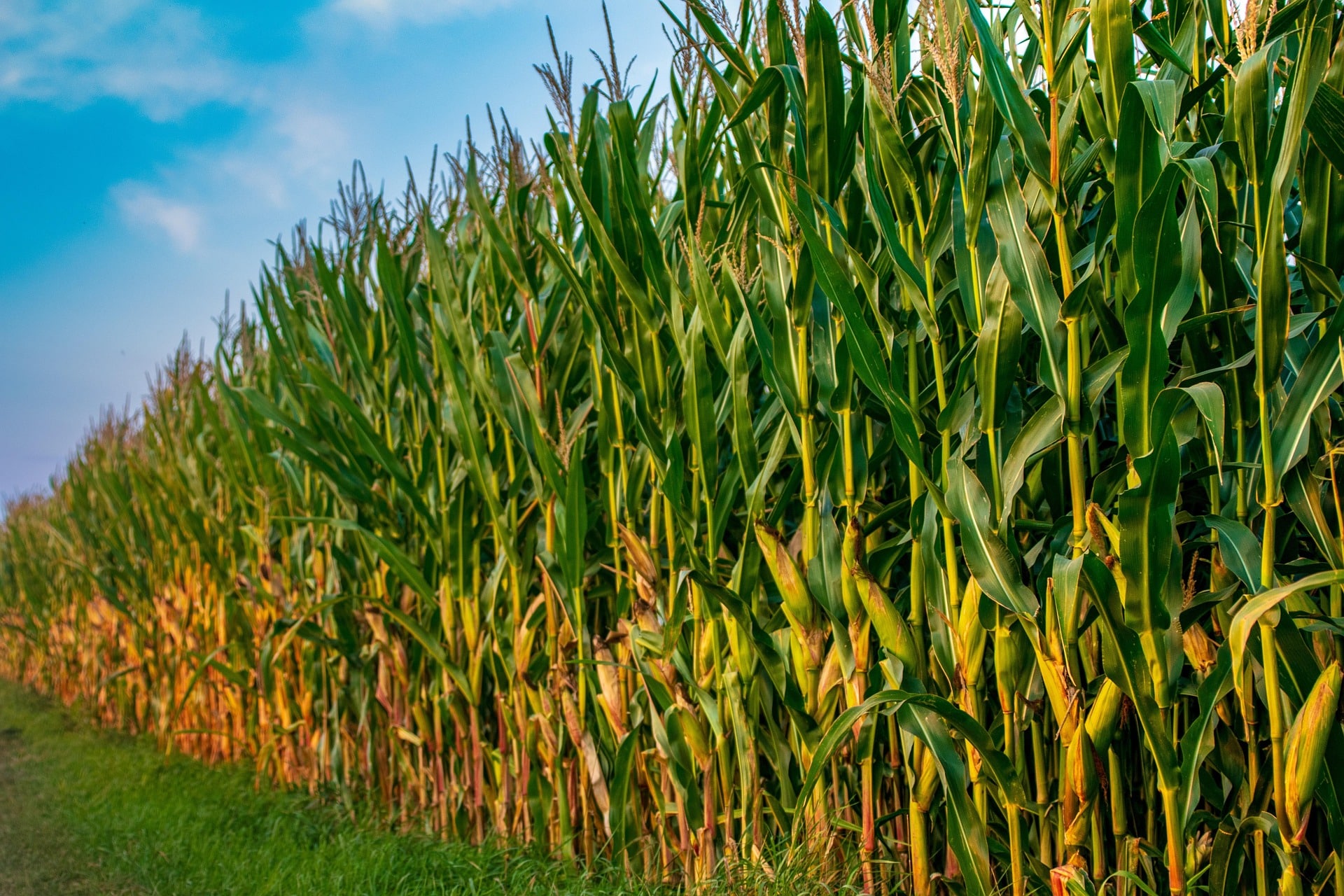
Buy a Farm
Expert guidance in finding the perfect agricultural property.
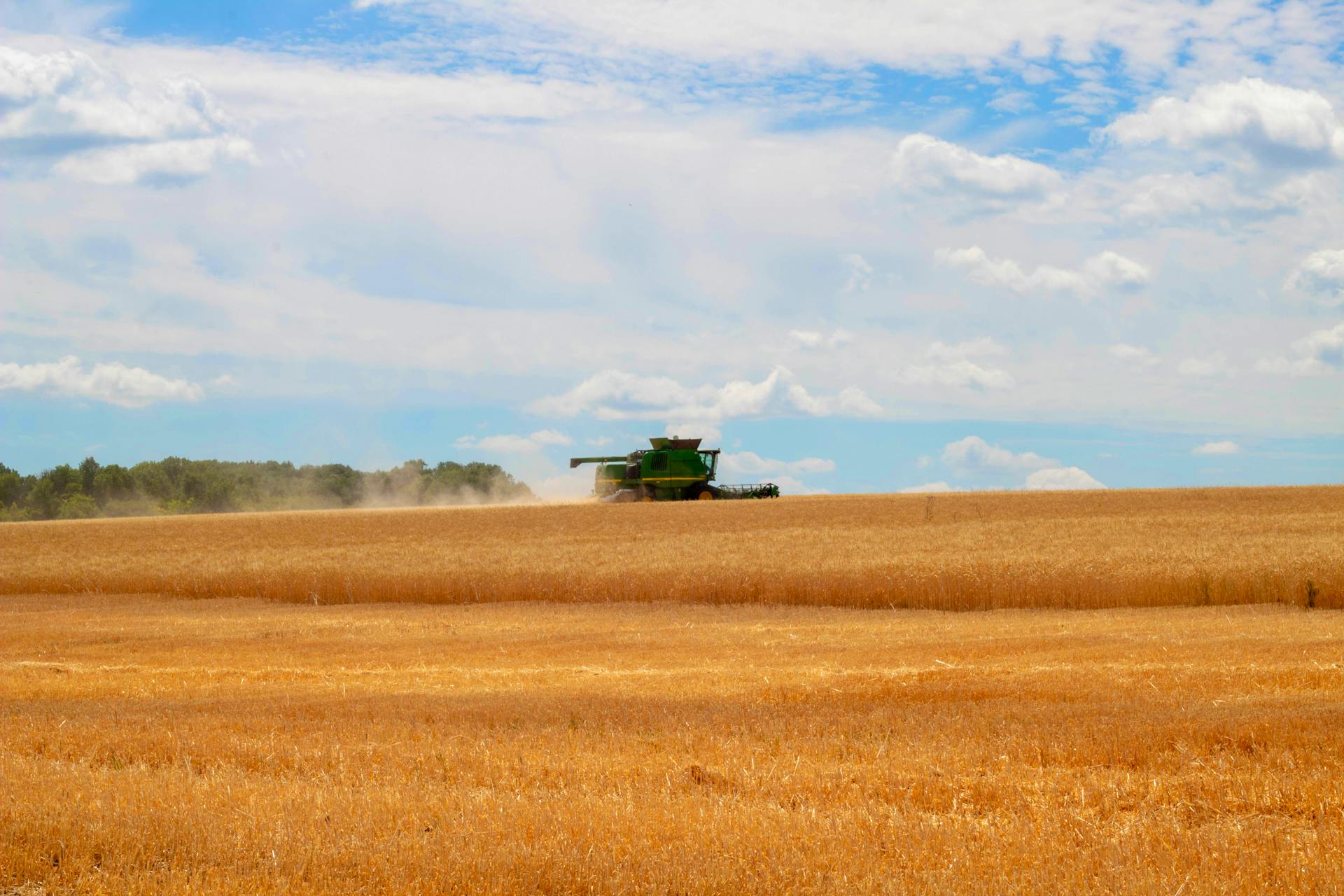
Sell Your Farm
Strategic marketing and valuation for maximum return.
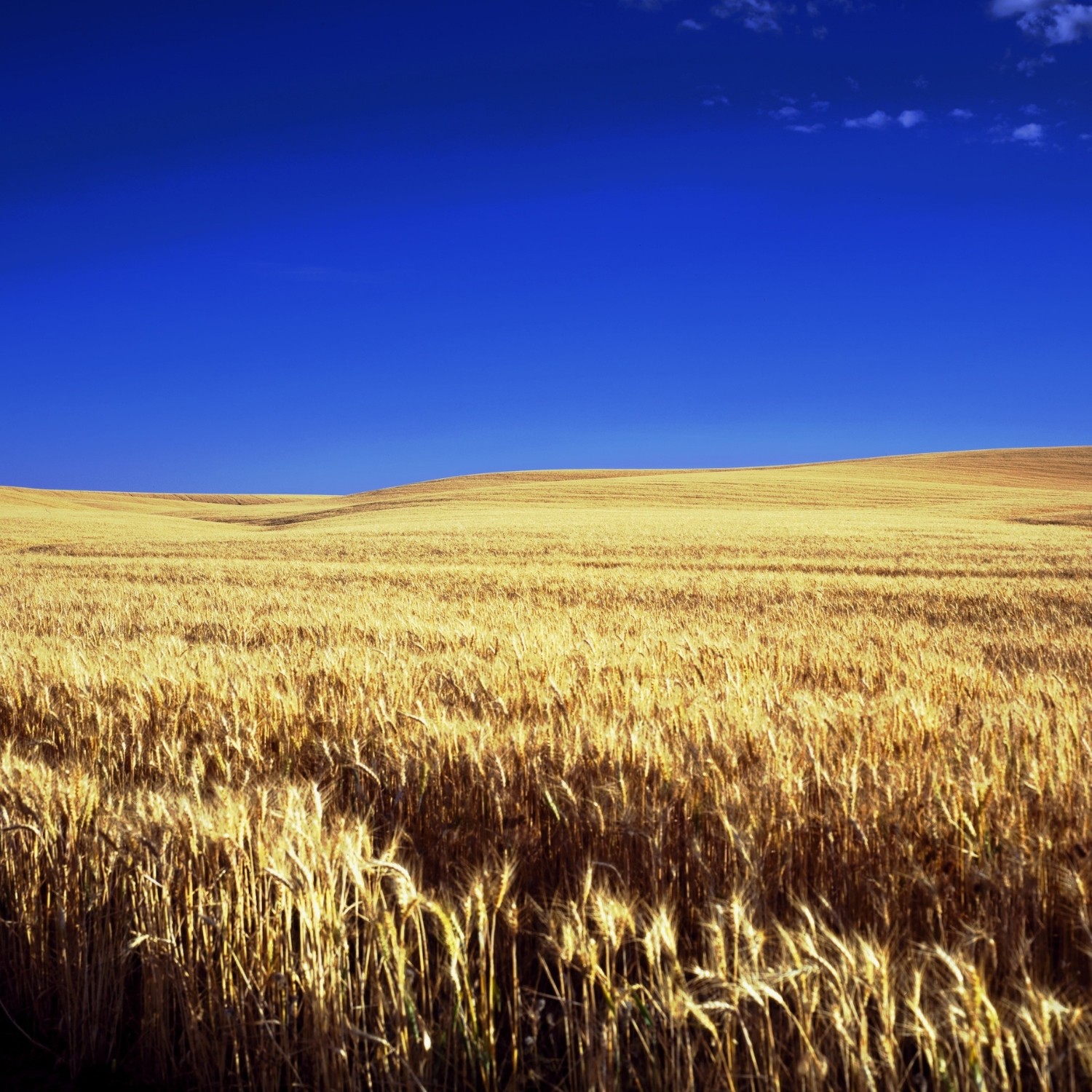
Land Valuation
Receive an accurate property valuation to inform your decisions.
Rural Realty Services
Comprehensive Farmland Services
Explore the Comprehensive Real Estate Solutions for Kansas farmers, landowners, families, and investors at Rural Realty
Buy a Farm
Expert guidance in finding the perfect agricultural property.
Sell Your Farm
Strategic marketing and valuation for maximum return.
Land Valuation
Receive an accurate property valuation to inform your decisions.
Rural Realty Services
Comprehensive Farmland Services
Explore the Comprehensive Real Estate Solutions for Kansas farmers, landowners, families, and investors at Rural Realty
Buy a Farm
Expert guidance in finding the perfect agricultural property.
Sell Your Farm
Strategic marketing and valuation for maximum return.
Land Valuation
Receive an accurate property valuation to inform your decisions.
Kansas Property Expertise
From farmland to family homes, Rural Realty brings generations of local expertise to every real estate transaction.
Kansas
Rural Homes
Rural Realty helps families find their perfect country property, specializing in homes with acreage across Kansas.

Kansas
Farmland
With over four generations of farming experience, Rural Realty brings unique insight to every agricultural land transaction.

Kansas
Ranchland
Rural Realty's deep understanding of ranch operations helps buyers and sellers make confident decisions about ranching properties.

Kansas
Hunting Properties
Rural Realty combines recreational value with agricultural opportunities to maximize returns on hunting property investments.

Kansas
Commercial Properties
From retail spaces to agricultural warehouses, Rural Realty guides clients through every commercial real estate transaction.

Kansas Property Expertise
From farmland to family homes, Rural Realty brings generations of local expertise to every real estate transaction.
Kansas
Rural Homes
Rural Realty helps families find their perfect country property, specializing in homes with acreage across Kansas.
Kansas
Farmland
With over four generations of farming experience, Rural Realty brings unique insight to every agricultural land transaction.
Kansas
Ranchland
Rural Realty's deep understanding of ranch operations helps buyers and sellers make confident decisions about ranching properties.
Kansas
Hunting Properties
Rural Realty combines recreational value with agricultural opportunities to maximize returns on hunting property investments.
Kansas
Commercial Properties
From retail spaces to agricultural warehouses, Rural Realty guides clients through every commercial real estate transaction.
Kansas Property Expertise
From farmland to family homes, Rural Realty brings generations of local expertise to every real estate transaction.
Kansas
Rural Homes
Rural Realty helps families find their perfect country property, specializing in homes with acreage across Kansas.
Kansas
Farmland
With over four generations of farming experience, Rural Realty brings unique insight to every agricultural land transaction.
Kansas
Ranchland
Rural Realty's deep understanding of ranch operations helps buyers and sellers make confident decisions about ranching properties.
Kansas
Hunting Properties
Rural Realty combines recreational value with agricultural opportunities to maximize returns on hunting property investments.
Kansas
Commercial Properties
From retail spaces to agricultural warehouses, Rural Realty guides clients through every commercial real estate transaction.
Ready to Buy or Sell Your Farm in Kansas?
Contact Rural Realty today for a personalized consultation about your farmland goals. Your agricultural future starts with the right land real estate agent.
Find an Agent in your Area
Contact Rural Realty
Find an Agent in your Area
Ready to Buy or Sell Your Farm in Kansas?
Contact Rural Realty today for a personalized consultation about your farmland goals. Your agricultural future starts with the right land real estate agent.
Find an Agent in your Area