When Kansas Ranch Land Becomes Prime Hunting Property
Alec Horton
•
Rural Realty
•
Turning Kansas Ranch Land Into Trophy Hunting Ground
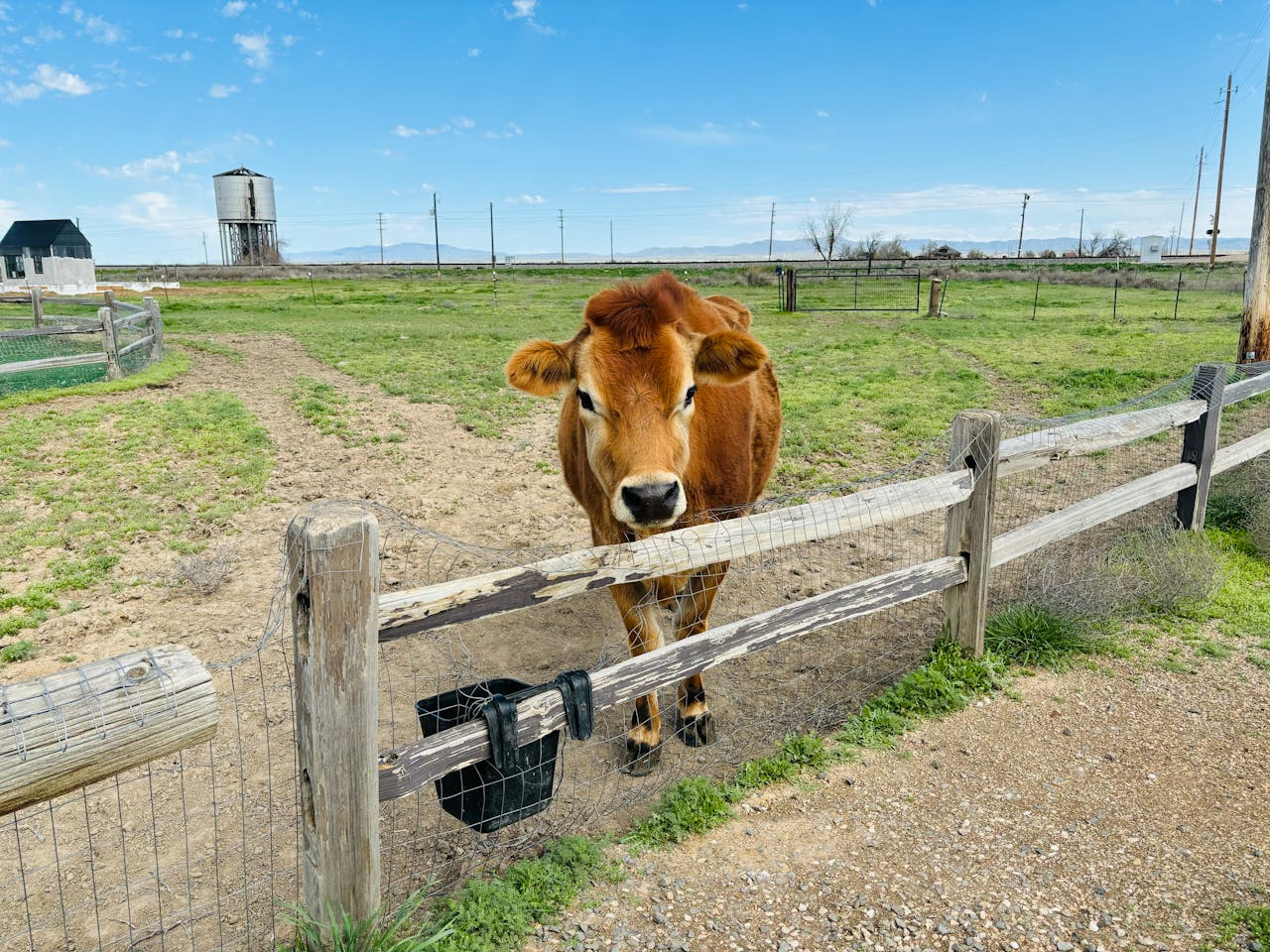
Kansas ranch land can pull double duty. The same pastures that carry a good set of cows can also hold big whitetails, spring gobblers, and upland birds. On a cool April morning, a turkey gobble rolling across a Flint Hills pasture or deer slipping out of native grass onto an alfalfa pivot is not just a pretty sight; it is a sign of income you might be leaving on the table.
With the right plan, a working ranch can become one of the most sought-after hunting properties for sale without hurting cattle performance or crop yields. In fact, when things are done right, the ranch gets better for both wildlife and livestock. That is where mixed income comes in: grazing leases, farming or hay, plus hunting leases or a higher resale price.
We look at ranches through both lenses, production and recreation. That lets us spot hidden value in ground that already works hard for a living. In this article, we will walk through how to recognize, improve, value, and market Kansas ranch land that pulls its weight as a hunting property too.
What Makes Kansas Ranch Land Hunt-Ready
Good hunting ground starts with the basics. Wildlife needs food, water, and cover, laid out in a way that feels safe. Many Kansas ranches already have most of these pieces; they just need to be seen with a hunter’s eye.
Key habitat ingredients often include:
Mixed cover such as native grass, timbered draws, shelterbelts, and weedy fence lines
Reliable water from ponds, creeks, springs, or stock tanks
Year-round foods like winter wheat, milo, corn, alfalfa, or small food plots
The way the land rolls matters too. Elevation changes, ridgelines, and drainages create natural travel routes for deer and turkeys. Edges where native grass meets crop fields or where pasture meets a brushy creek are natural ambush spots and safe travel corridors.
Low-pressure areas are a big deal. On a working ranch, that can mean:
Leaving pockets of thicker cover alone during most of the year
Keeping heavy ranch work away from the best bedding cover when possible
Placing corrals, feed yards, and frequent traffic points in areas that do not cut off main wildlife routes
Existing ranch infrastructure can also pull double duty. Farm roads can become quiet access for hunters. Old windmill pads make solid blind locations. Elevated tanks or gentle knobs can be perfect spots for tower stands, if access is planned so wind and sound do not blow out the area.
Buyers who focus on hunting properties for sale are no longer happy with vague promises about “good deer.” They often ask for maps, trail camera history, and harvest photos that show consistent wildlife use. When you can hand over that kind of proof, interest and offers usually climb.
Boosting Wildlife Habitat Without Hurting Cattle Income
A common fear is that better hunting means fewer cows. Managed correctly, the opposite is usually true. Healthier grass and better water help livestock and wildlife at the same time.
Rotational and rest-rotation grazing are powerful tools. By letting some pastures rest longer, especially into late winter, you create:
Taller nesting cover for pheasants, quail, and turkeys
Thicker fawning cover for whitetails
Stronger root systems that hold moisture and boost long-term forage production
Brush and timber work is another piece. We are not talking about clearing every tree in sight. Instead, think about:
Keeping key thickets and wooded draws for bedding and travel corridors
Removing invasive or water-hungry trees in spots where they are hurting grass and crops
Opening just enough canopy to let native grasses and shrubs thrive
There are also low-cost tweaks that can turn good ranch land into standout hunting ground:
Tucking small food plots into odd corners or along field edges
Feathering field edges so there is a soft mix of shrubs, grass, and crops
Adding or improving small water sources in dry corners
Planting native shrubs along fence lines and draws for extra cover and food
Timing ranch work can help too. When possible, try to shift heavy disturbance like tree cutting, major fencing, or loud equipment away from peak nesting, fawning, and roosting periods. That gives wildlife time to raise young with less stress.
Many landowners also look at conservation and habitat programs. Options like federal and state cost-share programs can help pay for grass plantings, water projects, and wildlife cover. The end result is stronger rangeland health, better hunting, and a more appealing property if you ever choose to sell.
Understanding the True Value of a Hunting Ranch
On paper, every ranch starts with basic agricultural value. Soil type, rainfall patterns, stocking rate, and water all matter. When a ranch also offers proven, consistent hunting, a premium often stacks on top of that base.
People serious about hunting properties for sale usually want more than a quick tour. They tend to:
Trail camera photos across multiple seasons
Multi-year harvest records for deer, turkeys, or birds
Habitat maps that show cover, water, and food layout
Clear access routes for different wind directions
Income from hunting can also change the math. Some ranches support:
Paid hunting leases during peak seasons
Guided deer or turkey hunts
Simple, seasonal lodging for guests or lessees
That extra income can go straight back into habitat projects, water systems, or fencing upgrades, growing both wildlife numbers and long-term ranch value.
A few ideas often need to be cleared up. Running the highest possible cattle number does not always mean the best profit. Overgrazed grass hurts weight gain, wildlife, and future carrying capacity. On the other side, turning ground into a hunting-focused ranch does not mean abandoning cattle or crops. Many of the best hunting ranches in Kansas are steady, working outfits first.
Features that often justify stronger list prices include:
Large, mostly contiguous acres that allow low hunting pressure
Neighboring land with similar low-pressure or ag-focused use
Strong, reliable water across the property
Established blinds, stands, and safe access routes
Well-maintained interior roads for trucks and UTVs in different weather
Spring, Summer, and Fall Planning for Next Season’s Hunts
Spring in Kansas is a smart time to take stock. Turkey season, shed antlers, and fresh tracks make it easier to read how wildlife moved through your ranch over the past year. Grass is short, water lines are visible, and it is easier to see where cover might be thin.
We like to think in simple seasonal steps:
Spring: Map trails, scout turkeys, flag stand sites, and start early habitat projects
Summer: Fine-tune water systems, hang stands or build blinds, plant or maintain food plots
Fall: Focus on access, wind, and pressure so your best areas stay fresh during peak deer and bird seasons
Buyers walking hunting properties for sale in spring or summer want to know how that ground will hunt in fall. When you can show them where bucks bed, how birds use crop edges, and where turkeys like to roost, it builds confidence.
Keep track of your work as you go. Simple notes on habitat projects, planting dates for food plots, and wildlife sightings can later be turned into strong marketing material. Over several years, a clear story starts to form about age structure of deer, turkey numbers, and bird flush counts.
The long view usually pays off. Small, steady changes in grazing, cover, food, and water tend to stack on each other. That often leads to more mature bucks, better turkey hatches, and stronger upland hunting, all while your cattle or crop production stays solid.
Partnering with Rural Realty to Market Your Hunting Ranch
Many Kansas ranches are already quiet hunting gems. The land is there, the wildlife is there, it just has not been presented as a true dual-purpose hunting ranch. That is where a professional evaluation that looks at both agricultural strength and recreational potential can help.
At Rural Realty, our roots are in local agriculture and our work keeps us close to serious hunters and land investors. We walk properties with an eye for grass, water, fences, and also for deer trails, roost trees, and bird cover. We put that together into a clear picture of what a property already is and what it could be with a few smart changes.
When it comes time to sell, we help landowners:
Map habitat, water, and access in a way buyers can understand
Capture ground-level photos and aerial views that show off the layout
Compile trail camera images, harvest records, and habitat notes into a simple package
Tell the full story of the ranch as both a working operation and a hunting destination
Planning starts with something as simple as walking your place in spring, paying attention to where wildlife already wants to be. From there, thoughtful steps on grazing, cover, water, and access can turn that natural strength into long-term equity and opportunity for you and the next owner.
Find Your Ideal Hunting Property With Local Land Experts
If you are ready to own ground you can hunt, improve, and pass down, we are here to help you find it. Explore our curated selection of Kansas hunting properties for sale to see what fits your goals, timeline, and budget. At Rural Realty, we walk you through each step from the first showing to closing so you can buy with confidence. Have questions or want to schedule a property tour, just contact us and we will follow up promptly.

Alec Horton- Licensed KS Broker
Weekly Newsletter Update!
Join the Newsletter to Receive Kansas Market Updates
Stay up-to-date with the latest land prices, properties for sale, and tips for managing and selling your farm!
Blog Articles

Unexpected Income Streams on Kansas Ranch Land for Sale
Alec Horton
Learn More

Evaluating Kansas Farmland Rental History Before You Buy
Alec Horton
Learn More

Kansas Ranch Listing Terms: Stocking Rate, AUMs, Carrying Capacity
Alec Horton
Learn More

Leasing vs. Selling Kansas Farmland: Choosing the Right Path
Alec Horton
Learn More

Reading Kansas Land Listings When You Want Hunting Income
Alec Horton
Learn More
When Kansas Ranch Land Becomes Prime Hunting Property
Alec Horton
•
Rural Realty
Turning Kansas Ranch Land Into Trophy Hunting Ground
Kansas ranch land can pull double duty. The same pastures that carry a good set of cows can also hold big whitetails, spring gobblers, and upland birds. On a cool April morning, a turkey gobble rolling across a Flint Hills pasture or deer slipping out of native grass onto an alfalfa pivot is not just a pretty sight; it is a sign of income you might be leaving on the table.
With the right plan, a working ranch can become one of the most sought-after hunting properties for sale without hurting cattle performance or crop yields. In fact, when things are done right, the ranch gets better for both wildlife and livestock. That is where mixed income comes in: grazing leases, farming or hay, plus hunting leases or a higher resale price.
We look at ranches through both lenses, production and recreation. That lets us spot hidden value in ground that already works hard for a living. In this article, we will walk through how to recognize, improve, value, and market Kansas ranch land that pulls its weight as a hunting property too.
What Makes Kansas Ranch Land Hunt-Ready
Good hunting ground starts with the basics. Wildlife needs food, water, and cover, laid out in a way that feels safe. Many Kansas ranches already have most of these pieces; they just need to be seen with a hunter’s eye.
Key habitat ingredients often include:
Mixed cover such as native grass, timbered draws, shelterbelts, and weedy fence lines
Reliable water from ponds, creeks, springs, or stock tanks
Year-round foods like winter wheat, milo, corn, alfalfa, or small food plots
The way the land rolls matters too. Elevation changes, ridgelines, and drainages create natural travel routes for deer and turkeys. Edges where native grass meets crop fields or where pasture meets a brushy creek are natural ambush spots and safe travel corridors.
Low-pressure areas are a big deal. On a working ranch, that can mean:
Leaving pockets of thicker cover alone during most of the year
Keeping heavy ranch work away from the best bedding cover when possible
Placing corrals, feed yards, and frequent traffic points in areas that do not cut off main wildlife routes
Existing ranch infrastructure can also pull double duty. Farm roads can become quiet access for hunters. Old windmill pads make solid blind locations. Elevated tanks or gentle knobs can be perfect spots for tower stands, if access is planned so wind and sound do not blow out the area.
Buyers who focus on hunting properties for sale are no longer happy with vague promises about “good deer.” They often ask for maps, trail camera history, and harvest photos that show consistent wildlife use. When you can hand over that kind of proof, interest and offers usually climb.
Boosting Wildlife Habitat Without Hurting Cattle Income
A common fear is that better hunting means fewer cows. Managed correctly, the opposite is usually true. Healthier grass and better water help livestock and wildlife at the same time.
Rotational and rest-rotation grazing are powerful tools. By letting some pastures rest longer, especially into late winter, you create:
Taller nesting cover for pheasants, quail, and turkeys
Thicker fawning cover for whitetails
Stronger root systems that hold moisture and boost long-term forage production
Brush and timber work is another piece. We are not talking about clearing every tree in sight. Instead, think about:
Keeping key thickets and wooded draws for bedding and travel corridors
Removing invasive or water-hungry trees in spots where they are hurting grass and crops
Opening just enough canopy to let native grasses and shrubs thrive
There are also low-cost tweaks that can turn good ranch land into standout hunting ground:
Tucking small food plots into odd corners or along field edges
Feathering field edges so there is a soft mix of shrubs, grass, and crops
Adding or improving small water sources in dry corners
Planting native shrubs along fence lines and draws for extra cover and food
Timing ranch work can help too. When possible, try to shift heavy disturbance like tree cutting, major fencing, or loud equipment away from peak nesting, fawning, and roosting periods. That gives wildlife time to raise young with less stress.
Many landowners also look at conservation and habitat programs. Options like federal and state cost-share programs can help pay for grass plantings, water projects, and wildlife cover. The end result is stronger rangeland health, better hunting, and a more appealing property if you ever choose to sell.
Understanding the True Value of a Hunting Ranch
On paper, every ranch starts with basic agricultural value. Soil type, rainfall patterns, stocking rate, and water all matter. When a ranch also offers proven, consistent hunting, a premium often stacks on top of that base.
People serious about hunting properties for sale usually want more than a quick tour. They tend to:
Trail camera photos across multiple seasons
Multi-year harvest records for deer, turkeys, or birds
Habitat maps that show cover, water, and food layout
Clear access routes for different wind directions
Income from hunting can also change the math. Some ranches support:
Paid hunting leases during peak seasons
Guided deer or turkey hunts
Simple, seasonal lodging for guests or lessees
That extra income can go straight back into habitat projects, water systems, or fencing upgrades, growing both wildlife numbers and long-term ranch value.
A few ideas often need to be cleared up. Running the highest possible cattle number does not always mean the best profit. Overgrazed grass hurts weight gain, wildlife, and future carrying capacity. On the other side, turning ground into a hunting-focused ranch does not mean abandoning cattle or crops. Many of the best hunting ranches in Kansas are steady, working outfits first.
Features that often justify stronger list prices include:
Large, mostly contiguous acres that allow low hunting pressure
Neighboring land with similar low-pressure or ag-focused use
Strong, reliable water across the property
Established blinds, stands, and safe access routes
Well-maintained interior roads for trucks and UTVs in different weather
Spring, Summer, and Fall Planning for Next Season’s Hunts
Spring in Kansas is a smart time to take stock. Turkey season, shed antlers, and fresh tracks make it easier to read how wildlife moved through your ranch over the past year. Grass is short, water lines are visible, and it is easier to see where cover might be thin.
We like to think in simple seasonal steps:
Spring: Map trails, scout turkeys, flag stand sites, and start early habitat projects
Summer: Fine-tune water systems, hang stands or build blinds, plant or maintain food plots
Fall: Focus on access, wind, and pressure so your best areas stay fresh during peak deer and bird seasons
Buyers walking hunting properties for sale in spring or summer want to know how that ground will hunt in fall. When you can show them where bucks bed, how birds use crop edges, and where turkeys like to roost, it builds confidence.
Keep track of your work as you go. Simple notes on habitat projects, planting dates for food plots, and wildlife sightings can later be turned into strong marketing material. Over several years, a clear story starts to form about age structure of deer, turkey numbers, and bird flush counts.
The long view usually pays off. Small, steady changes in grazing, cover, food, and water tend to stack on each other. That often leads to more mature bucks, better turkey hatches, and stronger upland hunting, all while your cattle or crop production stays solid.
Partnering with Rural Realty to Market Your Hunting Ranch
Many Kansas ranches are already quiet hunting gems. The land is there, the wildlife is there, it just has not been presented as a true dual-purpose hunting ranch. That is where a professional evaluation that looks at both agricultural strength and recreational potential can help.
At Rural Realty, our roots are in local agriculture and our work keeps us close to serious hunters and land investors. We walk properties with an eye for grass, water, fences, and also for deer trails, roost trees, and bird cover. We put that together into a clear picture of what a property already is and what it could be with a few smart changes.
When it comes time to sell, we help landowners:
Map habitat, water, and access in a way buyers can understand
Capture ground-level photos and aerial views that show off the layout
Compile trail camera images, harvest records, and habitat notes into a simple package
Tell the full story of the ranch as both a working operation and a hunting destination
Planning starts with something as simple as walking your place in spring, paying attention to where wildlife already wants to be. From there, thoughtful steps on grazing, cover, water, and access can turn that natural strength into long-term equity and opportunity for you and the next owner.
Find Your Ideal Hunting Property With Local Land Experts
If you are ready to own ground you can hunt, improve, and pass down, we are here to help you find it. Explore our curated selection of Kansas hunting properties for sale to see what fits your goals, timeline, and budget. At Rural Realty, we walk you through each step from the first showing to closing so you can buy with confidence. Have questions or want to schedule a property tour, just contact us and we will follow up promptly.
When Kansas Ranch Land Becomes Prime Hunting Property
Alec Horton
•
Rural Realty
•
Turning Kansas Ranch Land Into Trophy Hunting Ground
Kansas ranch land can pull double duty. The same pastures that carry a good set of cows can also hold big whitetails, spring gobblers, and upland birds. On a cool April morning, a turkey gobble rolling across a Flint Hills pasture or deer slipping out of native grass onto an alfalfa pivot is not just a pretty sight; it is a sign of income you might be leaving on the table.
With the right plan, a working ranch can become one of the most sought-after hunting properties for sale without hurting cattle performance or crop yields. In fact, when things are done right, the ranch gets better for both wildlife and livestock. That is where mixed income comes in: grazing leases, farming or hay, plus hunting leases or a higher resale price.
We look at ranches through both lenses, production and recreation. That lets us spot hidden value in ground that already works hard for a living. In this article, we will walk through how to recognize, improve, value, and market Kansas ranch land that pulls its weight as a hunting property too.
What Makes Kansas Ranch Land Hunt-Ready
Good hunting ground starts with the basics. Wildlife needs food, water, and cover, laid out in a way that feels safe. Many Kansas ranches already have most of these pieces; they just need to be seen with a hunter’s eye.
Key habitat ingredients often include:
Mixed cover such as native grass, timbered draws, shelterbelts, and weedy fence lines
Reliable water from ponds, creeks, springs, or stock tanks
Year-round foods like winter wheat, milo, corn, alfalfa, or small food plots
The way the land rolls matters too. Elevation changes, ridgelines, and drainages create natural travel routes for deer and turkeys. Edges where native grass meets crop fields or where pasture meets a brushy creek are natural ambush spots and safe travel corridors.
Low-pressure areas are a big deal. On a working ranch, that can mean:
Leaving pockets of thicker cover alone during most of the year
Keeping heavy ranch work away from the best bedding cover when possible
Placing corrals, feed yards, and frequent traffic points in areas that do not cut off main wildlife routes
Existing ranch infrastructure can also pull double duty. Farm roads can become quiet access for hunters. Old windmill pads make solid blind locations. Elevated tanks or gentle knobs can be perfect spots for tower stands, if access is planned so wind and sound do not blow out the area.
Buyers who focus on hunting properties for sale are no longer happy with vague promises about “good deer.” They often ask for maps, trail camera history, and harvest photos that show consistent wildlife use. When you can hand over that kind of proof, interest and offers usually climb.
Boosting Wildlife Habitat Without Hurting Cattle Income
A common fear is that better hunting means fewer cows. Managed correctly, the opposite is usually true. Healthier grass and better water help livestock and wildlife at the same time.
Rotational and rest-rotation grazing are powerful tools. By letting some pastures rest longer, especially into late winter, you create:
Taller nesting cover for pheasants, quail, and turkeys
Thicker fawning cover for whitetails
Stronger root systems that hold moisture and boost long-term forage production
Brush and timber work is another piece. We are not talking about clearing every tree in sight. Instead, think about:
Keeping key thickets and wooded draws for bedding and travel corridors
Removing invasive or water-hungry trees in spots where they are hurting grass and crops
Opening just enough canopy to let native grasses and shrubs thrive
There are also low-cost tweaks that can turn good ranch land into standout hunting ground:
Tucking small food plots into odd corners or along field edges
Feathering field edges so there is a soft mix of shrubs, grass, and crops
Adding or improving small water sources in dry corners
Planting native shrubs along fence lines and draws for extra cover and food
Timing ranch work can help too. When possible, try to shift heavy disturbance like tree cutting, major fencing, or loud equipment away from peak nesting, fawning, and roosting periods. That gives wildlife time to raise young with less stress.
Many landowners also look at conservation and habitat programs. Options like federal and state cost-share programs can help pay for grass plantings, water projects, and wildlife cover. The end result is stronger rangeland health, better hunting, and a more appealing property if you ever choose to sell.
Understanding the True Value of a Hunting Ranch
On paper, every ranch starts with basic agricultural value. Soil type, rainfall patterns, stocking rate, and water all matter. When a ranch also offers proven, consistent hunting, a premium often stacks on top of that base.
People serious about hunting properties for sale usually want more than a quick tour. They tend to:
Trail camera photos across multiple seasons
Multi-year harvest records for deer, turkeys, or birds
Habitat maps that show cover, water, and food layout
Clear access routes for different wind directions
Income from hunting can also change the math. Some ranches support:
Paid hunting leases during peak seasons
Guided deer or turkey hunts
Simple, seasonal lodging for guests or lessees
That extra income can go straight back into habitat projects, water systems, or fencing upgrades, growing both wildlife numbers and long-term ranch value.
A few ideas often need to be cleared up. Running the highest possible cattle number does not always mean the best profit. Overgrazed grass hurts weight gain, wildlife, and future carrying capacity. On the other side, turning ground into a hunting-focused ranch does not mean abandoning cattle or crops. Many of the best hunting ranches in Kansas are steady, working outfits first.
Features that often justify stronger list prices include:
Large, mostly contiguous acres that allow low hunting pressure
Neighboring land with similar low-pressure or ag-focused use
Strong, reliable water across the property
Established blinds, stands, and safe access routes
Well-maintained interior roads for trucks and UTVs in different weather
Spring, Summer, and Fall Planning for Next Season’s Hunts
Spring in Kansas is a smart time to take stock. Turkey season, shed antlers, and fresh tracks make it easier to read how wildlife moved through your ranch over the past year. Grass is short, water lines are visible, and it is easier to see where cover might be thin.
We like to think in simple seasonal steps:
Spring: Map trails, scout turkeys, flag stand sites, and start early habitat projects
Summer: Fine-tune water systems, hang stands or build blinds, plant or maintain food plots
Fall: Focus on access, wind, and pressure so your best areas stay fresh during peak deer and bird seasons
Buyers walking hunting properties for sale in spring or summer want to know how that ground will hunt in fall. When you can show them where bucks bed, how birds use crop edges, and where turkeys like to roost, it builds confidence.
Keep track of your work as you go. Simple notes on habitat projects, planting dates for food plots, and wildlife sightings can later be turned into strong marketing material. Over several years, a clear story starts to form about age structure of deer, turkey numbers, and bird flush counts.
The long view usually pays off. Small, steady changes in grazing, cover, food, and water tend to stack on each other. That often leads to more mature bucks, better turkey hatches, and stronger upland hunting, all while your cattle or crop production stays solid.
Partnering with Rural Realty to Market Your Hunting Ranch
Many Kansas ranches are already quiet hunting gems. The land is there, the wildlife is there, it just has not been presented as a true dual-purpose hunting ranch. That is where a professional evaluation that looks at both agricultural strength and recreational potential can help.
At Rural Realty, our roots are in local agriculture and our work keeps us close to serious hunters and land investors. We walk properties with an eye for grass, water, fences, and also for deer trails, roost trees, and bird cover. We put that together into a clear picture of what a property already is and what it could be with a few smart changes.
When it comes time to sell, we help landowners:
Map habitat, water, and access in a way buyers can understand
Capture ground-level photos and aerial views that show off the layout
Compile trail camera images, harvest records, and habitat notes into a simple package
Tell the full story of the ranch as both a working operation and a hunting destination
Planning starts with something as simple as walking your place in spring, paying attention to where wildlife already wants to be. From there, thoughtful steps on grazing, cover, water, and access can turn that natural strength into long-term equity and opportunity for you and the next owner.
Find Your Ideal Hunting Property With Local Land Experts
If you are ready to own ground you can hunt, improve, and pass down, we are here to help you find it. Explore our curated selection of Kansas hunting properties for sale to see what fits your goals, timeline, and budget. At Rural Realty, we walk you through each step from the first showing to closing so you can buy with confidence. Have questions or want to schedule a property tour, just contact us and we will follow up promptly.
Meet the Founder of Rural Realty
Alec Horton
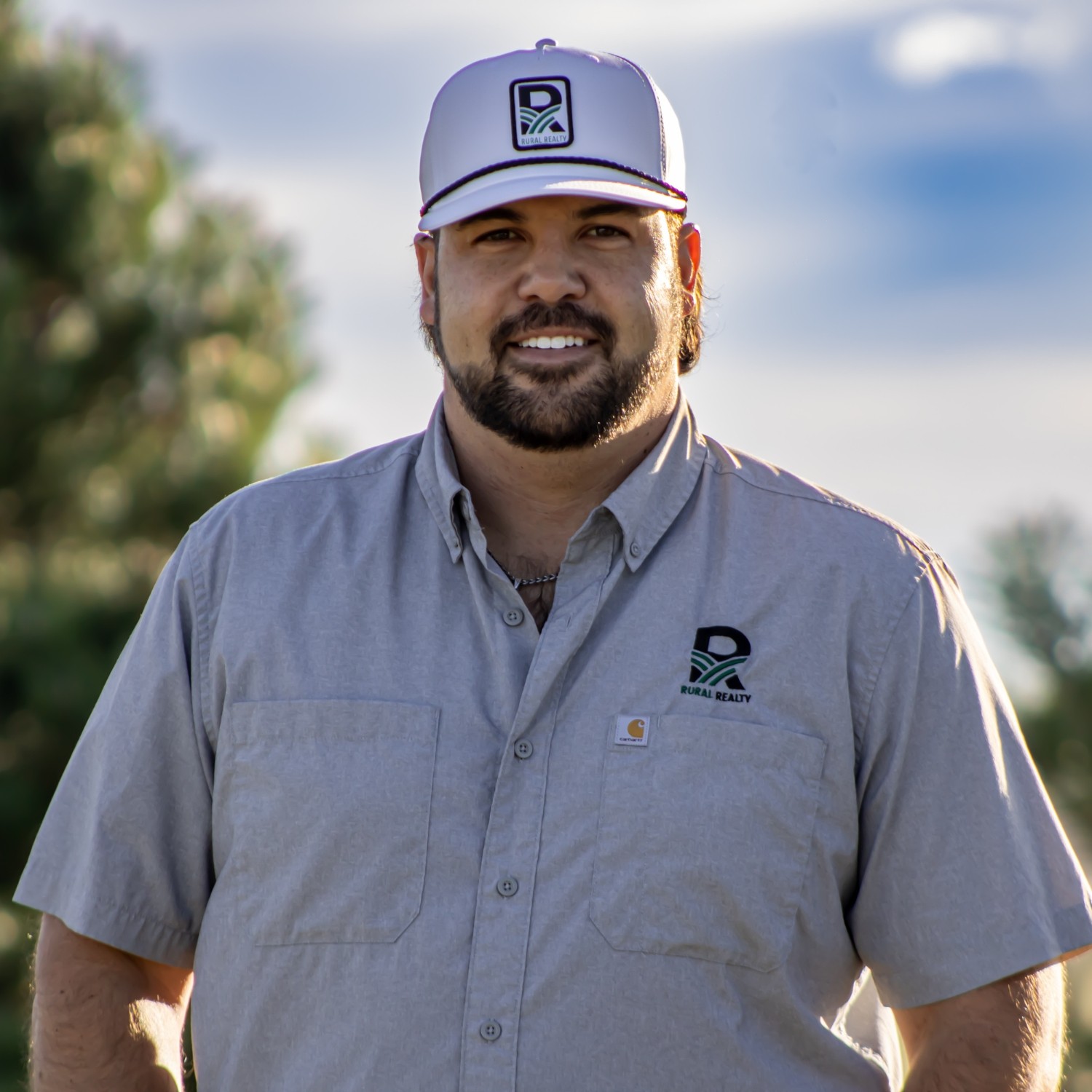
Alec Horton founded Rural Realty in 2025 to help Western Kansas landowners navigate the complexities of buying and selling rural properties with confidence. Born and raised in Leoti, Alec comes from four generations of farmers, giving him a deep understanding of the land and the people who work it. After 16 years of buying and selling agricultural land for his own family’s farm, he saw firsthand the challenges landowners face—uncertain pricing, complex transactions, and a lack of dedicated rural real estate expertise. Determined to bridge that gap, he launched Rural Realty to provide honest, knowledgeable, and personalized service to farmers, ranchers, and investors. As a licensed land broker, Alec and his team brings local insight, industry expertise, and a passion for helping clients achieve their landownership goals.
Meet the Founder of Rural Realty
Alec Horton
Alec Horton founded Rural Realty in 2025 to give landowners across Western Kansas a trusted partner in buying and selling rural properties. A fourth-generation farmer from Leoti with 16 years of experience in agricultural land deals, Alec saw the need for a brokerage that truly understands the land and the people who work it. With a deep knowledge of local markets and a commitment to honest, personalized service, Rural Realty helps farmers, ranchers, and investors navigate complex transactions with confidence.
Meet the Founder of Rural Realty
Alec Horton
Alec Horton founded Rural Realty in 2025 to help Western Kansas landowners navigate the complexities of buying and selling rural properties with confidence. Born and raised in Leoti, Alec comes from four generations of farmers, giving him a deep understanding of the land and the people who work it. After 16 years of buying and selling agricultural land for his own family’s farm, he saw firsthand the challenges landowners face—uncertain pricing, complex transactions, and a lack of dedicated rural real estate expertise. Determined to bridge that gap, he launched Rural Realty to provide honest, knowledgeable, and personalized service to farmers, ranchers, and investors. As a licensed land broker, Alec and his team brings local insight, industry expertise, and a passion for helping clients achieve their landownership goals.
Farm Experience You Can Trust
Local Knowledge. Proven Results.
46+
2023-2025 Farm Transactions
18+
Years of Farmland Experience
700+
Network of Kansas Farmers
Farm Experience You Can Trust
Local Knowledge. Proven Results.
46+
2023-2025 Farm Transactions
18+
Years of Farmland Experience
700+
Network of Kansas Farmers
Farm Experience You Can Trust
Local Knowledge. Proven Results.
46+
2023-2025 Farm Transactions
18+
Years of Farmland Experience
700+
Network of Kansas Farmers
Rural Realty Services
Comprehensive Farmland Services
Explore the Comprehensive Real Estate Solutions for Kansas farmers, landowners, families, and investors at Rural Realty
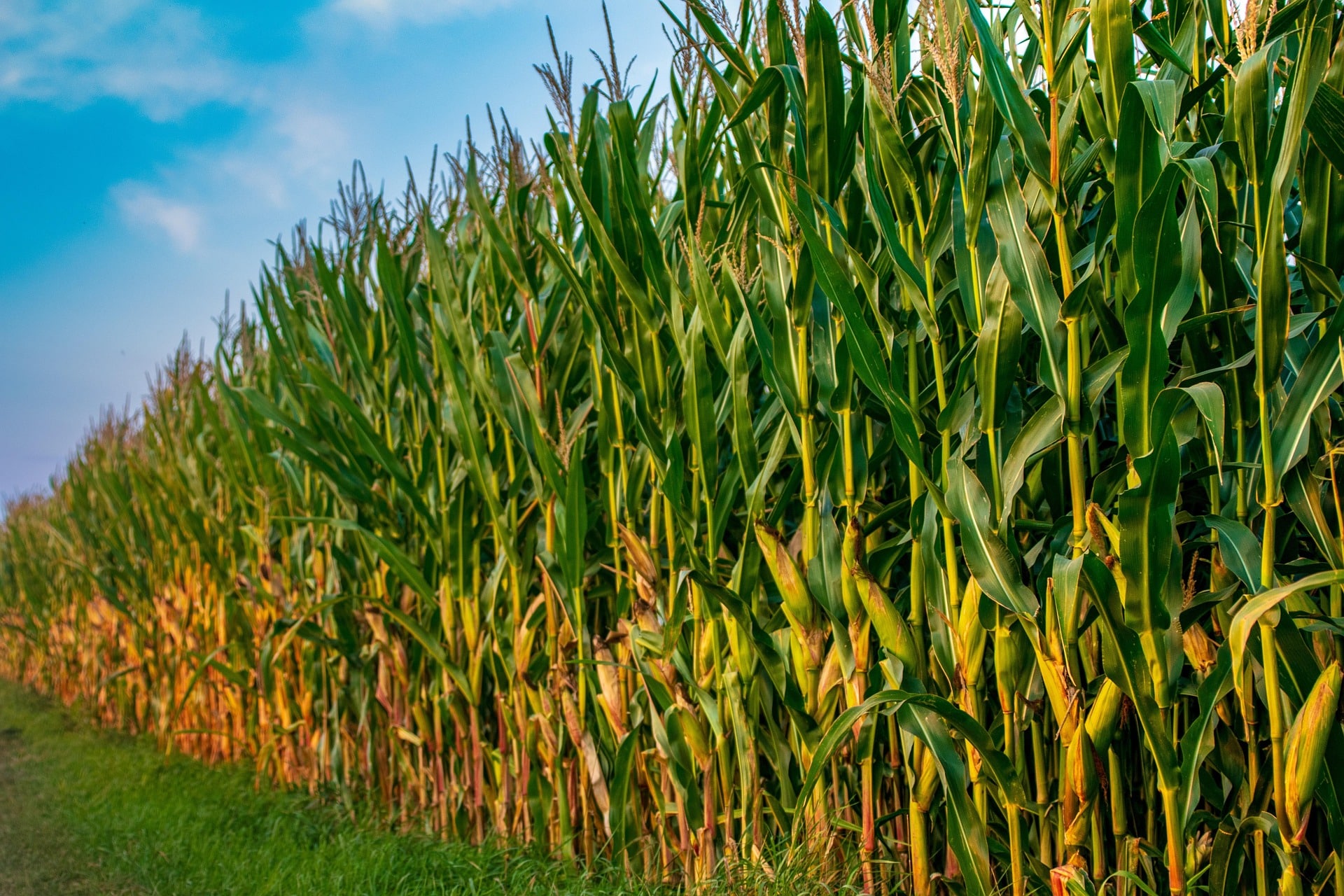
Buy a Farm
Expert guidance in finding the perfect agricultural property.
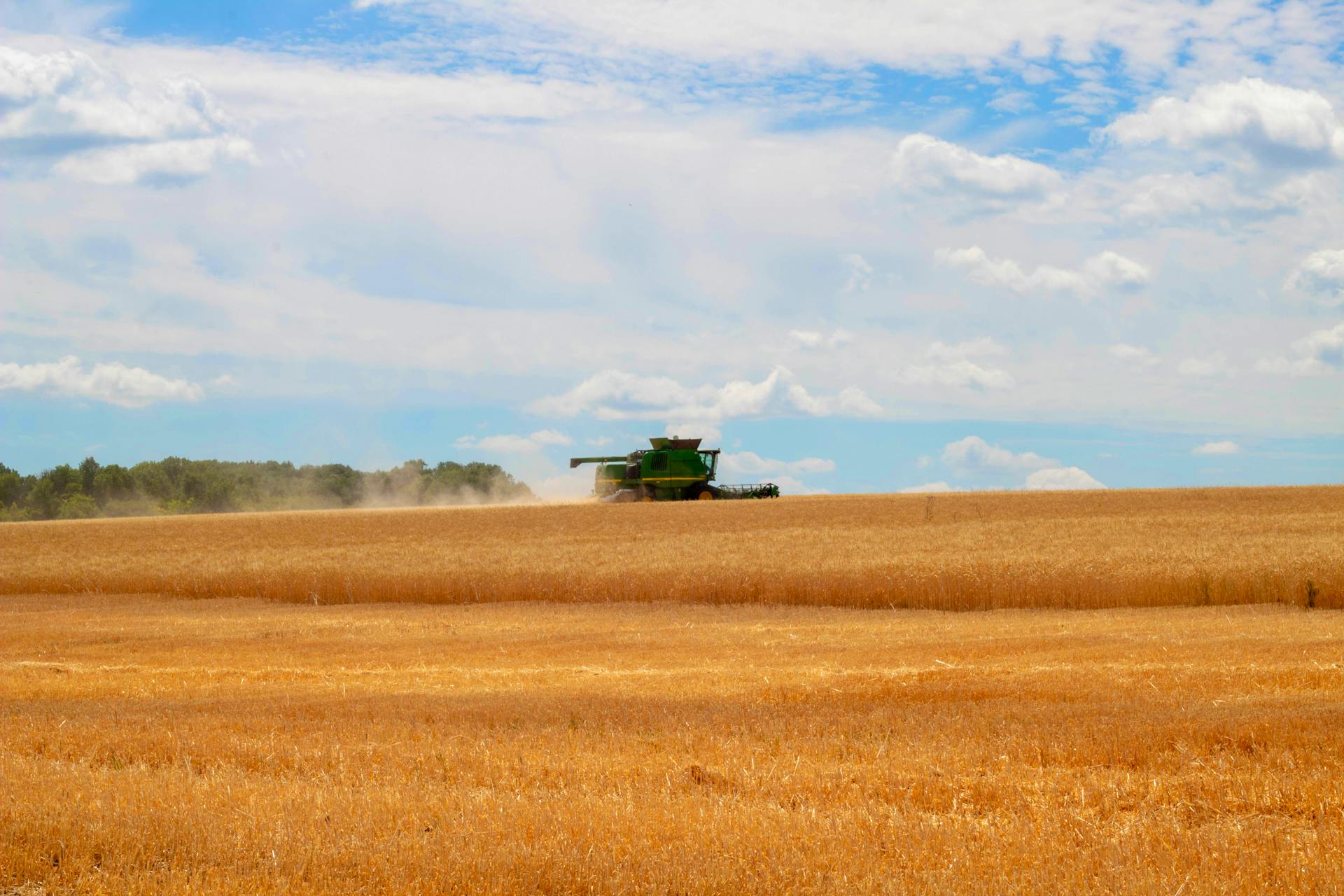
Sell Your Farm
Strategic marketing and valuation for maximum return.
Land Valuation
Receive an accurate property valuation to inform your decisions.
Rural Realty Services
Comprehensive Farmland Services
Explore the Comprehensive Real Estate Solutions for Kansas farmers, landowners, families, and investors at Rural Realty
Buy a Farm
Expert guidance in finding the perfect agricultural property.
Sell Your Farm
Strategic marketing and valuation for maximum return.
Land Valuation
Receive an accurate property valuation to inform your decisions.
Rural Realty Services
Comprehensive Farmland Services
Explore the Comprehensive Real Estate Solutions for Kansas farmers, landowners, families, and investors at Rural Realty
Buy a Farm
Expert guidance in finding the perfect agricultural property.
Sell Your Farm
Strategic marketing and valuation for maximum return.
Land Valuation
Receive an accurate property valuation to inform your decisions.
Kansas Property Expertise
From farmland to family homes, Rural Realty brings generations of local expertise to every real estate transaction.
Kansas
Rural Homes
Rural Realty helps families find their perfect country property, specializing in homes with acreage across Kansas.

Kansas
Farmland
With over four generations of farming experience, Rural Realty brings unique insight to every agricultural land transaction.

Kansas
Ranchland
Rural Realty's deep understanding of ranch operations helps buyers and sellers make confident decisions about ranching properties.

Kansas
Hunting Properties
Rural Realty combines recreational value with agricultural opportunities to maximize returns on hunting property investments.

Kansas
Commercial Properties
From retail spaces to agricultural warehouses, Rural Realty guides clients through every commercial real estate transaction.

Kansas Property Expertise
From farmland to family homes, Rural Realty brings generations of local expertise to every real estate transaction.
Kansas
Rural Homes
Rural Realty helps families find their perfect country property, specializing in homes with acreage across Kansas.
Kansas
Farmland
With over four generations of farming experience, Rural Realty brings unique insight to every agricultural land transaction.
Kansas
Ranchland
Rural Realty's deep understanding of ranch operations helps buyers and sellers make confident decisions about ranching properties.
Kansas
Hunting Properties
Rural Realty combines recreational value with agricultural opportunities to maximize returns on hunting property investments.
Kansas
Commercial Properties
From retail spaces to agricultural warehouses, Rural Realty guides clients through every commercial real estate transaction.
Kansas Property Expertise
From farmland to family homes, Rural Realty brings generations of local expertise to every real estate transaction.
Kansas
Rural Homes
Rural Realty helps families find their perfect country property, specializing in homes with acreage across Kansas.
Kansas
Farmland
With over four generations of farming experience, Rural Realty brings unique insight to every agricultural land transaction.
Kansas
Ranchland
Rural Realty's deep understanding of ranch operations helps buyers and sellers make confident decisions about ranching properties.
Kansas
Hunting Properties
Rural Realty combines recreational value with agricultural opportunities to maximize returns on hunting property investments.
Kansas
Commercial Properties
From retail spaces to agricultural warehouses, Rural Realty guides clients through every commercial real estate transaction.
Ready to Buy or Sell Your Farm in Kansas?
Contact Rural Realty today for a personalized consultation about your farmland goals. Your agricultural future starts with the right land real estate agent.
Find an Agent in your Area
Contact Rural Realty
Find an Agent in your Area
Ready to Buy or Sell Your Farm in Kansas?
Contact Rural Realty today for a personalized consultation about your farmland goals. Your agricultural future starts with the right land real estate agent.
Find an Agent in your Area