Which Crops Provide the Best ROI on Kansas Farmland?
Alec Horton
•
Rural Realty
•
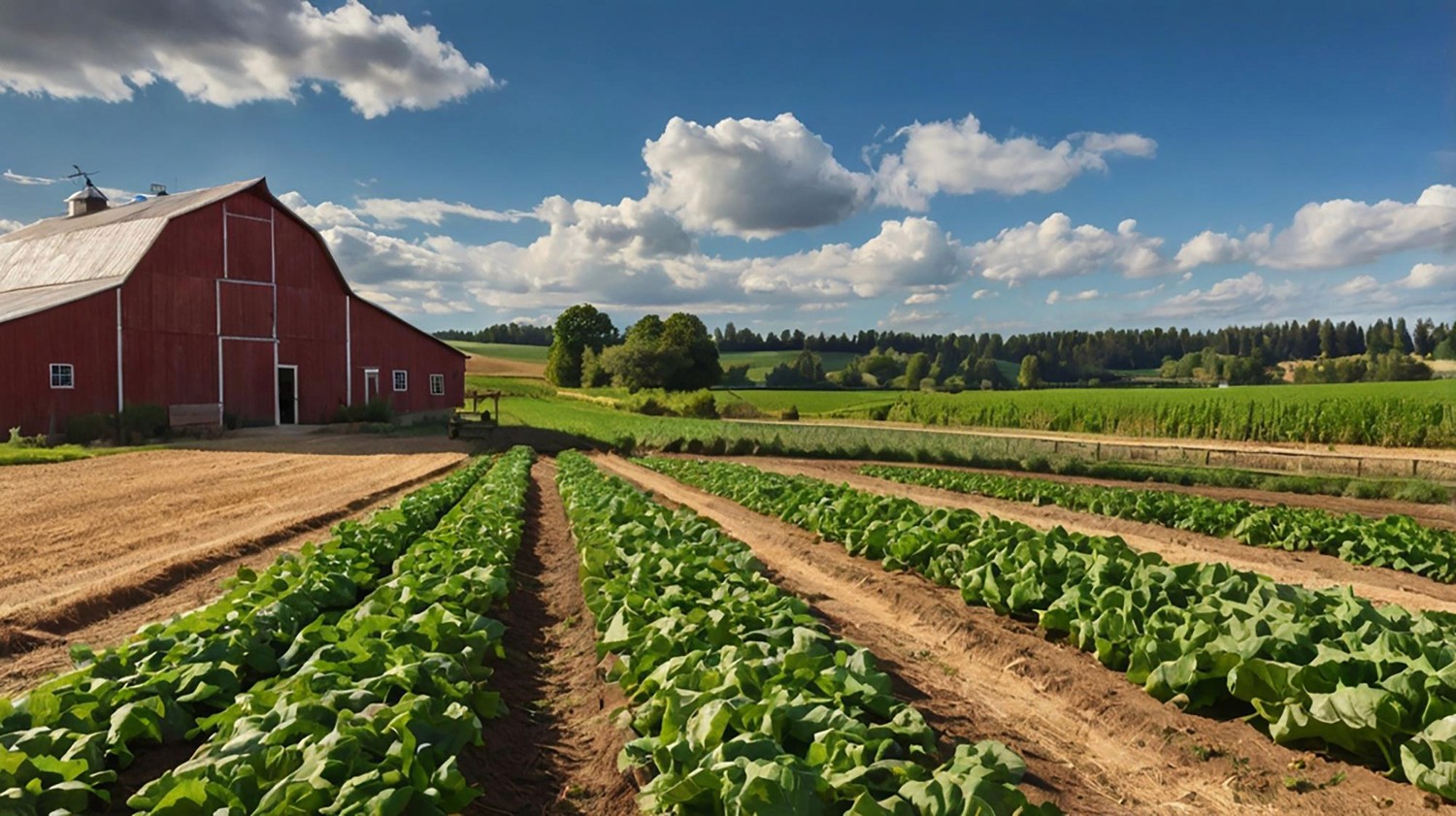
Kansas is a land of possibility for farmers, with its expansive fields and fertile soil offering a solid foundation for agriculture. With miles upon miles of flatlands and gentle hills, the state serves as an ideal backdrop for those in the farming sector. Understanding which crops yield the highest return on investment (ROI) in Kansas helps maximize the potential of farmland in the region.
Choosing the right crop isn't just about going with the popular option; it's about analyzing the land, climate, and market dynamics to make informed decisions. Knowing how different crops fare in terms of profitability can significantly impact a farmer's bottom line. From staple grains to versatile oilseeds, identifying which crops provide the best ROI is crucial for any farmer looking to thrive in this fruitful territory.
Climate and Soil Conditions in Kansas
The climate in Kansas sets the stage for a wide range of agricultural activities. With its four distinct seasons, the state experiences everything from sweltering summers to chilly winters, creating a unique environment for crop farming. The majority of the yearly precipitation occurs during the warmer months, usually from April through September. This makes it a critical period for farmers to sow and harvest their crops.
The type of soil found in Kansas also plays a pivotal role in determining which crops will thrive. Generally, the state boasts nutrient-rich soils, such as silt loam and clay soils, which are well-suited for a variety of crops. This soil structure ensures that plants have access to the nutrients needed for robust growth. However, understanding the particular type of soil on your farmland is vital to selecting the most profitable crop.
So, which crops make the most of these optimal conditions:
Corn: Perfect for the state's hot summers and nutrient-packed soils. It's one of the most commonly grown crops in Kansas due to its high yield and versatility.
Wheat: A cool-season crop, wheat benefits from Kansas's winter and spring rainfall. Soft red and hard red winter wheat varieties do particularly well here.
Soybeans: Known for adapting well to Kansas's summer weather, soybeans are another popular choice. This crop fits seamlessly within rotating schedules and can enhance soil health.
Choosing crops that fit the Kansas climate and soil conditions is a recipe for a profitable harvest. By understanding the land's needs and capabilities, farmers can better plan their planting strategies to maximize yields and revenue.
Top Crops for High ROI in Kansas
Understanding which crops to plant is key to achieving financial success for farmers in Kansas. Among the various options, three stand out for their profitability and adaptability to local conditions.
First, there's corn. In Kansas, corn thrives due to the state's ample sunlight and warm growing season. Farmers appreciate its versatility since corn can be used in a wide range of products from food and animal feed to biofuels. This multifaceted use helps maintain a steady demand, contributing positively to ROI. Additionally, corn is well-suited to Kansas's flat terrain and nutrient-rich soils, making it a reliable choice year after year.
Next up is wheat, particularly hard red winter wheat. This crop has been a staple in Kansas because it grows well in the state's climate and can endure the cooler temperatures of early spring. Wheat is essential in food production, ensuring a consistent market demand. Its ability to thrive even in less-than-ideal weather conditions makes wheat a dependable crop for Kansas farmers looking for a safe investment in their fields.
Soybeans also make the list of top crops for ROI in Kansas. Known for their adaptability to the summer months, soybeans serve as an excellent rotation crop, helping to maintain soil health over multiple growing seasons. Their use extends beyond just the food industry, finding their way into products such as cooking oils and animal feed. The flexibility and demand surrounding soybeans provide farmers with a promising return on investment.
Market Trends and Demands
To capitalize on these crop choices, understanding market trends is vital. The agricultural market is influenced by many factors, including global demand, trade policies, and domestic consumption patterns. Being aware of these elements allows farmers to decide strategically which crops to plant and when to sell them.
Current market trends show a leaning towards biofuels, which increases the demand for corn. As biofuel technology advances, this demand is likely to grow, benefiting farmers who focus on corn. Wheat's role in food security keeps its prices relatively stable, offering a financial cushion in fluctuating markets. With increasing interest in plant-based diets, soybeans are gaining popularity, further adding to their attractiveness as a crop choice.
Market demands also fluctuate with consumer preferences. Farmers in Kansas can take advantage of these trends by staying informed and adapting their strategies accordingly. Keeping a finger on the pulse of market trends helps farmers not just respond to, but also anticipate, changes that could affect their bottom line.
Smart Farming Practices to Maximize ROI
Maximizing ROI requires more than choosing the right crops. Implementing effective farming practices can make a significant difference. For instance, crop rotation is a tried-and-true method that improves soil health and increases crop yield. Rotating crops such as soybeans with corn or wheat disrupts pest cycles and boosts soil nitrogen levels, fostering a healthier growth environment.
Investing in quality seeds is another critical practice. High-quality seeds lead to more robust plants and higher yields, driving up profits. Prioritizing soil health by using organic fertilizers or cover crops where moisture allows, ensures that the land remains productive over time.
Embracing modern farming technologies can further enhance productivity. Tools like GPS-guided machinery, drones for aerial monitoring, and data analytics can increase farming efficiency. These technologies not only save time but also optimize resource use, leading to cost savings and better yields. Farmers who adopt these innovative practices stand to gain a competitive edge in the market.
With these insights, farmers in Kansas can make informed decisions that lead to profitable and sustainable farming enterprises, positioning themselves for greater success in the agricultural landscape.
Ready to make the most of your land? Rural Realty offers the tools and support you need to increase profitability and long-term value. Learn how our team can help you get the most out of your farmland in Kansas with expert guidance every step of the way.

Alec Horton- Licensed KS Broker
Weekly Newsletter Update!
Join the Newsletter to Receive Kansas Market Updates
Stay up-to-date with the latest land prices, properties for sale, and tips for managing and selling your farm!
Blog Articles

Unexpected Income Streams on Kansas Ranch Land for Sale
Alec Horton
Learn More

Evaluating Kansas Farmland Rental History Before You Buy
Alec Horton
Learn More

Kansas Ranch Listing Terms: Stocking Rate, AUMs, Carrying Capacity
Alec Horton
Learn More

Leasing vs. Selling Kansas Farmland: Choosing the Right Path
Alec Horton
Learn More

Reading Kansas Land Listings When You Want Hunting Income
Alec Horton
Learn More
Which Crops Provide the Best ROI on Kansas Farmland?
Alec Horton
•
Rural Realty
Kansas is a land of possibility for farmers, with its expansive fields and fertile soil offering a solid foundation for agriculture. With miles upon miles of flatlands and gentle hills, the state serves as an ideal backdrop for those in the farming sector. Understanding which crops yield the highest return on investment (ROI) in Kansas helps maximize the potential of farmland in the region.
Choosing the right crop isn't just about going with the popular option; it's about analyzing the land, climate, and market dynamics to make informed decisions. Knowing how different crops fare in terms of profitability can significantly impact a farmer's bottom line. From staple grains to versatile oilseeds, identifying which crops provide the best ROI is crucial for any farmer looking to thrive in this fruitful territory.
Climate and Soil Conditions in Kansas
The climate in Kansas sets the stage for a wide range of agricultural activities. With its four distinct seasons, the state experiences everything from sweltering summers to chilly winters, creating a unique environment for crop farming. The majority of the yearly precipitation occurs during the warmer months, usually from April through September. This makes it a critical period for farmers to sow and harvest their crops.
The type of soil found in Kansas also plays a pivotal role in determining which crops will thrive. Generally, the state boasts nutrient-rich soils, such as silt loam and clay soils, which are well-suited for a variety of crops. This soil structure ensures that plants have access to the nutrients needed for robust growth. However, understanding the particular type of soil on your farmland is vital to selecting the most profitable crop.
So, which crops make the most of these optimal conditions:
Corn: Perfect for the state's hot summers and nutrient-packed soils. It's one of the most commonly grown crops in Kansas due to its high yield and versatility.
Wheat: A cool-season crop, wheat benefits from Kansas's winter and spring rainfall. Soft red and hard red winter wheat varieties do particularly well here.
Soybeans: Known for adapting well to Kansas's summer weather, soybeans are another popular choice. This crop fits seamlessly within rotating schedules and can enhance soil health.
Choosing crops that fit the Kansas climate and soil conditions is a recipe for a profitable harvest. By understanding the land's needs and capabilities, farmers can better plan their planting strategies to maximize yields and revenue.
Top Crops for High ROI in Kansas
Understanding which crops to plant is key to achieving financial success for farmers in Kansas. Among the various options, three stand out for their profitability and adaptability to local conditions.
First, there's corn. In Kansas, corn thrives due to the state's ample sunlight and warm growing season. Farmers appreciate its versatility since corn can be used in a wide range of products from food and animal feed to biofuels. This multifaceted use helps maintain a steady demand, contributing positively to ROI. Additionally, corn is well-suited to Kansas's flat terrain and nutrient-rich soils, making it a reliable choice year after year.
Next up is wheat, particularly hard red winter wheat. This crop has been a staple in Kansas because it grows well in the state's climate and can endure the cooler temperatures of early spring. Wheat is essential in food production, ensuring a consistent market demand. Its ability to thrive even in less-than-ideal weather conditions makes wheat a dependable crop for Kansas farmers looking for a safe investment in their fields.
Soybeans also make the list of top crops for ROI in Kansas. Known for their adaptability to the summer months, soybeans serve as an excellent rotation crop, helping to maintain soil health over multiple growing seasons. Their use extends beyond just the food industry, finding their way into products such as cooking oils and animal feed. The flexibility and demand surrounding soybeans provide farmers with a promising return on investment.
Market Trends and Demands
To capitalize on these crop choices, understanding market trends is vital. The agricultural market is influenced by many factors, including global demand, trade policies, and domestic consumption patterns. Being aware of these elements allows farmers to decide strategically which crops to plant and when to sell them.
Current market trends show a leaning towards biofuels, which increases the demand for corn. As biofuel technology advances, this demand is likely to grow, benefiting farmers who focus on corn. Wheat's role in food security keeps its prices relatively stable, offering a financial cushion in fluctuating markets. With increasing interest in plant-based diets, soybeans are gaining popularity, further adding to their attractiveness as a crop choice.
Market demands also fluctuate with consumer preferences. Farmers in Kansas can take advantage of these trends by staying informed and adapting their strategies accordingly. Keeping a finger on the pulse of market trends helps farmers not just respond to, but also anticipate, changes that could affect their bottom line.
Smart Farming Practices to Maximize ROI
Maximizing ROI requires more than choosing the right crops. Implementing effective farming practices can make a significant difference. For instance, crop rotation is a tried-and-true method that improves soil health and increases crop yield. Rotating crops such as soybeans with corn or wheat disrupts pest cycles and boosts soil nitrogen levels, fostering a healthier growth environment.
Investing in quality seeds is another critical practice. High-quality seeds lead to more robust plants and higher yields, driving up profits. Prioritizing soil health by using organic fertilizers or cover crops where moisture allows, ensures that the land remains productive over time.
Embracing modern farming technologies can further enhance productivity. Tools like GPS-guided machinery, drones for aerial monitoring, and data analytics can increase farming efficiency. These technologies not only save time but also optimize resource use, leading to cost savings and better yields. Farmers who adopt these innovative practices stand to gain a competitive edge in the market.
With these insights, farmers in Kansas can make informed decisions that lead to profitable and sustainable farming enterprises, positioning themselves for greater success in the agricultural landscape.
Ready to make the most of your land? Rural Realty offers the tools and support you need to increase profitability and long-term value. Learn how our team can help you get the most out of your farmland in Kansas with expert guidance every step of the way.
Which Crops Provide the Best ROI on Kansas Farmland?
Alec Horton
•
Rural Realty
•
Kansas is a land of possibility for farmers, with its expansive fields and fertile soil offering a solid foundation for agriculture. With miles upon miles of flatlands and gentle hills, the state serves as an ideal backdrop for those in the farming sector. Understanding which crops yield the highest return on investment (ROI) in Kansas helps maximize the potential of farmland in the region.
Choosing the right crop isn't just about going with the popular option; it's about analyzing the land, climate, and market dynamics to make informed decisions. Knowing how different crops fare in terms of profitability can significantly impact a farmer's bottom line. From staple grains to versatile oilseeds, identifying which crops provide the best ROI is crucial for any farmer looking to thrive in this fruitful territory.
Climate and Soil Conditions in Kansas
The climate in Kansas sets the stage for a wide range of agricultural activities. With its four distinct seasons, the state experiences everything from sweltering summers to chilly winters, creating a unique environment for crop farming. The majority of the yearly precipitation occurs during the warmer months, usually from April through September. This makes it a critical period for farmers to sow and harvest their crops.
The type of soil found in Kansas also plays a pivotal role in determining which crops will thrive. Generally, the state boasts nutrient-rich soils, such as silt loam and clay soils, which are well-suited for a variety of crops. This soil structure ensures that plants have access to the nutrients needed for robust growth. However, understanding the particular type of soil on your farmland is vital to selecting the most profitable crop.
So, which crops make the most of these optimal conditions:
Corn: Perfect for the state's hot summers and nutrient-packed soils. It's one of the most commonly grown crops in Kansas due to its high yield and versatility.
Wheat: A cool-season crop, wheat benefits from Kansas's winter and spring rainfall. Soft red and hard red winter wheat varieties do particularly well here.
Soybeans: Known for adapting well to Kansas's summer weather, soybeans are another popular choice. This crop fits seamlessly within rotating schedules and can enhance soil health.
Choosing crops that fit the Kansas climate and soil conditions is a recipe for a profitable harvest. By understanding the land's needs and capabilities, farmers can better plan their planting strategies to maximize yields and revenue.
Top Crops for High ROI in Kansas
Understanding which crops to plant is key to achieving financial success for farmers in Kansas. Among the various options, three stand out for their profitability and adaptability to local conditions.
First, there's corn. In Kansas, corn thrives due to the state's ample sunlight and warm growing season. Farmers appreciate its versatility since corn can be used in a wide range of products from food and animal feed to biofuels. This multifaceted use helps maintain a steady demand, contributing positively to ROI. Additionally, corn is well-suited to Kansas's flat terrain and nutrient-rich soils, making it a reliable choice year after year.
Next up is wheat, particularly hard red winter wheat. This crop has been a staple in Kansas because it grows well in the state's climate and can endure the cooler temperatures of early spring. Wheat is essential in food production, ensuring a consistent market demand. Its ability to thrive even in less-than-ideal weather conditions makes wheat a dependable crop for Kansas farmers looking for a safe investment in their fields.
Soybeans also make the list of top crops for ROI in Kansas. Known for their adaptability to the summer months, soybeans serve as an excellent rotation crop, helping to maintain soil health over multiple growing seasons. Their use extends beyond just the food industry, finding their way into products such as cooking oils and animal feed. The flexibility and demand surrounding soybeans provide farmers with a promising return on investment.
Market Trends and Demands
To capitalize on these crop choices, understanding market trends is vital. The agricultural market is influenced by many factors, including global demand, trade policies, and domestic consumption patterns. Being aware of these elements allows farmers to decide strategically which crops to plant and when to sell them.
Current market trends show a leaning towards biofuels, which increases the demand for corn. As biofuel technology advances, this demand is likely to grow, benefiting farmers who focus on corn. Wheat's role in food security keeps its prices relatively stable, offering a financial cushion in fluctuating markets. With increasing interest in plant-based diets, soybeans are gaining popularity, further adding to their attractiveness as a crop choice.
Market demands also fluctuate with consumer preferences. Farmers in Kansas can take advantage of these trends by staying informed and adapting their strategies accordingly. Keeping a finger on the pulse of market trends helps farmers not just respond to, but also anticipate, changes that could affect their bottom line.
Smart Farming Practices to Maximize ROI
Maximizing ROI requires more than choosing the right crops. Implementing effective farming practices can make a significant difference. For instance, crop rotation is a tried-and-true method that improves soil health and increases crop yield. Rotating crops such as soybeans with corn or wheat disrupts pest cycles and boosts soil nitrogen levels, fostering a healthier growth environment.
Investing in quality seeds is another critical practice. High-quality seeds lead to more robust plants and higher yields, driving up profits. Prioritizing soil health by using organic fertilizers or cover crops where moisture allows, ensures that the land remains productive over time.
Embracing modern farming technologies can further enhance productivity. Tools like GPS-guided machinery, drones for aerial monitoring, and data analytics can increase farming efficiency. These technologies not only save time but also optimize resource use, leading to cost savings and better yields. Farmers who adopt these innovative practices stand to gain a competitive edge in the market.
With these insights, farmers in Kansas can make informed decisions that lead to profitable and sustainable farming enterprises, positioning themselves for greater success in the agricultural landscape.
Ready to make the most of your land? Rural Realty offers the tools and support you need to increase profitability and long-term value. Learn how our team can help you get the most out of your farmland in Kansas with expert guidance every step of the way.
Meet the Founder of Rural Realty
Alec Horton
Alec Horton founded Rural Realty in 2025 to help Western Kansas landowners navigate the complexities of buying and selling rural properties with confidence. Born and raised in Leoti, Alec comes from four generations of farmers, giving him a deep understanding of the land and the people who work it. After 16 years of buying and selling agricultural land for his own family’s farm, he saw firsthand the challenges landowners face—uncertain pricing, complex transactions, and a lack of dedicated rural real estate expertise. Determined to bridge that gap, he launched Rural Realty to provide honest, knowledgeable, and personalized service to farmers, ranchers, and investors. As a licensed land broker, Alec and his team brings local insight, industry expertise, and a passion for helping clients achieve their landownership goals.

Meet the Founder of Rural Realty
Alec Horton
Alec Horton founded Rural Realty in 2025 to give landowners across Western Kansas a trusted partner in buying and selling rural properties. A fourth-generation farmer from Leoti with 16 years of experience in agricultural land deals, Alec saw the need for a brokerage that truly understands the land and the people who work it. With a deep knowledge of local markets and a commitment to honest, personalized service, Rural Realty helps farmers, ranchers, and investors navigate complex transactions with confidence.
Meet the Founder of Rural Realty
Alec Horton
Alec Horton founded Rural Realty in 2025 to help Western Kansas landowners navigate the complexities of buying and selling rural properties with confidence. Born and raised in Leoti, Alec comes from four generations of farmers, giving him a deep understanding of the land and the people who work it. After 16 years of buying and selling agricultural land for his own family’s farm, he saw firsthand the challenges landowners face—uncertain pricing, complex transactions, and a lack of dedicated rural real estate expertise. Determined to bridge that gap, he launched Rural Realty to provide honest, knowledgeable, and personalized service to farmers, ranchers, and investors. As a licensed land broker, Alec and his team brings local insight, industry expertise, and a passion for helping clients achieve their landownership goals.
Farm Experience You Can Trust
Local Knowledge. Proven Results.
46+
2023-2025 Farm Transactions
18+
Years of Farmland Experience
700+
Network of Kansas Farmers
Farm Experience You Can Trust
Local Knowledge. Proven Results.
46+
2023-2025 Farm Transactions
18+
Years of Farmland Experience
700+
Network of Kansas Farmers
Farm Experience You Can Trust
Local Knowledge. Proven Results.
46+
2023-2025 Farm Transactions
18+
Years of Farmland Experience
700+
Network of Kansas Farmers
Rural Realty Services
Comprehensive Farmland Services
Explore the Comprehensive Real Estate Solutions for Kansas farmers, landowners, families, and investors at Rural Realty
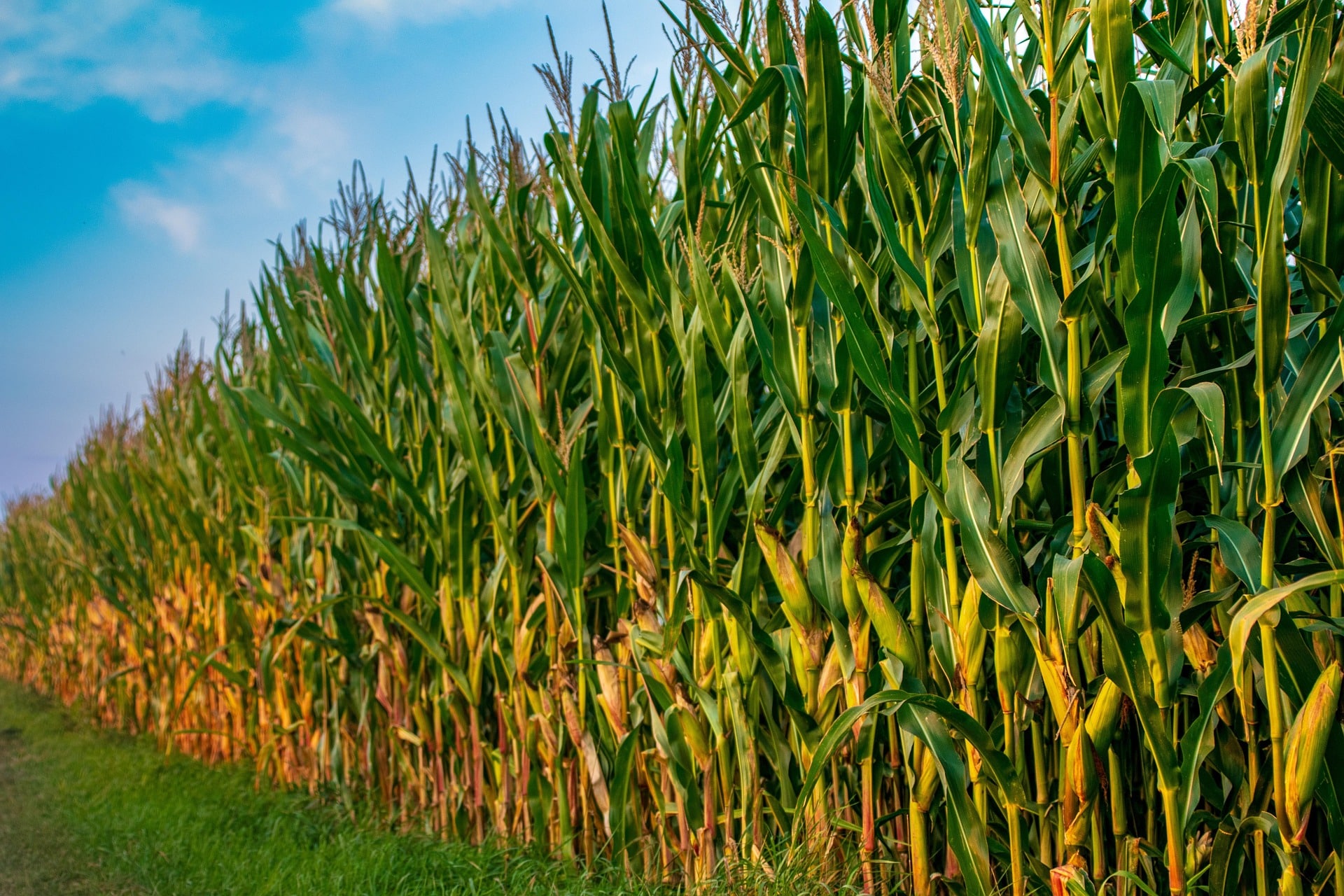
Buy a Farm
Expert guidance in finding the perfect agricultural property.
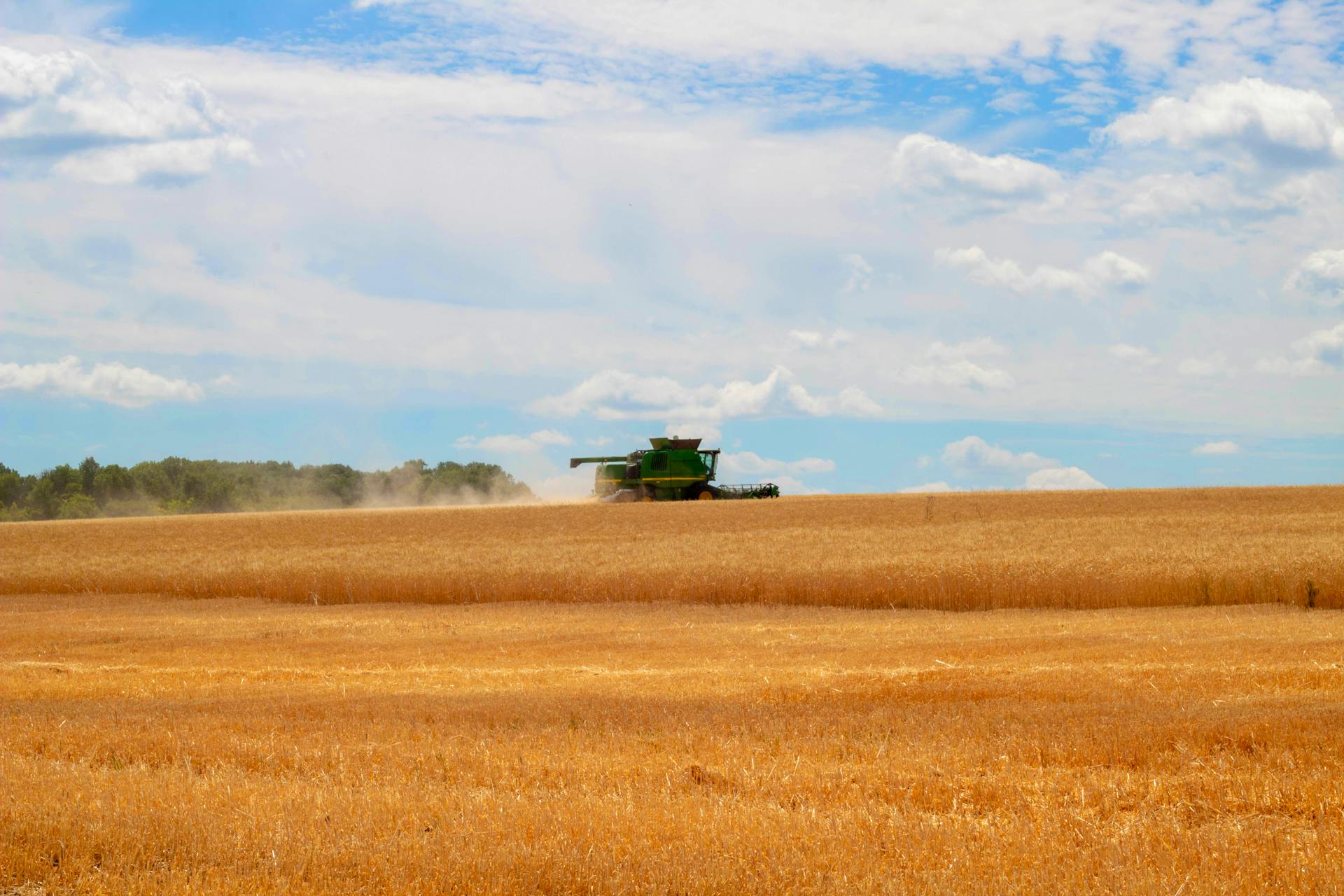
Sell Your Farm
Strategic marketing and valuation for maximum return.
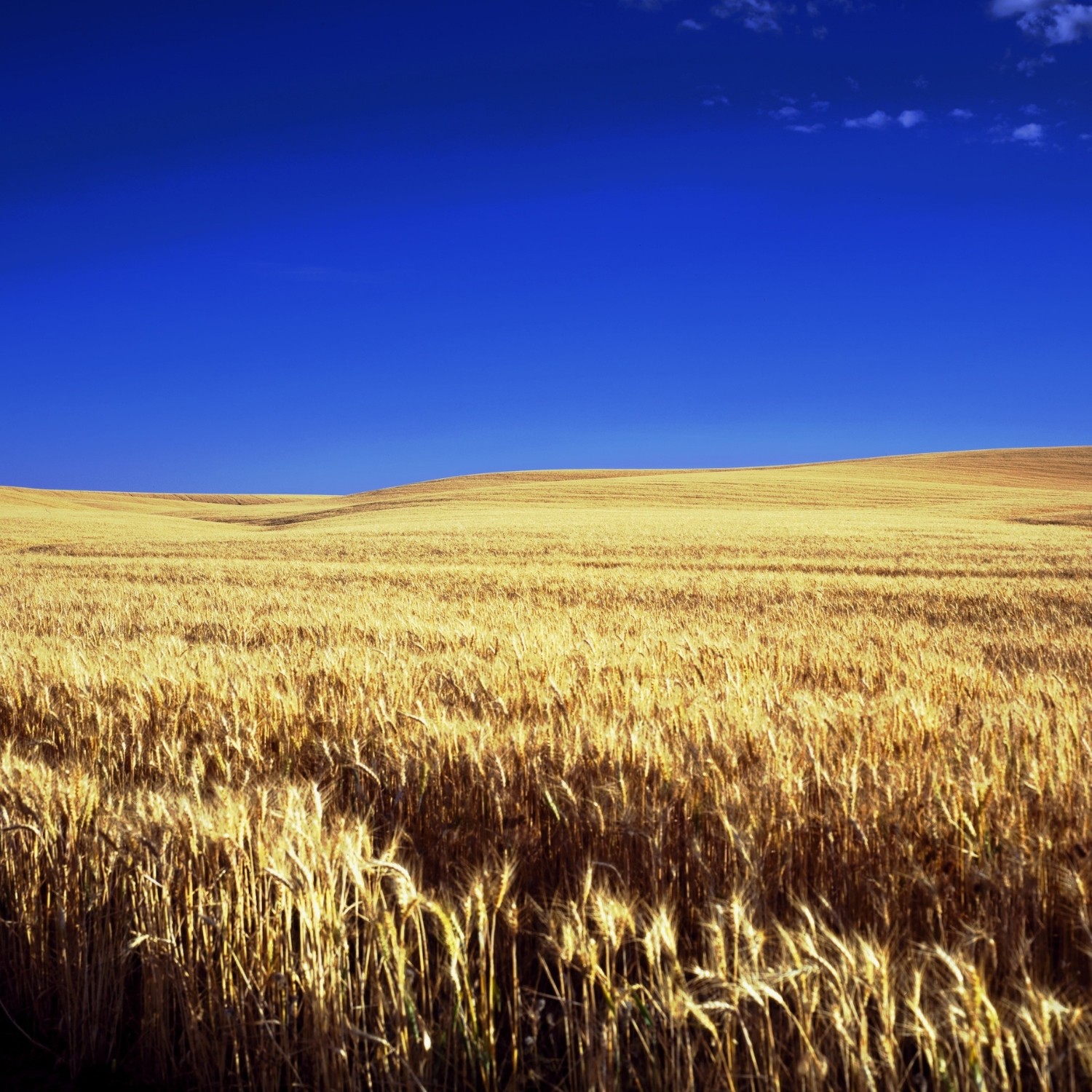
Land Valuation
Receive an accurate property valuation to inform your decisions.
Rural Realty Services
Comprehensive Farmland Services
Explore the Comprehensive Real Estate Solutions for Kansas farmers, landowners, families, and investors at Rural Realty
Buy a Farm
Expert guidance in finding the perfect agricultural property.
Sell Your Farm
Strategic marketing and valuation for maximum return.
Land Valuation
Receive an accurate property valuation to inform your decisions.
Rural Realty Services
Comprehensive Farmland Services
Explore the Comprehensive Real Estate Solutions for Kansas farmers, landowners, families, and investors at Rural Realty
Buy a Farm
Expert guidance in finding the perfect agricultural property.
Sell Your Farm
Strategic marketing and valuation for maximum return.
Land Valuation
Receive an accurate property valuation to inform your decisions.
Kansas Property Expertise
From farmland to family homes, Rural Realty brings generations of local expertise to every real estate transaction.
Kansas
Rural Homes
Rural Realty helps families find their perfect country property, specializing in homes with acreage across Kansas.

Kansas
Farmland
With over four generations of farming experience, Rural Realty brings unique insight to every agricultural land transaction.

Kansas
Ranchland
Rural Realty's deep understanding of ranch operations helps buyers and sellers make confident decisions about ranching properties.

Kansas
Hunting Properties
Rural Realty combines recreational value with agricultural opportunities to maximize returns on hunting property investments.

Kansas
Commercial Properties
From retail spaces to agricultural warehouses, Rural Realty guides clients through every commercial real estate transaction.

Kansas Property Expertise
From farmland to family homes, Rural Realty brings generations of local expertise to every real estate transaction.
Kansas
Rural Homes
Rural Realty helps families find their perfect country property, specializing in homes with acreage across Kansas.
Kansas
Farmland
With over four generations of farming experience, Rural Realty brings unique insight to every agricultural land transaction.
Kansas
Ranchland
Rural Realty's deep understanding of ranch operations helps buyers and sellers make confident decisions about ranching properties.
Kansas
Hunting Properties
Rural Realty combines recreational value with agricultural opportunities to maximize returns on hunting property investments.
Kansas
Commercial Properties
From retail spaces to agricultural warehouses, Rural Realty guides clients through every commercial real estate transaction.
Kansas Property Expertise
From farmland to family homes, Rural Realty brings generations of local expertise to every real estate transaction.
Kansas
Rural Homes
Rural Realty helps families find their perfect country property, specializing in homes with acreage across Kansas.
Kansas
Farmland
With over four generations of farming experience, Rural Realty brings unique insight to every agricultural land transaction.
Kansas
Ranchland
Rural Realty's deep understanding of ranch operations helps buyers and sellers make confident decisions about ranching properties.
Kansas
Hunting Properties
Rural Realty combines recreational value with agricultural opportunities to maximize returns on hunting property investments.
Kansas
Commercial Properties
From retail spaces to agricultural warehouses, Rural Realty guides clients through every commercial real estate transaction.
Ready to Buy or Sell Your Farm in Kansas?
Contact Rural Realty today for a personalized consultation about your farmland goals. Your agricultural future starts with the right land real estate agent.
Find an Agent in your Area
Contact Rural Realty
Find an Agent in your Area
Ready to Buy or Sell Your Farm in Kansas?
Contact Rural Realty today for a personalized consultation about your farmland goals. Your agricultural future starts with the right land real estate agent.
Find an Agent in your Area