Why First-Time Buyers Misread Kansas Farmland Listings
Alec Horton
•
Rural Realty
•
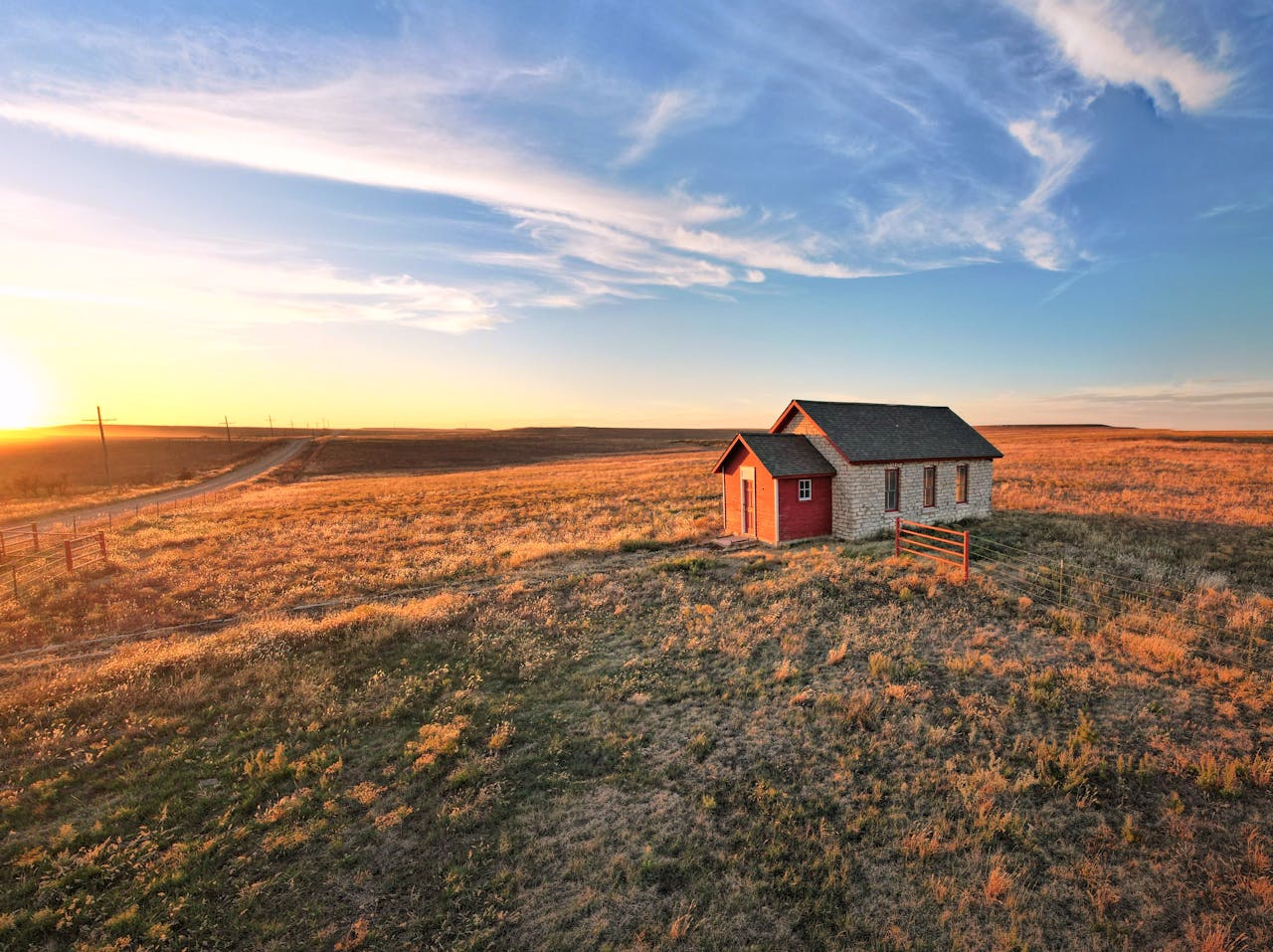
Stop Skimming Listings and Start Reading the Land
Many first-time buyers get excited when they spot what looks like a bargain on farmland for sale in Kansas. The photos look clean, the acreage number seems big, and the price looks fair. Then, after closing, the real story shows up: standing water in the low spots, thin soil on the hills, or a driveway that turns to soup after a good rain. The listing was not “lying,” it just did not tell the whole story in plain language.
Most farmland listings are written like shorthand for people who already speak the language of dirt, water, and access. If you are new to land, it is easy to misread or skip the lines that matter the most. Our goal here is to slow things down, decode what you are seeing, and help you read the land behind the listing.
As spring brings more Kansas properties to the market, buyers tend to rush. Offers go out after quick drive-bys, not careful field walks. When that happens, small details in a listing can turn into big surprises later. We want you to step into negotiations informed, calm, and ready, not hurried and overwhelmed.
The Biggest Misread: Acres Versus Usable Acres
The first trap many new buyers fall into is treating the total acreage as if every acre is ready to earn income. A listing might say “160 acres,” but that does not mean 160 acres of good cropland or pasture.
Here is what you really need to pay attention to:
Gross acres: The total acres inside the boundary lines
Tillable acres: Ground that can realistically be farmed
Grazeable acres: Grass that can actually support livestock
Income-producing acres: Land that brings in rent, crops, or program payments
Tree lines, creeks, steep draws, and rocky knobs can all chip away at the acres you can farm or graze. Set-aside acres in programs like CRP or other conservation areas may not be open to tillage or heavy grazing, but they can still be part of your income picture.
Watch the wording in the listing. When you see phrases like “scenic views” and “diverse terrain,” that can mean more rough ground and less clean tillable acreage. On the other hand, wording like “high percentage tillable” or “productive Class II soils” usually hints at more consistent, usable acres.
In late spring, field conditions can hide problems. Standing crops, tall residue, or muddy low spots might cover washouts, poor drainage, or soft areas. When you tour a farm, walk beyond the headlands. Look at the corners, the draws, and the wet holes to see how much of the land you can truly count on.
Soil Maps, Yields, and Water: The Data Most Buyers Skip
Experienced buyers rarely rely only on the listing sheet. They ask for soil maps, past yield history, and information on wells or water rights, even if those items are not advertised.
Here is why those details matter so much:
Soil classes: Class II soils usually handle crops better than shallow or rocky soils
Soil type: A silt loam often holds water and nutrients differently than sandy or clay-heavy soils
Fertility needs: Poorer soils often demand more fertilizer and management to produce the same yield
Kansas water adds another layer. In many rural areas, you need to know:
Is there rural water service nearby, or will you rely on a well?
If there is a well, what is the depth and quality like?
Are there any irrigation rights tied to the property?
How have recent dry spells affected local wells, ponds, and creeks?
First-time buyers often let pretty photos weigh more than soil classes, yield maps, and water details. That can hit your pocket twice, once in lower cash rent or crop returns, and again when it is time to sell and the next buyer asks to see the same data.
Access, Easements, and Neighbors You Can’t See Online
A listing might show a neat aerial view and a simple road line, but access can be more tricky in real life. Not all road frontage works the same.
Things to look for include:
Dead-end roads that are slow to get plowed
Minimum-maintenance roads that turn slick in wet weather
Seasonal mud that makes hauling grain or cattle tough
The difference between deeded access and a gate the neighbor “has always let folks use”
Easements are another piece that sometimes gets one short line in the listing, then causes headaches later. Common rural Kansas easements can include:
Utility lines and towers
Oil and gas leases and access roads
Pipeline corridors
Shared driveways and access lanes
These can shape where you can build, put a new entrance, or add improvements.
Then there are the neighbor factors that never show up on a listing sheet: fences that are not on the true line, heavy hunting pressure from nearby ground, or a feedlot, wind project, or future development that might change how peaceful the area feels.
Before you get too far, it helps to:
Pull county maps and check public records
Talk with neighbors and local operators
Walk boundaries in person, especially in spring when water, ruts, and access issues are easier to see
Hunting Dreams Versus Income Reality on Multi-Use Tracts
Many buyers looking at farmland for sale in Kansas have a mix of goals. They want hunting, they want some farm income, and they might want a future home site. The tricky part is balancing those pieces.
Prime deer or turkey habitat often means more timber, draws, brushy edges, CRP, or native grass. That can be great for wildlife, but each acre of heavy cover is usually an acre that is not row crop. So the more you lean into a trophy whitetail setup, the more you may trade away simple, steady cash rent.
When a listing leans on “recreational” terms, slow down and decode:
“Great cover” often means thick brush or timber, not income acres
“Travel corridors” are usually narrow draws or creek lines
“Food plot potential” means the plots are not there yet, you will need to plan and plant them
You can check those claims with aerial maps, topo maps, and, most important, time on the ground. Spring can be a helpful season to read hunting ground. Before full leaf-out, you can see trails, rubs, old scrapes, bedding pockets, and browse lines more clearly. That timing often lines up with a surge in new rural listings, which makes this a smart window for careful tours.
Price Tags, Taxes, and the Value of Local Knowledge
Many new buyers look at the price and divide it by total acres. That is a start, but it is not how local folks think about land value. Price is usually shaped by a mix of:
Soil quality and types
Rental and cropping history
Water availability and rights
Recent local sales of similar ground
There are also money traps that beginners overlook, such as:
Property taxes that are higher than expected
Assuming the current tenant or cash rent will stay the same forever
Fencing, terraces, trees, or buildings that need work right away
Local farm knowledge is hard to copy from a listing. People who have farmed in an area for years know which bottoms flood in a big rain, which hills catch the wind, and which tenants pay on time and care for the ground.
When you talk with a rural Kansas land broker, smart questions might include:
What are the current lease terms and who is farming or grazing it now?
What crops or rotations are common in this neighborhood?
How strong is the local demand for pasture or hay ground?
What is really driving price in this county: farmers, investors, or recreation buyers?
At Rural Realty, we lean on generations of local farming experience to sort out these questions and help first-time buyers see beyond the listing sheet.
Find The Right Kansas Farmland With Local Experts
If you are ready to explore farmland for sale in Kansas, we can help you evaluate options that fit your production goals and budget. At Rural Realty, we combine on-the-ground knowledge with careful market analysis so you can move forward with confidence. Tell us what you are looking for and we will walk you through the next steps or set up a time to talk in more detail, or you can contact us to get started.

Alec Horton- Licensed KS Broker
Weekly Newsletter Update!
Join the Newsletter to Receive Kansas Market Updates
Stay up-to-date with the latest land prices, properties for sale, and tips for managing and selling your farm!
Blog Articles

Farm Land For Sale in Kansas
Alec Horton
Learn More

Unexpected Income Streams on Kansas Ranch Land for Sale
Alec Horton
Learn More

Evaluating Kansas Farmland Rental History Before You Buy
Alec Horton
Learn More

Kansas Ranch Listing Terms: Stocking Rate, AUMs, Carrying Capacity
Alec Horton
Learn More

Leasing vs. Selling Kansas Farmland: Choosing the Right Path
Alec Horton
Learn More
Why First-Time Buyers Misread Kansas Farmland Listings
Alec Horton
•
Rural Realty
Stop Skimming Listings and Start Reading the Land
Many first-time buyers get excited when they spot what looks like a bargain on farmland for sale in Kansas. The photos look clean, the acreage number seems big, and the price looks fair. Then, after closing, the real story shows up: standing water in the low spots, thin soil on the hills, or a driveway that turns to soup after a good rain. The listing was not “lying,” it just did not tell the whole story in plain language.
Most farmland listings are written like shorthand for people who already speak the language of dirt, water, and access. If you are new to land, it is easy to misread or skip the lines that matter the most. Our goal here is to slow things down, decode what you are seeing, and help you read the land behind the listing.
As spring brings more Kansas properties to the market, buyers tend to rush. Offers go out after quick drive-bys, not careful field walks. When that happens, small details in a listing can turn into big surprises later. We want you to step into negotiations informed, calm, and ready, not hurried and overwhelmed.
The Biggest Misread: Acres Versus Usable Acres
The first trap many new buyers fall into is treating the total acreage as if every acre is ready to earn income. A listing might say “160 acres,” but that does not mean 160 acres of good cropland or pasture.
Here is what you really need to pay attention to:
Gross acres: The total acres inside the boundary lines
Tillable acres: Ground that can realistically be farmed
Grazeable acres: Grass that can actually support livestock
Income-producing acres: Land that brings in rent, crops, or program payments
Tree lines, creeks, steep draws, and rocky knobs can all chip away at the acres you can farm or graze. Set-aside acres in programs like CRP or other conservation areas may not be open to tillage or heavy grazing, but they can still be part of your income picture.
Watch the wording in the listing. When you see phrases like “scenic views” and “diverse terrain,” that can mean more rough ground and less clean tillable acreage. On the other hand, wording like “high percentage tillable” or “productive Class II soils” usually hints at more consistent, usable acres.
In late spring, field conditions can hide problems. Standing crops, tall residue, or muddy low spots might cover washouts, poor drainage, or soft areas. When you tour a farm, walk beyond the headlands. Look at the corners, the draws, and the wet holes to see how much of the land you can truly count on.
Soil Maps, Yields, and Water: The Data Most Buyers Skip
Experienced buyers rarely rely only on the listing sheet. They ask for soil maps, past yield history, and information on wells or water rights, even if those items are not advertised.
Here is why those details matter so much:
Soil classes: Class II soils usually handle crops better than shallow or rocky soils
Soil type: A silt loam often holds water and nutrients differently than sandy or clay-heavy soils
Fertility needs: Poorer soils often demand more fertilizer and management to produce the same yield
Kansas water adds another layer. In many rural areas, you need to know:
Is there rural water service nearby, or will you rely on a well?
If there is a well, what is the depth and quality like?
Are there any irrigation rights tied to the property?
How have recent dry spells affected local wells, ponds, and creeks?
First-time buyers often let pretty photos weigh more than soil classes, yield maps, and water details. That can hit your pocket twice, once in lower cash rent or crop returns, and again when it is time to sell and the next buyer asks to see the same data.
Access, Easements, and Neighbors You Can’t See Online
A listing might show a neat aerial view and a simple road line, but access can be more tricky in real life. Not all road frontage works the same.
Things to look for include:
Dead-end roads that are slow to get plowed
Minimum-maintenance roads that turn slick in wet weather
Seasonal mud that makes hauling grain or cattle tough
The difference between deeded access and a gate the neighbor “has always let folks use”
Easements are another piece that sometimes gets one short line in the listing, then causes headaches later. Common rural Kansas easements can include:
Utility lines and towers
Oil and gas leases and access roads
Pipeline corridors
Shared driveways and access lanes
These can shape where you can build, put a new entrance, or add improvements.
Then there are the neighbor factors that never show up on a listing sheet: fences that are not on the true line, heavy hunting pressure from nearby ground, or a feedlot, wind project, or future development that might change how peaceful the area feels.
Before you get too far, it helps to:
Pull county maps and check public records
Talk with neighbors and local operators
Walk boundaries in person, especially in spring when water, ruts, and access issues are easier to see
Hunting Dreams Versus Income Reality on Multi-Use Tracts
Many buyers looking at farmland for sale in Kansas have a mix of goals. They want hunting, they want some farm income, and they might want a future home site. The tricky part is balancing those pieces.
Prime deer or turkey habitat often means more timber, draws, brushy edges, CRP, or native grass. That can be great for wildlife, but each acre of heavy cover is usually an acre that is not row crop. So the more you lean into a trophy whitetail setup, the more you may trade away simple, steady cash rent.
When a listing leans on “recreational” terms, slow down and decode:
“Great cover” often means thick brush or timber, not income acres
“Travel corridors” are usually narrow draws or creek lines
“Food plot potential” means the plots are not there yet, you will need to plan and plant them
You can check those claims with aerial maps, topo maps, and, most important, time on the ground. Spring can be a helpful season to read hunting ground. Before full leaf-out, you can see trails, rubs, old scrapes, bedding pockets, and browse lines more clearly. That timing often lines up with a surge in new rural listings, which makes this a smart window for careful tours.
Price Tags, Taxes, and the Value of Local Knowledge
Many new buyers look at the price and divide it by total acres. That is a start, but it is not how local folks think about land value. Price is usually shaped by a mix of:
Soil quality and types
Rental and cropping history
Water availability and rights
Recent local sales of similar ground
There are also money traps that beginners overlook, such as:
Property taxes that are higher than expected
Assuming the current tenant or cash rent will stay the same forever
Fencing, terraces, trees, or buildings that need work right away
Local farm knowledge is hard to copy from a listing. People who have farmed in an area for years know which bottoms flood in a big rain, which hills catch the wind, and which tenants pay on time and care for the ground.
When you talk with a rural Kansas land broker, smart questions might include:
What are the current lease terms and who is farming or grazing it now?
What crops or rotations are common in this neighborhood?
How strong is the local demand for pasture or hay ground?
What is really driving price in this county: farmers, investors, or recreation buyers?
At Rural Realty, we lean on generations of local farming experience to sort out these questions and help first-time buyers see beyond the listing sheet.
Find The Right Kansas Farmland With Local Experts
If you are ready to explore farmland for sale in Kansas, we can help you evaluate options that fit your production goals and budget. At Rural Realty, we combine on-the-ground knowledge with careful market analysis so you can move forward with confidence. Tell us what you are looking for and we will walk you through the next steps or set up a time to talk in more detail, or you can contact us to get started.
Why First-Time Buyers Misread Kansas Farmland Listings
Alec Horton
•
Rural Realty
•
Stop Skimming Listings and Start Reading the Land
Many first-time buyers get excited when they spot what looks like a bargain on farmland for sale in Kansas. The photos look clean, the acreage number seems big, and the price looks fair. Then, after closing, the real story shows up: standing water in the low spots, thin soil on the hills, or a driveway that turns to soup after a good rain. The listing was not “lying,” it just did not tell the whole story in plain language.
Most farmland listings are written like shorthand for people who already speak the language of dirt, water, and access. If you are new to land, it is easy to misread or skip the lines that matter the most. Our goal here is to slow things down, decode what you are seeing, and help you read the land behind the listing.
As spring brings more Kansas properties to the market, buyers tend to rush. Offers go out after quick drive-bys, not careful field walks. When that happens, small details in a listing can turn into big surprises later. We want you to step into negotiations informed, calm, and ready, not hurried and overwhelmed.
The Biggest Misread: Acres Versus Usable Acres
The first trap many new buyers fall into is treating the total acreage as if every acre is ready to earn income. A listing might say “160 acres,” but that does not mean 160 acres of good cropland or pasture.
Here is what you really need to pay attention to:
Gross acres: The total acres inside the boundary lines
Tillable acres: Ground that can realistically be farmed
Grazeable acres: Grass that can actually support livestock
Income-producing acres: Land that brings in rent, crops, or program payments
Tree lines, creeks, steep draws, and rocky knobs can all chip away at the acres you can farm or graze. Set-aside acres in programs like CRP or other conservation areas may not be open to tillage or heavy grazing, but they can still be part of your income picture.
Watch the wording in the listing. When you see phrases like “scenic views” and “diverse terrain,” that can mean more rough ground and less clean tillable acreage. On the other hand, wording like “high percentage tillable” or “productive Class II soils” usually hints at more consistent, usable acres.
In late spring, field conditions can hide problems. Standing crops, tall residue, or muddy low spots might cover washouts, poor drainage, or soft areas. When you tour a farm, walk beyond the headlands. Look at the corners, the draws, and the wet holes to see how much of the land you can truly count on.
Soil Maps, Yields, and Water: The Data Most Buyers Skip
Experienced buyers rarely rely only on the listing sheet. They ask for soil maps, past yield history, and information on wells or water rights, even if those items are not advertised.
Here is why those details matter so much:
Soil classes: Class II soils usually handle crops better than shallow or rocky soils
Soil type: A silt loam often holds water and nutrients differently than sandy or clay-heavy soils
Fertility needs: Poorer soils often demand more fertilizer and management to produce the same yield
Kansas water adds another layer. In many rural areas, you need to know:
Is there rural water service nearby, or will you rely on a well?
If there is a well, what is the depth and quality like?
Are there any irrigation rights tied to the property?
How have recent dry spells affected local wells, ponds, and creeks?
First-time buyers often let pretty photos weigh more than soil classes, yield maps, and water details. That can hit your pocket twice, once in lower cash rent or crop returns, and again when it is time to sell and the next buyer asks to see the same data.
Access, Easements, and Neighbors You Can’t See Online
A listing might show a neat aerial view and a simple road line, but access can be more tricky in real life. Not all road frontage works the same.
Things to look for include:
Dead-end roads that are slow to get plowed
Minimum-maintenance roads that turn slick in wet weather
Seasonal mud that makes hauling grain or cattle tough
The difference between deeded access and a gate the neighbor “has always let folks use”
Easements are another piece that sometimes gets one short line in the listing, then causes headaches later. Common rural Kansas easements can include:
Utility lines and towers
Oil and gas leases and access roads
Pipeline corridors
Shared driveways and access lanes
These can shape where you can build, put a new entrance, or add improvements.
Then there are the neighbor factors that never show up on a listing sheet: fences that are not on the true line, heavy hunting pressure from nearby ground, or a feedlot, wind project, or future development that might change how peaceful the area feels.
Before you get too far, it helps to:
Pull county maps and check public records
Talk with neighbors and local operators
Walk boundaries in person, especially in spring when water, ruts, and access issues are easier to see
Hunting Dreams Versus Income Reality on Multi-Use Tracts
Many buyers looking at farmland for sale in Kansas have a mix of goals. They want hunting, they want some farm income, and they might want a future home site. The tricky part is balancing those pieces.
Prime deer or turkey habitat often means more timber, draws, brushy edges, CRP, or native grass. That can be great for wildlife, but each acre of heavy cover is usually an acre that is not row crop. So the more you lean into a trophy whitetail setup, the more you may trade away simple, steady cash rent.
When a listing leans on “recreational” terms, slow down and decode:
“Great cover” often means thick brush or timber, not income acres
“Travel corridors” are usually narrow draws or creek lines
“Food plot potential” means the plots are not there yet, you will need to plan and plant them
You can check those claims with aerial maps, topo maps, and, most important, time on the ground. Spring can be a helpful season to read hunting ground. Before full leaf-out, you can see trails, rubs, old scrapes, bedding pockets, and browse lines more clearly. That timing often lines up with a surge in new rural listings, which makes this a smart window for careful tours.
Price Tags, Taxes, and the Value of Local Knowledge
Many new buyers look at the price and divide it by total acres. That is a start, but it is not how local folks think about land value. Price is usually shaped by a mix of:
Soil quality and types
Rental and cropping history
Water availability and rights
Recent local sales of similar ground
There are also money traps that beginners overlook, such as:
Property taxes that are higher than expected
Assuming the current tenant or cash rent will stay the same forever
Fencing, terraces, trees, or buildings that need work right away
Local farm knowledge is hard to copy from a listing. People who have farmed in an area for years know which bottoms flood in a big rain, which hills catch the wind, and which tenants pay on time and care for the ground.
When you talk with a rural Kansas land broker, smart questions might include:
What are the current lease terms and who is farming or grazing it now?
What crops or rotations are common in this neighborhood?
How strong is the local demand for pasture or hay ground?
What is really driving price in this county: farmers, investors, or recreation buyers?
At Rural Realty, we lean on generations of local farming experience to sort out these questions and help first-time buyers see beyond the listing sheet.
Find The Right Kansas Farmland With Local Experts
If you are ready to explore farmland for sale in Kansas, we can help you evaluate options that fit your production goals and budget. At Rural Realty, we combine on-the-ground knowledge with careful market analysis so you can move forward with confidence. Tell us what you are looking for and we will walk you through the next steps or set up a time to talk in more detail, or you can contact us to get started.
Meet the Founder of Rural Realty
Alec Horton
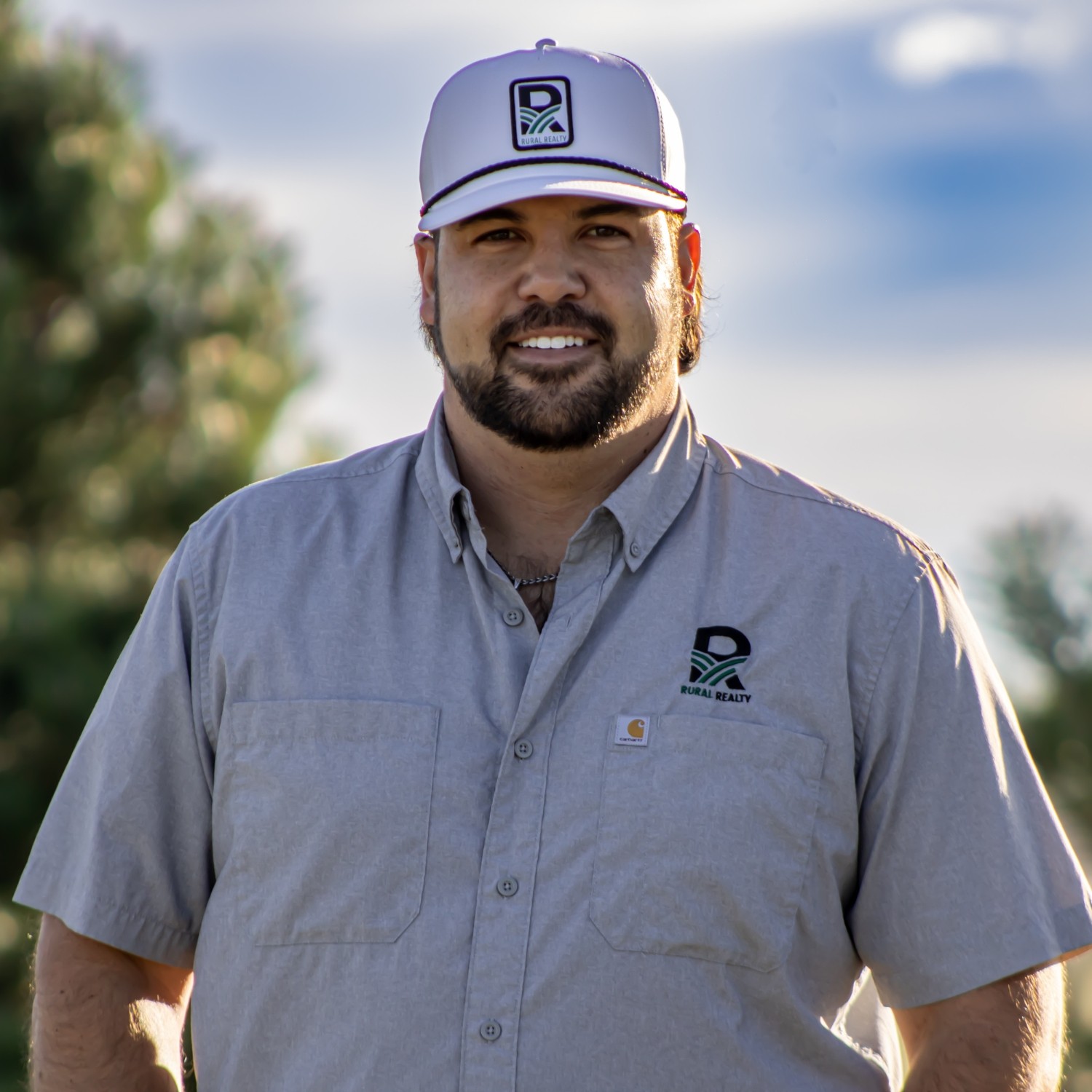
Alec Horton founded Rural Realty in 2025 to help Western Kansas landowners navigate the complexities of buying and selling rural properties with confidence. Born and raised in Leoti, Alec comes from four generations of farmers, giving him a deep understanding of the land and the people who work it. After 16 years of buying and selling agricultural land for his own family’s farm, he saw firsthand the challenges landowners face—uncertain pricing, complex transactions, and a lack of dedicated rural real estate expertise. Determined to bridge that gap, he launched Rural Realty to provide honest, knowledgeable, and personalized service to farmers, ranchers, and investors. As a licensed land broker, Alec and his team brings local insight, industry expertise, and a passion for helping clients achieve their landownership goals.
Meet the Founder of Rural Realty
Alec Horton
Alec Horton founded Rural Realty in 2025 to give landowners across Western Kansas a trusted partner in buying and selling rural properties. A fourth-generation farmer from Leoti with 16 years of experience in agricultural land deals, Alec saw the need for a brokerage that truly understands the land and the people who work it. With a deep knowledge of local markets and a commitment to honest, personalized service, Rural Realty helps farmers, ranchers, and investors navigate complex transactions with confidence.
Meet the Founder of Rural Realty
Alec Horton
Alec Horton founded Rural Realty in 2025 to help Western Kansas landowners navigate the complexities of buying and selling rural properties with confidence. Born and raised in Leoti, Alec comes from four generations of farmers, giving him a deep understanding of the land and the people who work it. After 16 years of buying and selling agricultural land for his own family’s farm, he saw firsthand the challenges landowners face—uncertain pricing, complex transactions, and a lack of dedicated rural real estate expertise. Determined to bridge that gap, he launched Rural Realty to provide honest, knowledgeable, and personalized service to farmers, ranchers, and investors. As a licensed land broker, Alec and his team brings local insight, industry expertise, and a passion for helping clients achieve their landownership goals.
Farm Experience You Can Trust
Local Knowledge. Proven Results.
46+
2023-2025 Farm Transactions
18+
Years of Farmland Experience
700+
Network of Kansas Farmers
Farm Experience You Can Trust
Local Knowledge. Proven Results.
46+
2023-2025 Farm Transactions
18+
Years of Farmland Experience
700+
Network of Kansas Farmers
Farm Experience You Can Trust
Local Knowledge. Proven Results.
46+
2023-2025 Farm Transactions
18+
Years of Farmland Experience
700+
Network of Kansas Farmers
Rural Realty Services
Comprehensive Farmland Services
Explore the Comprehensive Real Estate Solutions for Kansas farmers, landowners, families, and investors at Rural Realty
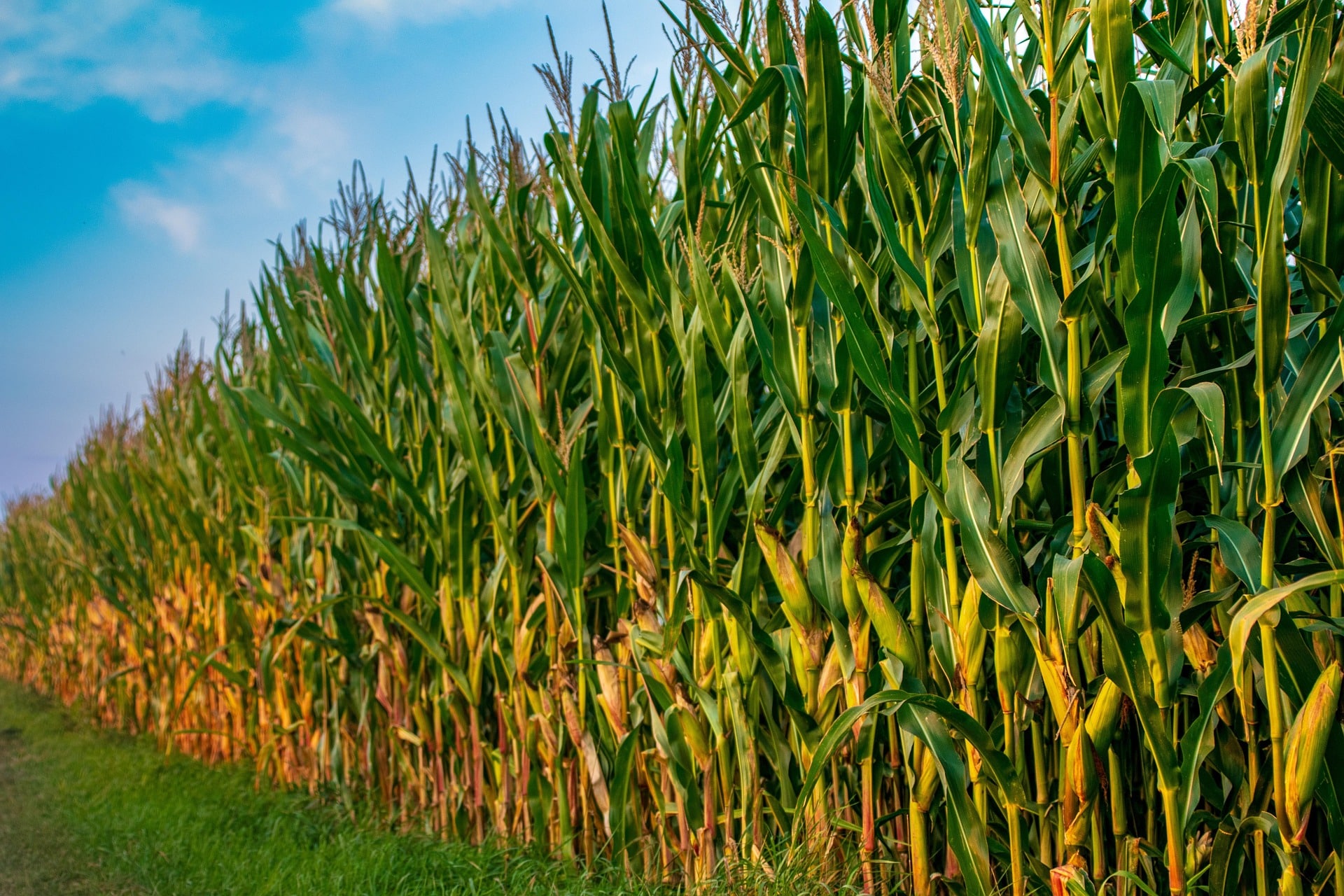
Buy a Farm
Expert guidance in finding the perfect agricultural property.
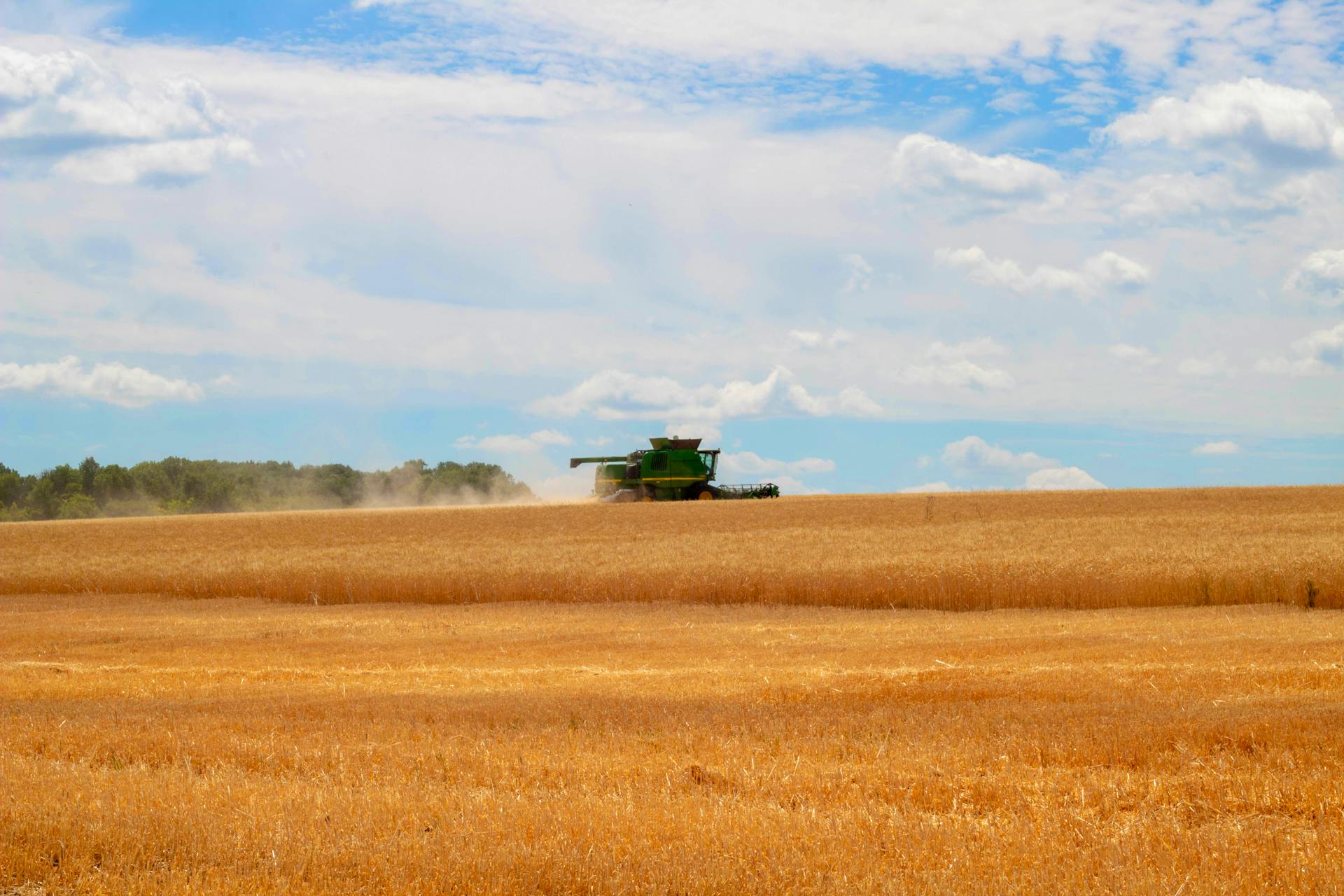
Sell Your Farm
Strategic marketing and valuation for maximum return.
Land Valuation
Receive an accurate property valuation to inform your decisions.
Rural Realty Services
Comprehensive Farmland Services
Explore the Comprehensive Real Estate Solutions for Kansas farmers, landowners, families, and investors at Rural Realty
Buy a Farm
Expert guidance in finding the perfect agricultural property.
Sell Your Farm
Strategic marketing and valuation for maximum return.
Land Valuation
Receive an accurate property valuation to inform your decisions.
Rural Realty Services
Comprehensive Farmland Services
Explore the Comprehensive Real Estate Solutions for Kansas farmers, landowners, families, and investors at Rural Realty
Buy a Farm
Expert guidance in finding the perfect agricultural property.
Sell Your Farm
Strategic marketing and valuation for maximum return.
Land Valuation
Receive an accurate property valuation to inform your decisions.
Kansas Property Expertise
From farmland to family homes, Rural Realty brings generations of local expertise to every real estate transaction.
Kansas
Rural Homes
Rural Realty helps families find their perfect country property, specializing in homes with acreage across Kansas.

Kansas
Farmland
With over four generations of farming experience, Rural Realty brings unique insight to every agricultural land transaction.

Kansas
Ranchland
Rural Realty's deep understanding of ranch operations helps buyers and sellers make confident decisions about ranching properties.

Kansas
Hunting Properties
Rural Realty combines recreational value with agricultural opportunities to maximize returns on hunting property investments.

Kansas
Commercial Properties
From retail spaces to agricultural warehouses, Rural Realty guides clients through every commercial real estate transaction.

Kansas Property Expertise
From farmland to family homes, Rural Realty brings generations of local expertise to every real estate transaction.
Kansas
Rural Homes
Rural Realty helps families find their perfect country property, specializing in homes with acreage across Kansas.
Kansas
Farmland
With over four generations of farming experience, Rural Realty brings unique insight to every agricultural land transaction.
Kansas
Ranchland
Rural Realty's deep understanding of ranch operations helps buyers and sellers make confident decisions about ranching properties.
Kansas
Hunting Properties
Rural Realty combines recreational value with agricultural opportunities to maximize returns on hunting property investments.
Kansas
Commercial Properties
From retail spaces to agricultural warehouses, Rural Realty guides clients through every commercial real estate transaction.
Kansas Property Expertise
From farmland to family homes, Rural Realty brings generations of local expertise to every real estate transaction.
Kansas
Rural Homes
Rural Realty helps families find their perfect country property, specializing in homes with acreage across Kansas.
Kansas
Farmland
With over four generations of farming experience, Rural Realty brings unique insight to every agricultural land transaction.
Kansas
Ranchland
Rural Realty's deep understanding of ranch operations helps buyers and sellers make confident decisions about ranching properties.
Kansas
Hunting Properties
Rural Realty combines recreational value with agricultural opportunities to maximize returns on hunting property investments.
Kansas
Commercial Properties
From retail spaces to agricultural warehouses, Rural Realty guides clients through every commercial real estate transaction.
Ready to Buy or Sell Your Farm in Kansas?
Contact Rural Realty today for a personalized consultation about your farmland goals. Your agricultural future starts with the right land real estate agent.
Find an Agent in your Area
Contact Rural Realty
Find an Agent in your Area
Ready to Buy or Sell Your Farm in Kansas?
Contact Rural Realty today for a personalized consultation about your farmland goals. Your agricultural future starts with the right land real estate agent.
Find an Agent in your Area